Fruit carving turns snack time into a real skill. In Lodtunduh near Ubud, you learn to shape fruit into flowers, animals, and even names using tools and materials the studio provides. I especially like the small group size (max 10), which keeps the class calm and lets the instructor guide you step by step.
The main thing to plan for is patience. This is hands-on, precision work, so if you hate slow, careful carving, you might feel rushed in the two hours.
In This Review
- Key Things To Know Before You Go
- Fruit Carving in Lodtunduh: A Craft Class That Actually Stays Fun
- The 2-Hour Flow: From Welcome Drink to Your Certificate
- What You’ll Carve: Flowers, Animals, and Names on Fruit
- Small Group Benefits: A Max of 10 Changes the Whole Experience
- Value for $39: What You Pay For (and Why It Feels Fair)
- Meeting at WS Art Studio in Lodtunduh: Simple Start, No Stress
- The Studio Vibe: Calming Views and a Real Craft Atmosphere
- The Skill Take-Home: Why This Feels Like Forever Skills
- Who This Class Suits Best (and Who Might Skip It)
- Quick Practical Advice So You Get the Most Out of It
- Should You Book This Fruit Carving Class in Bali?
- FAQ
- Where is the meeting point?
- What time does the class start?
- How long is the Bali fruit carving class?
- How big is the group?
- What age range can join?
- What’s included in the price?
- Is transport service included?
- Will I receive a physical ticket?
- What happens if I need to cancel?
Key Things To Know Before You Go
- Max 10-person class means more personal attention and an easy pace
- Carve with provided tools and materials so you travel light
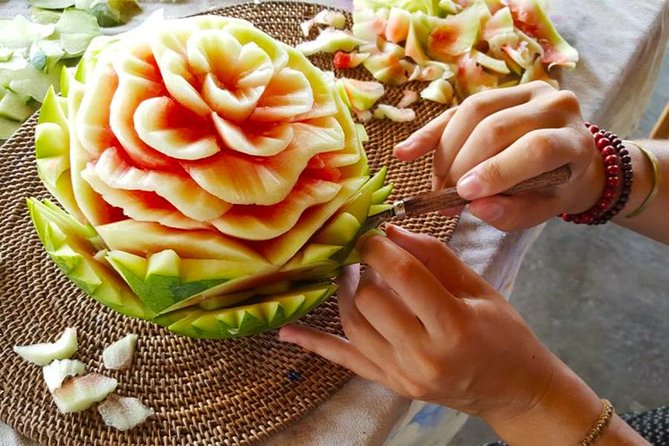
- You’ll practice with multiple fruits including watermelon and papaya
- Expect a calming Lodtunduh setting with rice-field views while you learn
- It’s not just practice: you get a welcome drink, traditional snack, and a certificate
- Family-friendly age range (4–65) makes it one of the easier Ubud activities for mixed groups
Fruit Carving in Lodtunduh: A Craft Class That Actually Stays Fun
Most Bali activities fall into one of two buckets: scenic tours or big group performances. This is different. It’s a short, hands-on craft lesson in fruit carving, and that changes how the time feels. You’re not just watching. You’re making something edible that looks like art.
Lodtunduh is a smart choice for this kind of activity. The area’s views and slower rhythm make the class feel relaxed, not hectic. In the morning, that matters because fruit carving rewards a steady mindset: sit, focus, repeat, adjust, and keep going.
I also like the variety baked into the lesson plan. You can create a flower, try an animal, or even carve a personal message on fruit like watermelon. That flexibility is good travel value because it gives you a goal, even if you’re a total beginner.
You can also read our reviews of more tours and experiences in Ubud.



The 2-Hour Flow: From Welcome Drink to Your Certificate
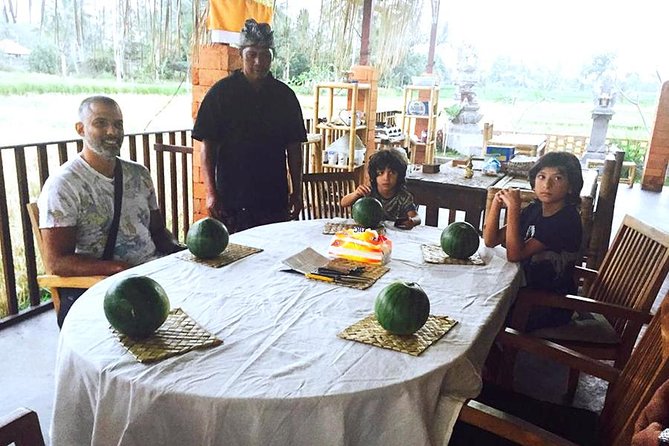
This class runs about two hours, starting at 10:00 am. The structure is simple: meet at the studio, get set up with materials, follow the instructor’s technique, then practice until you have something you’re proud to take home and eat.
You’ll also get a welcome drink and a traditional snack, so you’re not just carving on an empty stomach. That pause helps you keep your hands steady and your focus intact, especially if you’re working slowly for the first time.
By the end, you receive a certificate. It’s a small detail, but it gives the whole thing a finish line. When an activity includes a keep-sake, it feels more like a class and less like a quick stop you barely remember.
What You’ll Carve: Flowers, Animals, and Names on Fruit
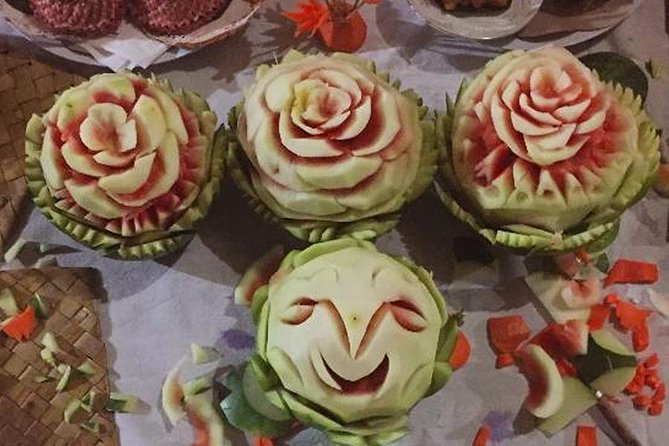
Fruit carving sounds fancy, but the real value is practical: you learn a technique that turns soft food into sharp lines and defined shapes. You’ll practice carving designs such as flowers and insects, and you can also make animals depending on the lesson day and what you choose to work on.
You’ll work with fruit types like watermelon and papaya, plus other items used in the session. Because the materials are provided, you don’t have to figure out what fruit is best or how to handle it. The studio handles the prep, and you focus on the carving process.
There’s also something psychologically satisfying about carving fruit. It’s different from wood carving or metal work, but it still demands precision. In a good class like this, you stop thinking of it as food prep and start thinking like a maker. That’s why people come away saying the skills feel transferable to other foods too.
Small Group Benefits: A Max of 10 Changes the Whole Experience
A 10-person maximum sounds like a minor detail, but it’s a big deal in a technique class. With smaller groups, you don’t spend the lesson waiting for the instructor to notice you. You get quicker feedback when your cuts need adjusting.
This also helps families. The class is listed for ages 4 to 65, which tells you the pace can flex. Younger kids can be guided into simple shapes, while adults can spend more time refining details.
The sweet spot here is the balance between structure and creativity. You’ll follow the instructor’s guidance, but you still get to decide what to carve. That’s a big reason this feels like a “do something” Bali experience rather than a “watch something” Bali experience.
Value for $39: What You Pay For (and Why It Feels Fair)
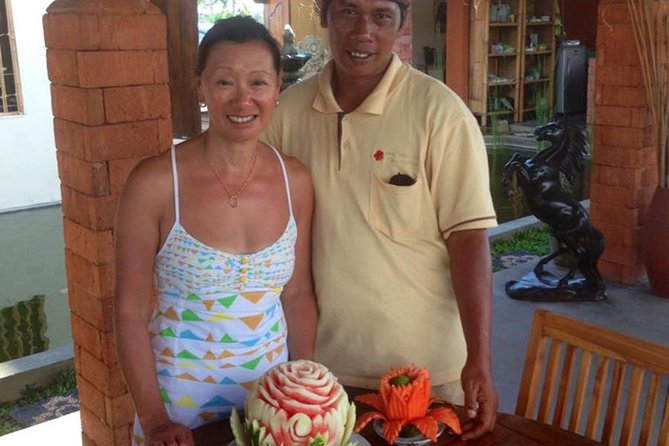
At $39 per person, this is priced like an activity that’s meant to be accessible, not exclusive. The value comes from what’s included versus what you’d typically pay for on your own.
Included items are: equipment and materials, plus a welcome drink, a traditional snack, and a certificate. If you’ve ever bought a workshop somewhere else and then realized you also had to buy extra supplies, this setup feels refreshingly straightforward.
Not included: transport service, personal expenses, and insurance. That’s normal for many Ubud activities, but it’s worth planning. If you’re using a driver or Grab for the morning, treat that as your added budget. The upside is you’re not locked into a package deal.
For most visitors, two hours of instruction plus edible results and drinks/snacks at this price is a good trade. You’re paying for guided technique, not just a photo opportunity.





Meeting at WS Art Studio in Lodtunduh: Simple Start, No Stress
The meeting point is WS Art Studio Balinese Handicrafts, address: C7X4+JFP, Lodtunduh, Ubud, Gianyar Regency, Bali 80571. The class starts at 10:00 am, and the activity ends back at the meeting point.
This location is listed as being near public transportation, which helps if you don’t want to rely on private transport. If you’re coming by ride-share or local transport, plan to arrive a little early so you can settle in before the class starts.
Also, the tour uses a mobile ticket. That’s a small practical win. You avoid printing hassles and can keep everything in your phone.
One more practical point: even though the class is only two hours, it’s still hands-on. Give yourself a buffer before or after so you’re not rushing to your next plan the second you finish.
The Studio Vibe: Calming Views and a Real Craft Atmosphere
There’s a reason fruit carving works so well in places like Lodtunduh. The environment supports a slower pace, and that’s key for fine detail work. The class can feel relaxing because you’re not on a bus all morning. You’re at a studio where you can focus.
In the same studio area, you may also notice other craft options offered, such as wood carving and jewelry work. That matters even if you don’t do them. It signals that the studio treats crafts as a real practice, not a one-off gimmick for tourists.
In short: you’re walking into a place where people expect to make things. That background creates a better learning atmosphere, even for absolute beginners.
The Skill Take-Home: Why This Feels Like Forever Skills
Fruit carving isn’t just a fun morning. It teaches a mindset: patience, precision, and repetition. Those are the real takeaways. Once you understand how to plan your cuts and shape lines, the technique can carry over to other projects with fruit or other soft materials.
You’ll be guided through how to carve flowers, animals, and letters/names on fruit. Carving a name is a neat goal because it forces you to think in strokes and spacing, not just general shapes. That makes the lesson feel personal.
And because the class includes time to practice, you won’t feel like you only get a quick demonstration. You get guided instruction, then you build your own result step by step.
Who This Class Suits Best (and Who Might Skip It)
This works really well for:
- First-time visitors who want a hands-on Bali activity that’s easy to schedule
- Families looking for a shared activity with an age range that covers kids and adults
- People who enjoy crafts and learning a practical technique, not just sightseeing
- Anyone who wants something calmer than a tour bus morning
Consider skipping if:
- You hate slow, careful work and want only quick, low-focus activities
- You’d rather do an outdoor tour than sit and carve for about two hours
If you’re the kind of person who enjoys making something with your hands, this class fits your travel style better than most.
Quick Practical Advice So You Get the Most Out of It
Go in with the expectation that the first attempts might not look perfect. That’s normal for carving and it’s why the class is structured around guidance. If you treat it like a skill workshop instead of an art contest, you’ll have a better time.
Also, look at the two hours as learning time, not just production time. A good result often comes from adjusting as you go. The small group size helps here, because you can get corrections before mistakes stack up.
Finally, plan to enjoy the snack and drink during the class break. It’s part of the experience, and it keeps the morning comfortable.
Should You Book This Fruit Carving Class in Bali?
Yes, if you want a calm, hands-on Ubud activity that teaches a real skill in about two hours. The small-group limit, included materials and equipment, and the fact that you leave with a certificate make it feel complete for the price.
It’s also a strong choice if you’re traveling with a mixed-age group, since the class runs for ages 4–65 and the pace can work for both kids and adults.
If you’re short on patience or you want a purely scenic day, you may prefer something more relaxed and passive. But for most visitors, fruit carving is one of those rare activities that turns fun into a skill you can actually reuse.
FAQ
Where is the meeting point?
You meet at WS Art Studio Balinese Handicrafts at C7X4+JFP, Lodtunduh, Ubud, Gianyar Regency, Bali 80571, Indonesia.
What time does the class start?
The class starts at 10:00 am.
How long is the Bali fruit carving class?
It takes about 2 hours.
How big is the group?
The class has a maximum of 10 travelers, so it’s a small group.
What age range can join?
The class is for ages 4 to 65.
What’s included in the price?
Included are equipment, materials, a welcome drink, a traditional snack, and a certificate.
Is transport service included?
No. Transport service is not included.
Will I receive a physical ticket?
No. The tour uses a mobile ticket.
What happens if I need to cancel?
This experience is non-refundable and cannot be changed for any reason. If you cancel or request an amendment, the amount you paid is not refunded.