Bali silver can feel fancy. This class makes it practical. You’ll work with a Balinese silversmith in a calm, rice-field setting in Ubud, and you’ll go home with a real piece you made.
I especially like the freedom to choose a design—think ring, bracelet, or pendant—then shape it step by step with guidance. And I also appreciate that the workshop doesn’t treat silver like magic; you’ll learn the cultural background of silver jewelry in Balinese tradition while you work.
One thing to watch: the price is built around a cap of up to 5 grams of silver. If you want more metal or extra time, you’ll pay on-site (so plan your design early).
Key things you’ll love in this Ubud silver workshop
- Up to 5 grams of silver included in the $44 price, with clear on-site pricing if you add more
- Pick your jewelry type (ring, bracelet, or pendant) and tailor it to your style
- Hands-on coaching from an experienced local silversmith, suitable for beginners
- Rice-field calm in a quieter pocket of Ubud, with a relaxed pace
- English instruction and a lively, interactive classroom feel
- One finished piece to take home as your souvenir
In This Review
- Getting to the Workshop: Rice Fields, Walking Paths, and Simple Shoes
- Price and Value: What $44 Buys Beyond the Craft
- Choosing Your Jewelry: Ring, Bracelet, or Pendant, With Real Personalization
- How the Class Actually Feels: A Lively Room, Not a Museum Lesson
- Balinese Silver Traditions: Why the Craft Matters
- Step-by-Step Making: From Tools and Metal to a Wearable Keepsake
- Logistics That Matter: Timing, Clothing, and One Design Per Person
- Transportation and Where You’ll Find the Place in Ubud
- Who This Bali Silver Class Fits Best (and Who Might Be Disappointed)
- Quick Review Takeaways: What Makes It Stand Out
- Should You Book This Ubud Silver Jewelry Class?
- FAQ
- How long is the Bali silver jewelry making class in Ubud?
- What’s the price per person?
- What’s included in the price?
- Is there an extra cost if I use more than 5 grams of silver?
- Can I make more than one jewelry design in the same class?
- What types of jewelry can I make?
- Is transportation included to the meeting point?
- Is the instructor available in English?
- Do I need any prior experience?
Getting to the Workshop: Rice Fields, Walking Paths, and Simple Shoes
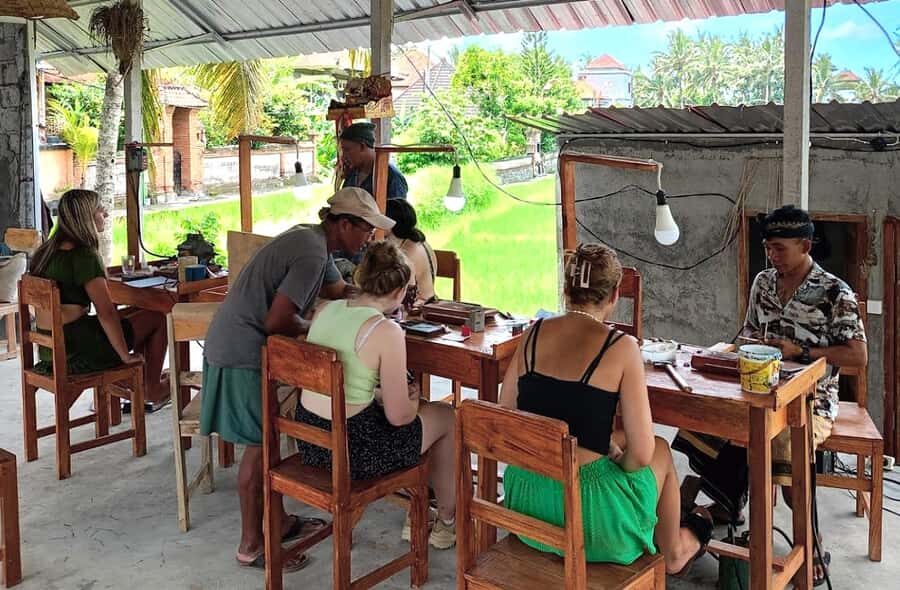
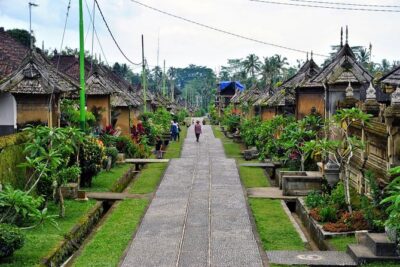
This is the kind of Ubud activity that starts with the setting. The meeting point is at Sok wayah silver class Ubud, in an area surrounded by green rice fields. The approach is part of the experience: expect to get there by foot for at least some of the last stretch.
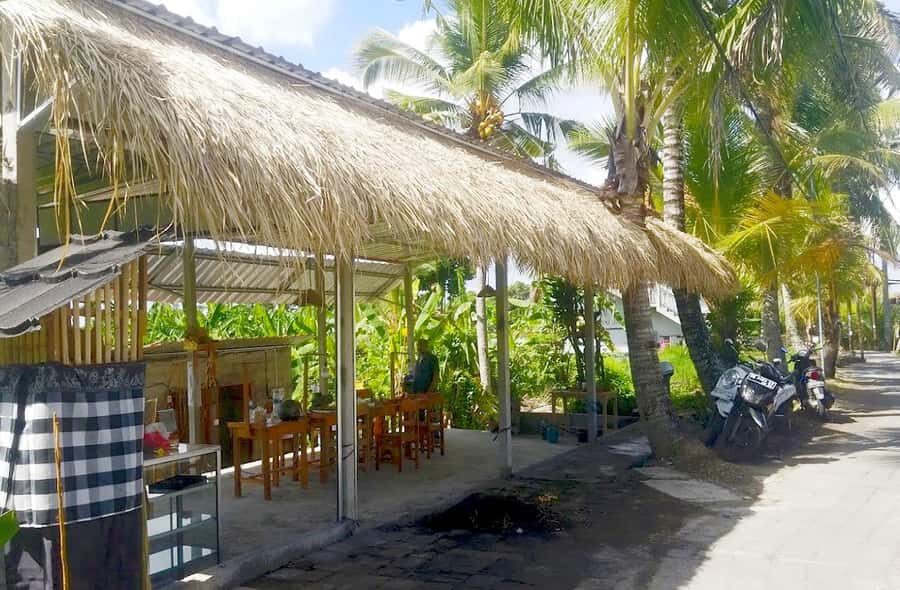
That detail matters. Your workshop location only allows scooters and walking, not car access right to the door. So come with comfortable shoes and wear clothes you don’t mind getting a little dusty. If you’re in sandals, I’d switch to closed-toe footwear—silver work is hands-on, and you’ll be moving around more than you expect.
The good news: the walk is usually straightforward, and once you arrive, the mood shifts into work-mode. You’ll check in, get your welcome drink, and then you’re straight into the process.
Price and Value: What $44 Buys Beyond the Craft
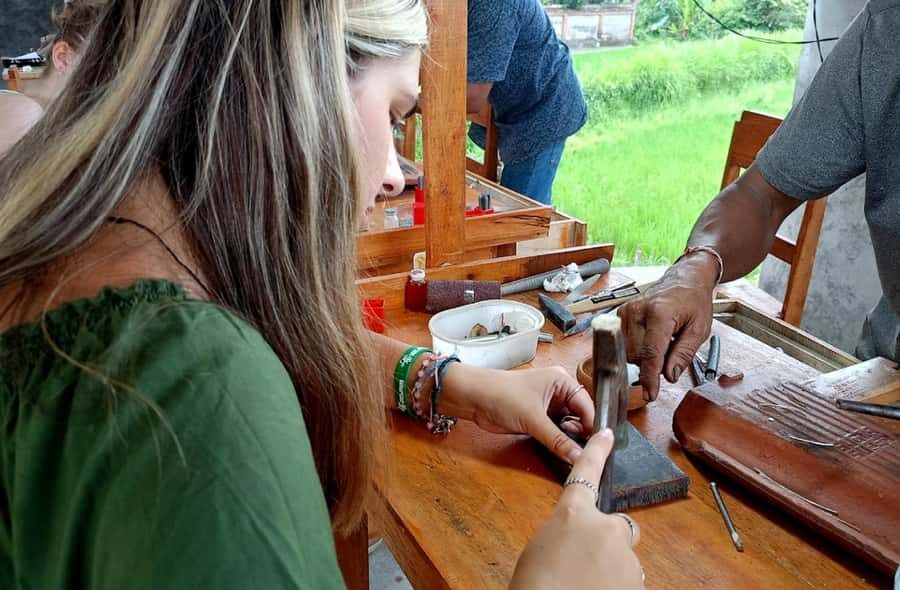
At $44 per person for about up to 2 hours, you’re not just paying for a souvenir. You’re paying for three practical things: instruction, tools, and silver metal.
Here’s what’s included:
- A hands-on jewelry-making session (up to 2 hours, depending on the design you choose)
- Up to 5 grams of high-quality silver per participant
- Guidance from an experienced Balinese silversmith
- Tools and required materials
- One handcrafted silver jewelry piece you take home
- A refreshing welcome drink on arrival
What you’re not getting included:
- Any silver use beyond 5 grams costs IDR 75,000 per gram on-site
- Extra designs beyond one per person cost extra
So the value equation is pretty clean: if you’re happy with one well-made item and you design within the included silver amount, you’re set. If you go wild and want multiple pieces or more metal, your budget can climb. Still, it’s not a surprise cost—it’s clearly priced, and it’s payable on-site.
You can also read our reviews of more tours and experiences in Sidemen Village.


Choosing Your Jewelry: Ring, Bracelet, or Pendant, With Real Personalization
This class works best when you show up with even a small idea of what you want. You’ll be able to choose the piece you’re making—typically a ring, bracelet, or pendant—and then customize it as you go.
Why this matters: when the design choice is yours, the time stops feeling like a generic activity. You’re making something shaped around your taste, not just following a fixed template.
A couple practical pointers from how the workshop is structured:
- The included session is designed around one design and one finished piece per person.
- Want more than one? You’ll likely pay extra, since creating more designs than included isn’t part of the base price.
- Time can vary. Some designs simply take longer to craft and finish, so the 2-hour duration is best viewed as an upper range.
If you’re traveling with friends, it can be fun to compare what everyone chooses. But be aware: the “one design” rule is per participant, not per group, so each person should plan their own piece.
How the Class Actually Feels: A Lively Room, Not a Museum Lesson
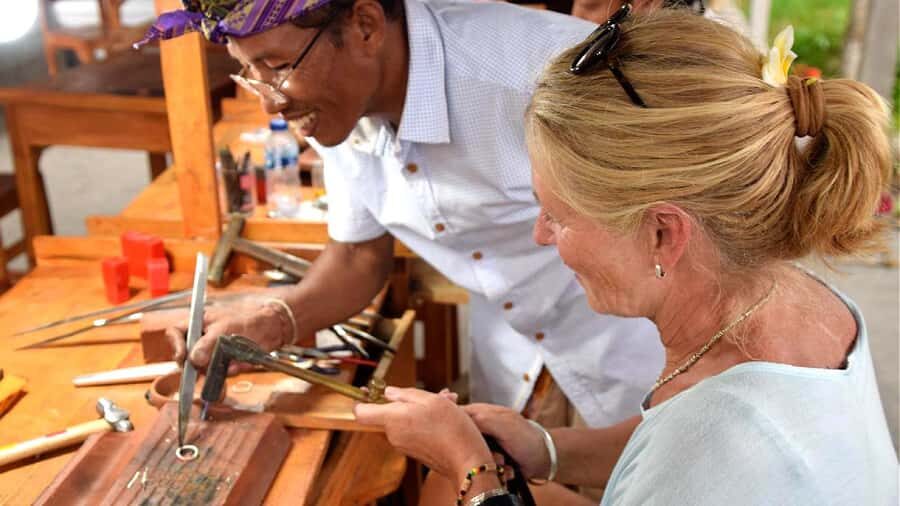
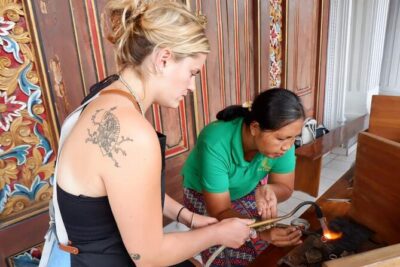
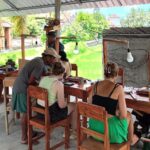
This isn’t a sit-and-watch class. It’s interactive, hands-on, and focused on what your hands are doing in real time. The environment is lively, and you’re encouraged to ask questions while you work.
You’re also learning in plain, practical language. The instructor teaches in English, and if you need extra support, translation apps can be used. So even if your Bali silver vocabulary is limited, you should be able to keep up with the process.
Group size is a private group, which usually helps in two ways:
- You’re more likely to get personal attention as you shape, adjust, and refine your piece.
- The pace stays comfortable instead of feeling rushed or overly crowded.
Balinese Silver Traditions: Why the Craft Matters
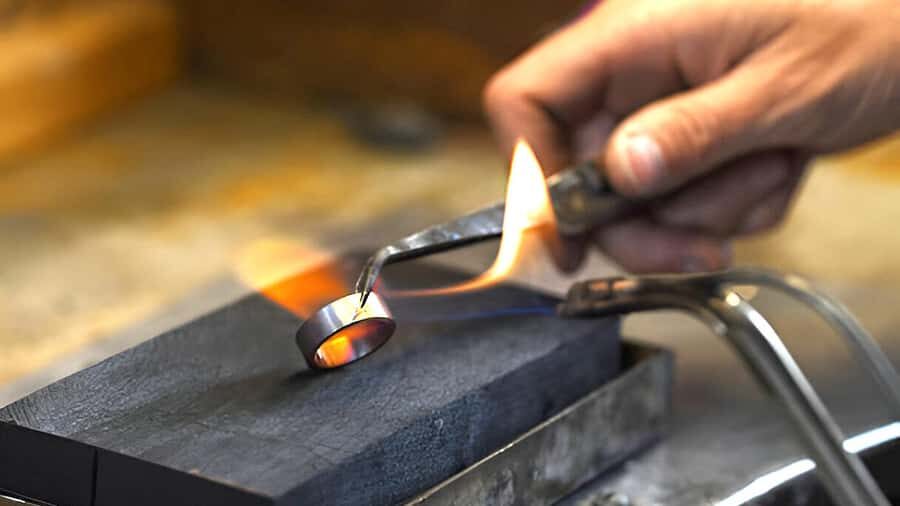
Silver jewelry in Bali isn’t just decoration. You’ll learn about the historical significance of silver jewelry in Balinese culture as part of the workshop.
What I like about this approach is that it gives meaning to the work. When you know why something is made, you pay closer attention to the details. You also understand why different techniques exist and why the final finish is so important.
This cultural context tends to stick because it’s paired with action. You’re not just told facts while watching a slideshow. Instead, the story supports what you’re learning at the workbench: how silver is handled, shaped, and finished into a wearable piece.
Even if you only remember one or two points, you’ll leave with more than a souvenir. You’ll have a better sense of why silver is so tied to Balinese identity and craft.
Step-by-Step Making: From Tools and Metal to a Wearable Keepsake
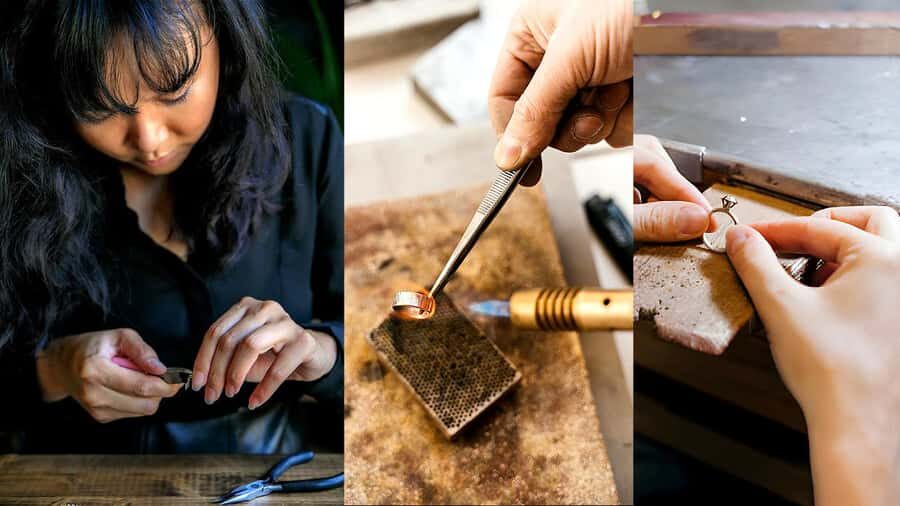
The workshop covers the full workflow you’d want in a “real skill” class:
- You arrive and get oriented (plus that welcome drink).
- You confirm your design and work plan with your instructor.
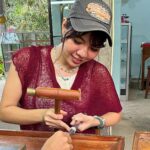
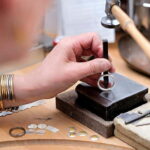
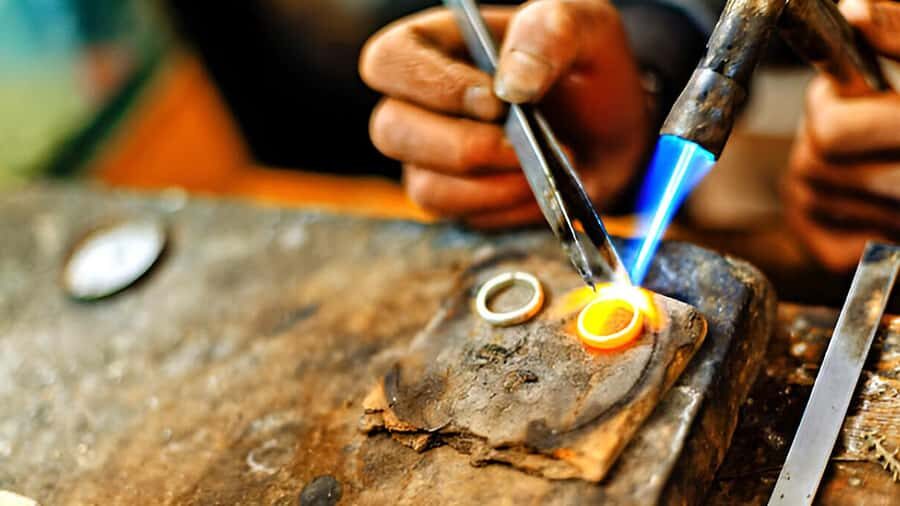
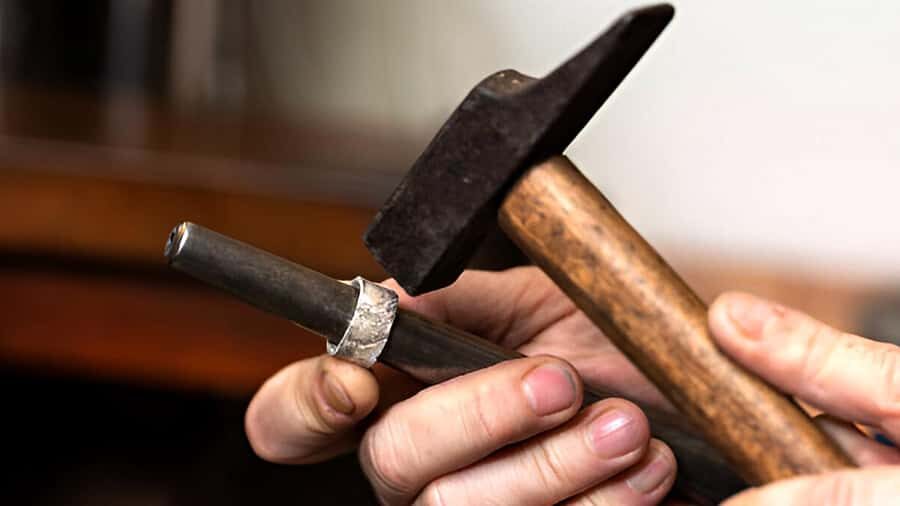
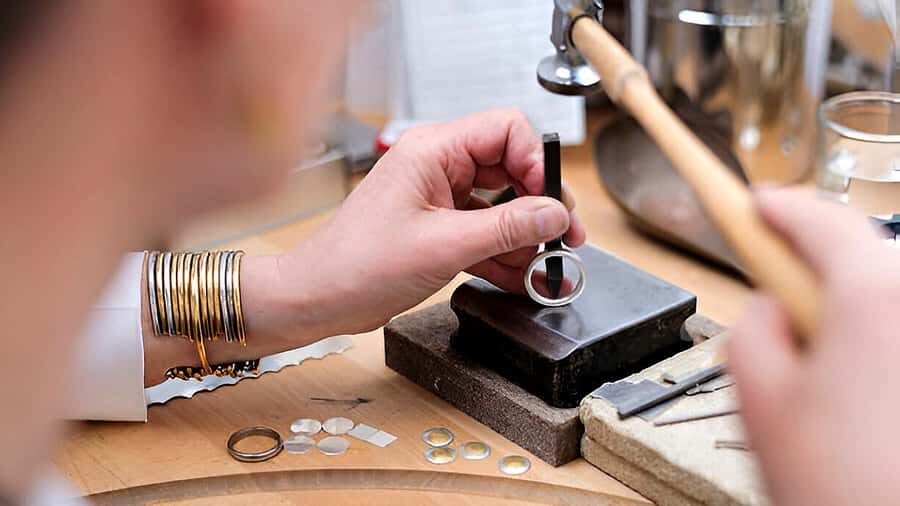
- You start shaping and crafting your piece using professional tools.
- You refine and finish it so it’s ready to take home.
- You leave with one finished silver jewelry piece created by you.
The nice part is the balance between creativity and structure. You get freedom to create something personal, but you’re also protected from the classic beginner problem: trying to figure out everything alone. A silversmith guides you through each step, so you can focus on learning the craft instead of struggling with technical uncertainty.
Also, the included silver amount—up to 5 grams—sets a boundary that’s useful. It keeps the experience manageable within the time frame and helps you commit to a design that’s doable. If you go beyond that amount, you’ll pay on-site, which is fair and transparent.

Logistics That Matter: Timing, Clothing, and One Design Per Person
Timing is straightforward: the workshop is about up to 2 hours, and the exact duration depends on the design you choose. Build in buffer time around your class. If you’re trying to catch a flight or a tight dinner reservation, schedule something flexible nearby.
On arrival, plan to be on time—arrive 15 minutes early. That window matters because you’ll want time to settle in, get your materials, and start without feeling rushed.
What to wear:
- Comfortable shoes (you’ll likely walk and stand)
- Comfortable clothes (you’re working with tools and silver materials)
If you’re traveling light, don’t forget you may be handling materials with your hands. A casual outfit is usually fine, but avoid anything you can’t move in.
One-design rule:
- You get one completed piece included.
- Additional designs or extra time mean extra charges.
That’s the trade-off with personalized making. It’s not a production-line class, so it needs boundaries to keep the experience high-quality.
Transportation and Where You’ll Find the Place in Ubud
Transportation to and from the meeting point isn’t included. That’s normal for small workshops, but it changes how you plan your day.
Because your last approach can involve walking and footpaths, it helps to:
- Put the meeting point into your navigation app and use the walking option for the final stretch.
- Expect that you might not be dropped at the exact doorway by a car.
If you’re staying in central Ubud, you’ll likely use a combination of rides and walking anyway. The workshop’s rice-field setting is part of why it feels peaceful, but it does mean you should plan for the journey there.
Who This Bali Silver Class Fits Best (and Who Might Be Disappointed)
This class is ideal if you want:
- A hands-on Bali experience that ends with something you can wear
- A beginner-friendly craft lesson with real guidance
- A calm, low-stress Ubud setting rather than a high-energy, tourist-rush activity
- An English-taught experience with clear support
You’ll probably feel most satisfied if you go in with one main design idea and you’re comfortable sticking to the included silver amount.
You might want to think twice if:
- You’re hoping to make multiple pieces in one sitting without extra charges
- You want lots of extra silver for a very heavy, complex design
- You hate walking a bit to reach the studio
That said, the workshop is designed for all skill levels. You don’t need prior jewelry experience.
Quick Review Takeaways: What Makes It Stand Out
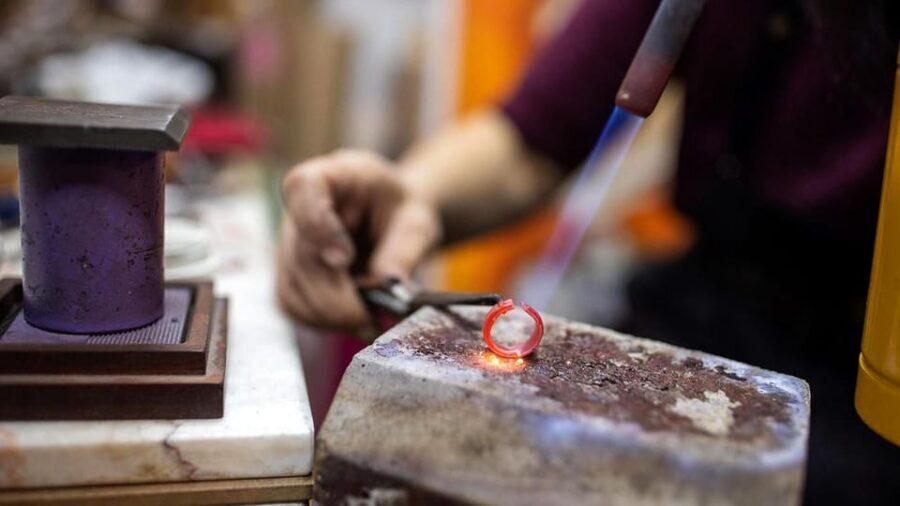
The best part of this Ubud class is how personal it feels. You’re not just completing a craft activity; you’re shaping your own jewelry with guidance. When people say the rings come out beautiful, that’s usually because the process is supported at the technical points where beginners typically struggle.
Another standout is the tone of the workshop: friendly, helpful, and interactive. It’s the kind of environment where you can ask questions without feeling like you’re slowing anyone down. And the rice-field setting helps you actually enjoy the session rather than treating it like a quick chore.
If you want a Bali souvenir that’s not mass-produced, this is a strong choice.
Should You Book This Ubud Silver Jewelry Class?
Book it if you want a meaningful, hands-on Bali craft experience in Ubud. The included structure makes it low-risk: you know up front you’ll get instruction, tools, and up to 5 grams of silver plus one finished piece to take home.
Don’t book it on a whim if you’re hoping for lots of extra designs or heavy metal usage. The on-site pricing for additional silver is clear, but it’s still an added cost—so it’s smart to design within the included amount.
One final thought: if you’re already planning Ubud days around culture and crafts, this fits nicely. It’s practical, interactive, and you leave with a wearable reminder that has a story attached to it.
FAQ
How long is the Bali silver jewelry making class in Ubud?
It runs up to 2 hours, depending on the jewelry design you select.
What’s the price per person?
The class costs $44 per person.
What’s included in the price?
You get up to 2 hours of hands-on instruction, up to 5 grams of silver per participant, materials and tools, guidance from a Balinese silversmith, one finished silver piece to take home, and a welcome drink.
Is there an extra cost if I use more than 5 grams of silver?
Yes. Any additional silver beyond 5 grams costs IDR 75,000 per gram, payable on-site.
Can I make more than one jewelry design in the same class?
You get one design included per participant. Creating more than one design may incur an extra charge.
What types of jewelry can I make?
You can create a piece such as a ring, bracelet, or pendant, depending on what you choose during the workshop.
Is transportation included to the meeting point?
No. Transportation to and from the meeting point is not included, and you’ll need to arrive on your own.
Is the instructor available in English?
Yes, the class instructor is English.
Do I need any prior experience?
No prior experience is required. The workshop is suitable for all skill levels.