Sidemen by bike feels like Bali slowed down. I like how this tour pairs Sidemen rice terraces with small cultural moments, so the ride feels more like a day out with locals than a checklist. You’ll get a live English guide, clear pacing, and plenty of photo stops along the way.
My second favorite part is the water and food break combo: Gembleng Waterfall for a reset, then a real coffee pause at a local warung. In the guides I saw named in the feedback, Kadek, Gede, Wayan, and Karik all sound focused on making stops understandable and doable, not rushed.
One thing to plan for: you’ll cycle mixed terrain with some gentle hills, and in rain the route can get slippery. If you’re not comfortable with that, or if you want an easy flat ride only, this might feel like more work than you expected.
In This Review
- Quick Highlights You’ll Actually Feel on the Day
- Sidemen Cycling: Why This Route Works for Most People
- Getting Started Near Side Wash Laundry Express
- The Bike Setup: Gears and Comfort Matter
- Sidemen Villages and Rice Terraces: The Best Part of the Ride
- Temple Stop and Balinese Customs You Can Sense Immediately
- Gembleng Waterfall: Swim, Photos, and a Mental Reset
- Arak-Making Demonstration: A Real Local Craft, Not a Sales Pitch
- Coffee Break at a Warung: Simple, Tasty, and Social
- Terrain, Pacing, and Rain: How to Think About the Effort
- Included Extras That Add Real Value
- What to Bring (And What You’ll Thank Yourself For)
- Should You Book This Sidemen Bike Tour?
- FAQ
- How long is the Sidemen cycling tour?
- How much does it cost per person?
- What’s included in the tour price?
- Where is the meeting point?
- What language is the tour guide?
- Is the tour suitable for kids?
- What fitness level do I need?
- What happens if it rains?
- Do I need to bring anything?
Quick Highlights You’ll Actually Feel on the Day
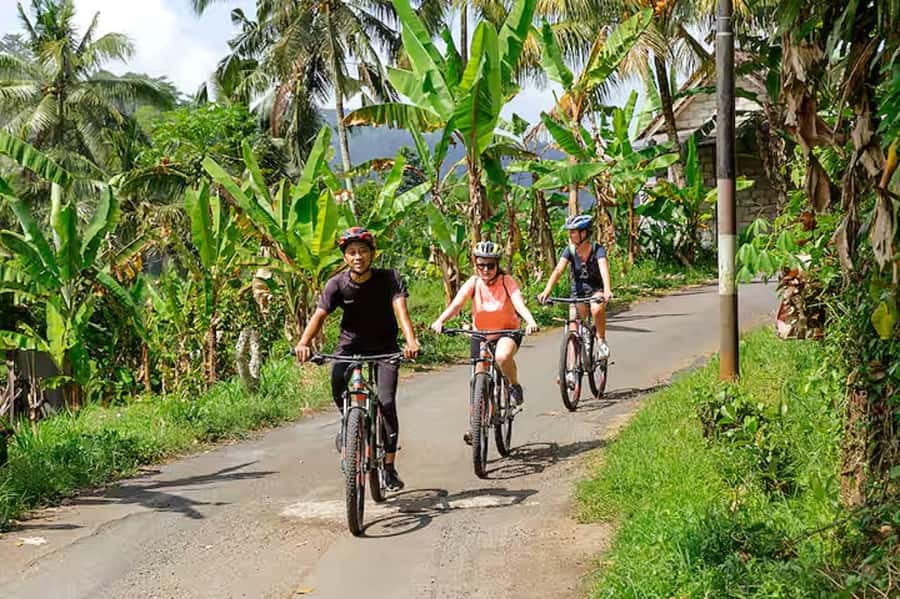
- Rice terraces + village paths: Pedal through Sidemen countryside with frequent stops for photos and context.
- Temple visit with local customs: Spiritual sites aren’t treated like a photo-op only.
- Gembleng Waterfall break: Time to relax, take pictures from the hill area, and even swim if you want.
- Arak-making demonstration: Learn the traditional process from local craftsmen, with a donation built in.
- Warung coffee break: A proper taste stop for Balinese coffee, plus tea and local snacks time.
- Guides who adjust pacing: Named guides (like Kadek, Gede, Wayan, and Karik) emphasize being helpful and responsive.
Sidemen Cycling: Why This Route Works for Most People
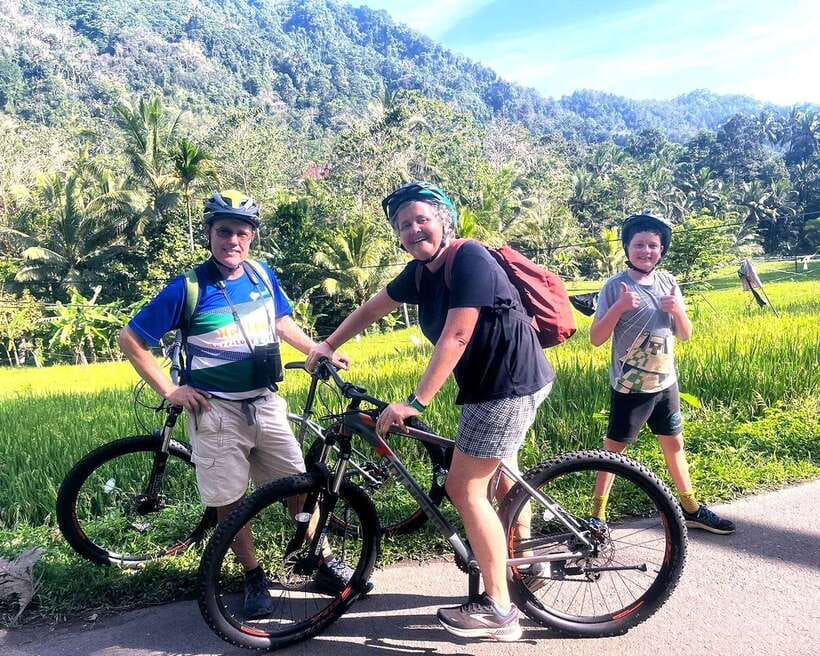
Sidemen sits in a part of Bali that feels slower and more lived-in than the more famous beach zones. This tour leans into that. Instead of long hours on a highway or a bus, you spend your time pedaling through rice fields and quiet village lanes, with culture woven into the ride.
What makes it work well is pacing and variety. You’re not stuck in one single kind of scenery. You’ll get flat stretches where you can settle in, then gentle hills that ask for a bit more effort. Your guide also builds in time for stopping, walking when needed, and taking photos without turning the day into a traffic jam.
At $36 per person for about 3–4 hours, it’s also a good value setup. You’re not just paying for a bicycle. You’re paying for a local English-speaking guide, safety support, and built-in stops like the waterfall and a traditional arak-making demonstration. That’s the kind of “one ticket, many moments” structure that saves you from having to plan everything yourself.
You can also read our reviews of more tours and experiences in Sidemen Village.
Getting Started Near Side Wash Laundry Express
Your meeting point is right next to Side Wash Laundry Express, and the guide team meets you there when the activity starts. There’s no transfer included, so plan to get yourself to the area on time.
This matters because cycling days run on timing. If you arrive late, you can end up rushing breaks, and you’ll miss some of the calm rhythm that makes the ride enjoyable. If you’re using a taxi or ride-hail app, I’d set your pickup location for Side Wash Laundry Express exactly, not “somewhere nearby.”
You’ll also want to arrive ready to move. The tour includes a safety briefing, and you’ll be fitted with a helmet and have safety gear provided. You’ll also get bottled water and a cold towel, which is genuinely useful in Bali heat, especially when you’re sweating on hills and then stopping for photos.
The Bike Setup: Gears and Comfort Matter
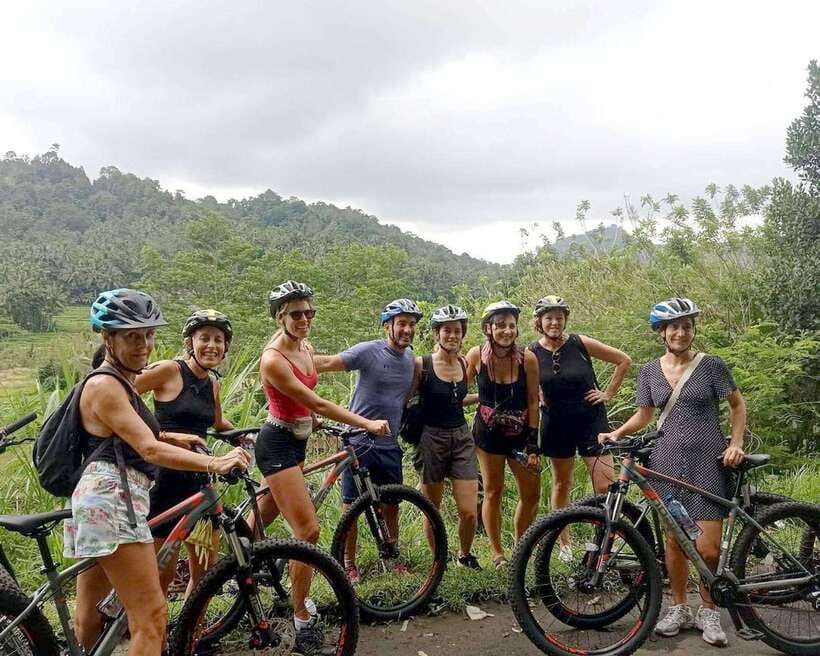
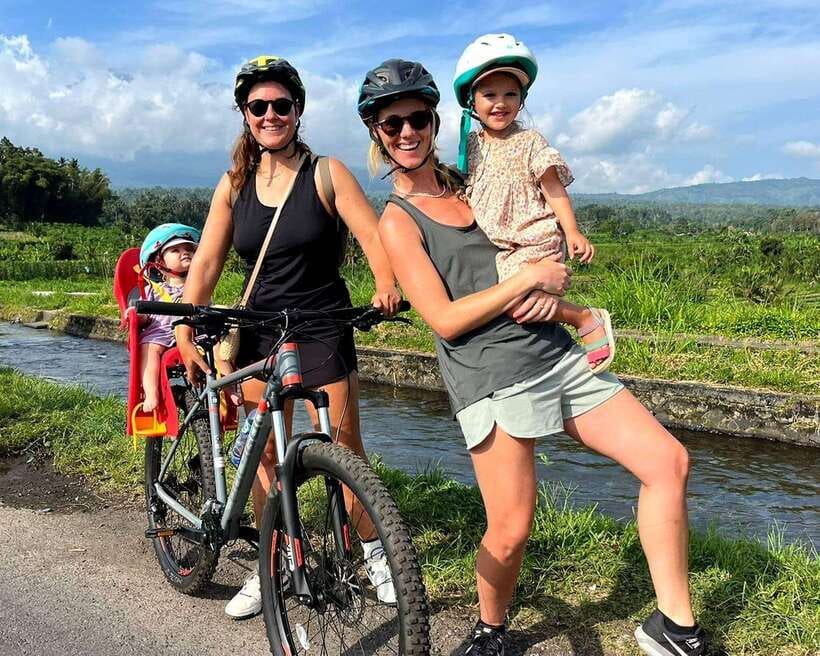
The tour uses a bicycle and helmet rental. One practical tip from the experience feedback: be ready to ride a bike with gears and handle the shifts comfortably. If you rarely ride geared bikes, spend a minute before you start testing how the gears feel.
The route is designed to be accessible for cyclists of all levels, but “all levels” here still means you’ll do some uphill and downhill. Even on gentle hills, you’ll be working your legs at times. If you have back problems, heart problems, or mobility limits, the operator lists the tour as not suitable, and I’d treat that seriously. Cycling with stops is still cycling.
Also check the weather expectations. The tour runs in most weather conditions, but rainy conditions can make uphill/downhill sections slippery. If rain shows up, you might be delayed or rescheduled to keep things safe.
Sidemen Villages and Rice Terraces: The Best Part of the Ride
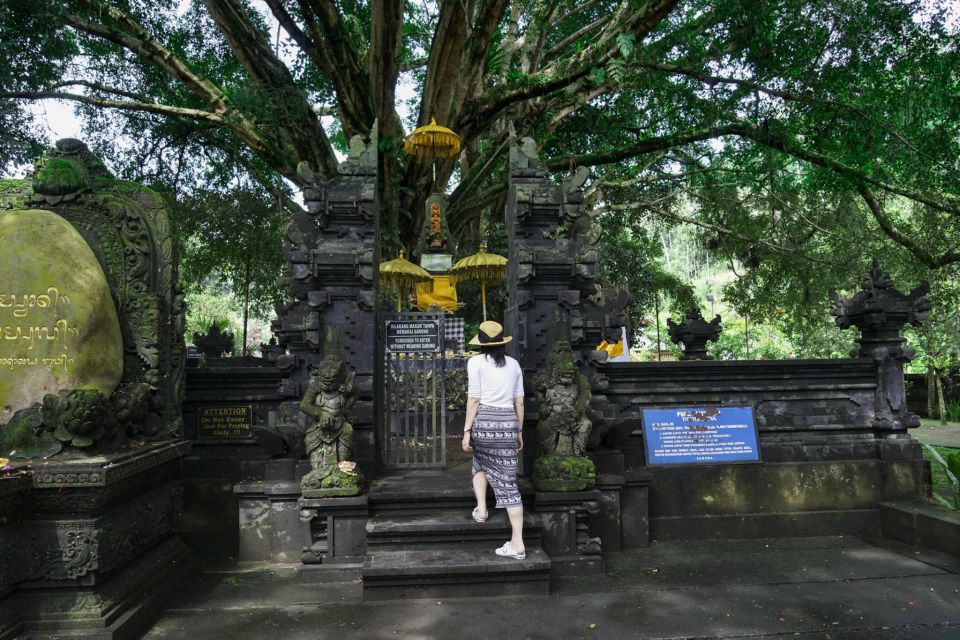
This is where the tour earns its keep. The ride through Sidemen countryside isn’t just scenery. It’s the backbone of the day.
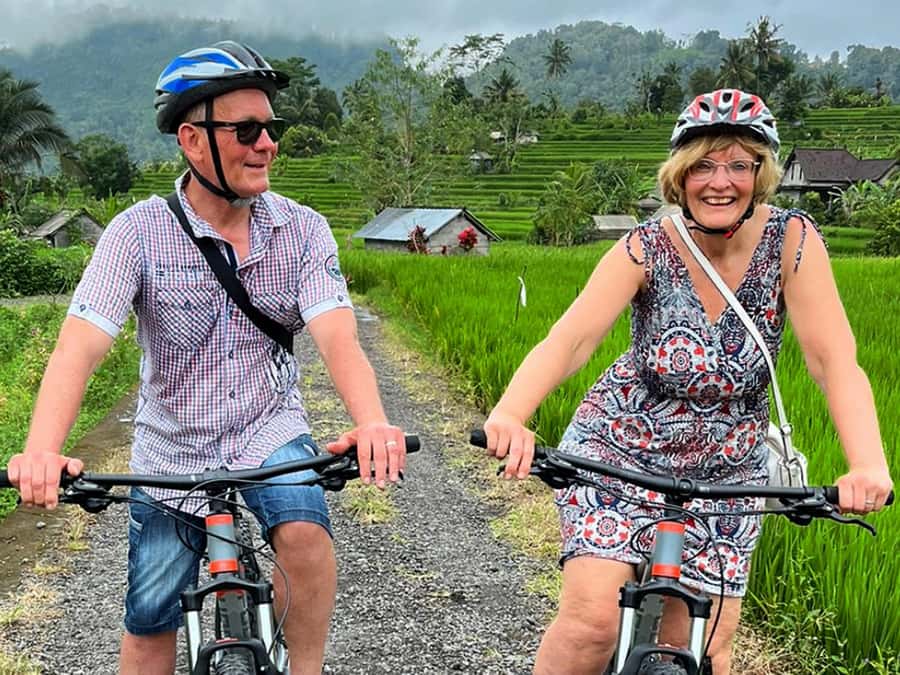
You’ll start with scenic riding through verdant rice fields and pass through charming village areas. Expect more than “drive by” views. The flow includes photo stops, guided explanations, and breaks that give you time to look around.
In Sidemen, the rice terraces and valleys are more than pretty. They reflect how people farm, move, and live with the landscape. You’ll see traditional farming practices in action, and those details help you understand why locals talk about food and water like everyday essentials, not abstract topics.
If you get the chance to ask questions, do it during the stop moments. These are the times when the guide can tailor explanations to what you’re noticing, rather than trying to talk over motion.
Temple Stop and Balinese Customs You Can Sense Immediately
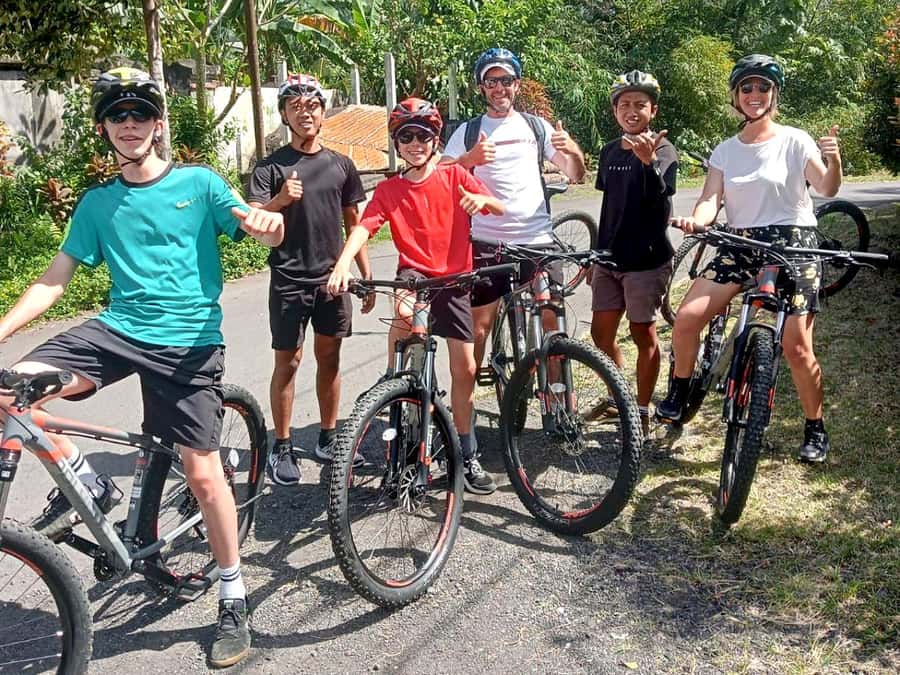
The tour includes a visit to a sacred temple as part of the cultural programming. You’ll have guided time to explore, and you’ll also learn about local customs tied to what you’re seeing.
This kind of stop matters because Bali religion is visible in daily life, not trapped behind museum glass. Even if you’re not a deep-studies history person, you’ll usually find the customs make more sense when someone explains what’s happening and why certain gestures or offerings show up.
Practical note: temples often involve rules about behavior and where you can go, and those rules vary by place. Your best move is to follow what your guide says during the visit. If you’re unsure, ask politely right away.
Gembleng Waterfall: Swim, Photos, and a Mental Reset
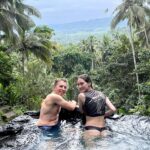
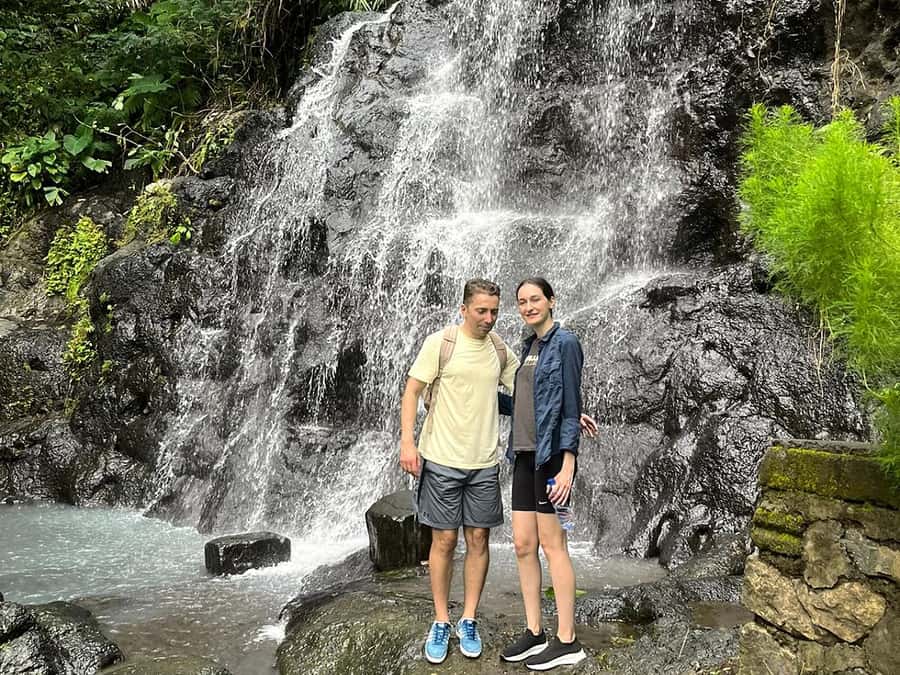
Then comes the refresh. Gembleng Waterfall is a highlight of the day, and you’ll visit it during the cycling route. The timing gives you a chance to cool off after time in the sun and on the pedals.
You can relax in the area, take photos, and choose whether to swim. The experience information specifically calls out swimming as an option, so you’ll likely have a window where water access is available and safe to do so.
What to do to make this part smoother: plan your photos while you still have energy and avoid rushing the swim decision. If you go in, remember you’ll need to dry off enough for cycling afterward. If you decide not to swim, you can still enjoy the viewpoints and spend time just watching how people move at the waterfall.
Arak-Making Demonstration: A Real Local Craft, Not a Sales Pitch
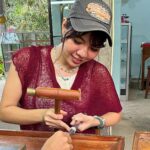
One of the most interesting parts of this tour is the donation arak-making demonstration from local craftsmen. Arak is a famous Balinese alcohol, and the point here is learning the process directly from the people who do it.
Even if you don’t drink alcohol, this stop can still be valuable. It gives you a window into how local makers use ingredients, timing, and tradition to create something that’s part of everyday culture. It also tends to feel more grounded than generic “watch a craft” stops because the focus is the technique and the makers themselves.
I’d treat the donation portion as part of the respect side of the visit. It’s not just a viewing experience. This is built to support the work.
Coffee Break at a Warung: Simple, Tasty, and Social
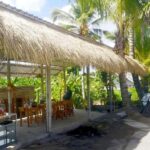
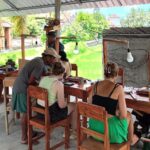
This tour includes a coffee break at a local warung, with coffee and also tea options. The idea isn’t fancy. It’s a pause that lets you reset before the next section.
Warungs are a great place to learn how locals actually socialize: quick talk, casual eating, and orders that feel normal rather than staged. If you like conversation, bring up something you noticed on the ride—rice farming, temple customs, or the arak demonstration. Your guide can translate or explain if you want.
In one experience account, Wayan even brought local Indonesian chocolate to try, and that’s the kind of small extra touch that makes a tour feel human. You might not get the exact same surprise every time, but the warung break itself is a guaranteed part of the experience.
Terrain, Pacing, and Rain: How to Think About the Effort
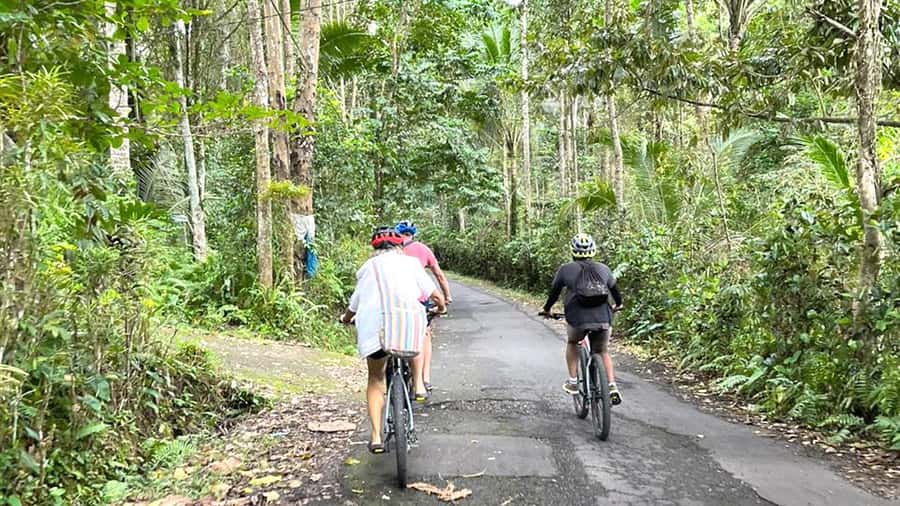
This is a 3–4 hour ride, and that time is spent actively. You’ll cycle over mixed terrain with some gentle hills, and there’s uphill and downhill. The operator also notes that in rainy weather, sections can become slippery and unsafe.
So here’s the decision logic I’d use when you’re planning:
- If you can handle short climbs and braking on hills, you’ll likely enjoy this.
- If rain is on the forecast, wear grippy shoes and be ready for a slower pace.
- If you have health limits (especially serious heart issues or significant mobility/back problems), skip it.
The good news: the route is designed to be accessible. Guides are also named in the feedback as being attentive, with pacing adjusted to comfort. Kadek is described as listening and making adjustments like stopping and walking through bigger climbs. Wayan is noted for letting you ride at a pace that feels comfortable and helping with communication when you want it.
Also, the day includes safety gear, a safety briefing, bottled water, and an emergency accident component. That’s the kind of practical support that matters on a biking day.
Included Extras That Add Real Value
For $36, you’re not just renting a bike. The tour includes:
- Professional local guide (English live guide)
- Bicycle and helmet rental
- Visit to Gembleng Waterfall
- Guided tour of traditional Balinese villages
- Donation arak-making demonstration
- Coffee break at a local warung
- Bottled water
- Safety gear
- Cold towel
- Emergency accident support
That “extra” list is where value lives. You’d likely pay more than $36 if you tried to hire a guide for temple access and then separately arrange transport to a waterfall and a specific arak demonstration.
What’s not included is also worth knowing. Personal expenses are on you, and there’s no pickup or drop-off transfer included. If you’re staying far from Sidemen, that means your time planning matters. You’ll want to budget time to reach the meeting point next to Side Wash Laundry Express.
What to Bring (And What You’ll Thank Yourself For)
Bring practical stuff for heat, sun, and surprise rain:
- Comfortable shoes
- Sunglasses
- Sun hat
- Camera
- Sunscreen
- Comfortable clothes
- Cash
Cash is mentioned for a reason: you may want snacks, small purchases, or items at stops like markets. Even if a stop is guided, local vendors are still local vendors.
If you plan to swim at Gembleng Waterfall, you might also want a quick-change plan (like a dry shirt in your bag). The tour includes cold towels, but you’ll still want to feel comfortable for the ride afterward.
Should You Book This Sidemen Bike Tour?
You should book if you want a Bali day that’s:
- Mostly active but not punishing (a short 3–4 hours, mixed terrain with gentle hills)
- Strong on real stops: rice areas, a sacred temple visit, Gembleng Waterfall, and an arak-making demonstration
- Guided with English explanations that help you understand what you’re seeing
- Good value at $36 with key items included (bike, helmet, coffee break, water, safety gear)
Skip it if:
- You need a fully flat ride, or rainy slippery conditions would be too risky for you
- You fall into the listed no-go categories like serious heart problems, significant mobility limits, back problems, or pregnancy
- You’re expecting a long-distance cycling challenge rather than a paced countryside experience
If you’re the kind of traveler who likes your days to include both motion and meaning—rice terraces, temple context, and a real craft story—this tour is a solid bet.
FAQ
How long is the Sidemen cycling tour?
The duration is listed as 3 to 4 hours, depending on the route and conditions.
How much does it cost per person?
The price is $36 per person.
What’s included in the tour price?
Included items are a professional local guide, bicycle and helmet rental, Gembleng Waterfall visit, guided village and temple time, donation arak-making demonstration, coffee break at a local warung, bottled water, safety gear, cold towel, and emergency accident support.
Where is the meeting point?
The guide meets you next to Side Wash Laundry Express. There is no transfer provided, so you’ll need to reach the meeting point yourself.
What language is the tour guide?
The live tour guide is available in English.
Is the tour suitable for kids?
Participants must be at least 10 years old. The tour is also listed as not suitable for children under 11, and children under 10 must be accompanied by an adult.
What fitness level do I need?
The tour involves cycling over mixed terrain with some gentle hills. You should be in good health and comfortable handling uphill/downhill sections.
What happens if it rains?
Tours operate in most weather conditions, but if rain makes the route slippery, the tour may be delayed or rescheduled for safety.
Do I need to bring anything?
You should bring comfortable shoes, sunglasses, a sun hat, a camera, sunscreen, comfortable clothes, and cash.