Sidemen rice paths feel like a secret pause. I love the Sidemen village life up close and the irrigation lessons you get as you walk, especially with guides like Juni and Kadek who explain what you’re actually seeing. It turns a simple hike into a real look at how Balinese farmers work with water day after day.
There is one catch: if the weather has been wet, expect muddy footing and slick spots near paths and water. I’d plan your shoes and pace for comfort, not speed.
In This Review
- Key things to know before you go
- Sidemen Rice Terraces: The Real Point of This Walk
- Meeting Point and the 2–7 Hour Rhythm
- Walking Sidemen Village First: How You’ll See Local Life
- The Rice Paddies Walk: Your View Changes as You Learn
- Following Water: Irrigation Systems and Why They Matter
- River Crossings and Mud: The Comfort Reality Check
- What You’ll Get From the Guide (Beyond Explanations)
- Price and Value: Is $17 Fair for Sidemen?
- What’s Included, What’s Not, and How to Plan Your Day
- What to Bring for a Smooth, Photo-Friendly Trek
- Who This Trek Suits Best (And Who Might Want Something Else)
- Should You Book the Sidemen Rice Terraces Trek?
- FAQ
- Where is the meeting point?
- If I’m staying in central Sidemen, can I start from my hotel?
- How long is the Sidemen rice terraces trek and village walk?
- What languages will the guide speak?
- Is this tour private or shared?
- What’s included in the price?
- What isn’t included?
- What should I bring?
- Is the tour suitable for wheelchair users or mobility impairments?
- Is free cancellation available, and can I reserve without paying now?
Key things to know before you go

- Guides make it practical: Juni and Kadek focus on rice farming, water flow, and daily community life
- You’ll walk village paths first: Sidemen isn’t just fields; you see how people live between them
- Irrigation is the real star: you’ll learn how water supports the terraces you’re photographing
- Muddy season happens: rain can mean softer ground and deeper puddles in low areas
- Small groups feel personal: private or small-group tours mean more time to ask questions and get photos
Sidemen Rice Terraces: The Real Point of This Walk
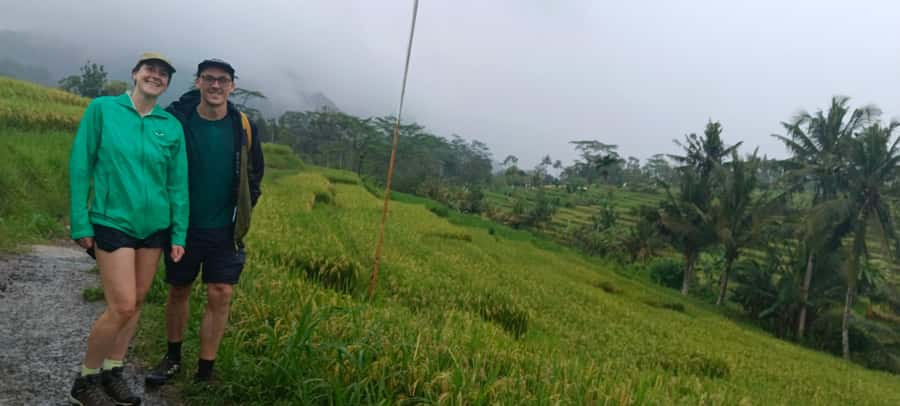
Sidemen has a way of slowing you down. The rice terraces aren’t just a pretty backdrop. On this guided walk, the point is to understand how the terraces work, how water gets shared, and how the surrounding village fits into that whole system.
I like that the tour stays human-scale. You’re not rushed from one view to the next like a checklist. Instead, you move through fields and village lanes at a steady pace, learning the logic behind what you’re seeing. That makes the scenery more meaningful, and your photos come out better because you know where to point the camera and why.
Two themes show up again and again in the way the experience is described: community life and water management. One guide might spend extra time translating the daily rhythm of farming. Another might help you notice the irrigation layout as you step along the paths. Either way, you come away understanding that rice growing here is a careful, ongoing relationship with water, not a random patchwork of green.
You can also read our reviews of more tours and experiences in Sidemen Village.
Meeting Point and the 2–7 Hour Rhythm
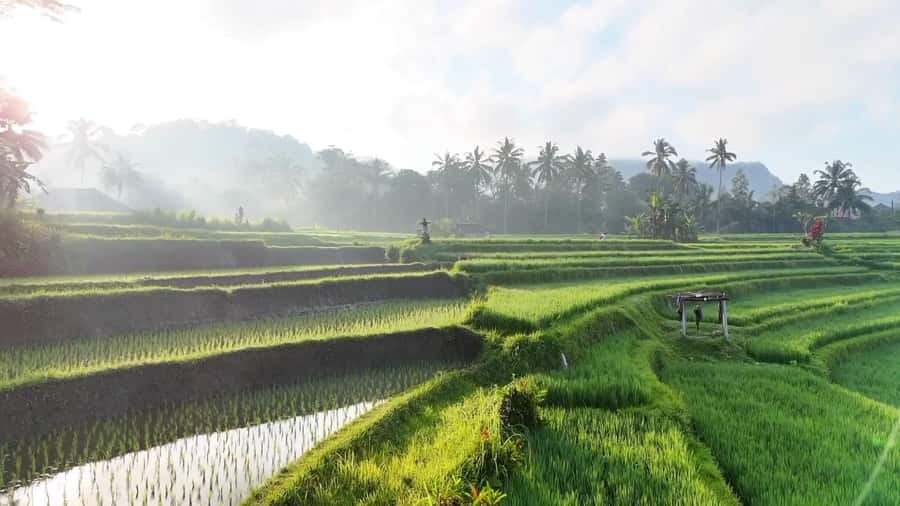
The tour starts at the front of Ming homestay at Tabola village. If you’re staying near the center of Sidemen, you can usually arrange to have the guide come to your hotel and start from there.
Timing is flexible. The activity is listed as 2 to 7 hours, depending on the starting time and how the day is paced. The itinerary also includes a safety briefing at a secret stop that takes about 2 hours, which tells you something important: the tour can feel more like a guided walk plan plus orientation than a fast “just walk and go home” trek.
Here’s the practical way to think about the schedule:
- Expect time at the start for route briefing, safety notes, and getting oriented
- Expect the walking portion to be spread out with stops for views and learning
- Build in time for slow moments, especially if it’s wet and you’re watching your step
If you’re the type who likes to know what’s happening minute-to-minute, message ahead and ask what time you’ll begin the main walking segment. The structure suggests the tour may start with more explanation before the real trail time.
Walking Sidemen Village First: How You’ll See Local Life
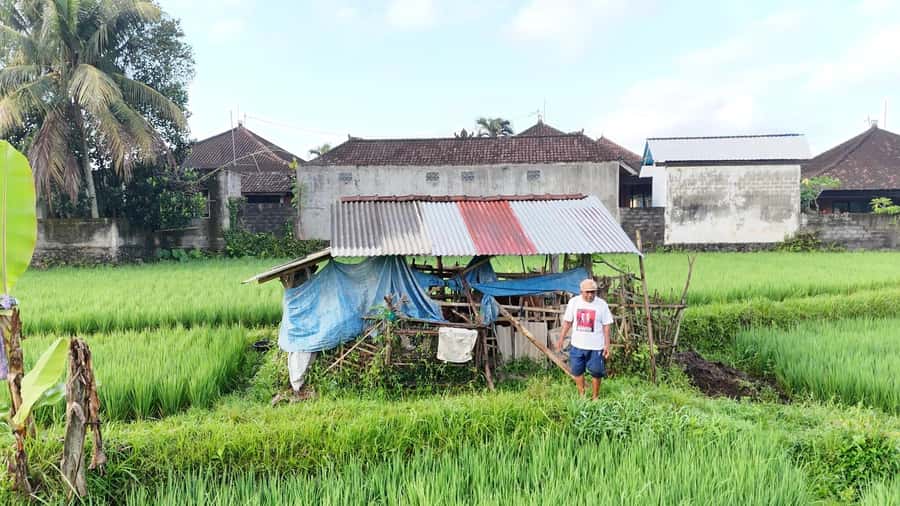
The Sidemen walk isn’t limited to rice paddies. You also pass through parts of the village area, where you get a sense of daily life without staged performances or contrived “tour stops.”
I find that this is where the experience becomes more than scenery. Rice terraces might be the headline, but the village context is what makes the terraces feel real. You’re seeing agriculture as a living system tied to homes, community routines, and local knowledge passed through generations.
What you’ll likely notice:
- The paths connect homes and fields, not just viewpoints
- The farming work is part of the background rhythm, not a special show
- You get chances to ask questions and learn the Balinese approach to agriculture and daily life
Some guides are also very photo-friendly. People describe guides offering to take pictures or helping with angles so you get something better than shaky phone shots while you’re standing in uneven ground.
The Rice Paddies Walk: Your View Changes as You Learn

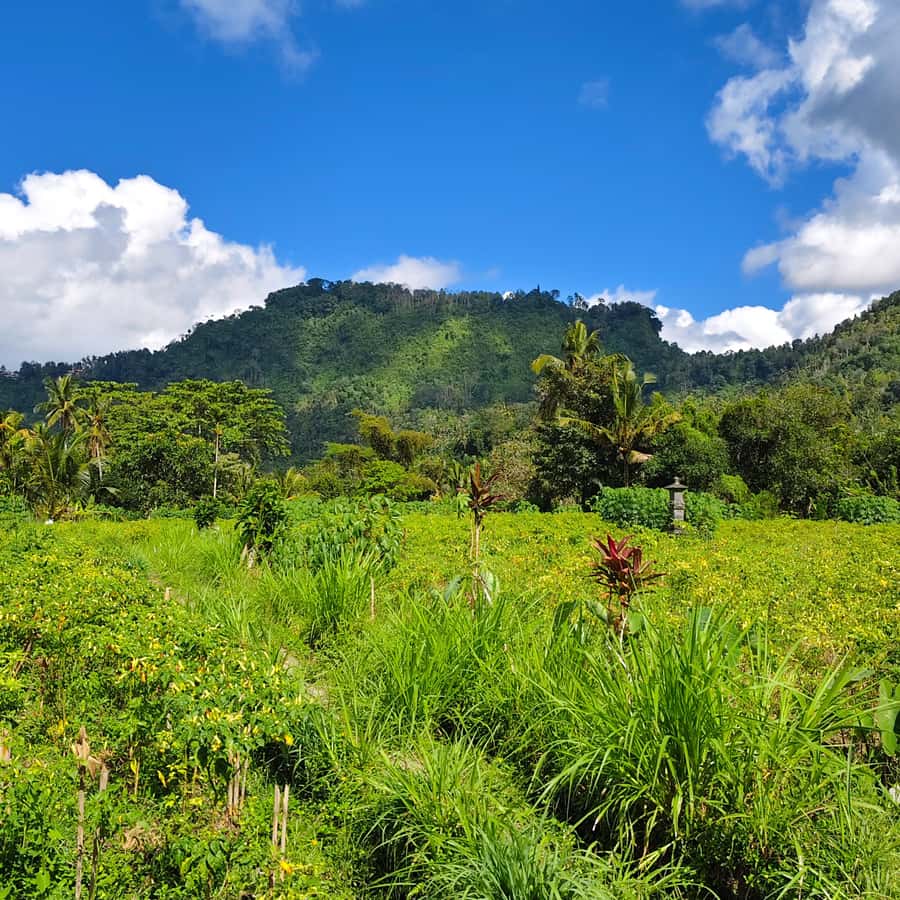
As you move through the terraces, the view stays beautiful, but the way you see it changes. Early on, it’s all about recognizing layers: water, banks, and different growing areas. As you learn more, you start to notice the patterns behind the greenery.
This is where the tour earns its keep. The guided explanation makes the paddies feel like a system instead of a static postcard. You’ll learn about local agriculture and the irrigation setup that keeps terraces working.
You can expect:
- Walkways that follow the edges of rice plots
- Moments with wide views over the terraces and surrounding area
- Quiet pauses where you can take photos and breathe
Because the tour is designed around learning, it’s not only about distance. It’s about giving you the mental map for what you’re looking at—so you feel like you’re understanding, not just walking.
Following Water: Irrigation Systems and Why They Matter
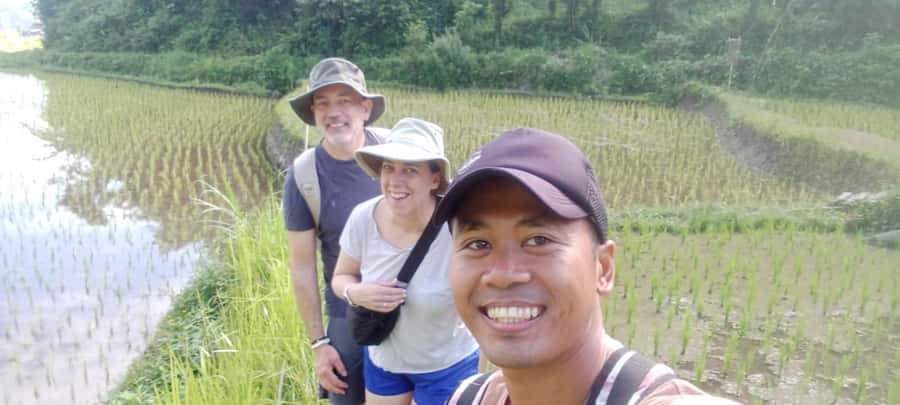
If you only care about views, this part might seem like extra talking. But irrigation is the backbone of why rice terraces exist in the first place.
Guides like Juni and Kadek often focus on how the water flow supports farming and how the system is managed locally. One of the best things you can do for yourself during the walk is to pay attention to where water appears along the path, and where it disappears. Over the course of the trek, those small observations start to connect into a bigger picture.
A practical tip: keep your camera ready, but also watch your feet. Irrigation lessons are most memorable when you’re actually near the features you’re learning about, not rushing past them for the next viewpoint.
You’ll likely also hear how the farmers work with seasonal conditions. In wet weather, you’ll feel that reality under your shoes.


River Crossings and Mud: The Comfort Reality Check
This is Bali, and sometimes it gets wet. The tour can include river crossings—at least some routes have featured two crossings for different visitors.
That means you should assume you might deal with:
- Softer ground after rain
- Slippery patches near water
- Deeper muddy spots than you’d expect
One person described a tough moment stepping into muddy water and falling up to their hips, and the guide responded by adjusting the plan early and offering help getting sorted afterward. That’s reassuring, but it doesn’t replace the simple advice: wear shoes that can handle mud.
What to bring to stay comfortable:
- Comfortable walking shoes with grip
- Light clothing you don’t mind getting dirty
- A hat and sunscreen
- Water to stay hydrated
- A camera for the views
Not allowed: smoking during the tour. Keep that in mind if you’re a smoker.
What You’ll Get From the Guide (Beyond Explanations)
The best part of a guide-led walk is not the facts—it’s how those facts get applied to what you’re doing in the moment.
From the experience descriptions, guides often bring:
- Clear explanations of rice and vegetable farming
- English support (and Indonesian too, if your guide is using both)
- A friendly way of keeping you comfortable during the walk
Some guides also show real flexibility. If you’re not feeling well, the tour can be adapted so you’re not pushed beyond your limits.
You’ll also get more out of the trip if you treat the guide like a translator for the place. Ask simple questions like:
- How does this water management work for rice?
- What are you looking at right now in the field?
- What part of farming here matters most day to day?
When you do that, the terraces stop being scenery and start being information you actually remember.
Price and Value: Is $17 Fair for Sidemen?
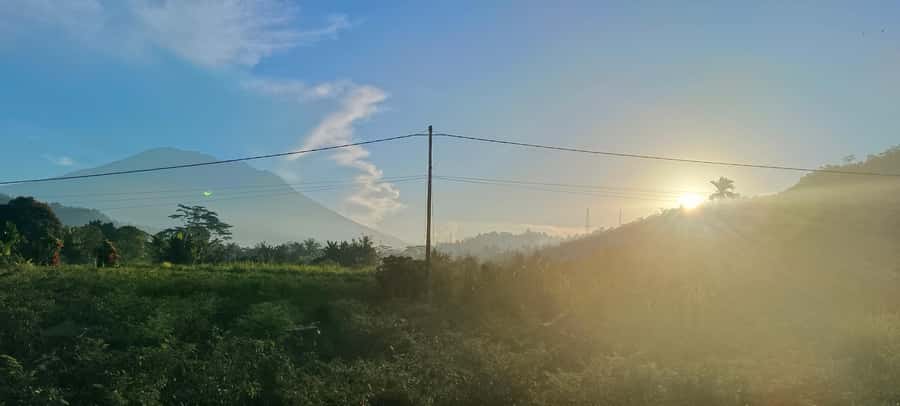
The listed price is $17 per person, with guided walking through Sidemen’s rice paddies and insight into local agriculture and irrigation systems. You also get time for photography with the scenic views.
Is that good value? In most cases, yes—because you’re paying for more than a stroll. You’re paying for:
- A local guide with language support (English and Indonesian)
- Learning time focused on irrigation and farming
- A structured walking experience with a defined return
One caution: some people note that pricing via certain booking channels can feel higher than what you might find through local options. I can’t tell you the exact best price for your dates, but I’d do two things:
- Check if you can arrange the same type of guided walk locally in Sidemen.
- If the price difference is small, choose the guide/tour that fits your comfort and timing better.
Also note what’s not included: transportation to and from Sidemen, and meals and drinks. That matters for value. If you’re already close to Sidemen and you’ll handle your own food, the $17 base can feel like a smart deal. If you need paid transport, factor that into your total day cost.
What’s Included, What’s Not, and How to Plan Your Day
Here’s the practical breakdown of what you can expect.
Included:
- Guided walking tour through Sidemen’s rice paddies
- Insight into local agriculture and irrigation systems
- Opportunity to see and photograph scenic rice field views
Not included:
- Transportation to and from Sidemen
- Meals and drinks
- Personal expenses
That means you should plan:
- Where you’ll eat before or after (especially since meals aren’t guaranteed)
- How you’ll get to the meeting point if hotel pickup isn’t arranged
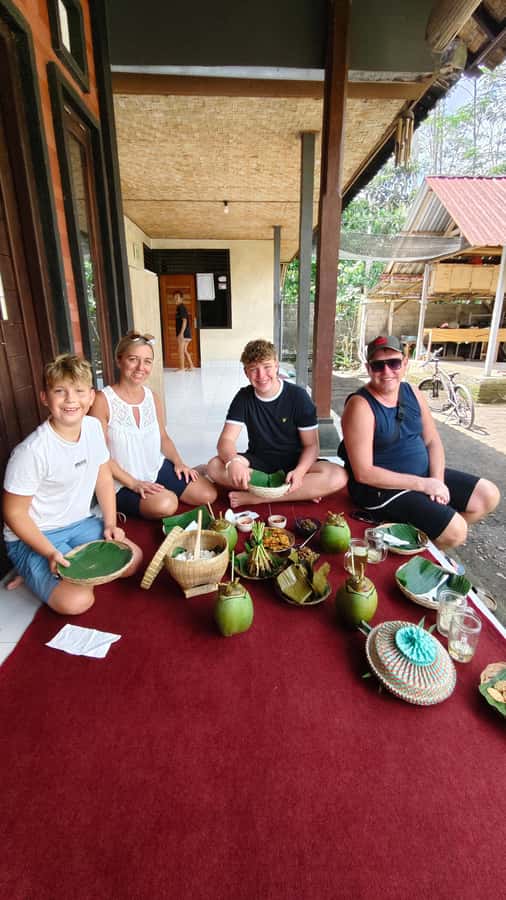
Some visitors mention a lunch option with certain guides, with meals prepared by the guide’s wife. If you want that, ask ahead of time. Don’t count on lunch being included just because you’re hungry.
What to Bring for a Smooth, Photo-Friendly Trek
This tour is simple, but the details matter.
Bring:
- Comfortable shoes
- Hat
- Camera
- Sunscreen
- Water
Avoid:
- Anything that slows you down on uneven ground
Also, keep your expectations realistic. Even if the views are wide and dramatic, the walk will include small paths, low spots, and ground that can change after rain.
A good strategy for photos:
- Take your hero shots when the path opens up
- Then put the camera away for a bit and focus on the guide’s irrigation explanations
- When you hear something specific, look around and align your shot with what you learned
That balance is what turns a good picture into a “this is what I came for” photo.
Who This Trek Suits Best (And Who Might Want Something Else)
This is a great match if you want:
- A guided look at rice farming and irrigation in Sidemen
- A calmer walk with time to learn and take photos
- A local village context, not just a viewpoint hunt
It’s not a great fit if you:
- Have mobility impairments or need wheelchair access (the tour is listed as not suitable for wheelchair users)
- Want a guaranteed dry, easy walk with no wet ground risk
If you’re fit and you’re willing to wear proper shoes, you’ll likely enjoy the walk even more in wet conditions—fewer crowds, more atmosphere, and a stronger sense of the real farming environment. Just plan for mud.
Should You Book the Sidemen Rice Terraces Trek?
Yes, you should book if you want an honest, grounded Bali experience where the rice terraces come with context. For $17, you’re getting a guided walk focused on how the system works—especially the irrigation and the village life that supports it.
Skip it or consider an alternative if:
- You need wheelchair-friendly access
- You can’t handle muddy footing or short water crossings
- You’re expecting meals included, or a purely “views only” hike
If you do book, send a message about your comfort level, footwear, and whether the route on your day is likely to be wet. Then show up ready to learn as you walk.
FAQ
Where is the meeting point?
You meet at the front of Ming homestay at Tabola village.
If I’m staying in central Sidemen, can I start from my hotel?
Yes. If you’re staying in the center of Sidemen, the guide can come to your hotel and you can start the tour from there.
How long is the Sidemen rice terraces trek and village walk?
The duration is listed as 2 to 7 hours, depending on the starting time and availability.
What languages will the guide speak?
The live tour guide is listed as Indonesian and English.
Is this tour private or shared?
Private or small groups are available.
What’s included in the price?
The guided walking tour through Sidemen’s rice paddies, insight into local agriculture and irrigation systems, and chances to see and photograph the rice field views are included.
What isn’t included?
Transportation to and from Sidemen, meals and drinks, and personal expenses are not included.
What should I bring?
Bring comfortable shoes, a hat, a camera, sunscreen, and water.
Is the tour suitable for wheelchair users or mobility impairments?
No. It’s listed as not suitable for people with mobility impairments and wheelchair users.
Is free cancellation available, and can I reserve without paying now?
Yes. Free cancellation is available up to 24 hours in advance for a full refund, and there is also reserve now & pay later listed.