A quiet reset in Ubud. This 4–6 hour Bali spiritual soul retreat pairs temple cleansing at Mengening Temple with hands-on offering-making and mantra meditation for a very practical take on spiritual healing.
One thing I like is how structured the day feels: three stops, each with a clear purpose, so you’re not just sitting around waiting. Another is that it’s designed for real participation, not a photo-only walk-through.
What I’d highlight for you is the chance to learn Canang Sari offering-making directly with locals, plus the “step-by-step” guidance around how ceremonies are done. I also like that the retreat includes essentials like a sarong/kamen for temple entry, water, and the key entry fees and shaman fee, so you’re not constantly trying to figure out what’s still missing.
The main drawback to consider is that spiritual practice can feel intense or personal. Also, double-check what you booked regarding tickets, because there can be optional choices that lead to additional payments if you picked an option that excludes some items—and lunch is not included.
In This Review
- Key highlights you’ll notice right away
- Why this Ubud cleansing day feels more personal than a typical tour
- Mengening Temple and the Melukat water-temple cleansing
- Tampak Siring house visit: learning Canang Sari the real way
- Batuan Village energy balancing with a shaman or healer
- Mantra healing practice and the Tridatu bracelet symbolism
- What the day feels like: pacing, private pickup, and real-world timing
- Price and value: what $79 covers, and where extra costs can sneak in
- Who should book this retreat, and who should skip it
- Should you book Bali Spiritual Soul Retreat Cleansing and Mantra Healing?
- FAQ
- Where is the retreat located?
- How long is the experience?
- Is hotel pickup and drop-off included?
- What ceremonies or activities are included during the day?
- What’s included in the price?
- Is lunch included?
- Can I cancel and get a full refund?
Key highlights you’ll notice right away
- Mengening Temple Melukat: a traditional water-temple cleansing ceremony meant to neutralize negative energy
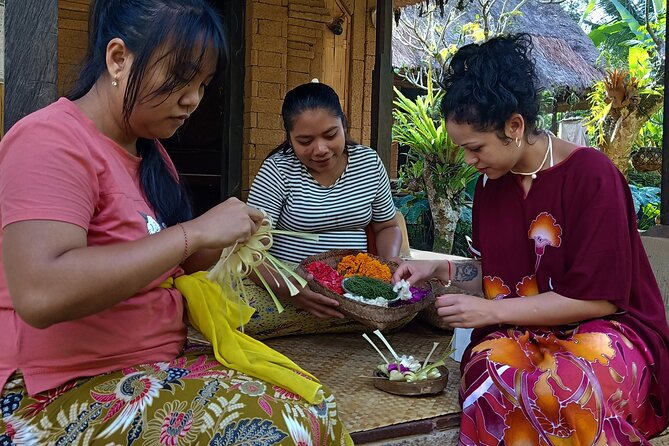
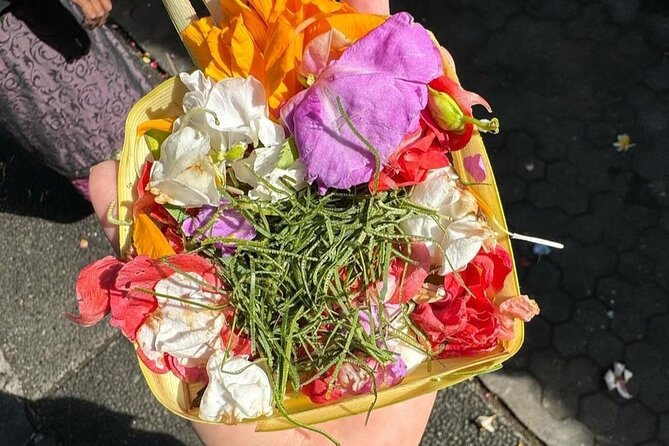
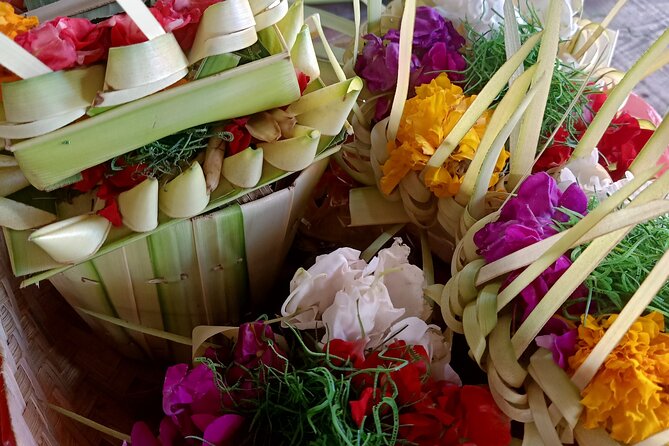
- Canang Sari hands-on making: you learn the flower arrangement and meaning while locals guide you
- Shaman/priest energy balancing: a direct ceremony with a local healer focused on chakra and aura strength
- Mantra healing practice: you learn a holy song to meditate during the temple portion
- Private group with pickup/drop: your day runs on your schedule in an AC car
Why this Ubud cleansing day feels more personal than a typical tour
This experience is built around the idea that stress isn’t just mental. It shows up in the body, the mood, and how you feel inside your “energy field,” which is where chakra language and aura talk come in. Whether you see it spiritually or you treat it as mindful ritual, the format helps you slow down and pay attention.
The day is also fairly gentle in logistics. You get private pickup and drop plus an AC car, which matters in Ubud when traffic and heat can turn a simple outing into a chore. Instead of losing time locating places, you can focus on the ceremonies.
Two things make it feel like a real experience, not a checklist: first, you’re making an offering yourself (Canang Sari is central to Balinese daily worship). Second, you’re not just watching a healer—you’re participating in the parts meant for visitors, including the mantra practice and the temple cleansing ritual.
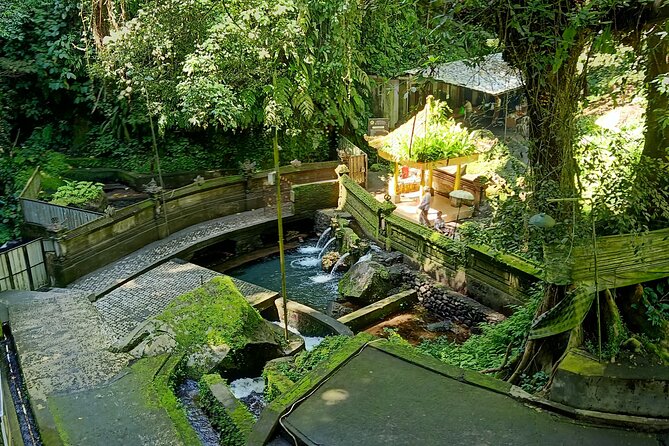
The tone is traditional and local. You’ll be taken to places where Balinese people actually do ceremonies, including the sacred spring context used for Melukat. That doesn’t mean everyone will have the same emotional reaction, but it does mean you’re not stuck in a staged version of culture.
You can also read our reviews of more tours and experiences in Ubud.


Mengening Temple and the Melukat water-temple cleansing
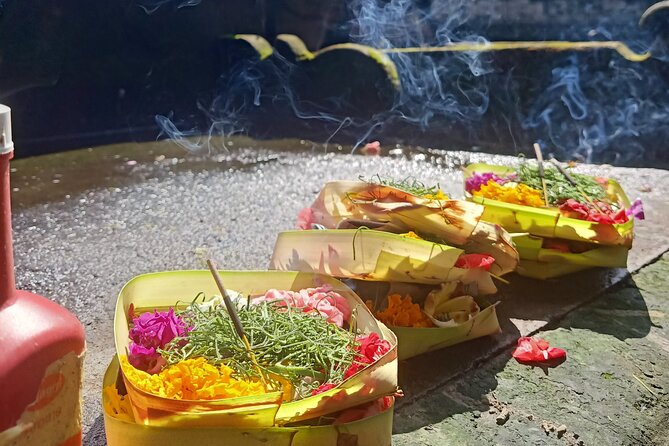
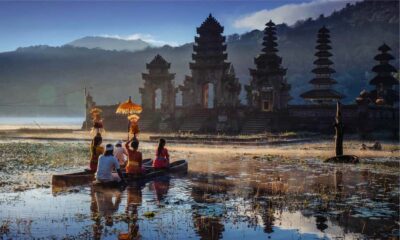
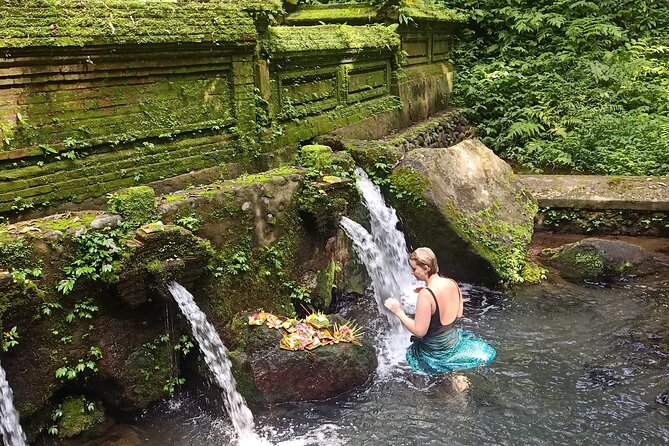
Stop one is Mengening Temple, described as a water temple for spiritual cleansing. In Balinese practice, Melukat is the traditional ceremony meant to cleanse and neutralize negative energy and shift it toward something more positive.
Practically, what you should expect is guided participation in a ritual setting that follows Balinese ceremony flow. The ceremony happens at the sacred spring area, so there’s a good chance you’ll be instructed to prepare for the cleansing element. Even if you keep a logical mindset, being present in a place designed for ritual changes your pace quickly.
This stop is also two hours long, which is important. Many “cultural tours” rush through a temple in 30 minutes and call it immersion. Here, you’re given enough time for the ceremony, reflection, and explanation so it doesn’t turn into a blur.
A quick consideration: temple ceremonies are rules-based. Dress and etiquette matter, and staff will guide you. The good news is that you get sarong/kamen for entrance, so you’re not scrambling for the right clothing right before you arrive.
If you’re someone who wants the spiritual part to feel grounded in something traditional (not just generic meditation talk), this first temple stop is the heart of the day.
Tampak Siring house visit: learning Canang Sari the real way
Stop two is Tampak Siring, where the focus shifts from temple space to everyday Balinese practice. You’ll visit a local house to understand how the local concept works and learn offering-making from basic materials, with help from locals.
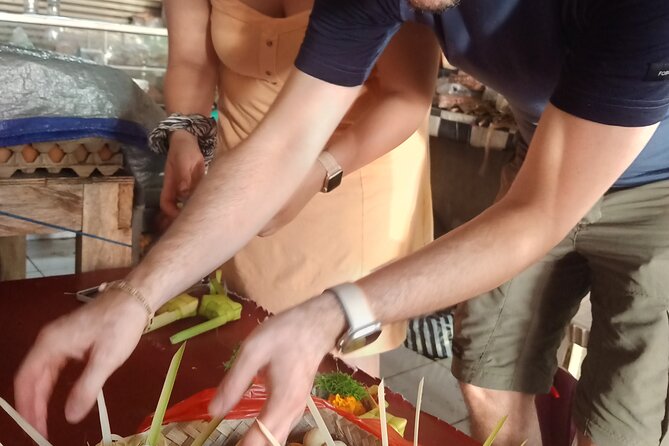
This is where the experience gets hands-on. You’ll join in the process of creating Canang Sari, which is a basic offering Balinese people use for ceremonies. You learn how to combine the flowers into a correct, meaningful arrangement rather than treating it like a craft.
Two practical benefits for you:
- You’ll understand the offering’s purpose before you see it used in ceremony.
- You’ll leave with a skill you can actually explain, not just photos of a temple moment.
This stop is also two hours, which helps. Offering-making is not instant. Getting it wrong doesn’t make you fail, but rushing can make it feel stressful. The time block means you can move at the pace of the person teaching you.
If you’re the type who likes cultural context, this house-visit stop is usually where it clicks. Temple rituals are powerful, but they become more meaningful when you know they’re part of daily life too.
Batuan Village energy balancing with a shaman or healer
Stop three takes you to Batuan Village for energy balancing with a local priest or shaman. The goal here is to balance your energy and help strengthen what they describe as aura energy.
This portion is described as treating by a local priest to balance your energy, influenced by emotional feels and chakra-aura ideas. In plain terms, you’re stepping into a more direct healing-style ceremony rather than the offering or temple-education parts of the day.
What I appreciate for your decision-making: the itinerary doesn’t pretend there’s a single universal meaning. Instead, it gives you a specific kind of session—healer interaction—where the expectation is spiritual balancing rather than storytelling.
You’ll have about two hours here, which gives time for the healer to work with you and for you to settle into the experience. If you’re curious but nervous about being “on display,” a private group format helps a lot. You’re not forced into a large crowd atmosphere.
One more consideration: healing and energy work can feel personal. If you’re carrying a lot of stress, this kind of ceremony can amplify emotions. That might be exactly what you want, but it’s worth knowing if you prefer more neutral, observational travel.
Mantra healing practice and the Tridatu bracelet symbolism
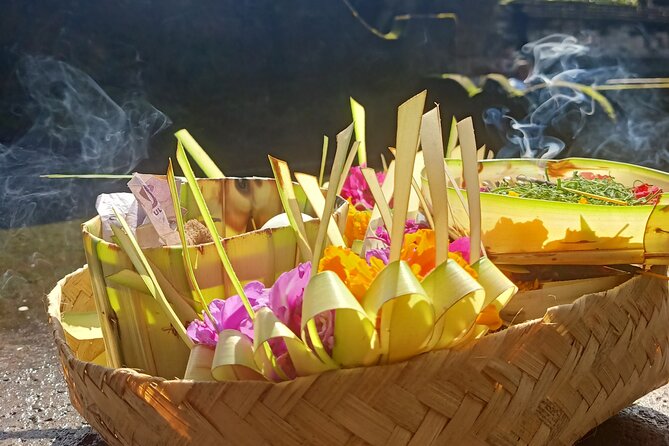
One of the most interesting parts of this retreat is how it blends learning with participation. You’re not just taught about ritual—you learn mantra as a holy song to meditate at the temple.
Mantras here aren’t presented as a background concept. The idea is that you use the song to help you meditate during the temple portion. Even if you don’t consider yourself spiritual, repeating a sound in a ritual setting can be a surprisingly effective way to slow your thoughts down.
You’ll also hear about the Bali Tridatu bracelet, described as a symbol of three concepts: fire, air, and water elements. Even without extra “receiving” details, the symbolism matters because it ties back to Balinese worldview—elements, balance, and the idea that energy is influenced by both your inner state and the natural world.
For you, that means the retreat isn’t only about one ceremony. It’s about giving meaning to what you’re doing and what you’re being asked to pay attention to.


What the day feels like: pacing, private pickup, and real-world timing
The total experience runs 4 to 6 hours and is broken into three main blocks of about two hours each. In practice, you’ll likely land closer to the longer end if the team allows for explanation time, transitions, and the full temple flow.
Because it’s private, the day won’t feel like a bus tour with passengers drifting in and out. Your group does the stops together, and the driver/guide support keeps you moving without constant regrouping.
The transport setup also helps your comfort. You get an AC car, bottle water, and pickup and drop hotels. That combination sounds basic, but in Ubud heat and traffic, it protects the experience from turning into fatigue.
If your driver also shares background (one driver named Gusty was praised for explaining rituals and the people of Bali), it can add value fast. Even without that extra context, you’ll have plenty of direct explanation built into the ceremony stops.
A couple practical notes:
- Plan for no lunch. If you’ll get hungry after two temple segments, bring money so you can eat afterward.
- Wear something comfortable enough for a temple setting and be ready to follow instructions on how you handle sarong/kamen.
Price and value: what $79 covers, and where extra costs can sneak in
At $79 per person, the value depends on what’s included in your exact booking choice. In the “included” list, the retreat covers a lot of the things that usually add up on Bali spiritual days: private hotel pickup/drop, bottle water, offering/Canang, sarong/kamen, AC car, entry fees, and the shaman fee.
That matters because temple tickets and ceremony fees are often the part tourists don’t price correctly. Here, you’re paying for the spiritual activities and the access to the spaces where they happen, not just for transportation.
Still, there’s one caution worth taking seriously: if you choose an option that lists some tickets as excluded, you may end up paying extra onsite for those missing pieces. The provided information specifically flags that fee extras can occur depending on the ticket option chosen.
So my advice is simple:
- Confirm that entry fees are included in your booked option.
- If you’re offered an excluded-ticket alternative, treat it as a cost you might need to cover later.
If you get the full package, this is a strong deal for a three-stop, ceremony-focused day in Ubud, especially with private pickup and drops built in.
Who should book this retreat, and who should skip it
This is a good fit if you want spiritual practice tied to real Balinese ritual. You’ll be learning Canang Sari offering-making with locals and participating in temple cleansing and mantra meditation. It’s also a good option if you like structured time blocks, since the day is organized into distinct stops.
It’s less ideal if you want a purely secular cultural tour with zero spiritual content. The entire day is built around healing and ceremonies like Melukat, shaman/priest balancing, and mantra practice.
It can also be the wrong match if you’re highly time-focused and hate non-standard experiences. Temple ceremonies and healing rituals aren’t like ticking off museums. They can be quiet, emotional, and slower than normal sightseeing—by design.
Should you book Bali Spiritual Soul Retreat Cleansing and Mantra Healing?
I think you should book this retreat if you want a Ubud day that’s hands-on and ritual-based, with pickup/drop and key ceremony costs already handled. The standout reasons are Mengening Temple’s Melukat cleansing plus the Canang Sari you make with locals. Those two pieces connect your day to living Balinese practice, not just tourism.
Skip it if you dislike energy-healing themes, want a quick photo-focused route, or you’re the type who gets frustrated by any extra onsite payments. Also, remember there’s no lunch included, so plan for food after the last stop.
If you’re open-minded and respectful, this is the kind of experience that can leave you feeling lighter—whether that comes from the spiritual meaning, the slow pace, or just getting out of your usual travel headspace.
FAQ
Where is the retreat located?
It takes place in Ubud, Indonesia.
How long is the experience?
The duration is about 4 to 6 hours.
Is hotel pickup and drop-off included?
Yes. Private pickup and drop hotels are included, and you travel by AC car.
What ceremonies or activities are included during the day?
You’ll visit Mengening Temple for the Melukat cleansing ceremony, learn to make Canang Sari at Tampak Siring, and have energy balancing treatment with a local priest or shaman in Batuan Village, plus mantra learning for meditation.
What’s included in the price?
Included items are: bottle water, offering/Canang, sarong/kamen for temple entrance, AC car, entry fees, and the shaman fee.
Is lunch included?
No. Lunch is not included.
Can I cancel and get a full refund?
Yes, you can cancel for a full refund if you cancel at least 24 hours before the experience start time.