Sea turtles, education, and market time in one trip.
This Bali experience pairs an eco-focused Turtle Conservation and Education Centre with Pasar Badung in Denpasar, so you get both conservation and everyday local life in a single 6-hour window. I like that the centre is a true rescue and education site, not a performance, and I also like how the visit uses your ticketed time to support ongoing work that helps stop the turtle population in Serangan from dropping. The main drawback is simple: the market stop can feel hot, especially in mid-winter, and drinks aren’t included.
The tour runs as a private group with hotel pickup/drop-off, and that matters more than you might think on Bali. In past trips, guides such as Adi and Agusto have been praised for good English, punctual pickups, and keeping the ride informative, which helps if you care about understanding what you’re seeing (not just checking boxes). Keep in mind it’s not suitable for people with mobility impairments or wheelchair users, so if that’s you, you’ll want to choose a different style of outing.
In This Review
- Key highlights you’ll actually care about
- Turtle Conservation and Education Centre: more than a nice photo
- What you can expect at the centre: rescue turtles, volunteers, and kid-friendly learning
- Denpasar photo stop: an easy reset before the market
- Pasar Badung in Denpasar: how to enjoy the market without losing your cool
- Heat and comfort: the one issue to plan for
- Souvenirs and oleh-oleh: what to buy (and how not to overspend)
- Price and what you’re really getting for $58 (private group)
- Logistics that affect your comfort: timing, pickup zones, and what to wear
- Pickup areas
- What to bring
- What not to plan on
- Making the schedule work: a simple game plan
- Who this Bali turtle-and-market tour suits best
- Should you book this tour?
- FAQ
- What is the duration of the Bali Turtle Conservation and Education tour with a local market stop?
- How much does the tour cost, and is it for a group or an individual?
- What’s included in the price?
- Are entrance fees, meals, or drinks included?
- What should I bring?
- Is the tour suitable for wheelchair users or people with mobility impairments?
Key highlights you’ll actually care about
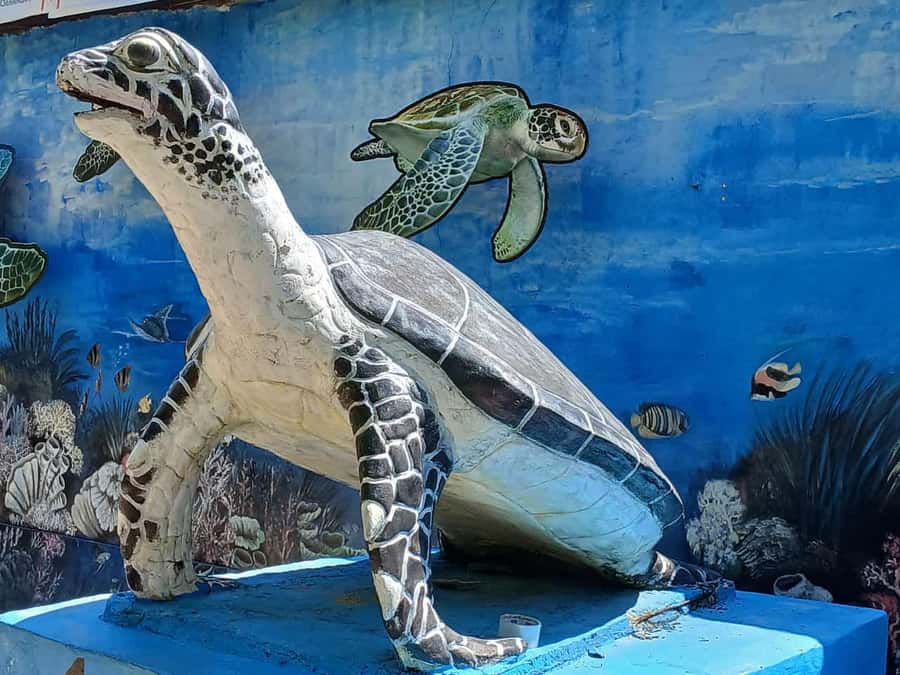
- Rescue-centre visit with a clear mission: opened in 2006 and uses tourism to fund conservation
- Up-close turtle time with education: you learn why turtle products are a problem, and kids often enjoy the hands-on feel
- Denpasar intro before shopping: a short photo stop and sightseeing time helps you get oriented
- Pasar Badung is a real, multi-level market: Denpasar’s large, 4-story market near Jalan Gajah Mada and the Badung River
- Easy souvenirs + snacks: time for strolling, street food, and finding oleh oleh khas Bali
- If heat is a deal-breaker, talk to your guide: some guides have swapped stops when requested
Turtle Conservation and Education Centre: more than a nice photo
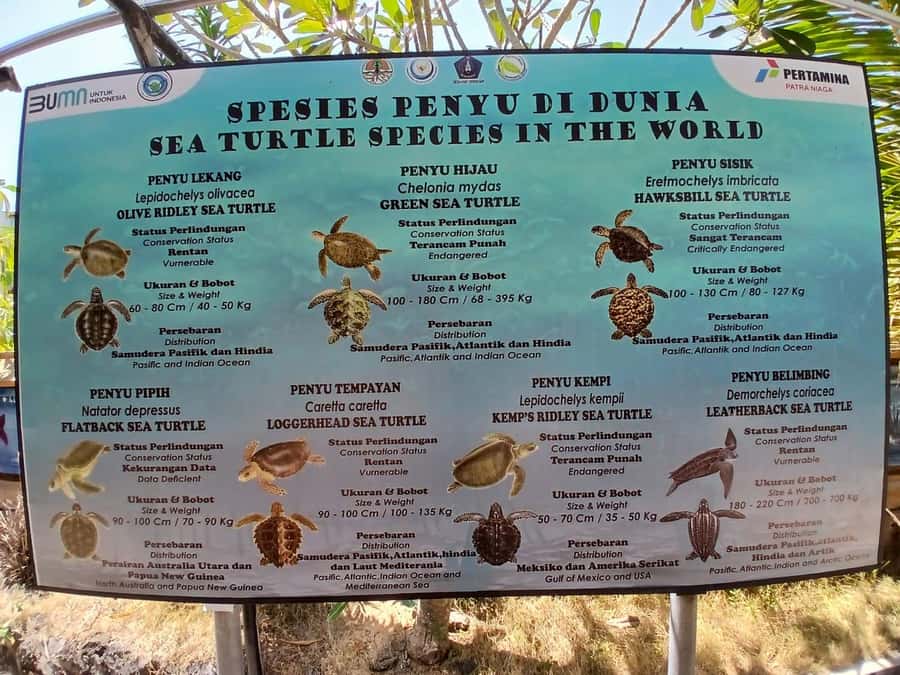
Most wildlife encounters are one of two things: either you watch animals from far away, or you feel like you’re supporting something you’d rather not. This one lands closer to the better side because the centre is explicitly a rescue and education facility, and the message is practical—don’t consume turtle products.
The centre’s work is focused on the reality around Serangan. Bali used to be a haven for sea turtles, but conditions have worsened. With egg hunting and illegal turtle selling increasing, the turtle population has dropped, and the centre’s goal is to slow that decline. What I like is that the story isn’t vague or preachy; it connects your visit to the bigger conservation loop, because tourism funding helps keep their efforts going.
You can also read our reviews of more tours and experiences in Denpasar.
What you can expect at the centre: rescue turtles, volunteers, and kid-friendly learning
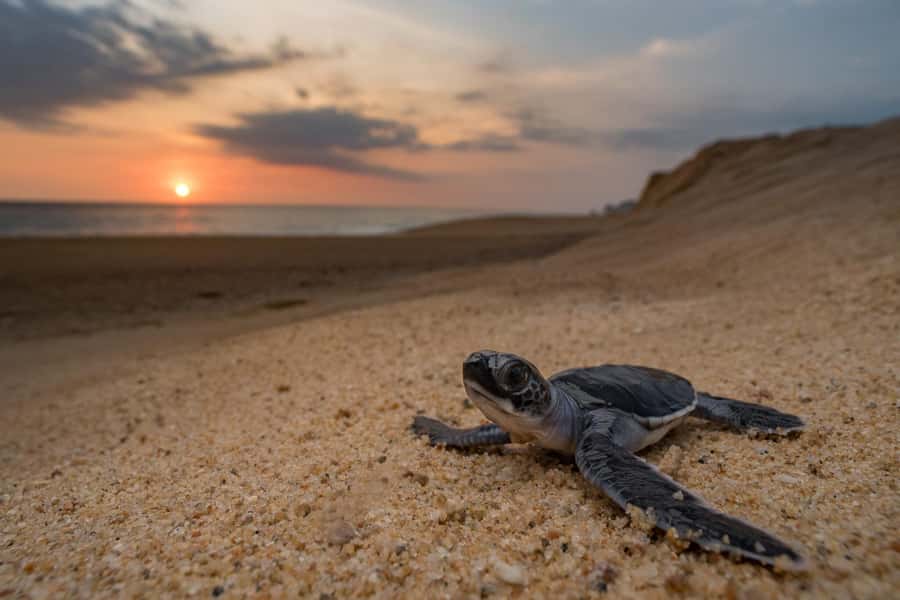
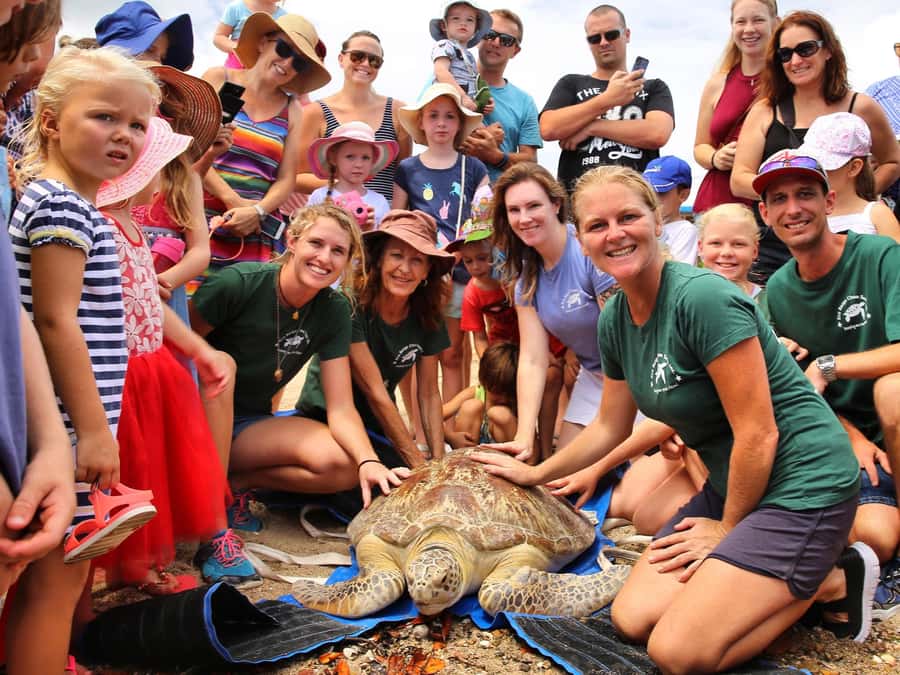
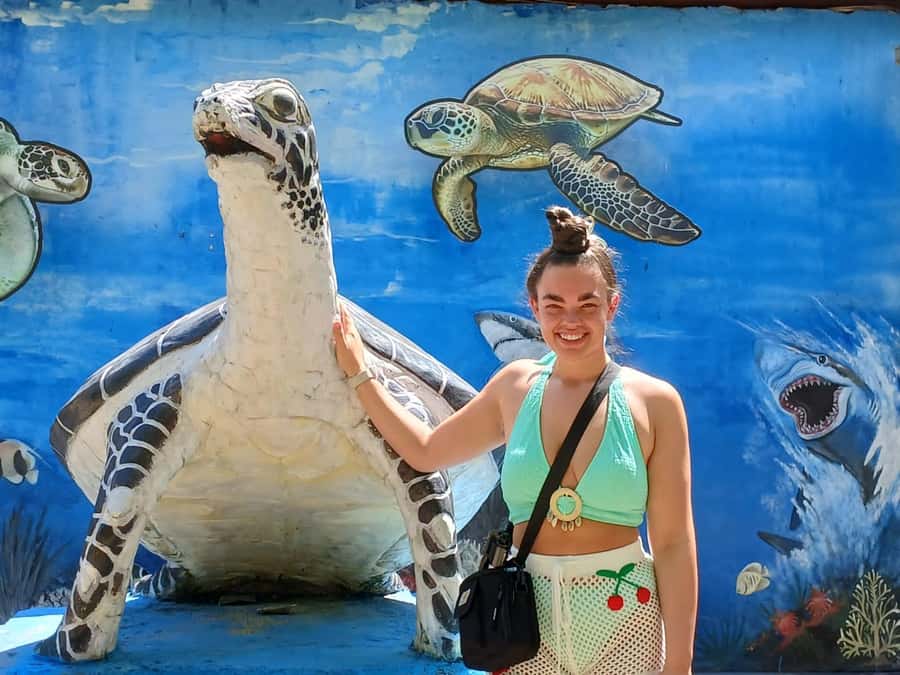
When you arrive, you’re not walking into a theatrical setup. You’re stepping into a place where staff and volunteers care for rescued turtles, and the atmosphere is generally described as friendly and close-up.
You should expect:
- Turtles you can see up close as part of the care and rescue process
- Education aimed at behavior change, especially the centre’s goal of getting visitors to understand how not buying turtle products supports conservation
- A family-friendly vibe, since this is a popular stop for kids learning what protection looks like in real life
A nice bonus is that some visits include a moment that feels special and emotional. One booking mentioned releasing baby turtles to the freedom, which is exactly the kind of experience that makes the day memorable for families. Even if your visit doesn’t include the same moment, the core benefit remains: you see rescued animals while learning what drives their survival.
Denpasar photo stop: an easy reset before the market
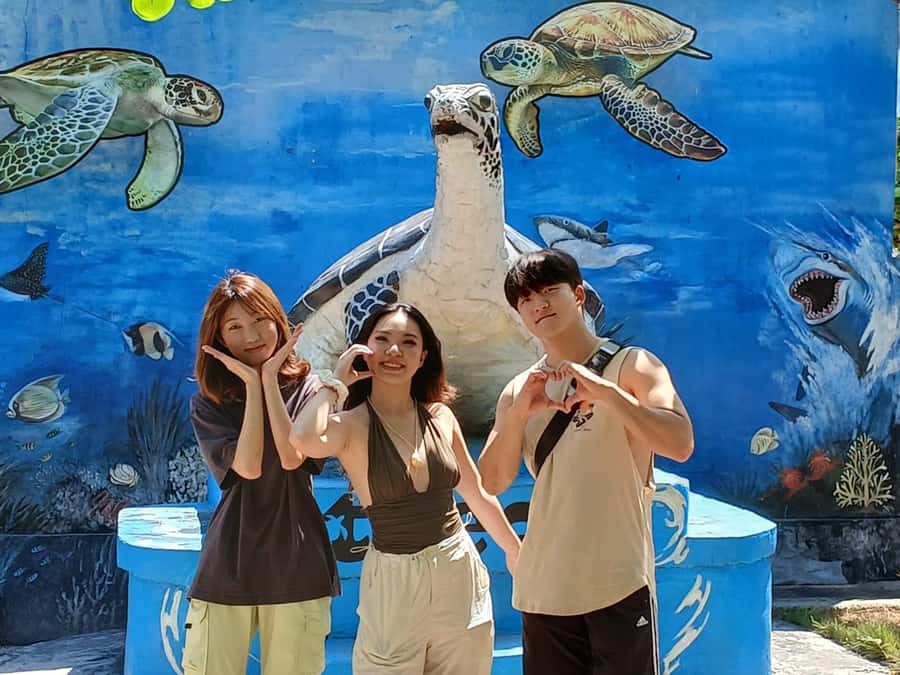
Between the centre and the market portion, there’s a quick Denpasar leg built into the schedule. You get around 40 minutes for a photo stop, sightseeing, and self-guided viewing on the way.
This part is underrated. It’s not about seeing every landmark in Bali—it’s about giving your brain a breather and letting you adjust to the city pace. If you’re starting from beach areas like Jimbaran or Kuta, this short transfer and orientation helps you feel less rushed when you hit the market later.
Pasar Badung in Denpasar: how to enjoy the market without losing your cool
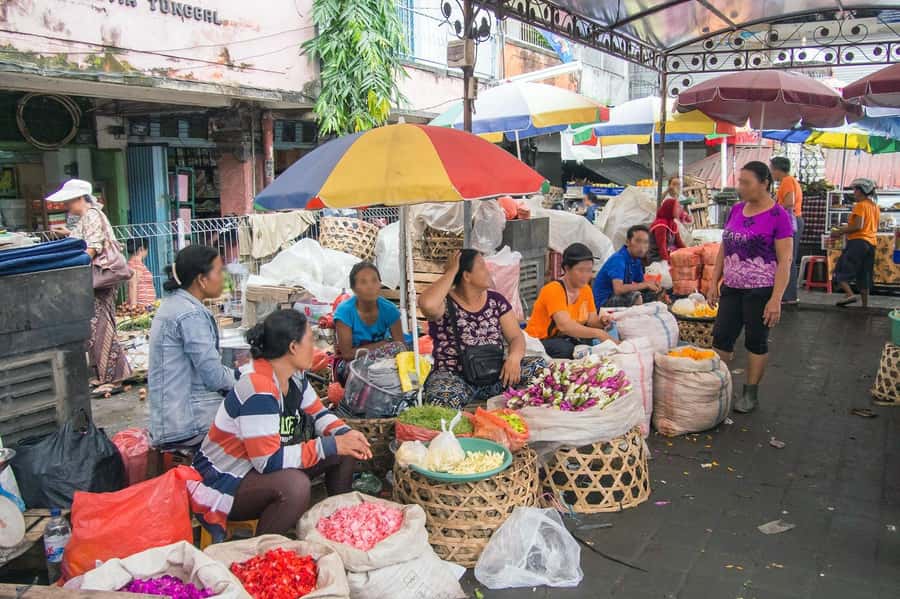
The market stop is about 1.5 hours, with time for a break, photos, walking, and food. You’ll also get free time to roam, so you can choose your pace rather than being herded from stall to stall.
Here’s what makes Pasar Badung worth your time:
- It’s the largest traditional market in Denpasar, and it operates 24/7
- It’s a four-story complex, built after major fires in 2000 and 2016
- It’s built to be walkable in sections, with escalators and elevators to move between floors
- It’s located on Jalan Gajah Mada, near the Badung River, with the Kumbasari Art Market connected by a bridge
So yes, it’s a shopping stop—but it’s also a snapshot of what daily commerce looks like in Denpasar. You’ll typically find fresh produce, crafts, spices, and lots of everyday goods. There are also electronics and clothes mixed in, which explains why people can leave with both snacks and practical gifts.
Heat and comfort: the one issue to plan for
One thing I’d take seriously here is temperature. A guide day can feel dramatically different depending on season and where you end up walking. One booking described the market area as lacking air conditioning and being uncomfortable in January heat, while another described the shopping area as more air-conditioned and easier to browse.
My advice: treat it as a place where you’ll likely sweat. Wear light clothes and comfortable shoes, and don’t wait until you’re already drained to think about hydration. Also, drinks and meals aren’t included, so plan to buy water and snacks as needed.


Souvenirs and oleh-oleh: what to buy (and how not to overspend)
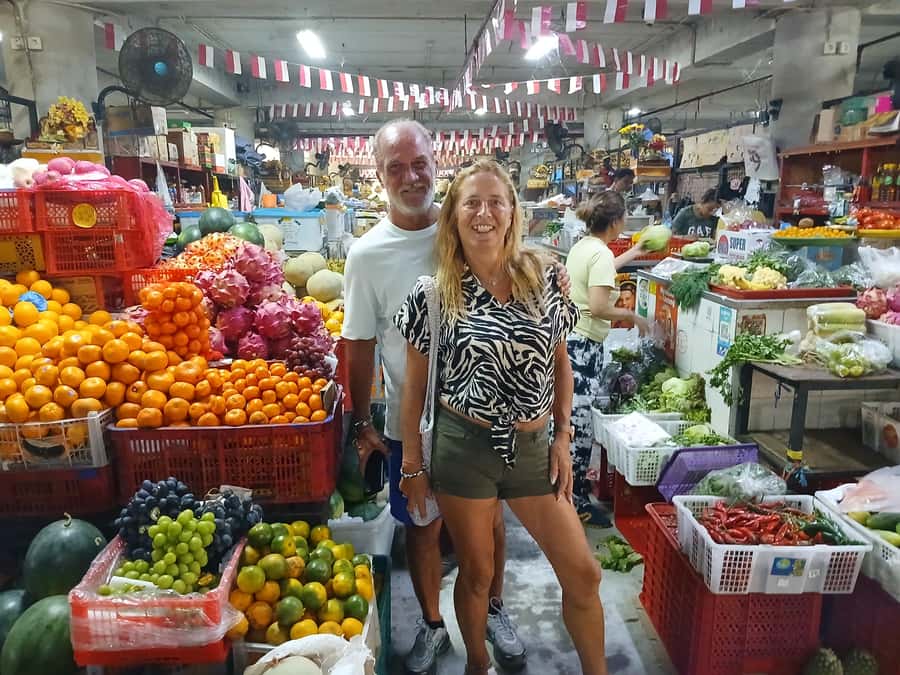
Because your time is limited, it helps to have a simple souvenir strategy before you arrive. The market is full of options—traditional crafts, snacks, and typical Bali gift items—so the temptation is to buy on impulse.
Instead, I’d shop in layers:
- Start with edible items you can taste or share later (oleh-oleh snacks and local treats)
- Then pick a few craft categories you actually want to display or use
- Leave room for small, consistent gifts rather than one oversized purchase
If you’re not into haggling, here’s a useful angle: one booking described the market area as having sections similar to an air-conditioned department-store feel with fixed pricing. That can make shopping less stressful than a street-only market.
A caution: one booking noted some merchandise felt a bit dated in their visit. That doesn’t mean the market is bad—it just means you’ll want to be picky. Move floors, compare stalls, and don’t buy just because something is the first thing you see.
Price and what you’re really getting for $58 (private group)
The headline price is $58 per group up to 5, which is a strong deal if you’re traveling with family or a small set of friends. The big value is that you’re not renting a vehicle yourself: the experience includes hotel pickup and drop-off, plus a private car charter with an English-speaking driver, and petrol.
What’s not included:
- Entrance fees (you’ll pay these separately)
- Drinks and meals
- Parking and toll fees
- Personal expenses
- Extra time charges: IDR 50K per hour
So the real cost equation is simple: add entrance fees and whatever you choose to eat/drink. If you plan to buy snacks and souvenirs at Pasar Badung, you’ll also want some extra cash. Bring cash anyway—because the tour specifically asks you to do so.
In practice, this pricing works best when:
- You want the convenience of pickup/drop-off
- You care about having an English-speaking driver for context
- You’re splitting the cost across up to five people
If you’re traveling alone and already comfortable moving around on your own, you might find cheaper options. But you’ll likely trade away the convenience and language support.
Logistics that affect your comfort: timing, pickup zones, and what to wear
This is a 6-hour outing, which is long enough to feel like a full day but short enough to avoid jet-lag or exhaustion. It’s a private group, but you’ll still want to keep an eye on timing, especially if you’re starting from farther bases.
Pickup areas
You’ll have pickup options from: Jimbaran, Petjatu, Denpasar, Canggu, Kuta, Kuta Selatan, Ubud, and North Kuta. This is helpful because it reduces the friction of getting to the centre and then on to Denpasar.
What to bring
The tour asks you to bring:
- Comfortable shoes
- Comfortable clothes
- Cash
That’s practical advice. Market time means standing and walking. Also, turtle-centre time can be more relaxed, but you’ll still want sturdy shoes for smooth movement.
What not to plan on
- Pets aren’t allowed.
- It’s not suitable for people with mobility impairments or wheelchair users.
Making the schedule work: a simple game plan
Because the day includes a conservation visit and a market stop, it helps to decide your priorities before you get in the car.
Here’s a plan that tends to work well:
- At the turtle centre, focus on learning and questions. If you have kids, let them lead a little—this is the part built for them.
- At Pasar Badung, set a time limit in your head. 1.5 hours goes fast once you start walking between floors.
- Hydrate early, not late. Drinks aren’t included, and the market area can be warm.
One more practical tip: your guide may be flexible. A booking mentioned that a driver (Adi) accommodated a request to adjust the order and skip the market after the turtle portion, swapping in a cultural park stop instead. If you know you’ll feel overwhelmed by heat or shopping, ask your driver about reasonable alternatives early.
Who this Bali turtle-and-market tour suits best
I’d recommend this tour if you want:
- A meaningful conservation experience with an education focus
- A family-friendly outing where kids learn without it feeling like a lecture
- A mix of eco tourism and local market time, so your day doesn’t feel like a hotel day with a drive-by stop
I’d skip it or rethink if:
- You need wheelchair-friendly access (it’s not suitable)
- You hate hot walking environments and don’t want to manage it with hydration and lighter clothing
- You want a long, slow museum-style visit; this is a compact day built around two main stops
Should you book this tour?
If you’re the type of traveler who likes your day to mean something, this one is a solid choice. The turtle centre visit is the heart of the experience, and it uses tourism to support rescue and conservation goals, not just photo opportunities. Add in Denpasar’s Pasar Badung for food, shopping, and everyday culture, and you’ve got a good value private day for up to five people.
Book it if you’re comfortable with market heat and you’re prepared to pay any entrance fees plus your drinks. Consider a different option if mobility access matters or if you know you’ll be miserable in warm, uncovered areas.
FAQ
What is the duration of the Bali Turtle Conservation and Education tour with a local market stop?
The total duration is 6 hours.
How much does the tour cost, and is it for a group or an individual?
It costs $58 per group, up to 5 people.
What’s included in the price?
The tour includes hotel pickup and drop-off, a private car charter, an English-speaking driver, and petrol.
Are entrance fees, meals, or drinks included?
No. Entrance fees, drinks and meals, parking and toll fees, and personal expenses are not included.
What should I bring?
Bring comfortable shoes and comfortable clothes, and have cash with you.
Is the tour suitable for wheelchair users or people with mobility impairments?
No. It’s not suitable for wheelchair users or people with mobility impairments.