Holy water, ancient caves, and calm temple time. I love the hands-on Tirta Empul purification ritual, especially the guided way you’re instructed during the holy-water portion. I also like the private pacing, with an English-speaking driver who keeps the day flowing. One caution: the cultural explaining level can vary, so if you want lots of context, come ready with questions.
This is an 8–9 hour day that stitches together several sacred spots around Bedulu, Tegalalang-area temples, and central Ubud. You get time to walk, photograph, and move at a comfortable tempo, without the squeeze of a big group. If you want a “temples plus real meaning” day, this can work really well when your guide engages.
In This Review
- Key highlights to look for
- Bedulu and Goa Gajah: sacred stone, not just selfies
- Gunung Kawi Sebatu: those cliffside shrines are worth the stop
- Tirta Empul purification: what to expect from the holy water ritual
- What to bring (and why)
- A word on guidance quality
- Ubud Royal Palace: end with culture and real walking time
- Private transport and timing: why 8–9 hours works
- Price and value: what $33 gets you (and when it might change)
- Who should book this Bali purification day
- Should you book this Bali Ubud Spiritual Journey?
- FAQ
- FAQ
- How long is the Bali Ubud spiritual journey with purification ceremony?
- Where does pickup happen, and where can I be dropped off?
- Is this a private tour and is the driver English-speaking?
- What’s included in the price, and is lunch included?
- Are entrance fees included?
- What should I bring for Tirta Empul?
- If I’m menstruating, can I enter the temples?
Key highlights to look for
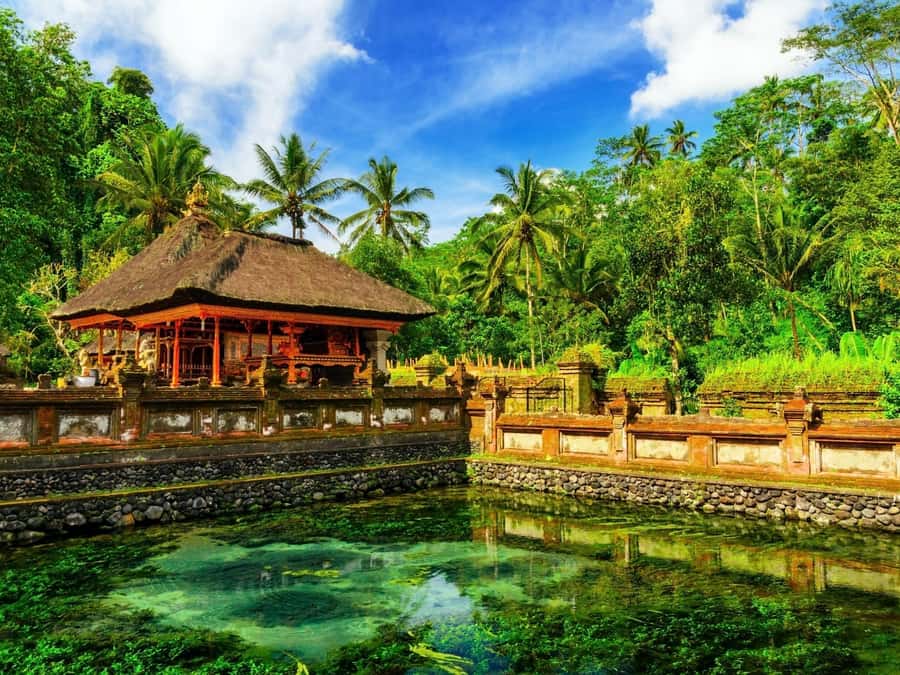
- A guided Tirta Empul purification ceremony with a local expert at Bali’s Holy Water Temple
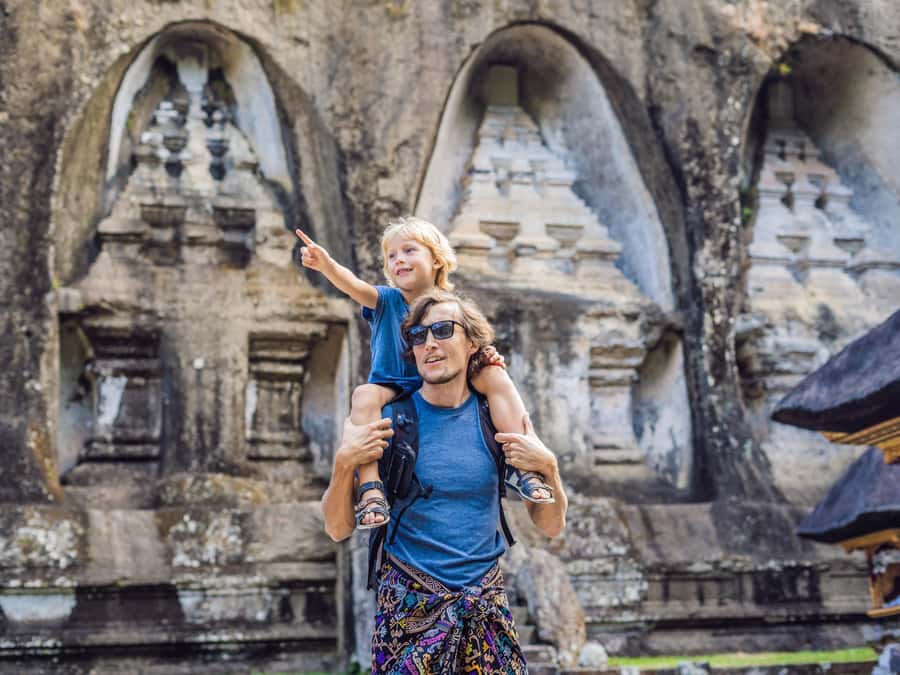
- Goa Gajah (Elephant Cave) carved-stone atmosphere and a guided walk through the site
- Gunung Kawi Sebatu’s cliffside shrines plus photo time for those dramatic angles
- A private-group route with pickup options from Denpasar, Ubud, Gianyar, and Kuta
- Ubud Royal Palace wrap-up with courtyards and royal heritage vibes
Bedulu and Goa Gajah: sacred stone, not just selfies
Your day starts with pickup from one of four areas: Denpasar, Ubud, Gianyar, or Kuta. That matters in Bali, because traffic can turn a “quick temple trip” into a long one. With a private car and a planned route, you keep your energy for walking and soaking in the sites.
Next comes Bedulu. You’ll have around an hour here, which is enough time to get a sense of the sacred geography without rushing through. Think of it as a soft warm-up: the day is spiritual and visual, and Bedulu helps you shift from “tour mode” into “observe mode.”
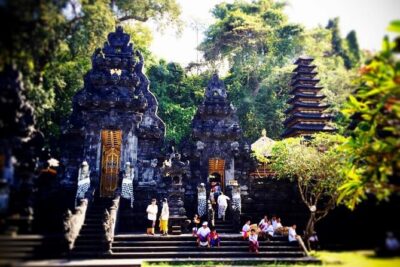
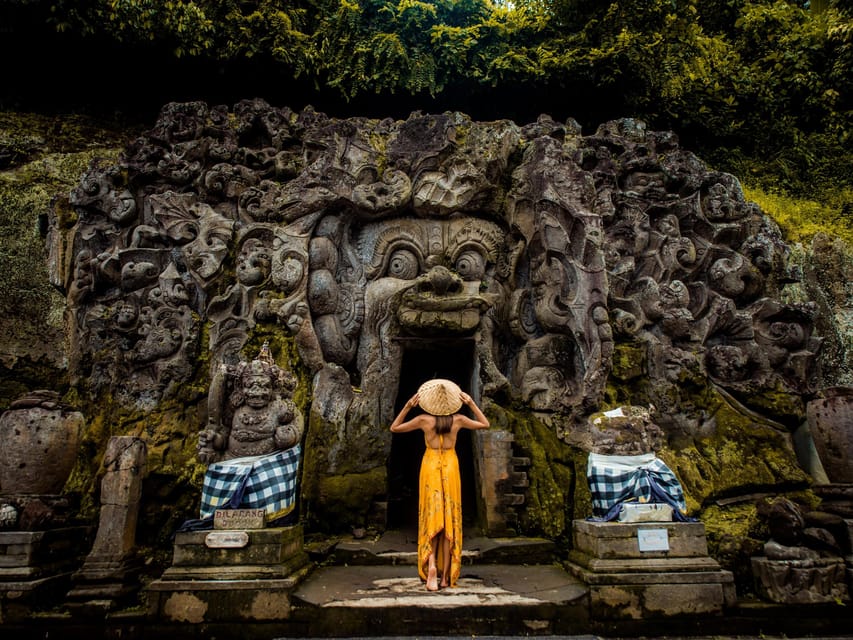
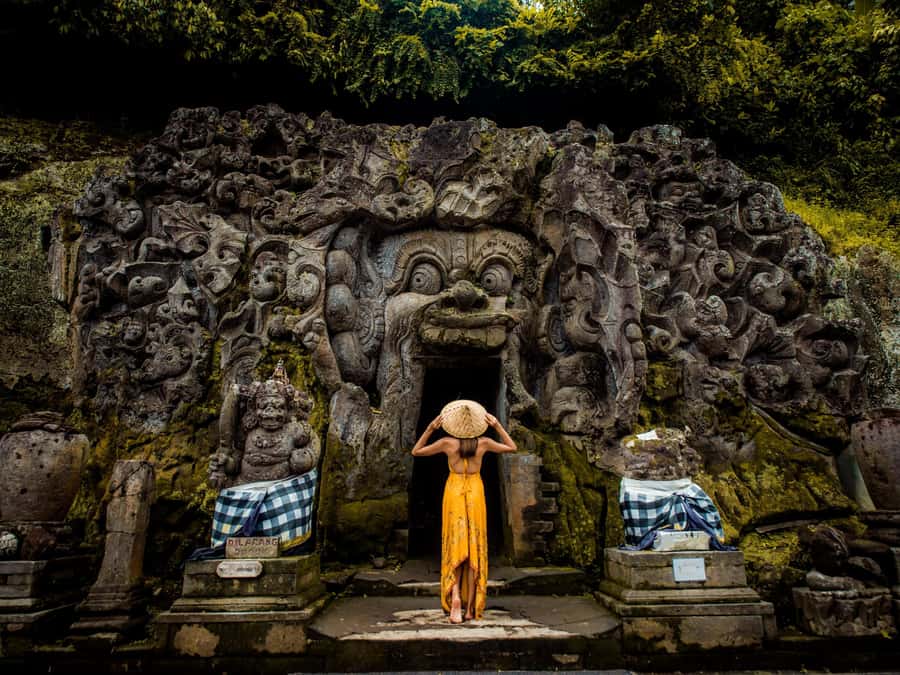
After that, you’ll reach Goa Gajah (Elephant Cave). This stop is all about stonework—ancient carvings and a cave temple setting that feels tucked away and serious. It’s the kind of place where having a guide helps you notice details you’d otherwise skip, like how the shapes and carvings relate to worship and place-making.
Practical tip: wear shoes you can trust on uneven stone. Also, if you’re serious about photos, bring a little patience—this area is scenic, but it’s also a functioning sacred site.
You can also read our reviews of more tours and experiences in Ubud.


Gunung Kawi Sebatu: those cliffside shrines are worth the stop
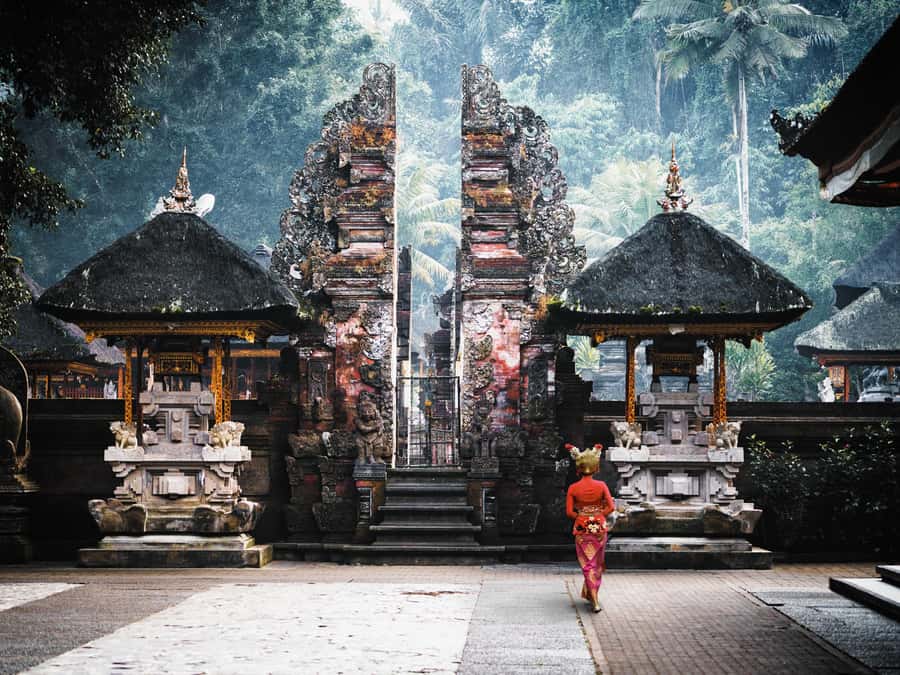
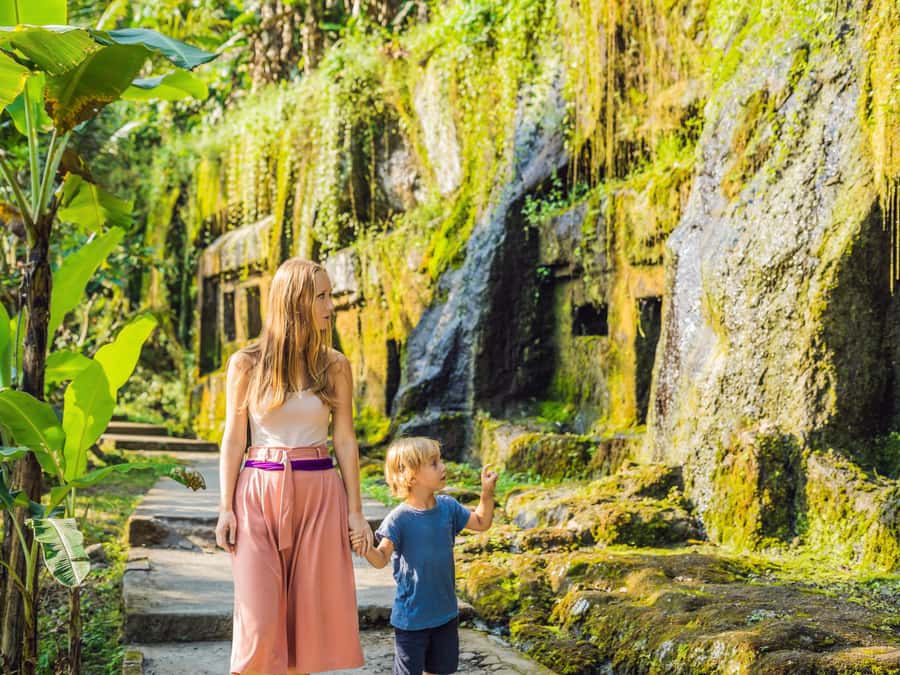
Gunung Kawi Sebatu is next, and you’ll get a photo stop plus a visit. This is one of those Bali scenes where the angles do half the work for you: shrine structures appear dramatically in a cliffside setting, and you can feel the “this has been here a long time” weight.
This stop is also a good reminder that Bali’s spirituality isn’t only about big famous temples. A lot of the feeling comes from how the shrines are placed, how water and paths shape worship, and how people move through the space.
You’ll have time to explore, but since the stop is shorter than Tirta Empul, you’ll want to decide what matters to you: the carvings, the views, or the walkways. A strong guide will help you prioritize so you don’t feel like you’re speed-running.
Tirta Empul purification: what to expect from the holy water ritual
If you’re coming for a spiritual reset, Tirta Empul is the headline. This is where the itinerary turns from temples-as-architecture into a hands-on ceremony.
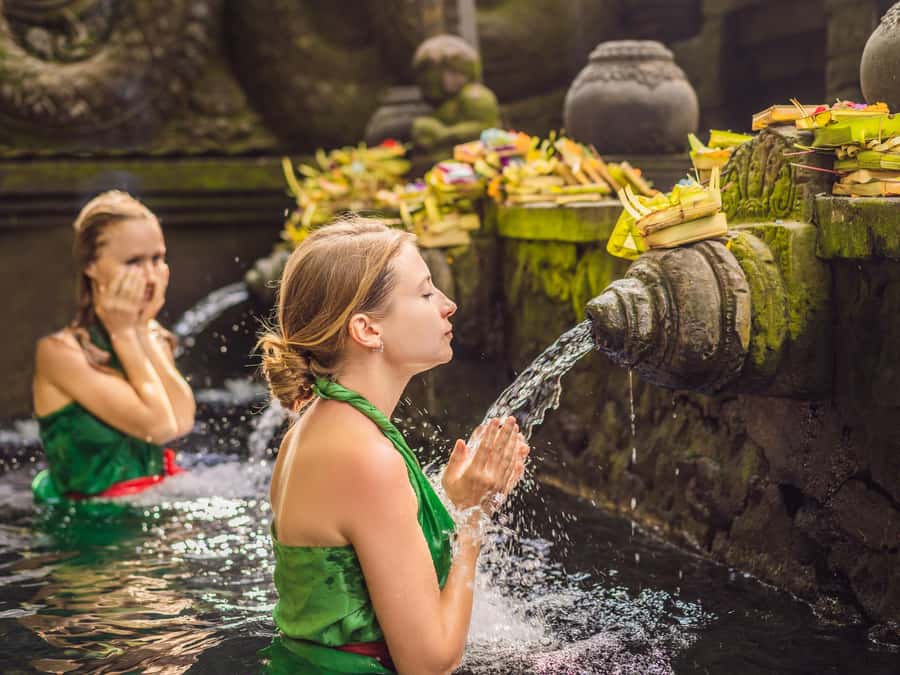
You’ll join the purification ritual at Tirta Empul Temple with a local expert. The key moment is the holy water portion, where you’re guided through the ritual experience and you’ll feel the cool water over your skin. You don’t need to “know everything” beforehand, but you do benefit from listening closely and following instructions—this is not just a photo moment.
What to bring (and why)
Bring a towel and a change of clothes. The tour description is clear that the purification involves water, and you’ll want to dry off without rushing back into your day-soaked outfit. Comfortable clothes also help you move around respectfully and comfortably.
One more important note: if you’re a woman and you’re menstruating, you may not be permitted to enter certain temples. Plan accordingly before you show up at the site—don’t wait until the last second.
A word on guidance quality
From what I’ve learned about how guides run this kind of experience, the best ones don’t just point—you’ll get context for why the ritual is done and what the steps mean. Some guides are more focused on driving and basic logistics, so if that’s your concern, ask your guide questions early in the day (especially before Tirta Empul). If you want it more interpretive, say so.




Ubud Royal Palace: end with culture and real walking time
After the spiritual high point, your day finishes with Ubud Royal Palace. This part is more about atmosphere—courtyards, palace grounds, and the sense of Balinese royal heritage living on in public spaces.
You’ll get photo time and sightseeing here for about an hour. It’s a nice contrast after water and temple rituals: you’re walking more casually, looking at architecture, and watching everyday cultural life in central Ubud.
If you’re the type who likes to understand what you’re looking at, this is another good moment to ask your guide questions. A good explanation turns “pretty palace” into “here’s how power, tradition, and community shaped the place.”
Private transport and timing: why 8–9 hours works
A private group sounds like a luxury. In Bali, it’s also practical. You’re not waiting for a chain of hotel drops, and you’re not stuck following a rigid bus schedule.
The tour runs 8–9 hours, which is a sweet spot for a full spiritual day. You hit multiple sites (Bedulu, Goa Gajah, Gunung Kawi Sebatu, Tirta Empul, and Ubud Palace) without it turning into a 12-hour sprint.
You’ll also get complimentary bottled water and refreshments, plus plenty of time for photography and exploring each location. That last part matters because temples aren’t always “move fast” places. If you’re going to respect the sites, slow enough to read what’s around you helps.
One small timing reality: Ubud traffic can be unpredictable. Having flexible pickup and drop-off within Ubud, Denpasar, Gianyar, and Kuta makes a difference, so you’re not trapped far away from your base.
Price and value: what $33 gets you (and when it might change)
At $33 per person for an 8–9 hour private-style day, the value comes from how much is wrapped into the price. You’re paying for transportation, guided site access, and the ceremony experience at Tirta Empul.
Here’s the key detail: entrance fees and activity costs are included with the all-inclusive option. If you choose the tour-only option, entrance fees may not be included. Before you pay, check which option you’re selecting so you don’t get surprised later.
Meals are not included, which I actually see as a benefit. It gives you control over lunch—either something simple nearby or a proper sit-down meal you choose based on what you’re in the mood for.
So how do you judge value? For me, it’s simple:
- If the all-inclusive option covers entrances, you’re basically buying a guided spiritual circuit plus private transport.
- If it’s tour-only, you’re still getting the route and experience, but you’ll need to budget separately for entrances.
Also, the tour’s “private” setup can justify the cost if you’re traveling as a couple or small group. You’ll notice it most during the ceremony and at stops where good explanations and photo time really matter.
Who should book this Bali purification day
This tour fits best if you want:
- A structured spiritual route with the purification ceremony as the main event
- Time for photography and walking at each site
- A driver who handles transport smoothly across Bali’s temple zones
It may be less ideal if you’re looking for a very deep lecture-style experience the entire day. There has been feedback that some guidance can feel light at times—more “where to go” than “here’s the meaning behind it.” If you’re that kind of traveler, come with questions and set your expectations that the depth may depend on who’s guiding you that day.
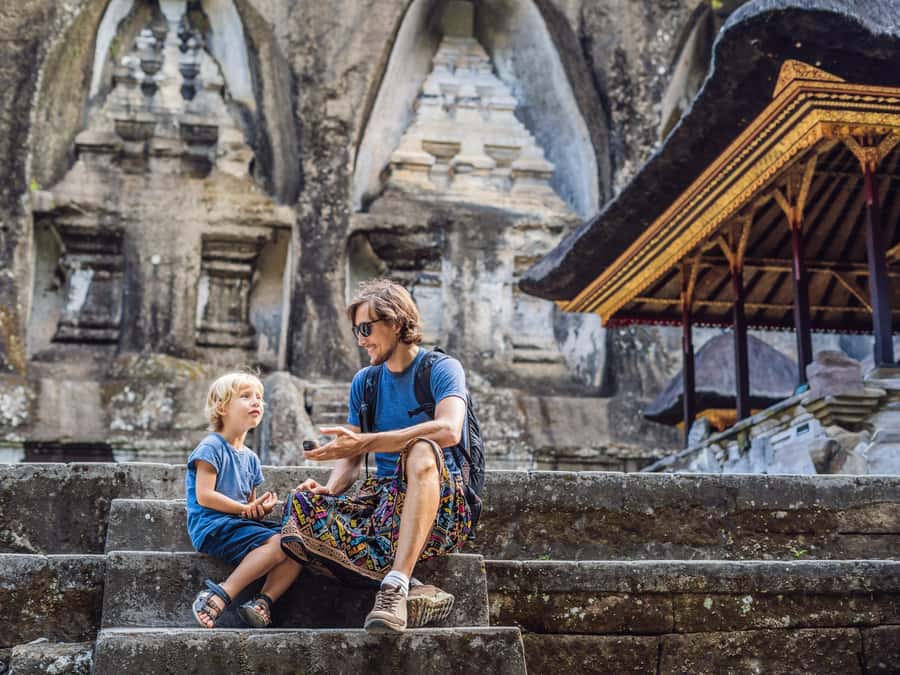
If you’re traveling with family, this is often a good format because the day is private-group and paced so you can adjust without needing to negotiate with a large crowd.
Should you book this Bali Ubud Spiritual Journey?
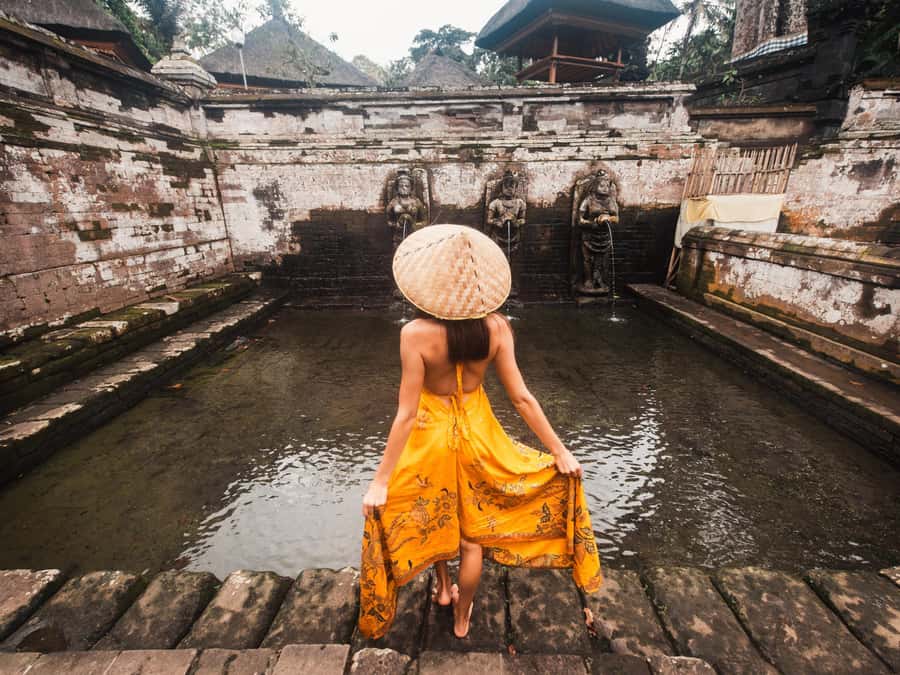
I’d book it if Tirta Empul purification is on your must-do list and you want a full day that connects Goa Gajah, Gunung Kawi Sebatu, and a cultural stop in Ubud afterward. The combination of ceremony + sacred sites + guided transport is exactly the kind of itinerary that saves you planning stress.
Skip or reconsider if you mainly want a long, highly detailed cultural lecture at every stop. In that case, you’ll want to confirm the level of interpretation you’ll get from the guide, and be ready to ask follow-up questions—especially around the purification ritual.
FAQ
FAQ
How long is the Bali Ubud spiritual journey with purification ceremony?
It runs about 8 to 9 hours total. You can check availability for the starting time when you book, since the exact departure can vary.
Where does pickup happen, and where can I be dropped off?
Pickup and drop-off options include Denpasar, Ubud, Gianyar, and Kuta. You’ll be picked up from the address you provide, and your driver will handle the route back to your selected drop-off area.
Is this a private tour and is the driver English-speaking?
Yes, it’s a private group experience. The driver is listed as English-speaking, and you’ll have a more personal pace than with larger tours.
What’s included in the price, and is lunch included?
The tour includes entrance fees and activity costs with the all-inclusive option, plus the guided purification ritual at Tirta Empul, transportation, and refreshments. Meals are not included, so you’ll choose lunch on your own.
Are entrance fees included?
It depends on the option you select. The package says entrance fees are included with the all-inclusive option, but in the tour only option entrance fees are not included.
What should I bring for Tirta Empul?
Bring comfortable shoes, a change of clothes, a towel, and comfortable clothes. The purification ritual involves water, so having what you need to dry off helps a lot.
If I’m menstruating, can I enter the temples?
The information provided says women who are menstruating may not be permitted to enter certain temples. Plan your visit accordingly so you’re not caught off guard at the site.