First-wave nerves hit hard. This beginner surf lesson in Canggu turns that anxiety into simple steps at Batu Bolong Beach with a certified lifeguard-ready instructor. I love the clear, confidence-first coaching, and I also like that you’re not sent out half-prepared: you get basic theory, land practice, then real attempts in the water. The only real drawback to keep in mind is time: it’s just 2 hours, so transport and getting ready quickly matter if you want the most out of every minute.
The setup is built for beginners and is flexible when conditions change. It runs as a private group, and that format often feels close to 1:1 teaching once you’re in the action. You’ll also be given board and sun protection, plus you can add a photographer for extra cost if you want surfing photos without having to race the tide.
In This Review
- Key highlights at a glance
- Where You’ll Actually Surf: Batu Bolong Beach (and a Berawa Backup)
- The 2-Hour Beginner Plan: Theory, Land Practice, Then Real Attempts
- Instructor Style and Safety: Lifeguard Certification, No Panic Energy
- Gear, Rashguard, Zinc: What’s Included So You Can Focus
- Price and Value at About $27: A Short Lesson That Actually Teaches
- Getting There from Canggu: Simple Transport Without a Transfer
- Photos on the Water: Optional, Useful, and Not Required
- Who This Lesson Fits Best (and Who Might Want Another Option)
- Should You Book Beginner Surf Lessons in Canggu?
- FAQ
- Where is the lesson meeting point?
- How long is the beginner surf lesson?
- What is the price?
- Who teaches the lesson?
- What language is instruction available in?
- What equipment and items are included?
- Do I need to bring my own surfboard or rashguard?
- Is transportation included?
- Can the lesson location change from Batu Bolong to another beach?
- Can I get surfing photos?
Key highlights at a glance
- Batu Bolong Beach as the home base, with an optional switch to Berawa when surf conditions suit beginners better
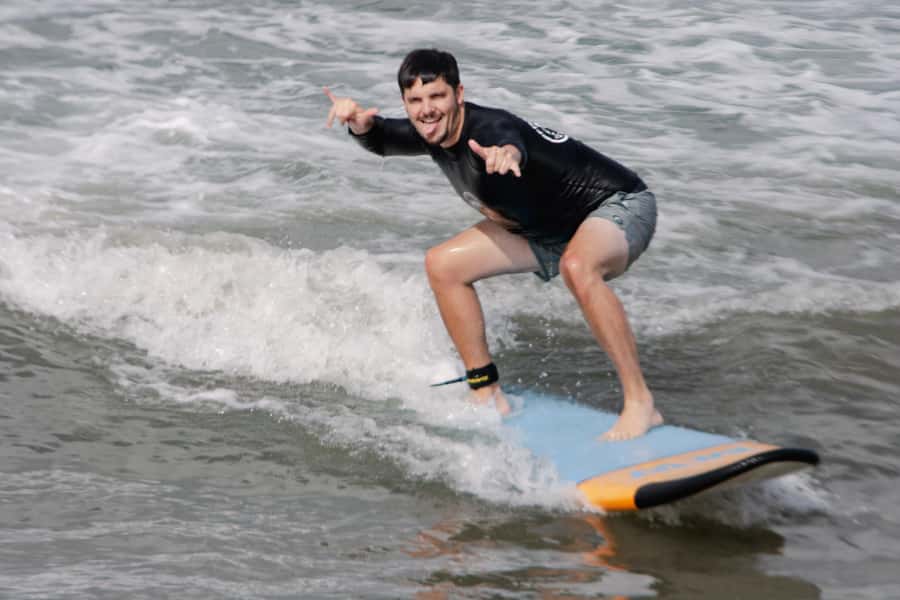
- 2 hours of coaching flow, from theory and land drills to your first wave rides
- Safety-first instruction with a surf instructor who’s also lifeguard certified
- Beginner-friendly focus, built around how to catch waves and ride them (not just standing on a board)
- Gear and sun protection included, including rashguard, zinc, and a surfboard
Where You’ll Actually Surf: Batu Bolong Beach (and a Berawa Backup)
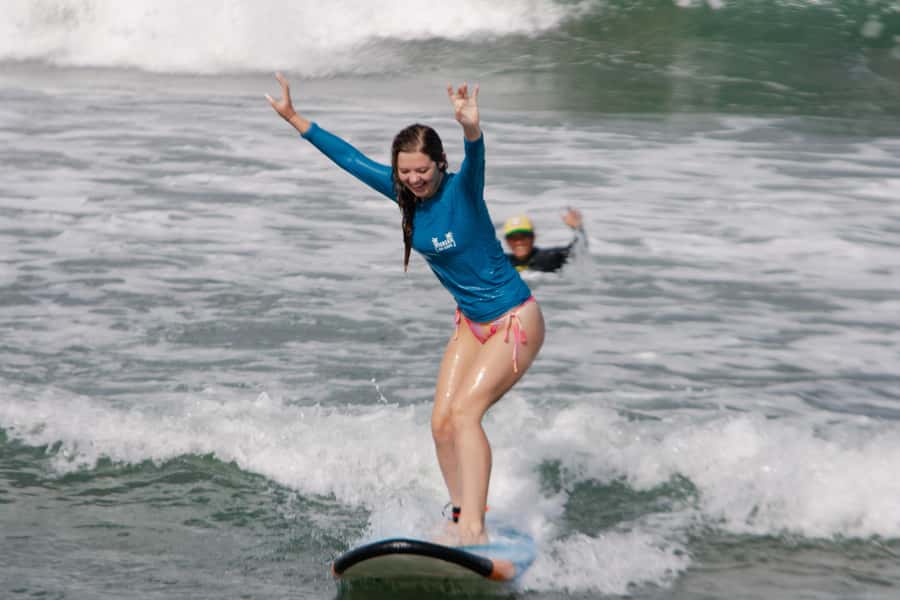
Canggu has a lot of good surf energy, but for learning, location matters. Your lesson is scheduled around Batu Bolong Beach, and that’s a strong choice because it’s a known surfing area where instructors can usually find beginner-suitable conditions.
Here’s the smart part: the school can also offer lessons at Berawa depending on what the ocean is doing that day. That doesn’t sound dramatic, but it can matter a lot for beginners. If one spot is too choppy, too crowded, or just not cooperating, having a practical alternative gives your instructor a better chance to keep you catching waves rather than waiting.
You’ll meet right at the beach area in front of Dian Surf School, and you’ll ask for Nyangko Surf. It’s the kind of meeting point that’s easy to verify on foot once you’re there, without complicated checkpoints.
You can also read our reviews of more tours and experiences in Canggu.

The 2-Hour Beginner Plan: Theory, Land Practice, Then Real Attempts
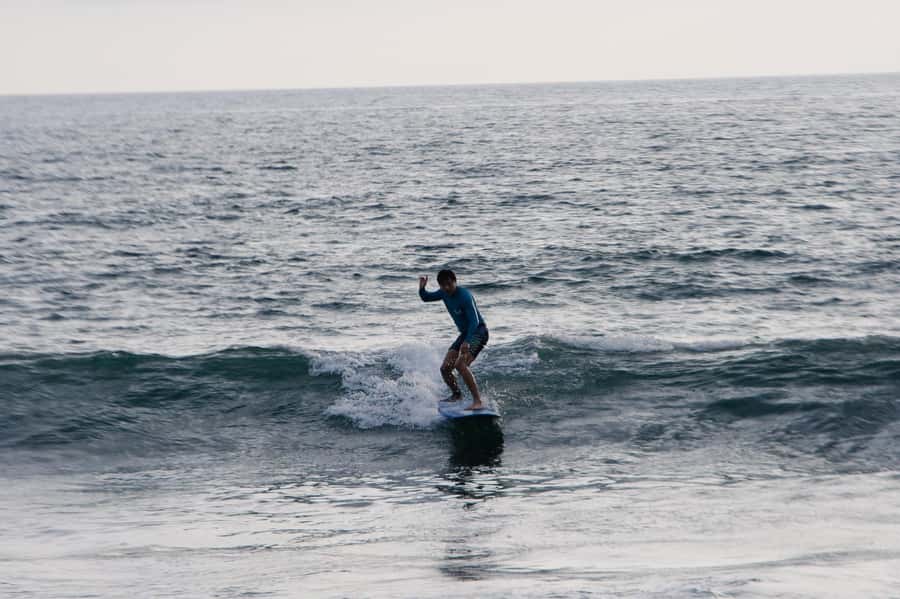
This is a 2-hour lesson, so the structure is designed to move fast. You start with the basics: your instructor goes over surfing theory and the key idea behind catching waves. That’s important because surfing isn’t only physical. Beginners often struggle because they’re trying to guess what to do at the exact moment a wave arrives.
What I like about this lesson format is the pacing:
- Theory first, so you know what you’re aiming for
- Land coaching, where you learn the steps of catching your own waves
- Then you go into the water, and the instructor stays with you for the whole session
On land, you’ll learn the sequence that helps you turn a chaotic ocean into a repeatable routine. In other words, you’re not just learning how to stand on a board, you’re learning how to set yourself up to actually get a wave.
When you finally hit the water, your instructor doesn’t vanish. They accompany you the whole time, so if you’re getting stuck on paddling position, timing, or pop-up mechanics, you can fix it immediately. The goal for beginners is simple: catch waves and ride them, even if it’s just short rides at first.
And yes, there’s often a lot more time on the water than people expect. One reason the lesson earns such strong marks is that the coaching pushes you through enough attempts to feel real progress inside a short session.
Instructor Style and Safety: Lifeguard Certification, No Panic Energy
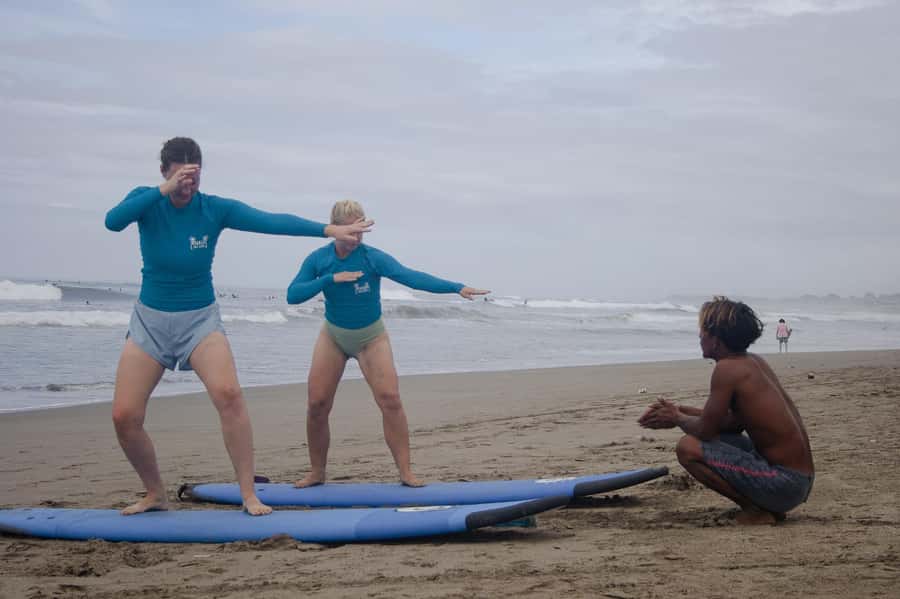
Surfing looks carefree from shore. In reality, beginners need calm instruction and good judgment. This lesson is taught by a certified surf instructor who also has lifeguard certification, which is a big deal for first-timers.
What that means for you in practical terms:
- You’re coached with safety in mind, not just technique
- You get clear instructions you can follow under pressure
- You’re supported so you feel looked after, especially once you’re in the water
The tone tends to be friendly and reassuring. Beginners do best when they feel no pressure, and the style here aims for that. You’ll be guided step-by-step, and the instructor keeps an eye on what’s happening in real time so you don’t have to figure everything out alone.
If you’re worried about being the slowest person in the group, take comfort in how the lesson is run. The private group format means your instructor can adjust to you instead of running a one-size-fits-all class. Some sessions in this style feel like 1:1 teaching, which is ideal when you’re learning something as timing-based as surfing.
Gear, Rashguard, Zinc: What’s Included So You Can Focus
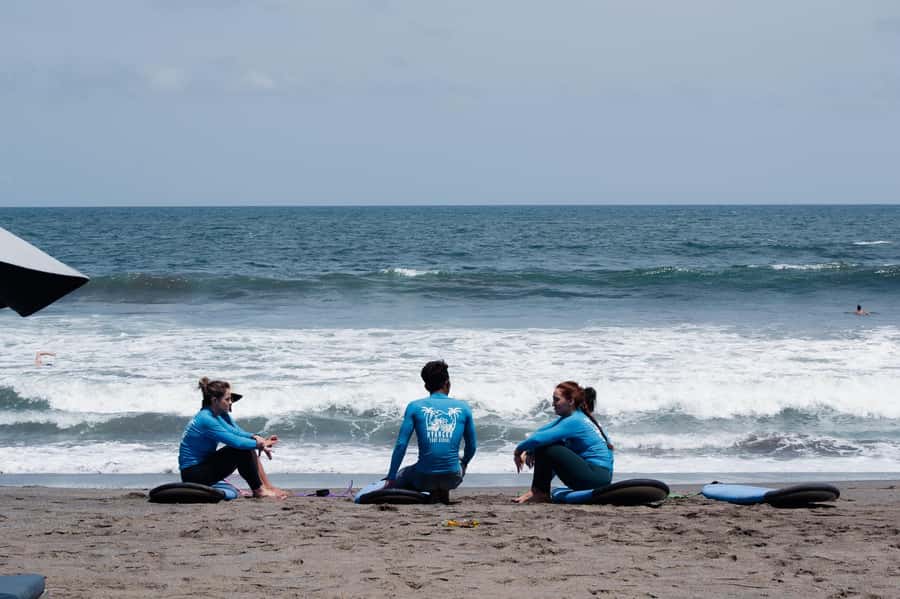
One of the easiest ways to judge value in surf lessons is to see what you’re responsible for bringing. Here, you’re not starting from scratch.
Included in the lesson:
- Surf board
- Rashguard
- Water bottle
- Zinc (sun protection)
- Parking fees
- Possibility to sit on bean bags at the beach
That last detail is small, but it helps. Waiting on a beach in the sun while your legs warm up is not fun. Having comfortable seating makes the pre-water downtime easier, and it also helps you stay relaxed before getting in.
What you should plan to bring (not listed, so keep it simple):
- Basic swimwear under your rashguard (if you prefer)
- A towel and water-friendly footwear if you like them
- Your usual sun extras if you’re picky (the lesson already provides zinc)
Because zinc is included, you’re less likely to end up as a lobster by the afternoon. Beginners usually get the sunburn they didn’t plan for while watching the ocean instead of applying sunscreen.
Price and Value at About $27: A Short Lesson That Actually Teaches
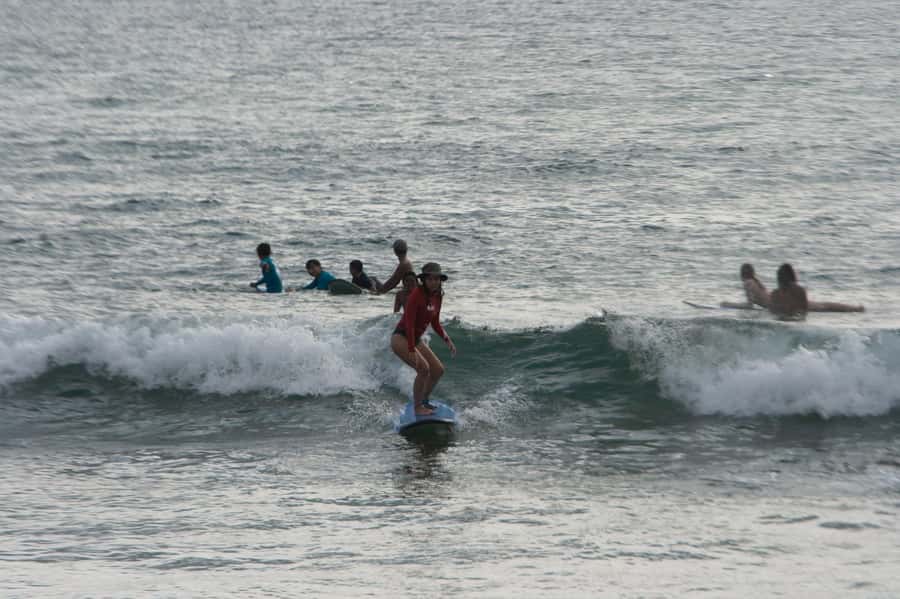
At around $27 per person for a 2-hour beginner session, the value is mostly about how the time is used. A bargain lesson that keeps you standing around won’t feel cheap later. This one is built for action: theory, land practice, then water attempts with continuous instructor support.
Also, equipment and sun protection are included. That matters because surf rentals and basic gear can add up fast if you’re buying separately. Here you’re provided the essentials, plus you pay less hassle overall.
So you’re not just paying for access to a beach. You’re paying for:
- Certified coaching
- Guided technique practice
- A safe, structured water session
- The right gear at the start of your learning curve
If you’re deciding between a lesson and a “try surfing on your own” day, I’d pick the lesson every time. Surfing feels hard when you’re guessing. With instruction, it feels hard in a useful way: you learn what to change, then try again.





Getting There from Canggu: Simple Transport Without a Transfer
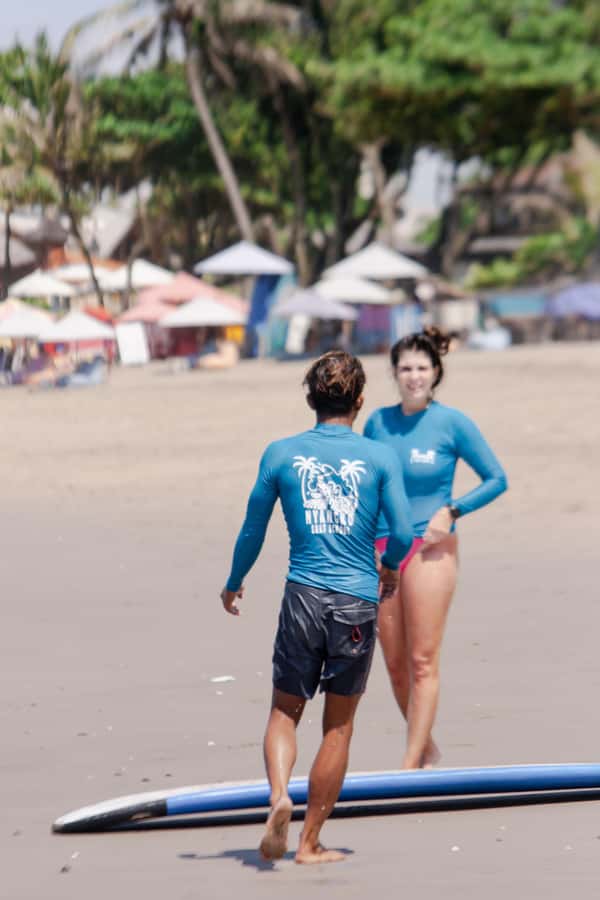
This lesson doesn’t include transfer to and from the beach. The good news: Canggu is set up for easy ride-hailing, and you can keep it simple.
Plan on using Gojek or Grab for about 15,000 IDR per trip (roughly the price you’d expect for a quick hop). That’s usually the fastest way for a short, time-sensitive activity like this, since you don’t want to lose lesson time waiting for a shuttle.
When you book, your host contacts you with details like start time and the exact meeting coordination for the day. Build in a little buffer to arrive ready, because the lesson is short and the best learning happens when you’re not rushing at the last minute.
Photos on the Water: Optional, Useful, and Not Required
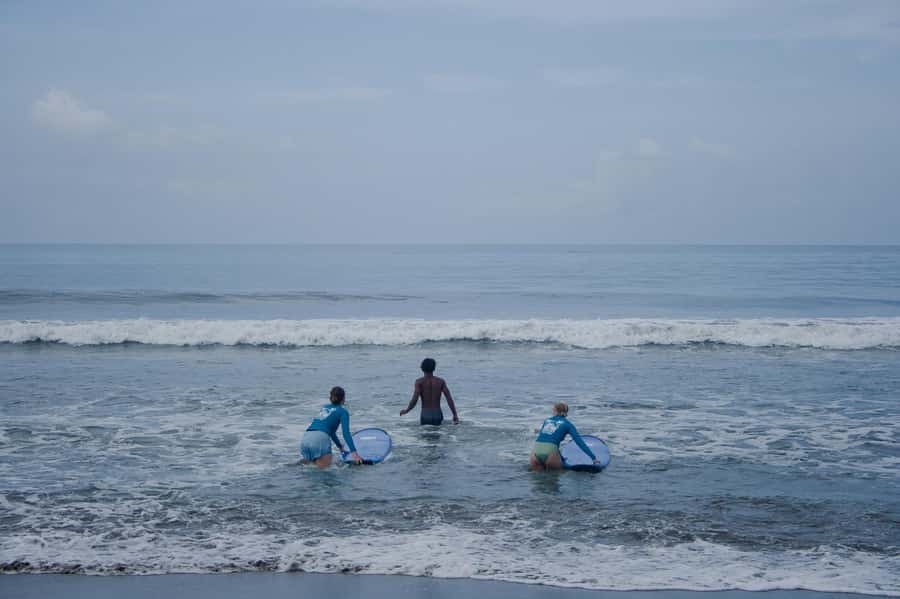
If you want photos while you’re surfing, there’s an option to arrange a photographer for an extra price. You’ll need to decide based on what you care about.
My take: if you’re the type who wants proof of progress, photos are worth considering. Beginners often don’t notice the little improvements in the moment, and pictures help you remember what you did right and what you want to repeat next time.
If you’re trying to keep costs low, you can skip it and still come away with a lesson that makes you feel capable. The focus here is learning, not turning the session into a production.
Who This Lesson Fits Best (and Who Might Want Another Option)
This is a strong match if you’re:
- A true beginner who wants structure
- Someone who benefits from safety-first coaching
- A traveler who wants to learn how to catch waves and ride them, not just paddle around
It’s also a good choice if you want a friendly, no-pressure experience. That’s a big deal for first-timers, because the ocean can be intimidating. The instructor support helps you stay calm and focus on the technique.
You might look at something else if:
- You want a longer surf progression session in one go
- You already have decent experience and want advanced training (this is clearly aimed at beginners)
- You hate the idea of being coached in English/Indonesian mix settings and would prefer a different language environment
Should You Book Beginner Surf Lessons in Canggu?
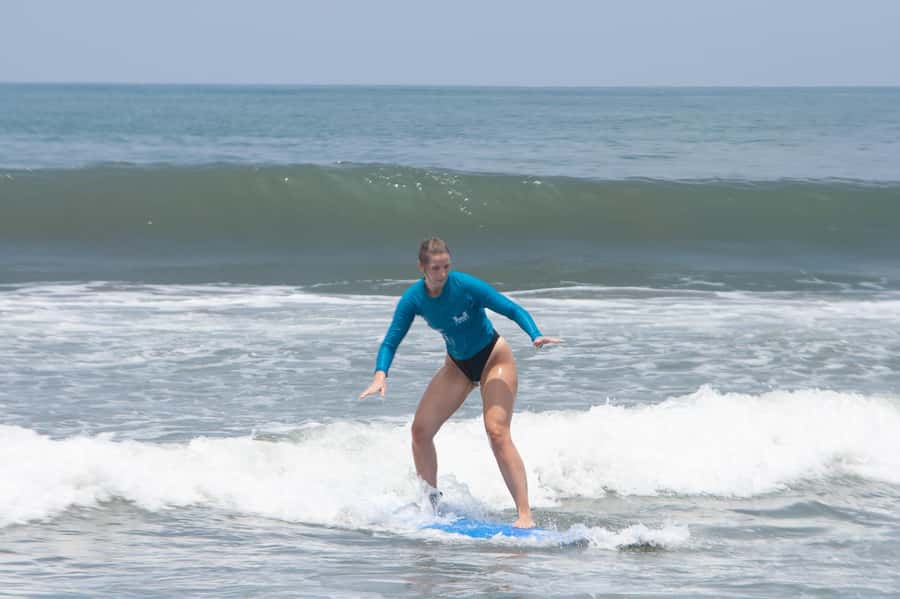
I’d book it if you want a short, efficient learning session that prioritizes safety and real attempts in the water. The lesson’s biggest strengths are practical: continuous instructor guidance, lifeguard-certified safety mindset, and included gear that lets you show up and start.
Skip it only if two hours is too short for your expectations, or if you don’t want to handle your own transport to Batu Bolong. Otherwise, this is a solid value way to experience Balinese surf without turning your first day into a frustrating paddle-fest.
If you do book, arrive a bit early, listen closely to the land practice, and commit to one wave at a time. Surf learning is mostly repetition under timing pressure, and this format gives you a good shot at turning that pressure into progress.
FAQ
Where is the lesson meeting point?
You’ll meet at Batu Bolong beach, in front of Dian Surf School, and ask for Nyangko Surf.
How long is the beginner surf lesson?
The lesson lasts 2 hours.
What is the price?
The price is listed as $27 per person.
Who teaches the lesson?
The lesson is taught by an experienced certified surf instructor, and the instructor has lifeguard certification.
What language is instruction available in?
Instruction is offered in English and Indonesian.
What equipment and items are included?
Included items are a surfboard, rashguard, water bottle, zinc (sun protection), and parking fees. There may also be bean bags available at the beach.
Do I need to bring my own surfboard or rashguard?
No. The surfboard and rashguard are included.
Is transportation included?
No. Transfer to and from the beach is not included, but you can easily book transport via Gojek or Grab (about 15,000 IDR per trip).
Can the lesson location change from Batu Bolong to another beach?
Yes. The lesson takes place at Batu Bolong Beach, and they can also offer lessons at Berawa depending on surf conditions.
Can I get surfing photos?
Yes. A photographer can be arranged for an extra price if you’re interested in photos of you surfing.