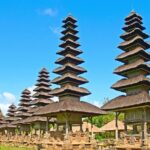
Four temples, one early wake-up. This East Bali day trip stacks Goa Lawah (bat cave), Tenganan (Aga village), and two water palaces—Tirta Gangga and Taman Ujung—into one long cultural loop. I especially like how the tour is built for good timing and real context, with private guiding that helps you spot what matters and keeps the day moving.
Two things I like a lot: the chance to see the bats and pythons at Goa Lawah, and the water palaces’ photo-ready ponds, fountains, and garden details. One drawback to plan for up front: entrance fees and lunch are not included, so you’ll need extra cash and your own food.
In This Review
- Key highlights at a glance
- Why the 5:00 AM Lempuyang Heaven Gate sets the tone
- Goa Lawah Bat Cave Temple: bats, pythons, and real temple energy
- Tenganan and the Aga village: weaving traditions you can see up close
- Tirta Gangga: water fountains, bathing pools, and ocean-rice views
- Taman Ujung Water Palace near Mount Agung: ponds, bridges, and Balinese design
- Private guide and air-conditioned car: the real value is how the day runs
- Price and logistics: the math you should do before you go
- What to pack for a 9-hour East Bali day
- Who this tour fits best (and who should skip it)
- Should you book this East Bali tour?
- FAQ
- How long is the tour?
- What time does the day usually start?
- Is lunch included?
- Are entrance fees included in the price?
- Do I get a guide and is it in English?
- Where does pickup happen?
- Does the tour include private air-conditioned transport?
- Is it suitable for wheelchair users or pregnant women?
- What’s the cancellation and pay-later situation?
Key highlights at a glance
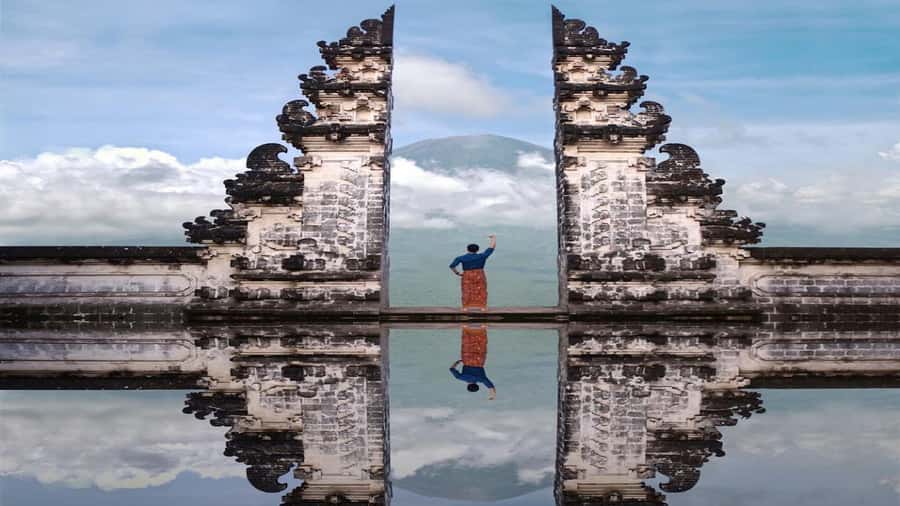
- Start around 5:00 AM for better Lempuyang Heaven Gate timing**
- Spot bats (and maybe pythons) at Goa Lawah Temple**
- See living Aga traditions at Tenganan, including textiles and batik
- Relax your eyes at Tirta Gangga’s pools, fountains, and bathing spots
- Compare styles at Taman Ujung Water Palace near Mount Agung
- Private guide + air-conditioned car means a smoother, safer day
Why the 5:00 AM Lempuyang Heaven Gate sets the tone
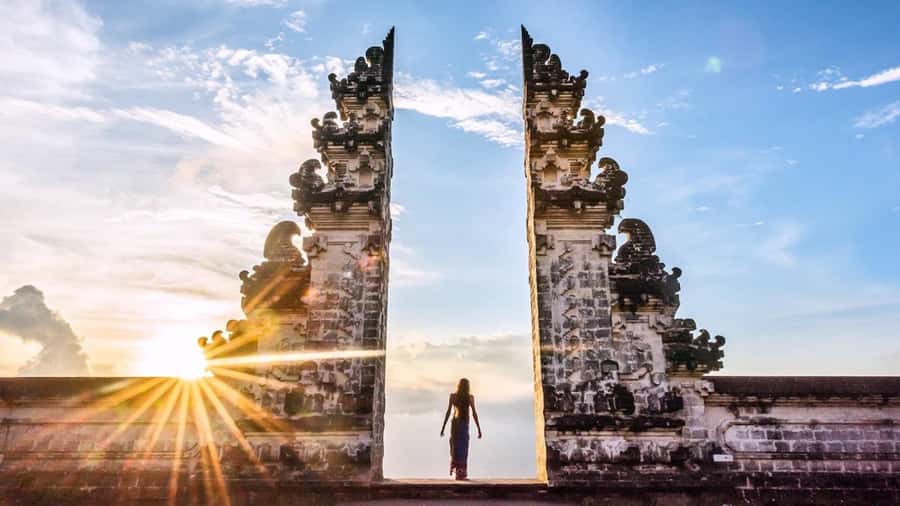
Lempuyang’s Heaven Gate is the kind of sight that comes with lines. The good news is this tour is designed to start early, with pickup and a direct run toward the gates before crowds swell. Expect a ticket-number style process once you arrive, so being on time really matters if you want photos without a half-day wait.
This early start also gives you something practical: it makes the rest of the day easier. After the gate, you’re not stuck rushing through everything else, and your guide can manage the pacing at the other stops.
Tip: wear comfortable shoes you can stand in for a while. Even if you’re only waiting for your turn, temple stairs and uneven ground can add up before you even reach the best view.
You can also read our reviews of more tours and experiences in Bali.


Goa Lawah Bat Cave Temple: bats, pythons, and real temple energy
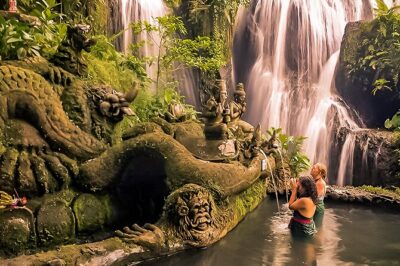
Goa Lawah is famous for its cave complex, where bats live right in the temple setting. You’ll go in expecting movement overhead and the odd surprise on the walls and ledges, and yes—there’s also a chance to spot pythons at the site. It’s not just a photo stop. This is an active religious place, so you may witness local prayer rhythms while you explore.
One thing to know is that this part of the trip can feel hot and intense, especially midday. The cave area can be visually fascinating, but it’s also an outdoor temple environment plus a cave setting, so bring sun protection and plan to take it slow when you need a break.
Also, if you’re not fully into bats-and-brown-stone, don’t panic. Even if the bat cave access changes on a given day, the day still includes major temple and palace highlights.
Tenganan and the Aga village: weaving traditions you can see up close

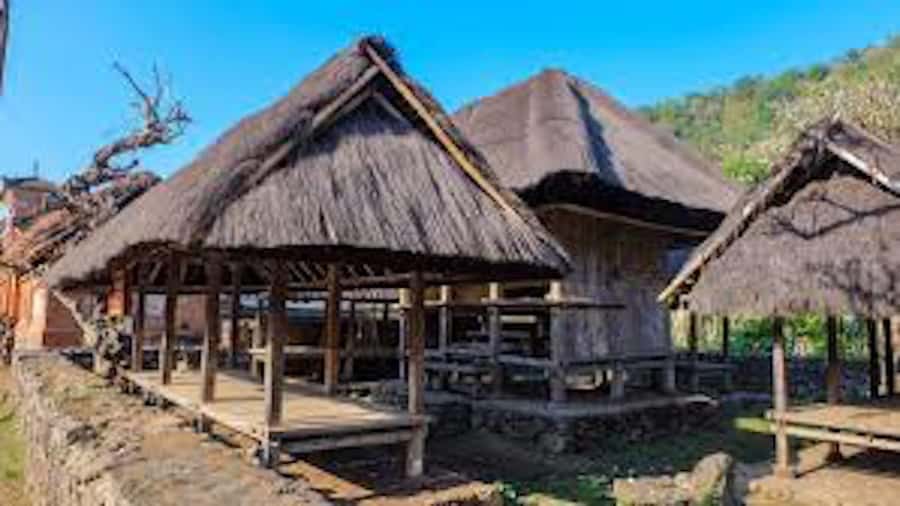
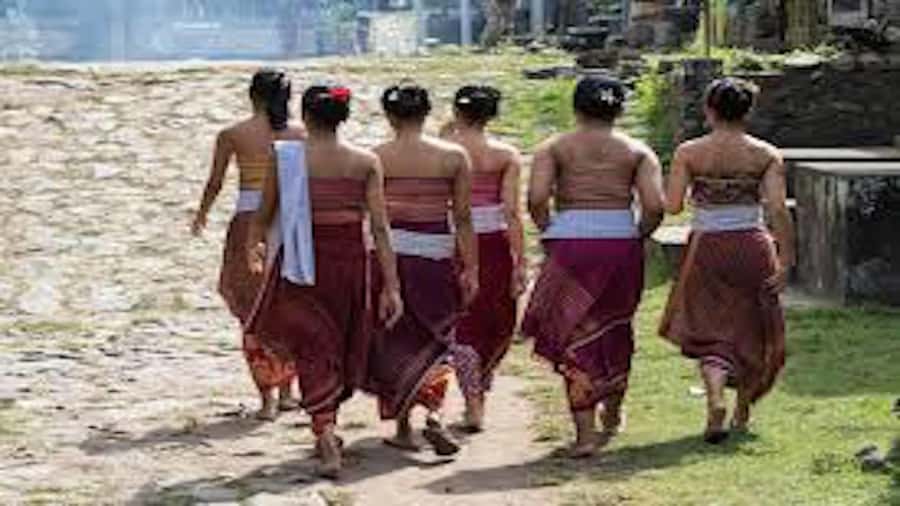
After Goa Lawah, you head to Tenganan, where you meet the Aga people of Bali—an indigenous community that lived here long before later empires influenced the island. The tour includes a guided walk through the village, which is where this stop becomes more than just a scenic detour.
You’ll hear explanations about how the community maintains distinctive traditions, especially around weaving and batik textiles. This is one of those cultural stops where the guide really matters, because the value is in the context: what the textiles represent, why the patterns and practices are preserved, and how daily life ties to faith and community rules.
In practical terms, go in with “small and slow” expectations. The charm is in the details—workshops, textures, and people at work—rather than huge monuments. Wear breathable clothing, but keep it respectful for temple and village settings.
Tirta Gangga: water fountains, bathing pools, and ocean-rice views
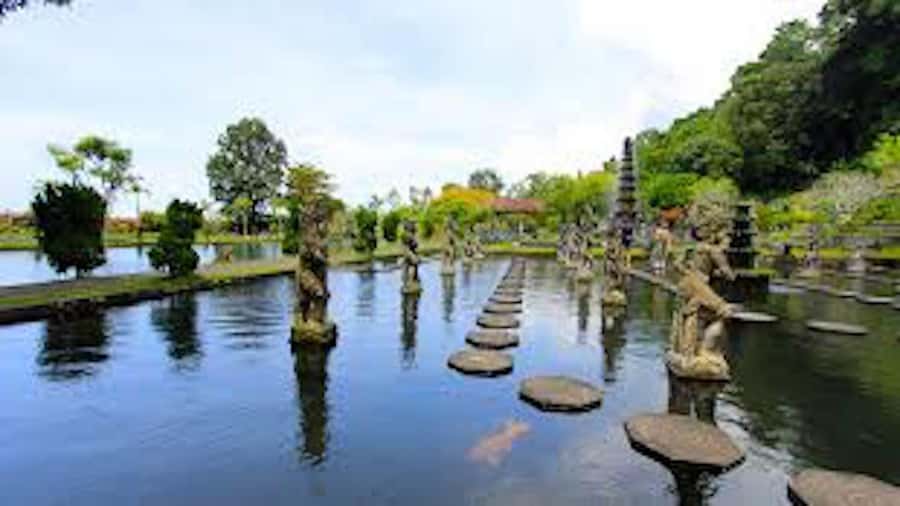
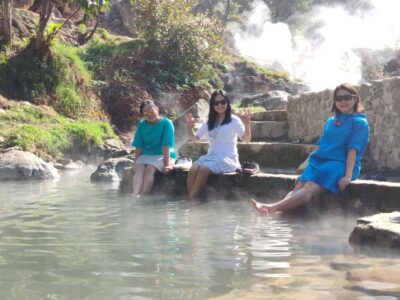
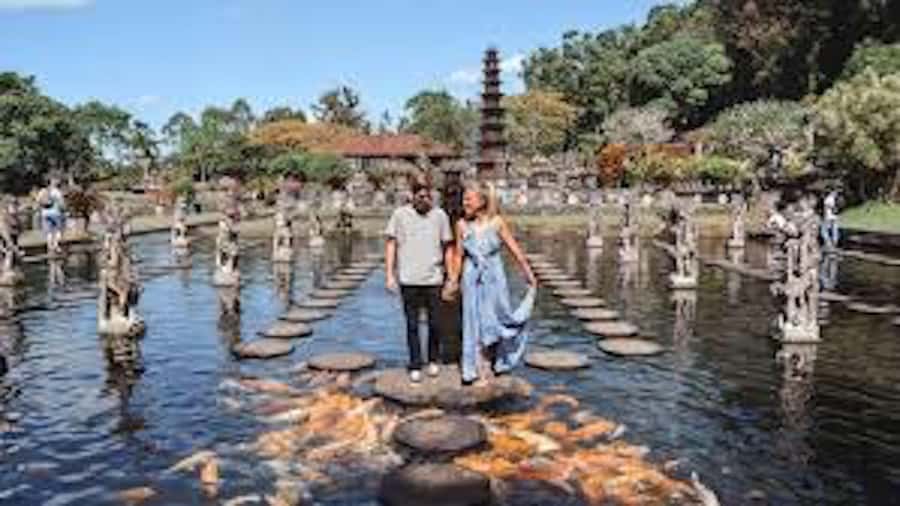
Next up is Tirta Gangga, often described as Water of the Ganges. The best way to understand it is this: it’s a water palace designed to be experienced through pools, fountains, and garden pathways. You’ll see decorative ponds and statues, plus plants and water features that make the whole place feel like a planned series of “pause here and look” moments.
One of the joys here is the view outside the palace grounds. You can take in the ocean in the distance and the rice paddies in the nearer foreground, which adds a sense of calm after the earlier temple intensity.
Photo reality check: some parts of the water palace can get busy, particularly around the stepping stones and the most popular angles. If you’re sensitive to crowds, your guide’s timing helps a lot—ask them to point you to quieter viewpoints and take your photos without rushing.
Taman Ujung Water Palace near Mount Agung: ponds, bridges, and Balinese design
Taman Ujung sits in Karangasem Regency at the base of Mount Agung, and it’s another water palace stop with its own visual “signature.” You’ll walk through ponds, bridges, and picturesque pathways while your guide explains the intricate Balinese architectural style behind the layout.
What I like about pairing Tirta Gangga and Taman Ujung is that it gives you comparison. Even though both are water palaces, the feel changes from one complex to the next—one leans more toward lively palace garden energy, while the other can feel calmer depending on the day.
If you’re lucky with timing, this stop can be less crowded than the most famous sites, which makes it easier to enjoy the grounds and take your time with photos. If it’s busy, it’s still worth it—just plan for shared space and be patient on pathways.




Private guide and air-conditioned car: the real value is how the day runs
At $41 per person for a full-day private guide and air-conditioned transport, the value is not just where you go—it’s how you get there. East Bali roads and temple timing can be tricky, and a good guide smooths that out by managing your schedule and keeping you moving at a human pace.
The guides associated with this tour are repeatedly praised for photo help and on-the-spot problem-solving: taking thoughtful pictures, helping you stand where you’ll actually get the shot, and keeping you comfortable in traffic. Names you may see tied to smooth days include people like Kadek Janu, Gede Susila, Agung, and Edi—each noted for friendliness, safety, and practical guidance.
One more practical point: the car ride matters because the driving time between major stops isn’t trivial. You’ll likely spend a good chunk of the day in transit, and when traffic hits (it always can), air-conditioning helps a lot.
Price and logistics: the math you should do before you go
The headline price is $41 per person, and that’s a strong deal for a private, English-speaking guide with air-conditioned transport. But you have to budget for what’s not included.
Here’s what you should plan to pay separately:
- Entrance fees at the attractions: estimated around IDR 150,000 per person
- Lunch: not included, so bring a packed lunch
Also plan to carry cash, because some sites don’t support card payment and tickets are typically handled onsite. Your guide may help if something goes sideways, but don’t rely on that. Bring spare small bills for toilets and quick purchases too.
Finally, start your expectations with the reality of an early day. You’re up before the heat rises, you’re walking temple grounds and palace steps, and you’re packing in five major experiences. This is a day trip that works best when you go in ready for a marathon—not a gentle afternoon stroll.
What to pack for a 9-hour East Bali day
This tour asks a bit from your feet and your patience, so pack like you’re going walking plus sun plus waiting.
Bring:
- Comfortable shoes (you’ll be on uneven temple/palace ground)
- Sunglasses and a sun hat
- Snacks and a packed lunch (lunch is not included)
- Mineral water is included, but don’t skip your own water needs if you sweat easily
A small strategy: keep your day bag light, but make sure your essentials are easy to grab. If you’re filming and photographing, wear something that lets you move fast when your guide spots a good photo moment.
Who this tour fits best (and who should skip it)
This tour is best for people who want a full East Bali highlight day without juggling drivers, route planning, or timing. If you care about temple culture plus water-palace design, you’ll get a lot out of the day’s mix.
It is not suitable for:
- Pregnant women
- Wheelchair users
- Women on period (this is specifically not allowed)
If you’re traveling with mobility limits or health constraints, it’s worth choosing a different format that offers shorter walks and more flexibility. This one is built for early starts, temple walking, and long seated transit.
Should you book this East Bali tour?
I’d book it if you want a single-day East Bali hit list that still feels grounded in culture: bats at Goa Lawah, living traditions in Tenganan, and two different water palaces with great viewing and photo opportunities. The private guide and air-conditioned car are what make it work at this pace, and the early push toward Lempuyang is the difference between photos with patience and photos with frustration.
Don’t book it if the early wake-up is a dealbreaker, or if you’re the type who hates extra costs (entrance fees and lunch are on you). Also think twice if you’re affected by the period or pregnancy restrictions.
If you’re flexible, go early, bring cash, and wear shoes you trust—this is one of those Bali days that can feel like more than the sum of its stops.
FAQ
How long is the tour?
It lasts about 9 hours.
What time does the day usually start?
You start from your hotel very early, around 5:00 AM, before heading toward Lempuyang Heaven Gate.
Is lunch included?
No. You’ll need to bring a packed lunch.
Are entrance fees included in the price?
No. Entrance tickets are estimated at around IDR 150,000 per person.
Do I get a guide and is it in English?
Yes. The tour includes a live English guide and a private guide setup.
Where does pickup happen?
Pickup is included from several areas including Ubud, Sanur, Kuta, Nusa Dua, Jimbaran, Seminyak, and Canggu. Pickup from Uluwatu has an extra driver fee.
Does the tour include private air-conditioned transport?
Yes. You travel in an air-conditioned car with your guide.
Is it suitable for wheelchair users or pregnant women?
No. It is not suitable for wheelchair users or pregnant women.
What’s the cancellation and pay-later situation?
You can cancel up to 24 hours in advance for a full refund, and there’s a reserve now & pay later option.