Ubud on an e-bike feels like a shortcut through the real Bali. In about 4.5 hours, this Ubud e-bike tour threads Tegallalang Rice Terraces with temple stops and a coffee-culture visit, all with a personal guide and photo moments.
I love the mix: you get culture that is more than photo stops, plus real time in the countryside. The second thing I like is the practical pacing, with structured stops so you’re not just rushing from one viewpoint to the next.
One thing to consider: the coffee plantation admission ticket isn’t included, so plan on paying that extra if you want the full stop at Uma Pakel Agro Tourism.
In This Review
- Key highlights to plan for
- An Ubud E-Bike Route Built Around Rice, Temples, and Coffee
- Getting Started: Pickup, Private Group, and Your E-Bike Setup
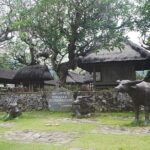
- Stop 1 in Tegalalang: Visiting a Balinese House (Not a Museum)
- Stop 2 on Jalan Pejengaji: A Balinese Temple Visit with Architecture and Spirit
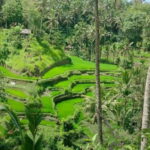
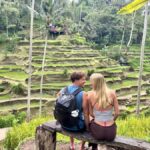
- Stop 3: Tegallalang Rice Terrace and the Walk Between Layers
- Stop 4 at Uma Pakel Agro Tourism: Coffee Plantation Culture
- Lunch, Water, and the Photo-Forward Way Guides Work
- Safety and Comfort on a Busy Ubud Day
- Price and Value: Is $44.07 a Good Deal?
- Who Should Book This Ubud E-Bike Tour
- Quick Practical Tips Before You Go
- Should You Book This Ubud E-Bike Tour?
- FAQ
- How long is the Ubud e-bike tour?
- What does the tour cost?
- Do you get pickup in Ubud?
- Where is the meeting point?
- Is this a private tour?
- What’s included in the tour?
- Is lunch included?
- Are tickets included for all stops?
- Is the tour suitable for most travelers?
- What is the cancellation policy?
Key highlights to plan for
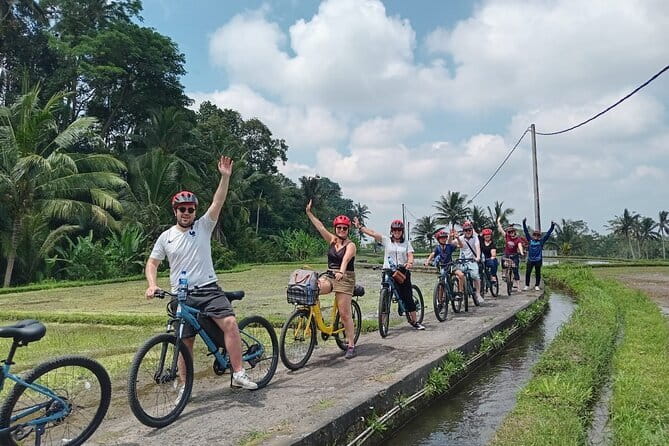
- Private-group touring so you can move at your group’s pace
- Free pickup in the Ubud area plus a guide who manages busy streets
- Tegallalang rice views paired with a visit to a traditional Balinese house
- Temple stop on Jalan Pejengaji that keeps the focus on spirituality and architecture
- Balinese lunch included and water provided
- Coffee plantation visit with ticket not included (small budget note)
An Ubud E-Bike Route Built Around Rice, Temples, and Coffee
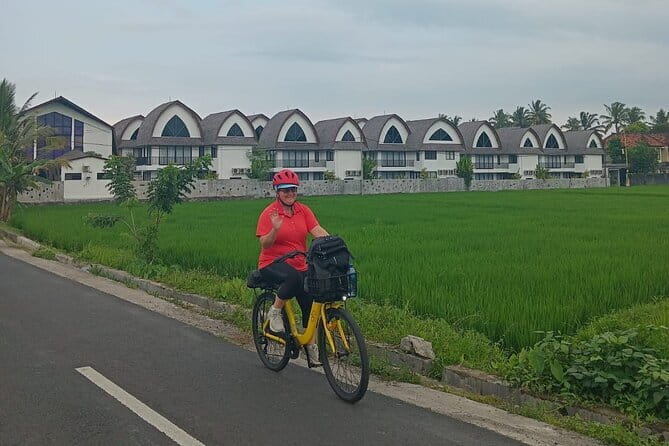
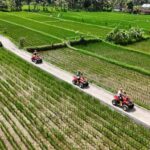
This is the kind of tour that makes Ubud feel walkable, even when roads get hectic. You’re on an electric bike, but the day is planned like a story: everyday life first, then spirituality, then the classic rice-terrace scenery, and finally coffee culture in a plantation setting.
The real value is how the stops connect. You don’t just see the big names like Tegallalang and call it a day. You also get time at a traditional Balinese house and a Hindu temple visit, which helps you understand what you’re looking at while you’re looking at it. And because it’s a private tour, the guide can slow down when questions pop up or when you want another photo angle.
You can also read our reviews of more tours and experiences in Ubud.


Getting Started: Pickup, Private Group, and Your E-Bike Setup
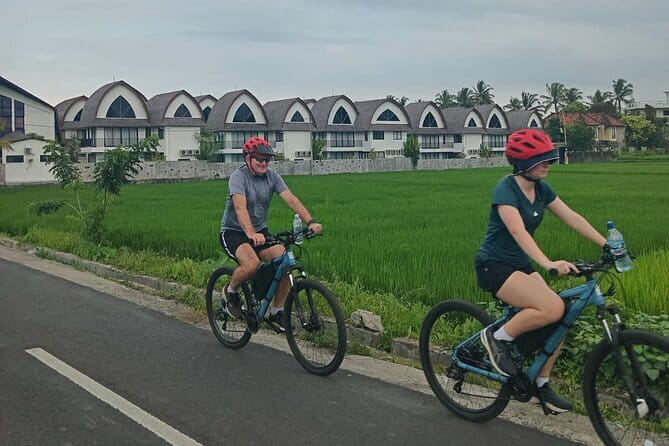
The tour runs about 4 hours 30 minutes, which is long enough to feel like you left Ubud, but not so long that you’re cooked by late morning. Pickup is offered free within the Ubud area, and the experience includes a mobile ticket.
Before you roll out, you’ll have the basics you need: an electric bike, safety equipment, and a personal guide. That matters because Ubud has busy stretches. A guide helps you get through traffic smoothly, and the structure of the route means you’re not constantly asking where to turn next.
Also, this is a private tour, meaning it’s only your group. That’s a big deal if you’re traveling with family or friends who want a calmer pace, or if you just hate the feeling of being stuck behind strangers while you try to enjoy the views.
Stop 1 in Tegalalang: Visiting a Balinese House (Not a Museum)
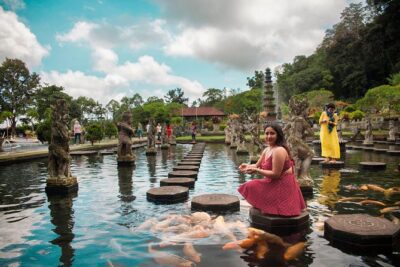
Your first named stop is in Tegalalang, with a visit to a Balinese traditional house. This is one of those cultural visits that can be either super staged or genuinely useful. What I like here is that it’s framed as more than a photo moment: a Balinese home is described as living space that reflects island culture.
You spend about 30 minutes here. That timeframe is smart. It’s enough time to see how the place is set up and to learn what matters to the people who live there, without turning it into an endurance event. If you’re the type who likes small details, this stop is where you start to notice how daily life, space, and tradition fit together.
Practical tip: wear something comfortable and breathable. Even if you’re not doing a long walk, house visits often involve short distances and a lot of looking.
Stop 2 on Jalan Pejengaji: A Balinese Temple Visit with Architecture and Spirit
Next is Jalan Pejengaji, where you visit a Balinese Hindu temple. This stop is also about 30 minutes, and it’s positioned as a way to experience the island’s spirituality through lived-in traditions and architecture.
A temple stop can go two ways on tours: either it’s a quick pause for photos, or it turns into quiet learning. The experience here is described around the combination of ancient tradition and impressive design elements. That’s a better match for most people, because you’ll see more than a gate and a view.
What you can take away: temples in Bali aren’t just backdrops. They’re tied to daily beliefs and community life, and they shape how people think about place. Even if you don’t read every detail, being there with a guide helps you interpret what you’re seeing.
Stop 3: Tegallalang Rice Terrace and the Walk Between Layers

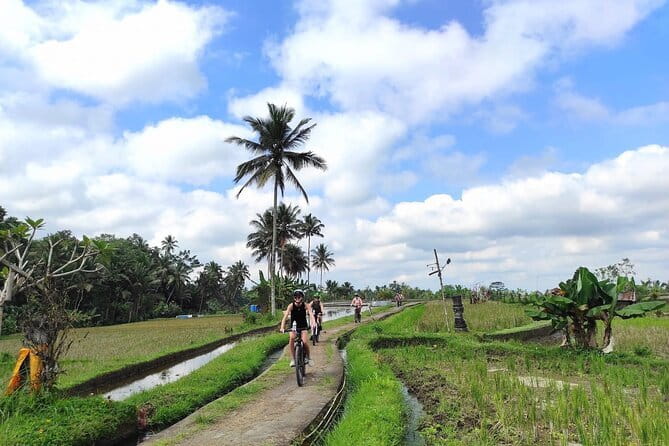
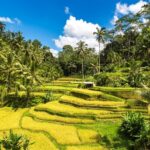
Then you hit the star of the show: Tegallalang Rice Terrace, also in the Tegalalang area. You get about 1 hour, and the admission ticket is included for this stop.
This is the section where your senses really get involved. The terraces are famous for a reason: the visuals are layered, and the irrigation-style logic of rice farming becomes easier to understand when you’re actually there, looking across levels instead of scrolling a brochure.
Time is the key here. If you only see the rice terraces from the road, you miss the “why it looks like that” part. With an hour on-site, you have room to pause, take photos, and listen to the guide’s framing of the terraces as living farmland, not just a scenic stop.
One practical consideration: rice-terrace areas can be slippery or uneven depending on the surface and recent rain. Choose shoes you can stand and move in confidently. If you’re unsure, bring footwear with grip.



Stop 4 at Uma Pakel Agro Tourism: Coffee Plantation Culture
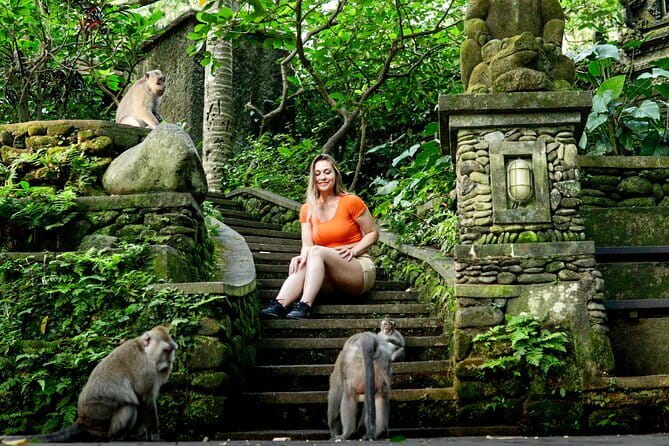
After rice, you switch gears to Bali’s coffee culture. The stop is at Uma Pakel Agro Tourism, and it lasts about 1 hour. You also get the coffee plantation time, but here’s the budget note: the admission ticket is not included.
This matters because people often assume a coffee stop is just tasting and walking. In reality, a plantation visit can include entry fees and structured activities once you’re on site. So if you’re strict about costs, this is where you’ll want to plan ahead.
That said, coffee plantation stops are usually worthwhile when they’re framed as culture and production, not just selling souvenirs. The tour description points you toward a local plantation experience, with time for wandering and enjoying what they offer. And it’s a nice contrast after temple and terraces—different setting, different pace.
If coffee isn’t your thing, you can still enjoy the walking and scenery. But since the ticket is extra, you’ll want to decide whether it’s worth it for you before you go.
Lunch, Water, and the Photo-Forward Way Guides Work
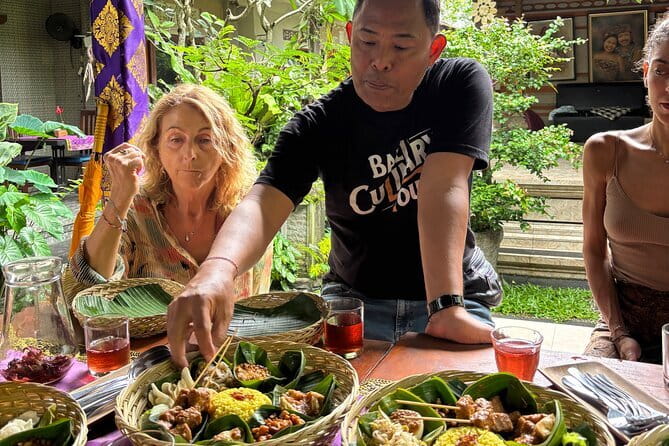
One of the strongest parts of this tour is what’s built into the day beyond scenery. You get a delicious Balinese lunch and water, and the experience includes photos taken all along the way.
That last piece sounds small until you realize how often e-bike tours turn into you handing your phone to strangers. Here, your guide handles photo moments during the trip, which helps you relax and actually enjoy the route. In the feedback I saw, the guide Raika was specifically praised for being friendly and making sure there were plenty of photos and even videos.
Also, that “personal guide” support isn’t just for photos. It helps on the practical side too, like guiding you through busier streets so you don’t feel stressed about where you’re going next. Ubud is beautiful, but it can be chaotic in motion. A good guide turns that chaos into a controlled ride.
Safety and Comfort on a Busy Ubud Day
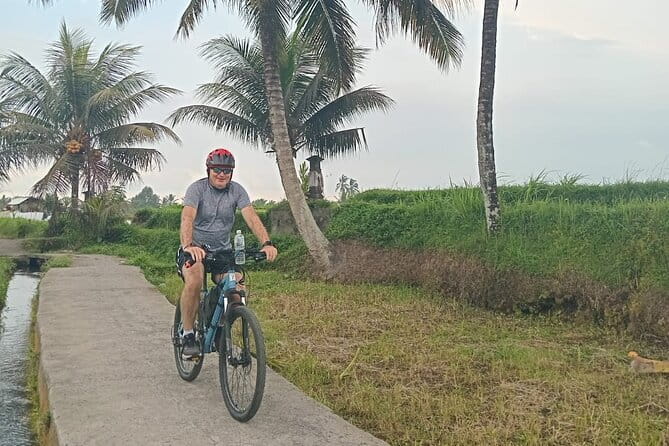
You’re riding an electric bike, but safety isn’t left to luck. The tour includes safety equipment, and your guide manages the route so you’re not constantly braking hard or second-guessing your turns.
The bike itself helps a lot. Electric assist makes the terrain more forgiving, so you can focus on enjoying the scenery and stops instead of pushing your body to keep up.
If you’re someone who’s unsure about riding, start with a simple approach: treat the bike like transport, not a stunt. Keep both hands on the handlebars, go slower when the guide indicates, and follow any stop-and-go instructions. Your best experience comes from smooth, calm riding.
Price and Value: Is $44.07 a Good Deal?
At $44.07 per person for about 4.5 hours, this isn’t a budget-by-cutting-corners tour. You’re paying for a working guide, an electric bike, safety gear, pickup in the Ubud area, and included meals.
Here’s what you get that you’d otherwise have to piece together:
- Electric bike and safety equipment
- Personal guide support for the route
- Free pickup in the Ubud area
- Balinese lunch and water
- Photo moments taken during the ride
- Rice-terrace admission included
The one clear extra cost to remember is the coffee plantation ticket, since that admission is not included. When you budget for that, the total starts to make more sense as a full guided half-day with several structured stops.
If you’re comparing against DIY options, the value is in the time savings and reduced stress. You’re not driving or trying to line up separate tickets and transportation between Tegalalang and the temple area, then figuring out how to navigate the street sections with parking headaches.
Who Should Book This Ubud E-Bike Tour
This tour is a strong fit if you want:
- A half-day plan that feels like a real itinerary, not random stops
- A blend of rice terraces + temple culture + coffee culture
- Someone managing the route for you while you enjoy the scenery
- Included lunch and photos, which makes the day easier
It may be less ideal if you only want one theme. For example, if your dream day is strictly rice views with no cultural stops, you might feel the house and temple segments take time away from additional terrace time.
It also helps to like gentle learning. The house and temple visits are there to explain what you’re seeing. If you’d rather just watch from a viewpoint and move on, you can still enjoy the visuals, but the cultural framing is part of the point.
Quick Practical Tips Before You Go
A few things make this kind of Ubud e-bike day more comfortable:
- Wear grippy, closed-toe shoes (terrace areas can be uneven)
- Bring a light layer if you’re sensitive to morning breeze
- Have sunglasses and sunscreen ready; you’ll be outside for multiple stops
- If you’re budgeting, remember the coffee plantation admission is not included
- Plan your day around a half-day window, since it loops back to the meeting point
Also note that the activity is listed as starting at Ubud Cycling Tour – eBikes Ubud Tour, on Jl. Raya Sapat, Tegallalang. The tour ends back at the meeting point, which makes it easier to plan your next meal or onward travel.
Should You Book This Ubud E-Bike Tour?
I’d book this if you want an organized Ubud countryside day that covers the big sights without turning into a checklist. The combination of Tegallalang rice terraces, a Balinese house visit, and a temple stop gives you context, not just scenery. Add included lunch, water, safety support, and guide photo help, and it’s easier to relax than a DIY ride.
Skip it or consider another option if you’re very budget-tight because of the coffee plantation admission not being included, or if you want a tour with one single theme and no cultural detours.
If you’re ready for a day that mixes nature, spirituality, and coffee culture at a human pace, this one is a smart bet.
FAQ
How long is the Ubud e-bike tour?
The tour runs for about 4 hours 30 minutes.
What does the tour cost?
The price is $44.07 per person.
Do you get pickup in Ubud?
Yes. Free pickup is offered within the Ubud area.
Where is the meeting point?
The start is at Ubud Cycling Tour – eBikes Ubud Tour, Jl. Raya Sapat, Tegallalang, Kec. Tegallalang, Kabupaten Gianyar, Bali 80561, Indonesia. The tour ends back at the meeting point.
Is this a private tour?
Yes. It’s a private tour/activity, so only your group participates.
What’s included in the tour?
Included items are the electric bike, safety equipment, photos taken along the way, free pickup in the Ubud area, a personal guide, delicious Balinese lunch, and water.
Is lunch included?
Yes. A delicious Balinese lunch is included.
Are tickets included for all stops?
The rice terrace admission is included, but the coffee plantation ticket is not included. Free admission is listed for the house and temple stops.
Is the tour suitable for most travelers?
It’s listed as suitable for most travelers to participate.
What is the cancellation policy?
You can cancel for free up to 24 hours in advance for a full refund. If you cancel less than 24 hours before the start time, the amount paid is not refunded.