In This Review
- A morning that turns into a waterfall story
- I especially loved the hands-on cooking
- One thing to plan around
- Key highlights at a glance
- Why this Ubud day mixes market, cooking, and Uma Anyar
- Getting there: early pickup and why the timing feels tight but manageable
- Stop one near Jalan Raya Laplapan: the market that sets up your meal
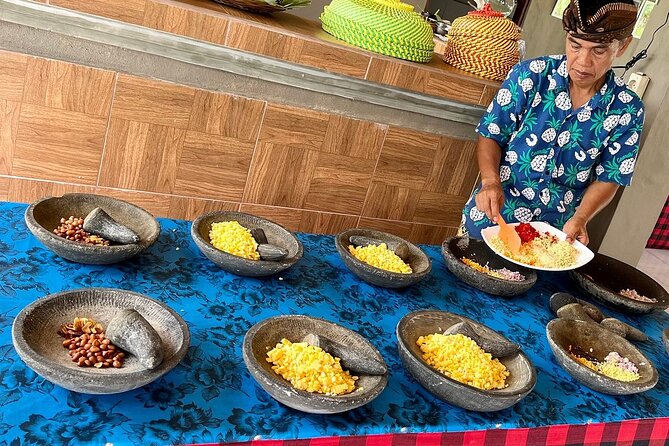
- Balinese cooking class at the rice paddies: hands-on skills you can repeat
- Meat or vegan options that still feel Balinese
- You actually cook, step by step
- The spice paste base is the skill
- Lunch: what you make, not what you’re handed
- A small pacing tip
- Uma Anyar / Secret Waterfall: showers, a swim, and how to time your photos
- How to use the waterfall time well
- Price and value: what $21.44 really gets you
- Who this tour suits best (and who might want something else)
- It’s not for you if…
- Small details that make the difference
- Should you book this Ubud waterfall and cooking day?
- FAQ
- How long is the full day Ubud waterfall visit and cooking experience?
- What is included in the price?
- Is pickup offered?
- Where do I meet and where does the tour end?
- What does the cooking class include?
- Do I need cooking experience?
- Is the market stop guaranteed?
- Can I swim at the waterfall?
- What is the cancellation policy?
A morning that turns into a waterfall story
Waking up early in Ubud can feel intense. Then you’re cooking Balinese food by sunrise light, and later you’re cooling off at a waterfall in the same day. This full-day combo tour starts with A/C pickup (usually around 6:30–7:40 AM, depending on where you’re staying), then moves through a local market, a practical Balinese cooking class, and ends at Uma Anyar / Secret Waterfall.
I especially loved the hands-on cooking
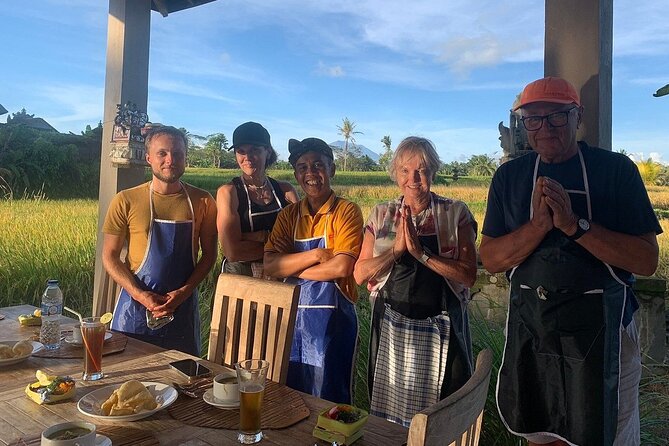
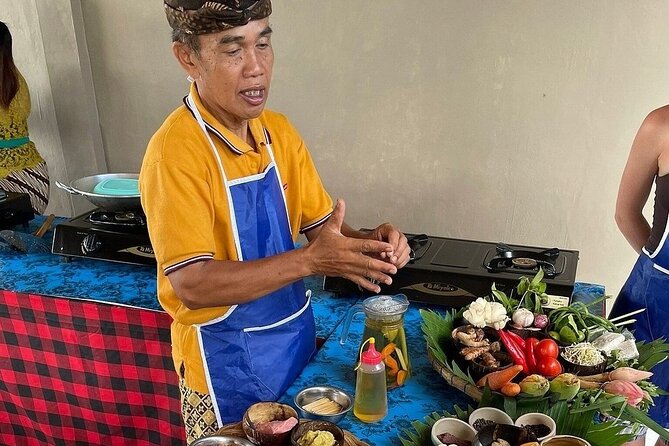
Two things I really liked: first, you don’t just watch. You get to chop, grind, fry, and grill satay, including the fun touch of grilling with a coconut shell. Second, you eat what you make right after—your lunch comes straight from your own cooking session. If you’re lucky with the chef team, you’ll get guidance in a warm, real-world way (one class I saw mentioned Chef Wayan).
You can also read our reviews of more tours and experiences in Ubud.


One thing to plan around
The main catch is timing and weather. The day starts early, and the market visit is only done if it isn’t raining. Also, waterfall swimming depends on conditions like calm water and not being rained out.
Key highlights at a glance
- A traditional market stop: see what locals pick for daily cooking—fruit, vegetables, and spices
- Cooking with provided tools and ingredients: no experience needed, and you’ll make both meat or vegan dishes
- Hands-on Balinese spice paste: learn the base technique many dishes rely on
- Satay cooked the showy way: you can grill satay using a coconut shell
- Uma Anyar / Secret Waterfall: an upper waterfall for showers and a lower cascade where you can swim when conditions are right
- Small group feel (max 20): easier pacing for questions and hands-on time
Why this Ubud day mixes market, cooking, and Uma Anyar
Ubud tours can split into two types: you either do nature and views, or you do culture and food. This one tries to connect both—so your day makes sense like a sequence, not three disconnected stops.
The market part matters because it explains the ingredients you’ll later use. Instead of hearing vague words like herbs and spices, you see what people buy and how they think about daily cooking. Then the cooking class turns those ingredients into actions: grinding spices, building paste, and cooking dishes in a way that feels repeatable at home.
And the waterfall finish isn’t just a photo stop. The goal is to let your body reset after time in a kitchen and in a vehicle. You can take a natural shower at the upper falls, and if conditions are right, you can swim and relax in the calmer lower cascade.
This is the kind of tour that’s especially satisfying when you like doing rather than hovering.
Getting there: early pickup and why the timing feels tight but manageable
Pickup happens in the morning, but the exact window varies by your stay—think 6:30–7:40 AM. That means you’ll want to be ready the night before. Bring a light layer too; early mornings can feel cooler, even in Bali.
The group rides in an air-conditioned vehicle, which is a big quality-of-life upgrade in Ubud traffic and humidity. The tour also has a built-in rhythm: you’re not stuck only waiting in the car. Your first stop happens after the morning drive, and the itinerary then alternates between short activity bursts and travel time.
One practical point: the cooking workshop is about a 10-minute drive from the meeting point, and travel time to the cooking class can be 30 minutes to 1 hour depending on where you’re staying. So if you’re staying farther out, your pickup time may feel more urgent. If you’re already central, you’ll likely feel the day move at a good pace.
Also, this tour uses a mobile ticket, which makes life easier once you’re in Bali.
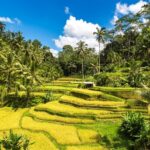


Stop one near Jalan Raya Laplapan: the market that sets up your meal
Your first meaningful cultural moment is a traditional market stop. In many areas, markets are like theater: colors, smells, and a quick flow of daily purchases. Here, the market visit is a window into Balinese daily activity—especially how people select fruit, vegetables, and spices for cooking.
If it’s not rainy, you’ll stop at the market. If it is rainy, the flow of the day still works, but you may lose that part of the experience. I’d plan for that possibility so you don’t feel like the day changed unfairly. The good news: even when weather affects the market, the cooking class still gives you the core value.
What I like about doing the market before cooking is simple: it turns ingredients into context. When you later see chili, aromatics, and spice blends, you understand what role they play in a meal rather than just memorizing flavors.
And because you’re in a small group (max 20), you can ask what things are for while it still feels fresh.
Balinese cooking class at the rice paddies: hands-on skills you can repeat
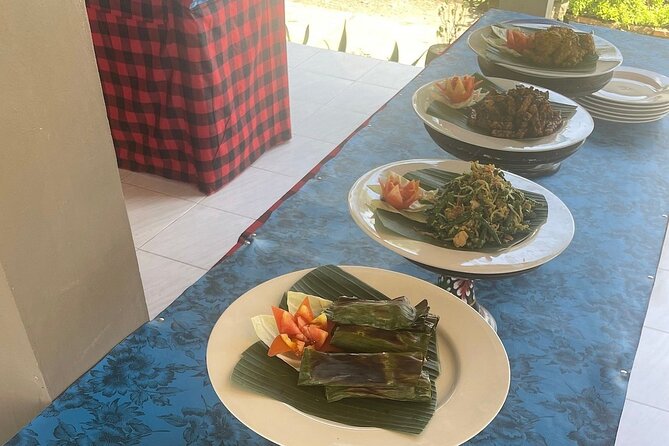
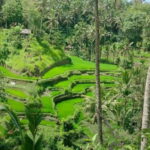
The cooking class happens at a workshop setting with views of rice paddies, which helps you shift from road-time into food-time. The vibe is practical and friendly, and the key promise is that it’s designed so you don’t need prior cooking experience.
Meat or vegan options that still feel Balinese
The class teaches Balinese food with options that include meat or vegan. That matters if you’re traveling with dietary needs—because you’re not “settling” for a bland adaptation. You’re learning the same foundational techniques, then applying them to the dish types you choose.
You actually cook, step by step
This isn’t a demo where you sit back and admire. You’ll do hands-on tasks like:
- chopping ingredients
- grinding spices
- frying and cooking components
- grilling satay, including using a coconut shell for the grill method
The coconut shell satay detail is one of those small things that makes the class memorable. It also teaches the broader idea that Balinese cooking often connects tools, ingredients, and technique in a natural way—not just in a restaurant style.
The spice paste base is the skill
A standout part of the class is learning to make the traditional Balinese spice paste that acts as a base for many dishes. If you learn one thing that travels home with you, make it that. Once you understand how a paste is built, you can adapt it with local ingredients later.
This is exactly why the class feels useful. You leave with the sense that you learned a method, not just a menu.
Lunch: what you make, not what you’re handed
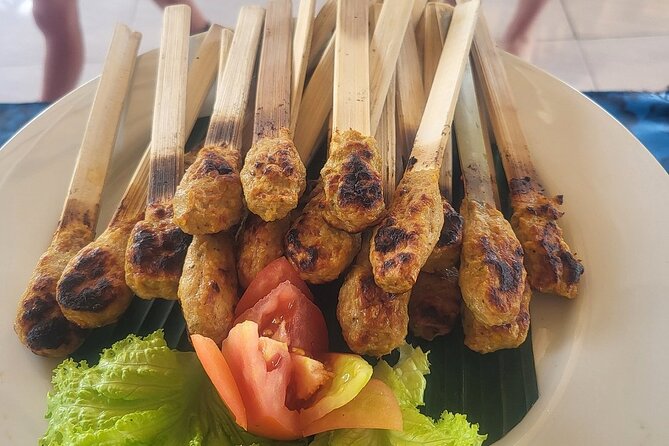
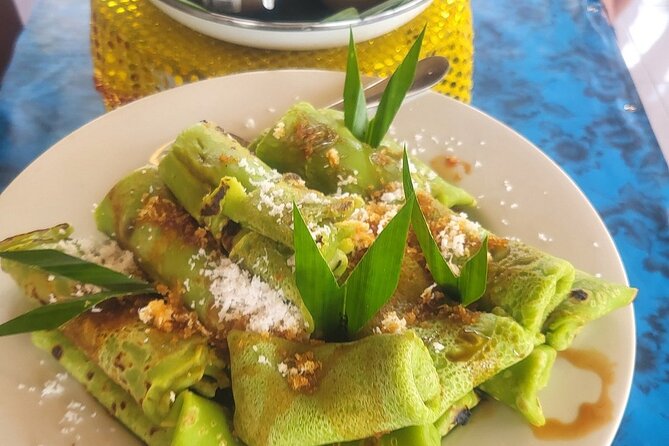
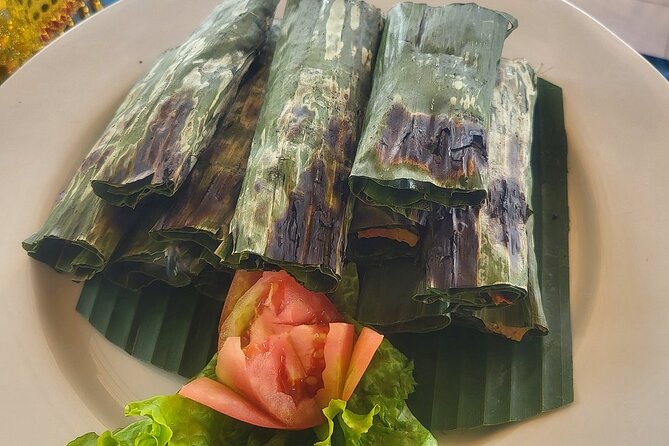
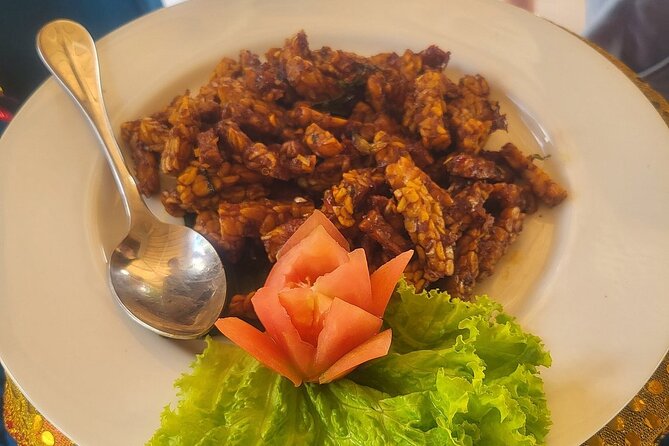
Lunch is included, and it’s tied directly to the cooking class. You enjoy the food you made after the class finishes.
That one detail changes the whole experience. Instead of thinking, I paid for a class and got a random meal, you think, I made that. It’s a direct reward loop—especially if you like tasting while the memory of the cooking process is still fresh.
A small pacing tip
Plan to eat at a normal pace and save room for snacks after, if you want them. Balinese dishes can be flavorful and filling, and you’ll probably be a bit more active during the cooking than you expected.
Also, keep in mind that you’ll likely be in the next travel segment after lunch. So if you’re the type who gets sleepy after eating, bring a little energy backup—water, a light snack from your own stash, or just keep moving with the group.
Uma Anyar / Secret Waterfall: showers, a swim, and how to time your photos
After cooking and lunch, you head to Secret Waterfall, also described as Uma Anyar Waterfall. This stop is the day’s big nature payoff.
Here’s what to expect:
- an upper waterfall, where you can take a natural shower
- a lower cascade where you can swim and relax when the water is calm and it’s not rainy
That “when conditions are right” line is important. Waterfalls are amazing, but they’re not a guaranteed swimming pool. If it’s been raining, flows can be stronger and the ground can get slick. In that case, you’ll still get the view and the experience of being there—just without the swim being the main event.
How to use the waterfall time well
I’d treat this stop like a reset:
- Spend the first part letting your body cool down with the shower.
- Then decide whether swimming feels safe and comfortable based on what you see on the day.
If you love photos, bring your expectations down to a realistic level: waterfalls are always slightly dramatic, and the best shots usually come from timing and patience rather than rushing.
Also, because the day started early, this is a good time to slow down a bit. It’s not the “run and chase” part of the itinerary.
Price and value: what $21.44 really gets you
At $21.44 per person, this is one of those deals that feels more fair when you break it down.
You’re getting:
- an air-conditioned round-trip-style day with pickup
- a market stop
- a Balinese cooking class with tools and ingredients included
- lunch (the food you make)
- bottled water
- waterfall admission included
Most Bali food experiences charge extra for the “included” parts. Here, you’re not paying separately for ingredients or tools. You’re also not stuck waiting for someone else to cook and then pretending to enjoy lunch. You cook, you eat, and then you go enjoy the waterfall.
It’s also a small group experience (max 20), which often makes the class feel less rushed. And it’s easy to book with a mobile ticket. Average booking timing is about 6 days in advance, so it’s not one of those last-minute-only deals.
Is it a luxury day? No. But it’s a strong value day if you want culture you can taste, plus nature you can actually enjoy.
Who this tour suits best (and who might want something else)
This tour is ideal if you want a “do it yourself” day. If you like cooking, or you’ve ever wished you could recreate spice flavors at home, you’ll get satisfaction from the spice paste base and the hands-on cooking steps.
You’ll also like it if you want a calmer waterfall moment rather than just standing behind a fence. The upper shower and possible lower cascade swim are a good combination when conditions cooperate.
It’s not for you if…
You hate early mornings. The pickup is early, and the day runs about 8 hours. You’ll also want to be flexible about weather since the market visit may be skipped if it rains.
If you’re the type who wants totally private pacing, also consider that this runs with a maximum group size of 20. That usually feels friendly, but it’s not a solo luxury experience.
Small details that make the difference
A few practical notes can help you enjoy the day more:
- Bring swim shoes or something grippy if you plan to swim. The day includes a potential river swim at the lower cascade.
- Expect wet spots and moisture around the waterfall. Pack accordingly.
- Wear layers so you can adjust from morning air to cooking heat.
- Plan your water and energy: bottled water is provided, but it’s still a long day.
- Choose meat or vegan early so your cooking flow stays smooth.
The combo tour works because it doesn’t overload you with only walking or only sitting. You move from market to kitchen to nature, and each section has a clear purpose.
Should you book this Ubud waterfall and cooking day?
If your idea of a great Bali day includes hands-on Balinese cooking and a chance to enjoy Uma Anyar / Secret Waterfall, then yes—this is a smart booking.
Book it if:
- you want a cooking class where you actually participate, not just watch
- you like the idea of learning the spice paste base
- you want lunch included and tied to what you cooked
- you’re happy with an early pickup and a full 8-hour schedule
Skip it (or consider alternatives) if:
- you need a late start
- you can’t handle the idea that the market stop may change with rain
- you only want guaranteed swimming no matter the conditions
For me, the best part is the flow: you learn ingredients, you cook with them, you eat the result, and then you finish by cooling off in nature. That’s a day that sticks.
—
FAQ
How long is the full day Ubud waterfall visit and cooking experience?
It’s about 8 hours total.
What is included in the price?
The tour includes lunch, air-conditioned vehicle transport, bottled water, all fees and taxes, and cooking tools & ingredients.
Is pickup offered?
Yes. Pickup is offered from your stay, with pickup timing varying by location (around 6:30–7:40 AM).
Where do I meet and where does the tour end?
Start: AM Mart Pejeng (Jl. Raya Pejeng Tampaksiring, Pejeng, Tampaksiring area).
End: Warung Tumang Bali (Banjar Laplapan, Petulu, Ubud area).
What does the cooking class include?
You’ll learn Balinese cooking with options for meat or vegan, and you can participate in hands-on prep like chopping, grinding, frying, and grilling satay. A spice paste base is part of the class.
Do I need cooking experience?
No. The class is described as easy and suitable even if you have no cooking experience.
Is the market stop guaranteed?
The market visit is listed as happening if it’s not raining, so weather can affect whether you do that first stop.
Can I swim at the waterfall?
You can take a natural shower at the upper waterfall, and the lower cascade is described as a place where you can swim and relax when it’s not rainy and the water is calm.
What is the cancellation policy?
You can cancel for a full refund up to 24 hours before the experience starts. If you cancel less than 24 hours before, the amount paid is not refunded. Free cancellation is available based on the local cut-off time.