Jakarta’s street food lesson starts at 6 pm. This Mangga Besar tour pairs an English-speaking local foodie guide (Icha is a standout) with multiple tastings that leave you happily full, including crispy chicken and durian. I also love the small-group size (up to 8), which makes it easier to ask questions and switch tastings as you go. The one thing to keep in mind is that the night can run into closures or heavy traffic, so a couple of planned stops may change—and durian is part of the program, which won’t be everyone’s favorite.
In two hours, you’ll get a guided walk through West Jakarta’s street-food scene, where Indonesian cooking and Chinese influence mix in a very practical, you-can-eat-it-now way. The tour is built for first-time visitors who want flavor variety fast, without the guesswork of where to stand and what to order.
In This Review
- Key Things I’d Book It For
- Mangga Besar Street Food With a Local Foodie Buddy
- Price and What You Actually Get in 2 Hours
- Your 6–8 pm Game Plan: How the Tastings Move
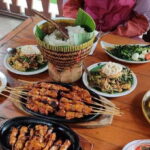
- Betawi Peranakan Set: Coconut Rice, Crispy Chicken, and Semur Jengkol
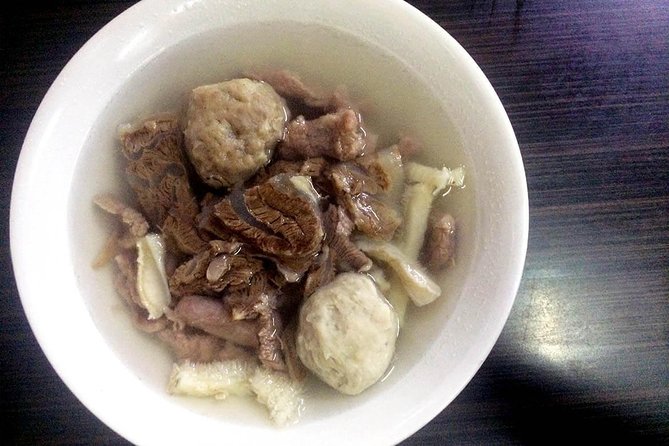
- North Sumatran Meatball Soup: The Warm, Savory Middle Stop
- Indonesian Chinese Street Food: Where Mangga Besar’s Influence Shows Up
- Legendary Bakery and Patisserie: The Sweet Intermission
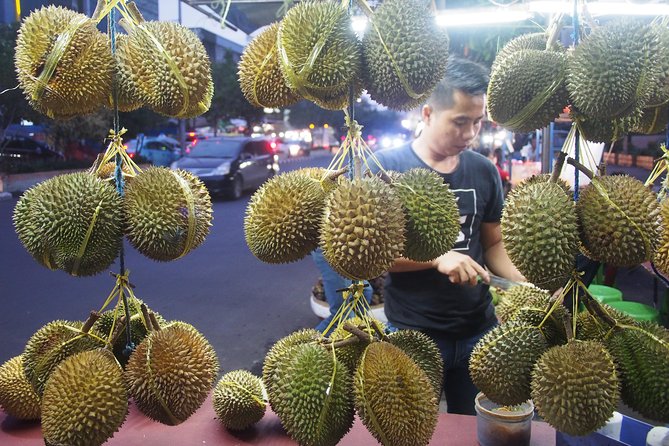
- Durian at Much Love Durian Medan: The Polarizing Finale
- Group Size, Comfort, and Food Options That Matter
- Who This Tour Fits Best (and Who Might Skip It)
- Final Verdict: Should You Book the Mangga Besar Food Tour?
- FAQ
- How long is the Mangga Besar Food Tour?
- What time does the tour run?
- Where do I meet for the tour?
- How many people are in the group?
- What food is included?
- Is there a vegan or vegetarian option?
- Do I need to bring drinks or extra food?
- Is durian included in the tour?
- What is the cancellation policy?
Key Things I’d Book It For
- Up to 6 tastings in about 2 hours: enough variety to learn, enough food to fill you up
- English-speaking local guide: you get real explanations and quick course corrections
- Betawi Peranakan set with semur jengkol: a specific, learnable taste of Jakarta-area cooking
- Indonesian Chinese street-food stops: this is where the neighborhood’s influence becomes obvious
- Legendary bakery and patisserie: sweet break, not just savory sampling
- Durian included via Much Love Durian Medan: a clear, optional-feel moment at the end
Mangga Besar Street Food With a Local Foodie Buddy
Mangga Besar is one of those Jakarta districts where food isn’t a side quest—it’s the main event. The best part of taking a guided tour here is that you don’t have to play detective. A local foodie buddy helps you navigate stalls and restaurants and, more importantly, explains what you’re eating and why it tastes the way it does.
You’ll be with an English-speaking guide who handles the flow of the night. In one recent experience, the guide Icha stood out for being fun and kind, with the confidence to talk you through what’s on offer. That matters because Indonesian food often makes sense only after someone points out the role of herbs and spices, the texture contrast, or the regional origin.
Also, the group stays small—maximum 8 people per guide. That’s a sweet spot for street food. With a big group, you get stuck watching from the edge. With a small group, you actually get to taste and react, and the guide can help you choose without turning the night into a race.
You can also read our reviews of more tours and experiences in Jakarta.

Price and What You Actually Get in 2 Hours
The tour costs $49.24 per person and runs about 2 hours, typically 6 pm to 8 pm. That’s not just a walking tour with snacks. It’s organized around 5–6 types of foods within the program, and they’re served in small-to-medium portions that are designed to be more than enough to make you full.
Here’s how I judge value for tours like this: you’re paying for (1) a curated set of tastings, (2) an English-speaking guide to connect the dots, and (3) the convenience of moving through a food-heavy neighborhood without wasting time deciding. If you’re arriving in Jakarta and want an easy first-night win, that convenience is worth a lot.
One good note: there are vegan and vegetarian options available, and you can inform the operator about food restrictions. That means you’re not stuck with the assumption that every stop is meat-forward. Still, it’s smart to message ahead so the team can handle substitutions smoothly.
Your 6–8 pm Game Plan: How the Tastings Move
You start at the Jayakarta SP Jakarta Hotel & Spa (Jalan Hayam Wuruk No.126, Glodok area in Mangga Besar/West Jakarta). The tour ends back at that same meeting point, so you’re not figuring out last-mile logistics at night.
The tasting rhythm is the whole design. You’ll hop between a mix of restaurants and street food vendors, with a guide controlling pacing and helping you order. Since the tour includes multiple styles—Betawi Peranakan, North Sumatran meatballs, Indonesian Chinese street food, bakery sweets, and durian—it’s basically a flavor tour of Indonesia with Jakarta as the stage.
One practical consideration: because this is a real neighborhood and not a closed food court, the flow can change. In one experience, a couple of planned locations moved or were closed, and heavy traffic on a Sunday affected timing. The upside is that a flexible guide can still keep the tastings on track.
Dress for comfort. You’ll be out during evening hours and likely doing plenty of short walking segments. Wear something you can sit in and stand in without stress—because when you’re hungry, you want the tour to feel smooth, not chore-like.
Betawi Peranakan Set: Coconut Rice, Crispy Chicken, and Semur Jengkol
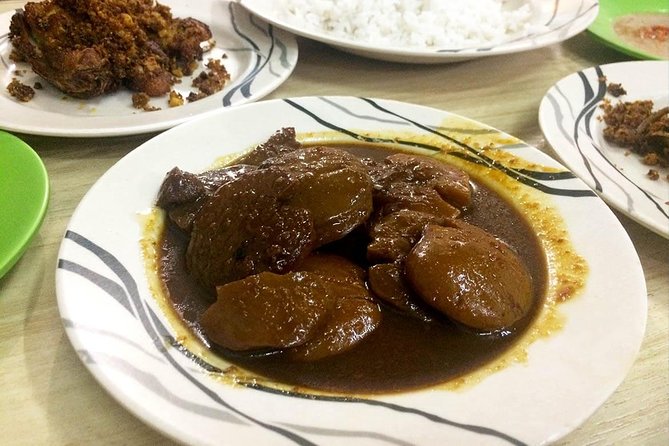
Your program includes a Betawi Peranakan set with coconut rice, crispy chicken, and semur jengkol (dogfruit stew). Even if you’ve never heard of jengkol before, this stop is a big part of why the tour feels “specific” rather than generic.
Here’s what I like about this meal structure:
- Coconut rice gives you instant grounding in Indonesian comfort food—creamy, fragrant, and easy to pair with savory dishes.
- Crispy chicken adds the texture contrast that makes street food so satisfying. You get crunch first, then deeper flavors.
- Semur jengkol is the curiosity factor. It’s a distinctive stew, and that’s where a guide’s explanations can help you appreciate it instead of just tolerating it.
If you’re the kind of eater who likes to go beyond the safest choice, this set is a smart anchor. It also helps you understand how local Jakarta-area flavors can sit alongside Chinese-influenced cooking later in the tour.
North Sumatran Meatball Soup: The Warm, Savory Middle Stop
Another featured stop is legendary meatball soup from North Sumatra. Meatball soup is one of those foods that instantly tells you a region’s personality. The texture and broth style can vary a lot from place to place, and a guided tasting makes it easier to notice those differences.
This stop is also practical. After a couple of savory tastings and street-food bites, soup gives you something steady and warm. You can slow down, hydrate a bit, and reset your palate for noodles and sweets later.
What you should do here: eat it while it’s hot, take small bites first, and then adjust based on your taste. If the spice level surprises you, your guide can likely help you understand what’s going on in the broth.





Indonesian Chinese Street Food: Where Mangga Besar’s Influence Shows Up
Mangga Besar is known for its street food, and this tour leans directly into the neighborhood’s Chinese cultural influence on Indonesian cuisine. You’ll sample a variety of Indonesian Chinese street food stalls, plus other Indonesian dishes.
This part matters because the blending isn’t random. Indonesian food has long been shaped by trade and cultural contact, including Chinese influence. You’ll feel that in the way dishes are built: noodle styles, savory sauces, and the balance between herbs/spices and meat or seafood flavors.
Even if you’re not an expert on culinary history, you’ll learn quickly by eating. When you compare noodles, meatball soup, and then other Chinese-style street bites in the same evening, you start to see patterns—how a cuisine adapts when it lands in a new place.
Small tip: as you move from stall to stall, pay attention to the order of flavors. Some Indonesian Chinese dishes hit salty first, then sweetness comes later. Others lean more on aromatics. The guide’s explanations can help you name what you’re noticing, which makes the whole tour feel more like learning than just stuffing your face.
Legendary Bakery and Patisserie: The Sweet Intermission
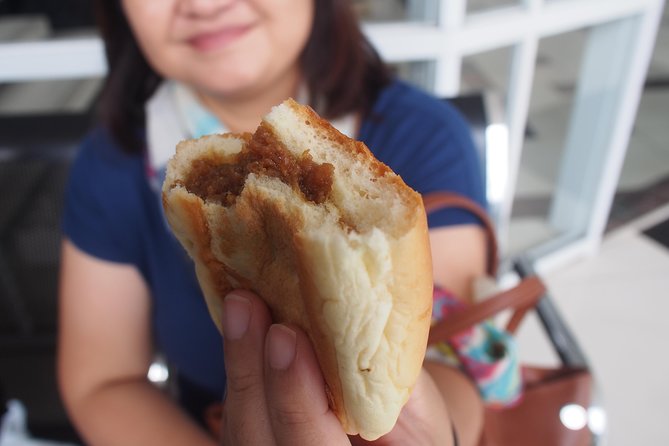
The tour includes a legendary Indonesian bakery & patisserie stop. This is the break your taste buds will thank you for. Savory street food is fun, but you need a palate reset—and bakery items do that fast.
One of the advantages of having a guide is timing. Instead of guessing when to take a sweet stop, you’ll get it at a point in the tour when it balances out what you’ve already eaten. In a short 2-hour experience, that balance is everything.
If you’re trying to decide what kind of eater you are, this stop is a good test. If you enjoy custardy sweetness, spiced cakes, or pastry textures, you’ll probably feel at home here. If you’re not a sweets person, you’ll still get value by tasting just enough to understand how locals think about dessert.
Durian at Much Love Durian Medan: The Polarizing Finale
Durian shows up as Much Love Durian Medan in the included list. This is a clear finale moment: you’ll get to try a famously strong-smelling fruit that also tastes rich and creamy when it’s at its best.
I’ll be honest: durian is a love-it-or-avoid-it kind of food. The tour includes it, so you should be ready for that. The good news is that you’ll be in a guided setting where you can make a decision once you’re there—rather than getting stuck later wondering what you missed.
If you’re curious but unsure, start small. Durian can be overwhelming if you take too much at once, but a smaller portion lets you judge flavor without getting stuck in a full-on durian moment for the rest of the night.
Group Size, Comfort, and Food Options That Matter
This tour runs as a small-group experience with a maximum of 8 travelers. That size keeps the experience personal: you’re more likely to get answers to your questions, and the guide can adjust the pace if someone needs an extra minute.
The included tastings are described as small to medium portions, and the design goal is that they add up to a full feeling by the end. That shows up in the overall experience style: you’re not just sampling a bite here and there. You’ll leave satisfied.
Food flexibility is also part of the setup. Vegan and vegetarian options are available, and you can inform the operator about food restrictions. If you have allergies or strong dislikes, message ahead. The program includes a mix of meat, stew, and street snacks, so getting the substitution right matters.
Logistics are straightforward:
- Meeting point: Jayakarta SP Jakarta Hotel & Spa
- Start time: 6:00 pm
- End: returns to the meeting point
- Mobile ticket is used
- It’s near public transportation
- Dress: comfortable and relaxed clothing
Who This Tour Fits Best (and Who Might Skip It)
I think this is a great fit if:
- You’re in Jakarta for the first time and want a clear plan without indecision
- You like street food, but you also want explanations so it feels meaningful
- You eat a range of flavors and are open to regional dishes like semur jengkol
- You want a social but not crowded experience (max 8)
I’d think twice if:
- You dislike durian completely and don’t want it as part of your evening
- You have strict dietary needs and haven’t confirmed what substitutions are possible
- You’re hoping for a long, sit-down meal. This is a tasting tour with multiple stops, not a single-restaurant dinner
Final Verdict: Should You Book the Mangga Besar Food Tour?
If you want an efficient, food-first introduction to Jakarta, I’d say yes. For the money, you’re getting a guided walk through Mangga Besar with 5–6 distinct tastings, a guide who can talk you through what you’re eating (Icha-style friendly and helpful is a real plus), and a range that spans Jakarta-area flavor and Indonesian Chinese street food.
Book it if you’re curious, hungry, and okay with an evening that can shift slightly due to real-world conditions like traffic or closures. Skip it if durian is a hard no or if you need very specific dietary guarantees.
If this is your first night in Jakarta, this tour is the kind of decision that makes the rest of your trip easier. You’ll learn how Indonesian dishes are built, and you’ll get a feel for what you’ll want to seek out on your own the next day.
FAQ
How long is the Mangga Besar Food Tour?
It lasts about 2 hours.
What time does the tour run?
It starts at 6:00 pm and runs until 8:00 pm.
Where do I meet for the tour?
You meet at the Jayakarta SP Jakarta Hotel & Spa on Jalan Hayam Wuruk No.126, Glodok, Mangga Besar, Taman Sari, West Jakarta.
How many people are in the group?
The tour is limited to a maximum of 8 travelers per guide.
What food is included?
The included tastings include a Betawi Peranakan set with coconut rice, crispy chicken, and semur jengkol, plus a North Sumatran meatball soup, a bakery/patisserie stop, Indonesian Chinese street food stalls, and Much Love Durian Medan.
Is there a vegan or vegetarian option?
Yes, vegan and vegetarian options are available. You should inform the provider of your food restriction.
Do I need to bring drinks or extra food?
Food and beverages beyond the program are not included, so you would only take extras if you want them.
Is durian included in the tour?
Yes, durian from Much Love Durian Medan is listed as included.
What is the cancellation policy?
Free cancellation is available. You can cancel up to 24 hours in advance for a full refund.