Old Batavia has a way of surprising you. In an easy 8-hour plan, you’ll follow Jakarta’s older threads through Dutch colonial landmarks and lived-in neighborhoods like Glodok. I especially like the way the day gives you street-level context instead of just pointing at buildings.
My favorite part is the combination of round-trip hotel pickup (central Jakarta) plus a private guide who can tailor the walk. You’re not stuck figuring out what’s important on your own, and you can ask questions as you go.
One thing to consider: the Old Batavia area can feel rougher than newer Jakarta, so it’s smart to stay with the route and not expect to wander freely around where you’re dropped off.
In This Review
- Key things you’ll get from this Old Batavia Trail
- Old Batavia’s Dutch leftovers: why this walk feels different
- Timing and hotel pickup in central Jakarta: how to keep the day smooth
- Chicken Market Bridge to Fatahillah Square: the Dutch drawbridge opening act
- Kali Besar Barat cobblestones and the Wayang Kulit shadow puppet museum
- Toko Merah (Red Shop) and van Imhoff’s legacy in brick and color
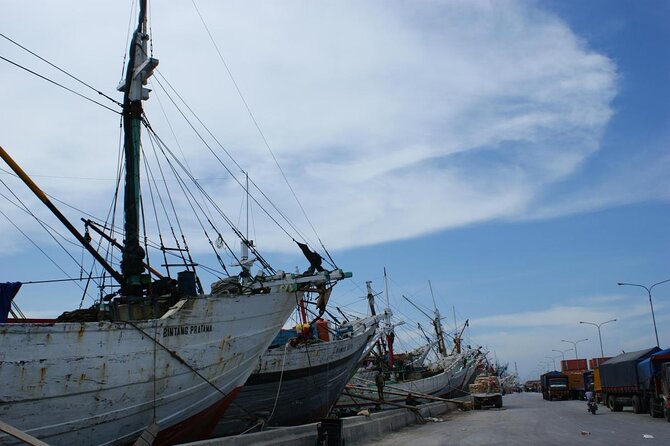
- Sunda Kelapa Harbour: seeing Phinisi schooners in a working port
- Jalan Surabaya flea market: Glodok shopping with local bargaining energy
- National Museum of Indonesia plus photos at the Presidential Palace and National Monument
- Guide quality and flexibility: the private tour advantage, with one watch-out
- Budget reality: the $92.32 value and what may cost extra
- Where this fits best: who will enjoy it the most
- Should you book the Jakarta Old Batavia Trail?
- FAQ
- What time does the Old Batavia Trail start?
- How long does the tour take?
- Is hotel pickup and drop-off included?
- Is this a private tour?
- What’s included in the tour price?
- Are food and drinks included?
- Does the tour include the Sunda Kelapa Harbour entrance?
- Are transfers from the harbor included?
- Is there a mobile ticket?
- Is there a child rate?
- Can I cancel for a full refund?
Key things you’ll get from this Old Batavia Trail
- A Dutch-drawn start at the Chicken Market Bridge: the last remaining drawbridge in Jakarta tied to Dutch infrastructure
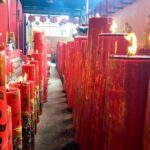
- Glodok’s Chinatown lanes and temple stop: winding streets, red-tiled roofs, and a visit to Jin De Yuan
- Historical cobblestones along Kali Besar Barat: Dutch-faced streets you can actually walk through
- Wayang Kulit shadow puppets: a museum stop focused on storytelling traditions
- Sunda Kelapa Harbour with Phinisi schooners: a working harbor feel, not a staged photo spot
- Jalan Surabaya flea market time: a practical way to practice haggling in a local market
Old Batavia’s Dutch leftovers: why this walk feels different
Jakarta has a split personality. You can see it in the way newer towers and highways crowd the edges, while older corners still carry Dutch-era shapes, street geometry, and building details.
This tour leans hard into those older layers. You’ll start with a very physical reminder of the Dutch presence: a drawbridge. Then you’ll move through squares, cobblestone lanes, and heritage buildings tied to colonial administration. The point isn’t to treat the past like a museum piece. It’s to help you read the city while you’re standing in it.
For me, the value is the translation. A random stroll in central Jakarta can leave you with good photos and no clear storyline. Here, you get a line of connections: bridge → square → old streetfronts → Dutch-style facades → harbor history → market life.
You can also read our reviews of more tours and experiences in Jakarta.

Timing and hotel pickup in central Jakarta: how to keep the day smooth
The tour runs about 8 hours and starts at 9:00 am. That timing matters in Jakarta, because mornings tend to be cooler and streets are less chaotic.
Hotel pickup and drop-off are included for hotels in central Jakarta’s North, East, South, and West areas. That’s a big deal for value. You’re not paying extra for taxis between stops, and you’re less likely to waste time with directions.
This is also a private tour, meaning only your group participates. That makes a difference if you like asking questions, moving at a comfortable walking pace, or stopping for photos without feeling rushed.
Practical note: food and drinks are not included. Plan to treat this as a history-and-walking day first, and decide what to eat before or after based on what you want.
Chicken Market Bridge to Fatahillah Square: the Dutch drawbridge opening act
You kick off at the Chicken Market Bridge, known as the last remaining Dutch drawbridge in Jakarta. Even if you don’t know any history, you can feel why this matters. Bridges like this were functional tools for moving ships and managing waterways, and they helped shape how trade and city planning worked.
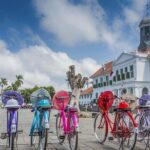
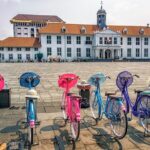
After that, you’ll stop at Fatahillah Square. Squares are where cities show their priorities: where people gather, where power gets symbolized, and where older plans survive even as the city grows around them. This one is an anchor point for understanding the old-city layout.
From a comfort standpoint, this first stretch sets expectations. It gives you major landmarks early, so even if the afternoon gets hot or shopping gets lively, you’re not left wondering what you’re working toward.
Kali Besar Barat cobblestones and the Wayang Kulit shadow puppet museum
Next comes a walk along Kali Besar Barat, where you’ll see Dutch architecture lined along cobblestone paths. Walking this section is one of the best ways to understand heritage. Photos flatten buildings, but on foot you notice the rhythm: street width, entryways, facade details, and how the neighborhood is paced.
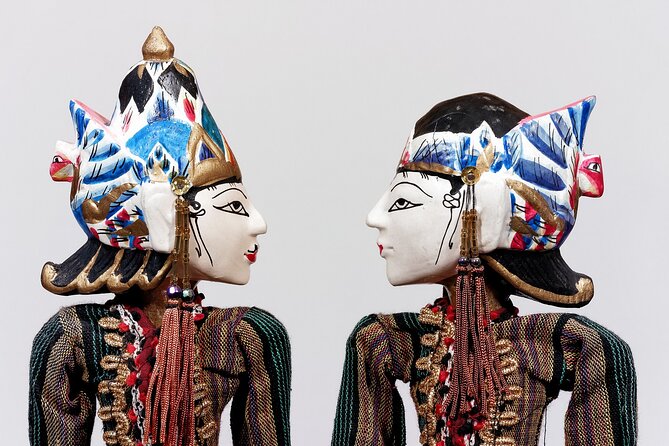
Then you’ll visit the Wayang Kulit shadow puppet museum. This is where the tour shifts from colonial-era objects to Indonesian cultural storytelling. Wayang kulit isn’t just entertainment. It’s a long-running tradition where performances use figures and narratives to carry meanings across generations.
The museum stop can be a helpful reset from walking. It also makes the day feel more balanced: yes, you’re looking at Dutch-era traces, but you’re also learning how local culture expresses itself.
One drawback to watch for: museum time depends on pacing and your guide’s timing. If you’re the type who prefers quick stops and lots of street time, you might want to ask your guide how long you’ll have in the museum before you start moving.
Toko Merah (Red Shop) and van Imhoff’s legacy in brick and color
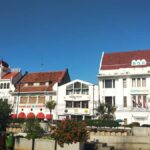
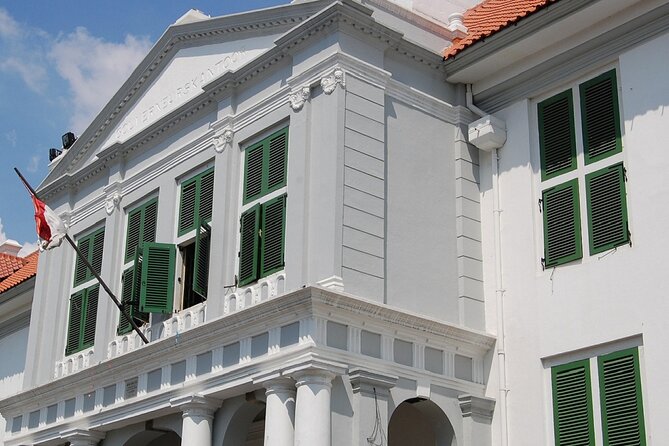
Then you’ll reach Toko Merah, also called the Red Shop. This building is famous not just for its color, but because it was the former home of Dutch Governor General van Imhoff. It’s one of the most impressive red-tiled facade buildings still standing in this area.
What I like about this stop is how concrete it is. Instead of talking abstractly about colonial power, you’re standing in a physical structure tied to governance and elite residence. The red tiles and preserved frontage make the story easier to picture.
This is also a good place to slow down. Look at the facade, take in the proportions, and pay attention to what’s survived when so much else has changed. It’s a visual lesson you can’t fully get from reading later.


Sunda Kelapa Harbour: seeing Phinisi schooners in a working port
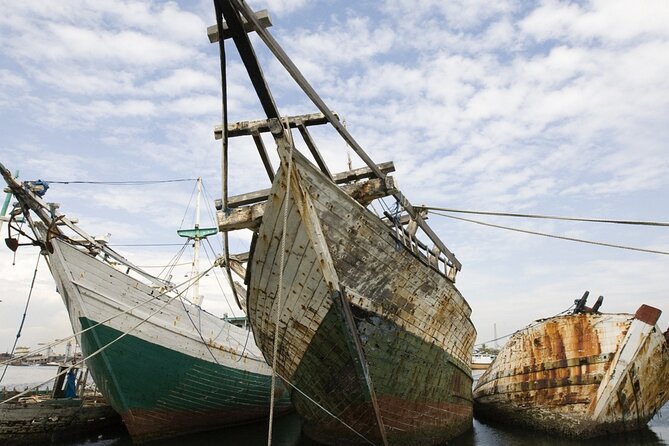
Just beyond the Red Shop is Sunda Kelapa Harbour, a spot strongly tied to Jakarta’s trading past. Here you’ll see Bugis Phinisi schooners that still carry unloaded goods arriving from across the archipelago.
This is the part of the day that can feel most real. Heritage ports are often either fully touristified or fully inaccessible. Sunda Kelapa sits closer to the “working place” side, which gives your visit a sense of ongoing motion rather than a staged reenactment.
You should also be aware of the practical side. Harbor entrance fees are not included, and supplements may apply. Transfers from and to the harbor also have supplements. So if you’re budgeting, treat this as a potential add-on area rather than assuming the price covers everything.
Even with those extras, it’s still a valuable stop if you want to understand how Jakarta connects to wider sea routes. Watching ships and cargo activity from the harbor area ties together why bridges and colonial planning existed in the first place.
Jalan Surabaya flea market: Glodok shopping with local bargaining energy
After the harbor and heritage stops, you’ll head to Jalan Surabaya, a flea market area popular with locals and travelers. This is where the tour turns from history reading into everyday city life.
The stalls run along both sides and the goods can range from Chinese porcelain to colonial Dutch trinkets. That mix is useful. It shows you how old trade routes and cultural exchange still show up in what people buy and sell.
And yes, the best way to enjoy it is with your bargaining brain switched on. Even if you don’t buy much, you’ll learn the rhythm: sellers react to curiosity, people compare prices quickly, and negotiation is part of the market culture.
A caution for your comfort: flea-market time can create a long afternoon feel if you’re tired from walking. If you’re shopping seriously, set a small goal like browsing first, then picking one category you want (porcelain, prints, small collectibles). Otherwise the sheer range can make you spend more than you planned.
National Museum of Indonesia plus photos at the Presidential Palace and National Monument
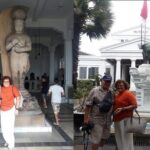
The day doesn’t stay only in the old-city circuit. You’ll also learn more local culture at the National Museum of Indonesia. For first-timers, this is a smart move. It helps you connect what you saw outside—old streets, trade, community heritage—to wider Indonesian culture beyond Jakarta’s colonial traces.
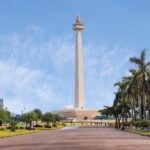
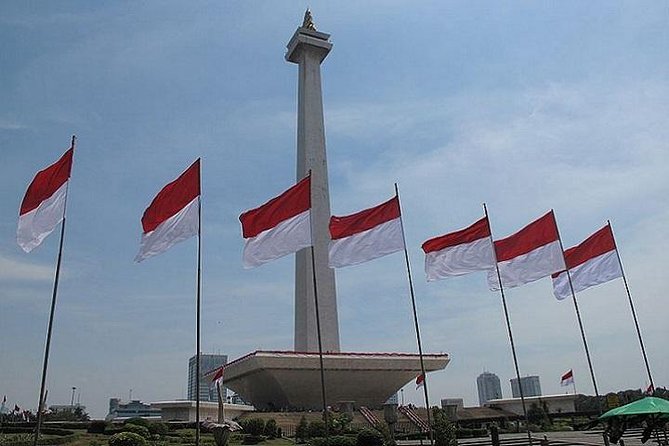
Then on the way back, the tour can include nearby photo stops at the Presidential Palace and the National Monument. These aren’t “deep history” stops, more like orientation points for understanding what Jakarta has become. They work well at the end of the day when you want a few bigger skyline landmarks after the older streets.
Guide quality and flexibility: the private tour advantage, with one watch-out
A private day rises or falls on the guide’s energy. When the guide is confident and flexible, the tour feels less like a checklist and more like a guided walk with real context. You’re better positioned to ask why a building matters, what you’re seeing in a market, and how the older neighborhoods tie together.
There’s also a downside possibility with private tours: if a guide seems uninterested, the day can feel flatter. Since the tour includes multiple stops that require explanation—bridge, architecture lanes, museum, harbor, flea market—your experience will depend on how the guide brings them to life.
My practical advice: at pickup, tell your guide what you care about most. If you want Dutch colonial architecture, say so. If you want culture beyond the colonial layer, say that too. A flexible guide can adjust pacing so the day matches your interests.
Budget reality: the $92.32 value and what may cost extra
At $92.32 per person, you’re paying for more than a walking tour. You’re buying a professional guide plus included central hotel pickup and drop-off, and the time needed to move between key Old Batavia landmarks and markets.
That makes the price feel reasonable if you compare it to paying separately for a guide and multiple rides across Jakarta. The value is strongest for first-time visitors who don’t want to spend the day managing transport.
What you should expect to pay separately:
- Food and drinks (not included)
- Harbor entrance fees may apply, and supplements may apply
- Transfers from and to the harbor can include supplements
- Pickup is only included for central Jakarta hotels in North/East/South/West; hotels outside these areas may require extra
If you like predictable costs, this tour has a small “variable” zone around the harbor area and any meals you choose. If you’re fine with that, the rest is straightforward.
Where this fits best: who will enjoy it the most
This tour is ideal if you want:
- History with walkable scenes, not just museum walls
- Dutch colonial architecture context tied to real streets
- A mix of heritage sights and local daily life at markets
- Some flexibility, since the guide can help you move through a longer day
You’ll probably enjoy it most if you’re comfortable walking for much of the day and you like the feeling of exploring neighborhoods rather than riding past them.
If you prefer fully tourist-safe areas with constant cafe stops and easy wandering from point to point, you may want to adjust expectations. The Old Batavia area can feel less comfortable than the newer parts of Jakarta, so it’s smart to rely on the planned route instead of drifting far away.
Should you book the Jakarta Old Batavia Trail?
Book it if you want a well-paced, guide-led day that connects Dutch-era Jakarta to Glodok Chinatown, then ends with market energy and a working port like Sunda Kelapa Harbour. The included hotel pickup in central areas is a real time-saver, and the private format helps you get answers while you’re standing in front of the landmarks.
Skip or rethink it if you’re mainly looking for a relaxed shopping stroll with minimal walking, or if you strongly dislike areas that feel less orderly than Jakarta’s newer zones. In that case, you might prefer a more strictly “modern sights” itinerary.
If you do book, go with two goals: learn the storyline as you walk, and treat Jalan Surabaya like a place to practice bargaining and look closely, not just browse.
FAQ
What time does the Old Batavia Trail start?
The tour starts at 9:00 am.
How long does the tour take?
It runs for approximately 8 hours.
Is hotel pickup and drop-off included?
Yes, pickup and drop-off are included for hotels in central Jakarta in the North, East, South, and West areas.
Is this a private tour?
Yes. It’s a private tour/activity, and only your group will participate.
What’s included in the tour price?
Included items are a professional guide, hotel pickup and drop-off (central Jakarta only), and the private tour itself.
Are food and drinks included?
No, food and drinks are not included.
Does the tour include the Sunda Kelapa Harbour entrance?
Harbor entrance fees are not included, and supplements may apply.
Are transfers from the harbor included?
Transfers from and to the harbor are not included, and supplements may apply.
Is there a mobile ticket?
Yes, the tour includes a mobile ticket.
Is there a child rate?
A child rate applies only when sharing with 2 paying adults.
Can I cancel for a full refund?
You can cancel for free up to 24 hours before the experience’s start time for a full refund.