Jakarta can feel like a furnace. This private day trip takes you into the cooler Puncak Highlands, where tea plantations and botanical gardens make a refreshing change of pace. I especially like the chance to walk through Kebun Raya Bogor at a slow rhythm, then find yourself in an orchid-focused world inside the orchid house.
What also works well is that you do not just get driven from stop to stop. You get guided time at Gunung Mas Tea Plantation, plus commentary tailored to what you care about, whether that is how tea is processed or what life looks like in a hillside town.
One caution: the day depends a lot on road conditions. Traffic and rain can reduce time at the plantation and make the return to Jakarta feel longer than you expect, even though the plan is about 10 hours.
In This Review
- Key Highlights to Know Before You Go
- A Quick Reality Check on the 10-Hour Drive
- Crossing from Jakarta to Puncak: Fruit Road, Cooler Air, and Mist
- Kebun Raya Bogor: Orchids, Streams, and Plant Geek Joy
- Gunung Mas Tea Plantation and Walini Tea: From Leaf to Cup
- Bogor Palace: A Break in the Garden City
- Lunch in Puncak and What to Watch For
- Price and Value: Is $215.39 a Good Deal?
- Rain, Traffic, and How to Protect Your Day
- Who This Tour Suits Best
- The Guide Factor: When Attention Makes the Day
- Should You Book This Bogor Botanical and Puncak Highlands Tour?
- FAQ
- How long is the full day Bogor Botanical Garden and Puncak Highland tour?
- What time does the tour start?
- Is hotel pickup and drop-off included?
- How do you get from Jakarta to Bogor and Puncak?
- Is lunch included?
- Are entrance fees included?
- What are the main stops during the day?
- What is special about Kebun Raya Bogor?
- What will I learn at Gunung Mas Tea Plantation?
- What should I pay attention to regarding food and drinks?
- Do I need to be very fit to join?
Key Highlights to Know Before You Go
Cooler air after Jakarta’s heat – You climb up around 1,500 meters and feel the temperature change fast.
Kebun Raya Bogor has serious plant stats – Over 3,500 plant species and thousands of tropical trees across 87 hectares.
Orchids are the headliner – The orchid house has about 3,000 varieties, so plan time to actually look.
Gunung Mas explains tea from leaf to cup – You learn about the Walini tea made there and watch the process at the grounds.
Guides can shift the focus – Your guide’s commentary can match your interests, which makes the stops feel more meaningful.
Drive time is real – Expect a lot of time on the road, especially around weekend traffic.
A Quick Reality Check on the 10-Hour Drive
This is a long day by design. The tour starts with morning pickup in the Jakarta area, then you head south on the Jagorawi Highway for roughly an hour in lighter conditions. It is private, so you are not stuck with a bus load of strangers, but you are still dealing with the area’s traffic patterns.
That is why I think you should treat this as a full experience day, not just a couple of quick photo stops. The payoff is that you get a guided sweep across three different “ways of living” in this region: city-to-hillside change, garden science, and tea agriculture.
If you are prone to getting carsick, plan for it. A misty, winding uphill drive can make the ride feel longer. And if it rains, it can affect timing at the plantation stop.
You can also read our reviews of more tours and experiences in Jakarta.

Crossing from Jakarta to Puncak: Fruit Road, Cooler Air, and Mist
The moment you head toward Puncak, you start noticing the shift. Higher altitude means cooler air, and you often get that misty feeling that makes the whole area feel like it runs on a slower clock. The route includes the drive through changing scenery, and you’ll see fresh fruit sellers along the winding roads near the Puncak area.
That roadside stretch is not just for snacks. It is a clue that this is a daily-life region, not a sealed-off tourist set. You’re seeing what people sell and what locals pick up for the day.
The tour time includes a stop in the Puncak area (ticket-free time), giving you a chance to stretch, look around, and decide what you want for the next parts of the day. In practice, this is also where you can get your bearings before the bigger garden and plantation stops.
Kebun Raya Bogor: Orchids, Streams, and Plant Geek Joy
If you like nature that you can slow down in, Kebun Raya Bogor is the anchor stop. This botanical garden covers more than 214 acres (87 hectares), and it is home to thousands of plant types. The numbers you’re looking at are impressive: about 3,500 plant species and around 5,400 tropical tree varieties.
Here is why that matters for your visit. When a garden is that large and that diverse, it is not about racing to one landmark. It is about walking paved paths under tree canopy, stopping when something catches your eye, and letting your guide point out what is most interesting to you.
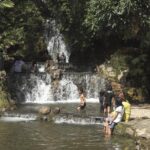
One detail I’d pay attention to: the garden has streams you can hear nearby. That kind of ambient sound changes how the walk feels. It turns the visit into a calmer experience than the typical “stand, take photo, move on” style.
And then there is the orchid house. With roughly 3,000 orchid varieties, it is the kind of place where you lose track of time looking at shape and color. If orchids are your focus, ask your guide how to prioritize inside. If you are less orchid-minded, you can still appreciate it as a horticulture showcase and use it as a reset from the outdoor walk.
Your guide can also share the gardens’ 19th-century origins and explain what areas horticulturists emphasize today. That extra context helps you see the garden as more than pretty paths. You start understanding why certain collections are maintained.
Gunung Mas Tea Plantation and Walini Tea: From Leaf to Cup
After the gardens, the day moves into tea country. You climb toward Puncak Pass, and the drive brings you through wide stretches of bright green tea fields.
The tea stop at Gunung Mas Tea Plantation is where the trip becomes more hands-on. You learn about Walini, a popular tea brand produced at this location. Then you get time to walk around the grounds and learn how tea leaves are collected and handled by workers.
This is also the point where the guide’s customization can make a difference. If you care about food and drink, ask about the brewing process they explain at the plantation. If you care more about everyday agriculture, ask about the work flow and what people do across the day.
You can also buy tea, and the on-site café offers freshly brewed options. That is handy because the day does not include drinks at every stop unless specified. Having a tea purchase option right here can save you from hunting later.
One practical note from real-world timing: weather and traffic can affect how much time you get at the plantation. If it rains, you might not get everything you hoped for, so it helps to keep your expectations flexible and your outer layer ready.
Bogor Palace: A Break in the Garden City
The tour includes a stop called Bogor Palace, but the time and details are not spelled out beyond it being part of the included experience.
So what should you expect in real terms? Think of it as a short pause in a place tied to Bogor’s identity. If you like architecture or royal-era sites, you may enjoy it as a contrast to the gardens and agriculture. If your priority is plants and tea, you’ll likely treat it as a “quick stop to see something different” rather than the main event.
Either way, it helps balance the day. Instead of only science-and-farming, you get at least a nod to Bogor’s cultural footprint.




Lunch in Puncak and What to Watch For
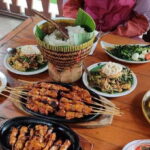
Lunch is included, and it is at a local Indonesian restaurant. That matters for value because you are paying once for the meal and not playing the pricing game while you are already tired from driving.
What you should plan for: food and drinks are not automatically included beyond lunch unless specified. If you are the type who runs on water, juice, or snacks, you may want to budget a little extra for additional drinks, especially since the day can run long.
Dietary needs should be shared at booking. If you have restrictions, do it early so the operator has time to plan with the restaurant.
The overall lunch vibe here is practical and filling. This is the kind of meal that helps you recover before the long drive back toward Jakarta.
Price and Value: Is $215.39 a Good Deal?
The price is $215.39 per person, and the value comes from what you are getting packaged together:
- Private pickup and drop-off in the Jakarta area
- Transport in an air-conditioned private vehicle
- A professional guide
- Lunch
- Entrance fees
- Goods and service tax
If you were to DIY this route, you would likely spend time and money on separate transport, ticketing, and coordinating guides for the garden and plantation. The main cost driver is not just entry fees. It is the full-day transportation and guided interpretation across multiple sites.
This is also a good fit if you want flexibility inside the day. The tour is private, so your guide can adjust explanations based on your interest, instead of delivering the same script to everyone.
When the value feels weaker: if you mainly want sweeping tea views and minimal driving, this tour may feel like too many hours on the road. And if rain cuts down the plantation time, you might feel like you lost part of the day’s highlight.
Rain, Traffic, and How to Protect Your Day
Cool hills and rain go together in this region, and rain is not something you can control. The best move is to dress like you are walking in changing weather: bring a light rain layer and shoes that handle slick ground.
Traffic is the other reality check. You are leaving and returning to Jakarta, and the drive length can swing based on day and timing. That is why starting early matters. It gives you the best shot at smoother outbound travel, even if return timing still varies.
Inside the day, the order of stops is logical: you do the big garden experience while conditions can be calmer, then you tackle tea fields later in the route as the climb continues. If conditions are rough, your guide should help you make choices on how to use the time you have.
If you want the strongest chance of enjoying everything, keep your plan calm. Don’t pack the rest of your day with tight appointments right after you return to Jakarta. You’ll likely need downtime.
Who This Tour Suits Best
This private day trip fits best if you want a guided, interpretive outing rather than just sightseeing.
You’ll like it most if you:
- enjoy botanical gardens and want real context about plants and orchids
- like tea culture and want to understand production, not only drink it
- prefer a private guide who can adjust explanations to your interests
- can handle a full day and a fair amount of driving
It is also rated for moderate physical fitness. That does not mean you need to be an athlete, but you should be comfortable walking garden paths and walking around plantation grounds.
If your main goal is only dramatic photo views and you hate slow walking, you might prefer a shorter or more focused tea-and-view route.
The Guide Factor: When Attention Makes the Day
One of the most consistent strengths here is how well the guide can handle the day. A guide named Shirley has shown up in feedback as attentive, with superb English and a helpful, problem-solving approach when confirmations got messy.
Even when nothing goes wrong, that kind of guidance matters. It is the difference between walking through an orchid house as a tourist and walking through it understanding what you’re seeing. It is also how you get the most out of garden size, because your guide can point your attention to details that you would otherwise miss.
So, if you have any must-see priorities, tell your guide early in the drive. If orchids are your main interest, say it. If you want the tea brewing explanation more than the shopping café part, ask for that too.
Should You Book This Bogor Botanical and Puncak Highlands Tour?
I’d book this if you want an all-in-one way to escape Jakarta and see two major “soft nature” experiences: a top-tier botanical garden and a working tea plantation near Puncak Pass. The fact that entrance fees and lunch are included makes it simpler, and the private guided format helps you get more meaning from the stops.
I would think twice if you hate long drives, dislike weather uncertainty, or are chasing only perfect, wide-open tea plantation views. You may still get beautiful scenery, but the day can be time-sensitive once rain and traffic start playing games.
If you do book, do yourself a favor: dress for cool, possibly wet conditions, plan for a full-day schedule, and go in expecting plants and tea more than just postcard vistas.
FAQ
How long is the full day Bogor Botanical Garden and Puncak Highland tour?
It runs for about 10 hours.
What time does the tour start?
The start time is 7:30 am.
Is hotel pickup and drop-off included?
Yes, hotel pickup and drop-off are included for the Jakarta area.
How do you get from Jakarta to Bogor and Puncak?
You travel by air-conditioned private vehicle, and the drive to Bogor is about an hour in typical conditions (traffic can change timing).
Is lunch included?
Yes, lunch is included at a local Indonesian restaurant.
Are entrance fees included?
Yes, entrance fees are included in the tour price.
What are the main stops during the day?
You visit the Puncak area, Bogor Botanical Gardens (Kebun Raya Bogor), Gunung Mas Tea Plantation, and you also have a stop at Bogor Palace.
What is special about Kebun Raya Bogor?
It has thousands of plant types, including about 3,000 orchid varieties in the orchid house, plus paved paths and nearby stream sounds.
What will I learn at Gunung Mas Tea Plantation?
You learn about Walini tea production at the site, and you can walk around the grounds to understand tea leaf collection and the tea brewing process.
What should I pay attention to regarding food and drinks?
Lunch is included, but food and drinks are not included unless specified, so you may want extra budget for drinks during the day.
Do I need to be very fit to join?
The tour notes a moderate physical fitness level. Walking in gardens and around plantation grounds is part of the experience.