Tetebatu is rural Lombok, not a theme park. This day tour strings together rice terraces, a Tetebatu village visit with coffee and spices, black monkeys in a national park setting, and a chance to swim at a secluded waterfall.
I especially like two things: the slow walking feel of the rice terraces and village life, and the fact that lunch is a traditional Indonesian meal served at a local’s home with field views. Guides I’ve seen called out by name, like Gusti and Rema, seem to bring the day to life with clear explanations of rural routines, traditional houses, and the region’s food culture.
One thing to consider: the day includes hiking-style walking and a real waterfall swim, so you’ll want comfortable shoes and you should think twice if you have vertigo or other mobility concerns. It’s also not a fit for wheelchair users.
In This Review
- Key highlights worth planning around
- Tetebatu Rice Fields and Village Life: Why This Tour Feels Honest
- Coffee, Spices, and Traditional Houses: What You Learn Without a Lecture
- Black Monkeys at Mount Rinjani National Park: A Natural-Habitat Moment
- Secluded Waterfalls Swim: Make It Comfortable, Not Risky
- The Driving Plan: Pickup, Drop-off, and Why the Small Group Matters
- Price and Value: Is $48 a Good Deal for This 8-Hour Day?
- Who Should Book This Tetebatu Tour (and Who Should Skip It)
- What to Bring for a Smooth Day in Tetebatu
- Should You Book This Guided Tetebatu Rice Fields and Waterfall Day?
- FAQ
- Where does the tour pick you up?
- What’s the total duration of the tour?
- How big is the group?
- What languages are the guides?
- What’s included in the $48 price?
- Are alcoholic drinks included?
- Do I need swimwear?
- Is touching the monkeys allowed?
- Who isn’t this tour suitable for?
- Can I cancel and get a full refund?
Key highlights worth planning around
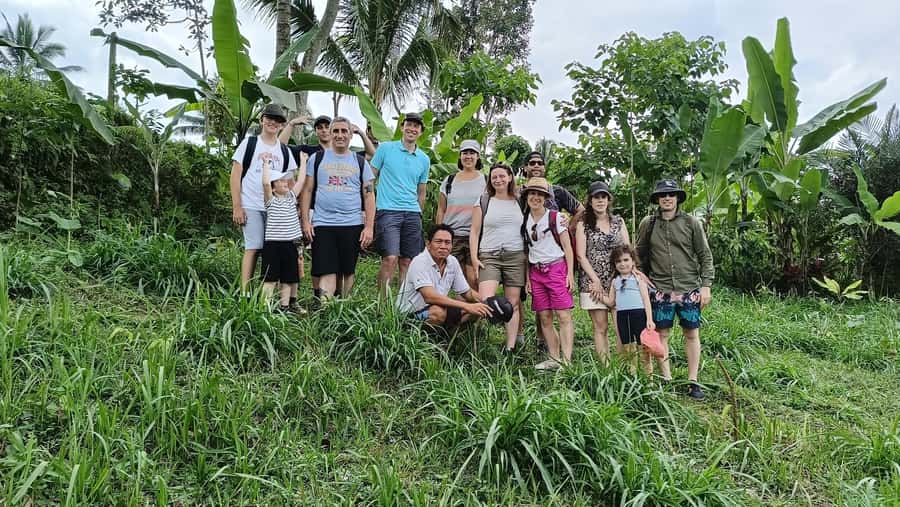
- Mount Rinjani views during your rice-field walk in Tetebatu
- Coffee and spice tasting as part of the Tetebatu village experience
- Traditional lunch at a local’s home with views over the fields
- Black monkeys in Mount Rinjani National Park, with rules to not touch animals
- Waterfall swim time that makes the day feel active, not just sightseeing
- Small group (up to 10) plus hotel pickup in Senggigi, Kuta, and Mataram
Tetebatu Rice Fields and Village Life: Why This Tour Feels Honest
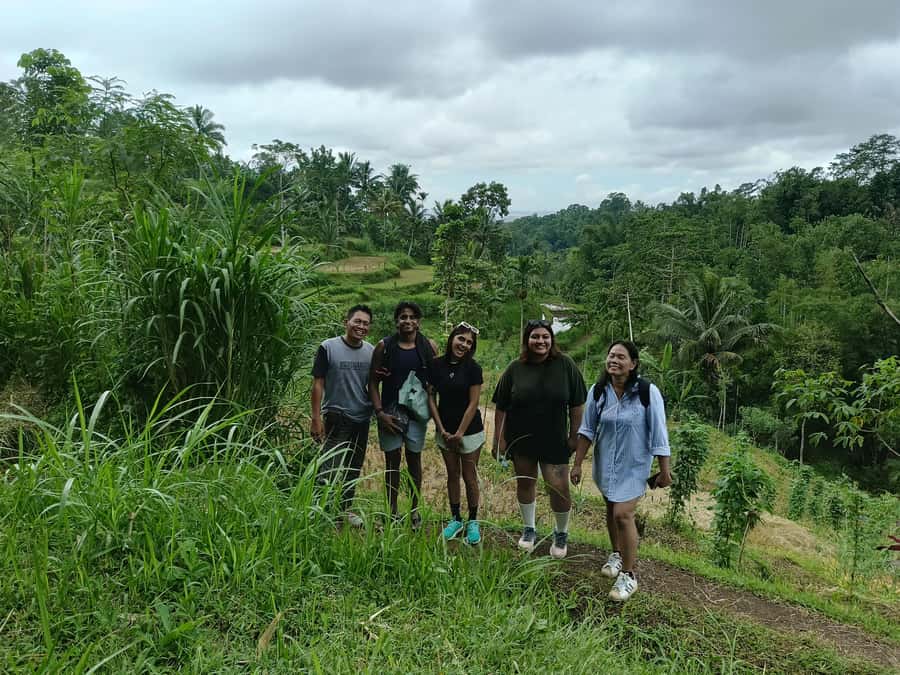
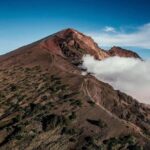
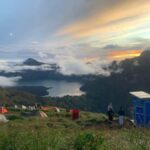
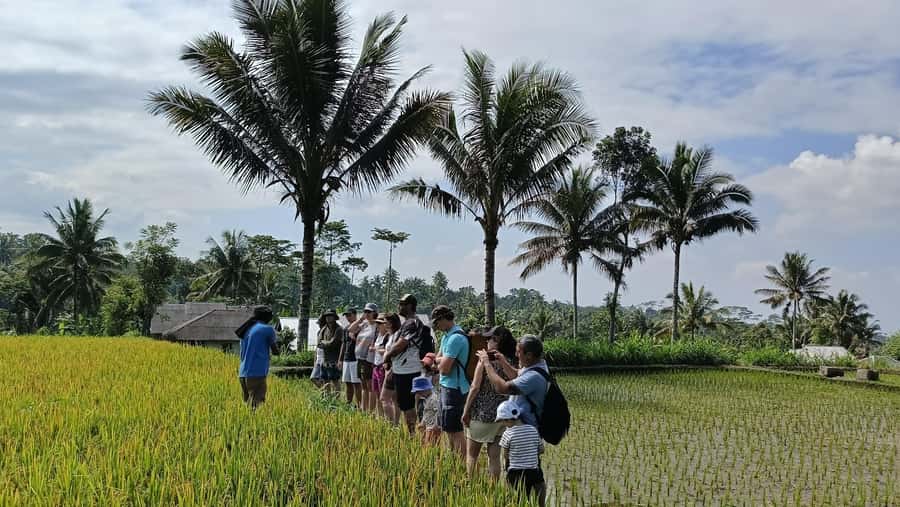
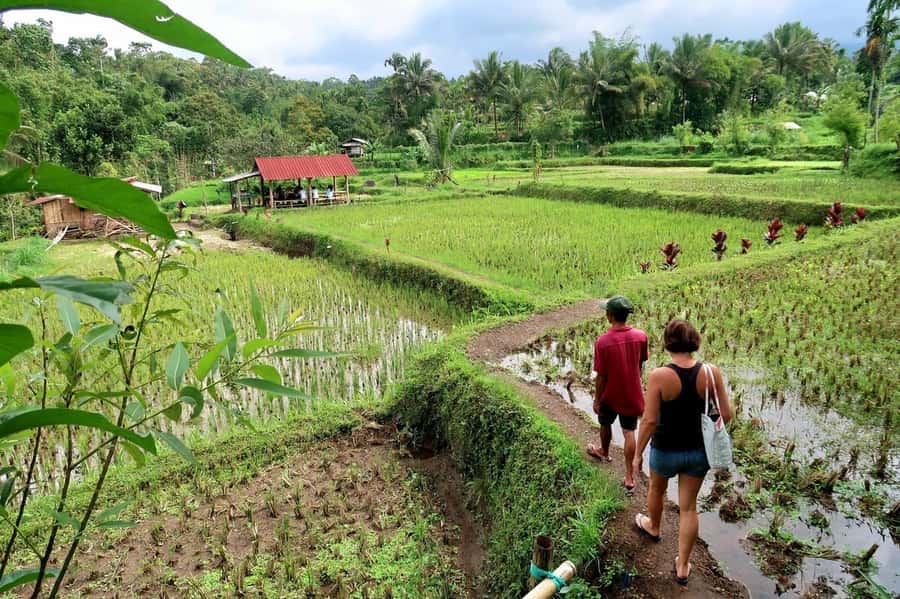
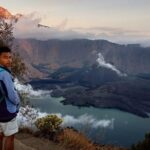
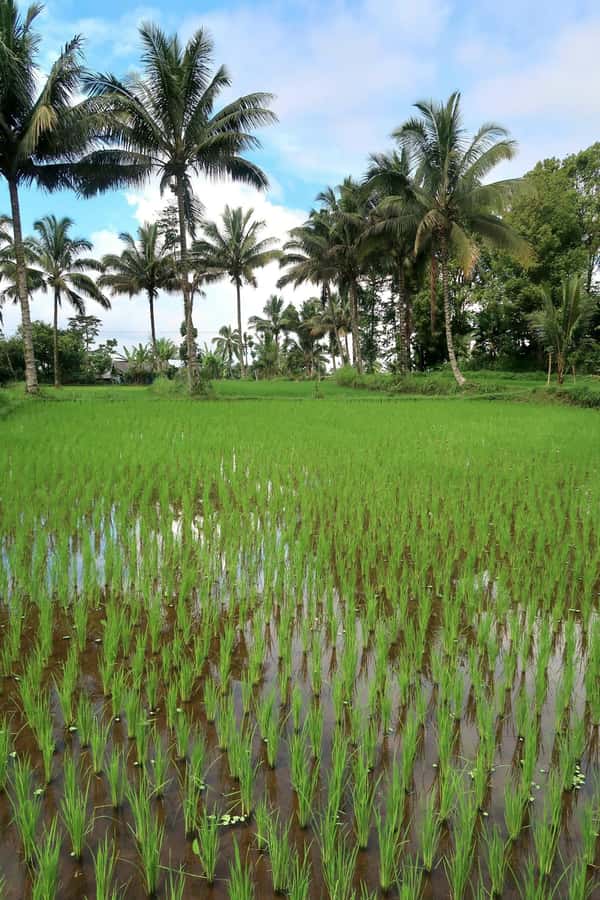
Tetebatu is the kind of Lombok stop that helps you see beyond beaches and souvenir shops. The day starts with a walking route through lush rice fields, with a standout viewpoint where you can see Mount Rinjani on clear days. It’s a good pace too: you’re not just “passing through,” you’re looking, walking, and taking in how this landscape supports everyday life.
In Tetebatu, the village visit focuses on daily routines and traditional houses. You’ll get a cultural look at how people live in rural West Nusa Tenggara, and you’ll have time to talk with your guide as you move through the area. This matters because the tour isn’t framed as a quick photo sprint; it’s set up to help you understand what you’re seeing—what locals grow, what they use, and how their homes fit into the countryside.
Food and drink are part of the storytelling here. Expect coffee and tea tasting, plus spice plantation stops where you’ll learn how those flavors show up in local cooking. One of the practical perks: you’ll likely be better equipped to judge Lombok coffee and spices later in the trip, since the tasting is built into the experience rather than added as a random side stop.
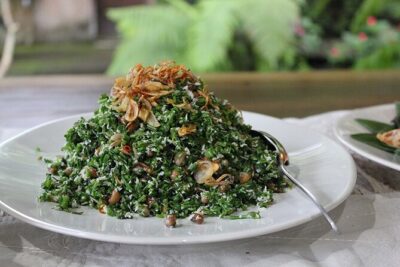
Lunch is one of the best value parts of the day. Instead of a buffet where you can barely taste anything, you eat a traditional Indonesian meal at a local’s home while looking out over the fields. That combination—food plus scenery—turns lunch into a real pause in the day, not just a scheduled break.
You can also read our reviews of more tours and experiences in Lombok.
Coffee, Spices, and Traditional Houses: What You Learn Without a Lecture
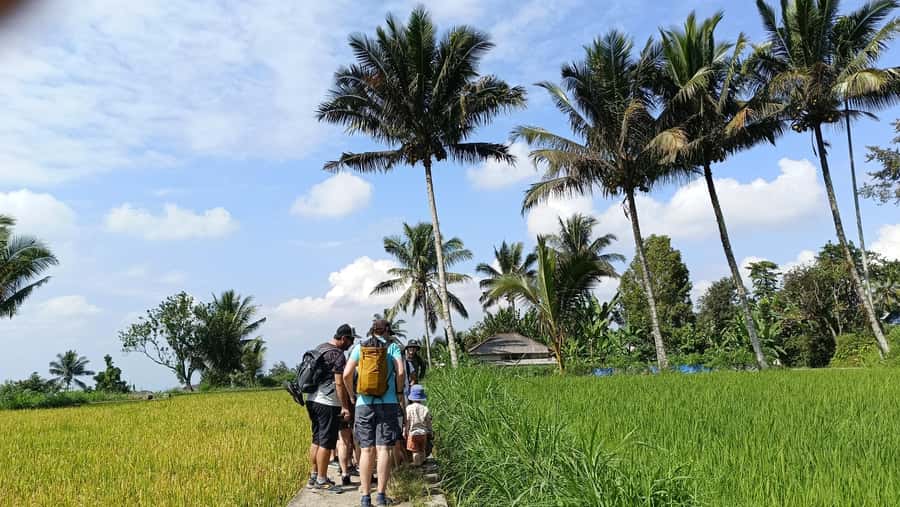
This tour does a smart thing with “culture”: it ties explanations to what you can actually see and smell. In Tetebatu, coffee and spices aren’t presented like museum items; they connect directly to the village economy and daily cooking.
You’ll likely encounter different stages of how coffee and spices are handled, and your guide’s job is to translate that into plain language. Guides named in past bookings—Aan, Gusti, and Rema—have been described as helpful and engaged, and you can feel the difference when someone answers your questions instead of rushing you through a checklist.
Traditional houses are another anchor point. You’re not just looking at architecture from a distance. The visit is designed to give you context about how the houses relate to the way people live, and that helps you notice small details you’d otherwise miss.
If you care about real-world food, this is a strong stop. Even if you don’t become a coffee-spice enthusiast by the end of the day, you’ll come away with more useful instincts for what’s worth trying (and what’s just marketing) when you’re shopping later.
Black Monkeys at Mount Rinjani National Park: A Natural-Habitat Moment
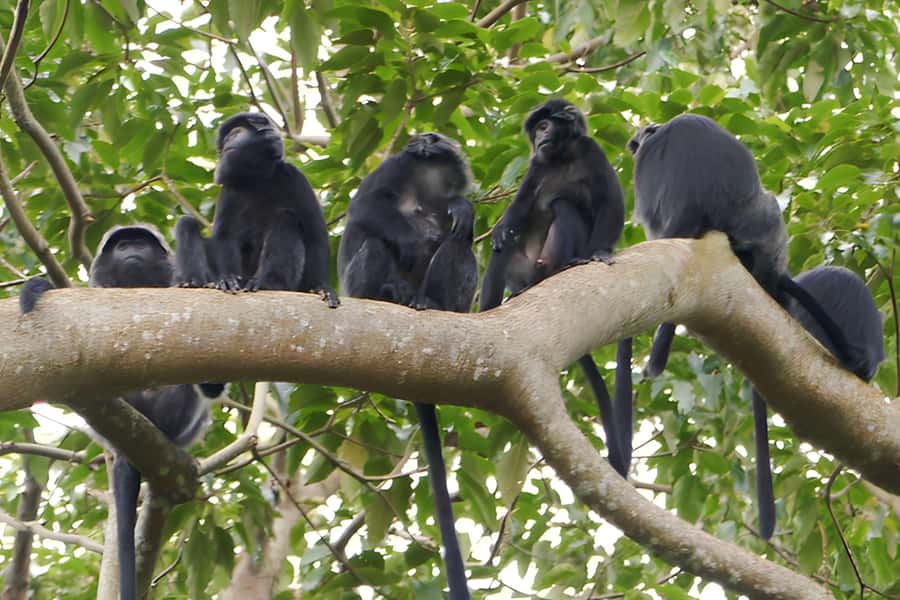
One of the biggest “wow” stops is the monkey forest area inside Mount Rinjani National Park. The point here isn’t tricks or feeding; it’s watching black monkeys in their natural habitat. You’ll be guided on where to look and how to behave around animals, and you’ll want to follow the rules—especially the rule about not touching animals.
This is a place where patience pays off. Monkeys don’t line up for photos on command, so you’ll want to keep your eyes moving and let the guide help you spot activity. The advantage of having a guide is that you’re more likely to understand what you’re seeing—like how behavior changes with movement, sound, or nearby people.
Practical note: animal-watching can involve uneven ground and sudden stops, so wear shoes that feel stable. This is also where the tour’s “small group” size helps: fewer people moving around at once makes it easier to keep your head up and stay focused on the habitat.
Secluded Waterfalls Swim: Make It Comfortable, Not Risky
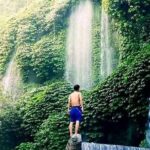
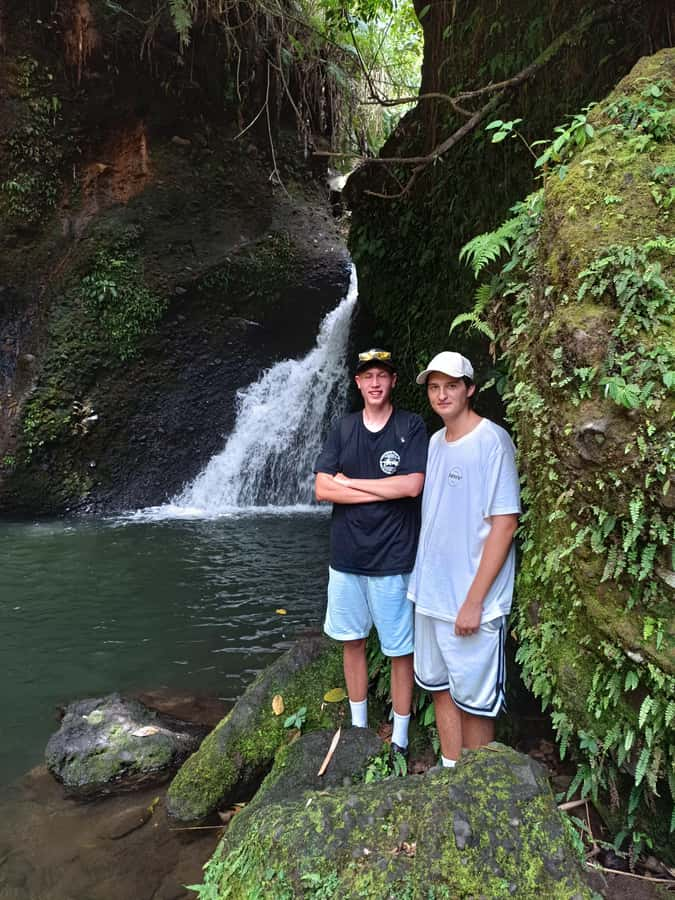
The day includes time to swim at secluded waterfalls, which is where this tour stops feeling like a standard countryside circuit. This part is adventurous, but it also has a simple rule: show up prepared.
Bring swimwear and plan for wet gear. You’ll also be glad you packed a change of clothes, since you’ll likely finish the swim feeling cold or damp, even if the Lombok weather is warm. Water shoes are a smart idea too, because slippery rock and stream crossings are part of the reality of waterfall areas.
If you’re the type who hates getting your day ruined by discomfort, do yourself a favor: keep your hiking shoes dedicated to walking, pack your swim layer, and bring a way to keep your phone/camera dry. The tour encourages camera use because the scenery is photogenic, but the waterfall section is the moment where you’ll want to balance photos with safety.
Also keep in mind that the tour isn’t listed as suitable for everyone—people with vertigo or epilepsy, for example, should not plan on this day. Even if you’re not afraid of heights, the combination of uneven footing and water activity makes it a “be honest with yourself” kind of experience.
The Driving Plan: Pickup, Drop-off, and Why the Small Group Matters
Getting to Tetebatu and the surrounding nature spots involves real driving time. The tour handles the stress with pickup and drop-off across the Senggigi, Kuta, and Mataram area, with many hotel pickup options. You’ll be picked up from your hotel lobby, and the driver waits with a signboard that matches the lead travel name.
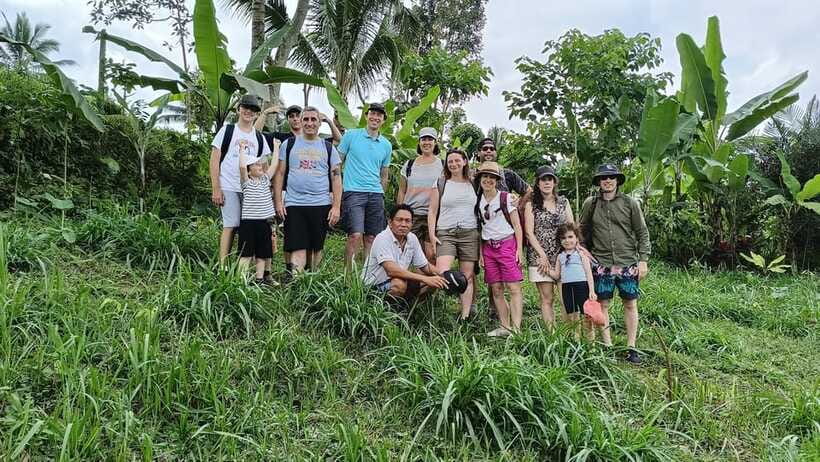
The group stays small—limited to 10 participants—which makes a difference on a day like this. You’re not fighting for space in a vehicle, and you’re more likely to get personal attention at stops like the rice terraces, the village visit, and the monkey area.
You can also expect the day to be structured to keep the flow smooth: scenic stops, village time, a nature encounter, then the waterfall swim and lunch. If you’re someone who gets irritated by rushed tours, the pacing here feels more “guided day out” than “tour bus sprint,” and that’s part of why it earns such strong ratings.
One extra practical detail: bottled water is included. That’s helpful in Lombok heat and keeps you from spending the day hunting for drinks between stops.
Price and Value: Is $48 a Good Deal for This 8-Hour Day?
At $48 per person for an 8-hour guided day, this tour is strongest on value because the price covers more than just a driver. You get hotel pickup and drop-off in the main coastal areas, a local guide, bottled water, lunch, ticket/entry fees, and parking.
That matters because national park-style stops and guided activities can add up fast when you pay for them separately. With lunch included—served at a local’s home, not just a quick bite—the cost feels more grounded in real services.
What’s not included is also clear: alcoholic drinks and personal expenses. If you want beer or other alcohol, plan to pay extra. And since “cash” is mentioned as something to bring, it’s smart to have some on hand for small purchases or snacks.
Compared with tours that sell “nature + lunch” but deliver bland food or extra fees at the gate, this one is priced like a full-day outing. The combination of rice fields, village culture, coffee/spices, black monkeys, and a waterfall swim is a lot to fit into a single day without feeling totally disconnected.
Who Should Book This Tetebatu Tour (and Who Should Skip It)
This is a great fit if you want a countryside Lombok day that mixes culture and nature in a single loop. It works particularly well for people who like walking, enjoy local food, and want to see black monkeys without the chaos of oversized groups.
It may not be the right choice if you:
- have mobility limits or use a wheelchair
- are pregnant
- have vertigo or epilepsy
- need strollers for a baby (strollers aren’t allowed)
- are traveling with babies under 1 year
If you’re traveling as a couple or small group of friends who want a guide-led day but still want it to feel personal, this format is a nice match. If you’re bringing family members, check the suitability list carefully first—water and terrain are part of the experience.
What to Bring for a Smooth Day in Tetebatu
I like that this tour gives you a straightforward packing list. You’ll want:
- Sun hat and sunscreen
- hiking shoes
- swimsuit
- change of clothes
- water
- water shoes for the waterfall section
- camera
- cash
And a couple of behavior reminders matter on the ground. You’ll want to respect local customs and nature, and you should avoid touching animals in the monkey area. Also, don’t plan to rely on a single refill source—bring your own water habits, even if bottled water is included.
If you can, pack snacks as well. The tour suggests bringing snacks and water, and in a full day with walking and water time, that can save you from feeling low on energy.
Should You Book This Guided Tetebatu Rice Fields and Waterfall Day?
If you want a well-rounded Lombok day that mixes Tetebatu village life, rice-field views with Mount Rinjani, black monkey habitat, and an actual waterfall swim, then yes—this is the kind of tour I think you’ll appreciate. The value comes from what’s included: guide time, lunch, entry fees, water, and pickup/drop-off all folded into one price.
I’d skip it if your comfort limits include uneven terrain, water activity, or if you fall into the tour’s listed “not suitable” categories. In those cases, you’ll be happier choosing a gentler countryside option.
FAQ
Where does the tour pick you up?
Pickup is included for the Senggigi, Kuta, and Mataram area. You’re picked up at your hotel lobby, and the driver waits with a signboard.
What’s the total duration of the tour?
The tour lasts 8 hours.
How big is the group?
It’s a small group limited to 10 participants.
What languages are the guides?
The live tour guide speaks English and German.
What’s included in the $48 price?
Included are pickup and drop-off to your hotel (Senggigi/Kuta/Mataram area), a local guide, bottled water, lunch, ticket and entry fees, and parking.
Are alcoholic drinks included?
No. Alcoholic drinks are not included.
Do I need swimwear?
Yes. Swimming is part of the experience, so bring swimwear. Water shoes and a change of clothes are also recommended.
Is touching the monkeys allowed?
No. Touching animals is not allowed.
Who isn’t this tour suitable for?
It’s not suitable for pregnant women, wheelchair users, people with vertigo, people with epilepsy, and babies under 1 year.
Can I cancel and get a full refund?
Yes. Free cancellation is offered up to 24 hours in advance for a full refund.