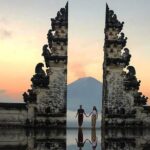
A holy rinse can change your whole mood. The cleansing bath at Taman Pecampuhan Sala Temple is the big draw, and I also love how the step-by-step guidance keeps you from feeling lost during prayers and offerings. One catch: some booking packages can feel like more than just the ceremony, so double-check what transport time you’re paying for before you commit.
This is a practical way to experience Bali’s spiritual side without making it a solo mission. You get an English-speaking guide, entrance fee included, and a private setup with transport plus a mobile ticket.
You’ll want to plan for rules and comfort. Temple entry is strictly not allowed during menstruation, you’ll need shoulders covered and short bottoms above the knee, and you should have a strong physical fitness level for the ritual steps.
In This Review
- Key points before you go
- Entering Taman Pecampuhan Sala: Where the ritual happens
- From pickup to sarong: How your 1.5 hours actually works
- Prayers and offerings: What you’re doing besides getting wet
- The cleansing bath: small holy waterfalls, rivers, and pools
- Dress code and temple rules that can affect you fast
- Price and value: What $55 includes (and what to confirm)
- The guide experience: English support and a smoother ceremony
- Should you book this Melukat ceremony with transport and guide?
- FAQ
- FAQ
- Where is the Melukat Purification Ceremony held?
- How long does the ceremony take?
- How much does the experience cost?
- What’s included in the experience price?
- Is this a private tour or shared activity?
- Can I visit without booking?
- What should I wear to enter the temple?
- What should I bring?
- Are menstruating participants allowed to enter?
- Can I cancel and get a full refund?
Key points before you go
- A guided Melukat ritual, not just a photo stop: You’ll follow prayers and offerings with explanations along the way.
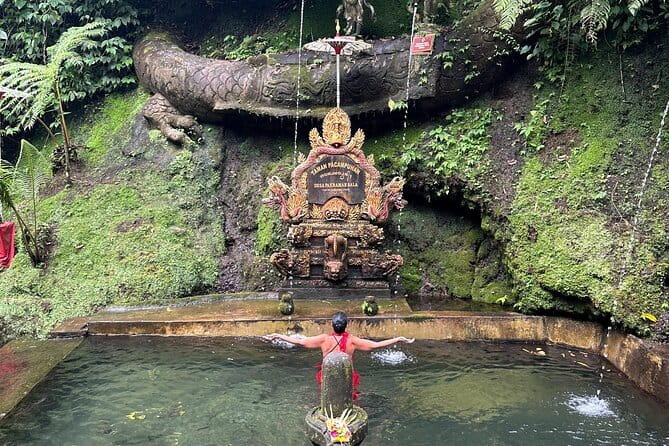
- The holy bath is the centerpiece: Expect cleansing water from small holy waterfalls, rivers, and pools fed by a protected natural spring.
- Temple-ready clothing is handled for you: You’ll rent a sarong and a simple dress (not the full traditional outfit).
- Private means calm: Only your group participates, so the pace stays respectful and controlled.
- Bring a change of clothes: You’ll want underwear and a towel ready for after the water part.
- Rules matter here: Shoulders must be covered, bottoms should be above the knee, and menstruation means no entry.
Entering Taman Pecampuhan Sala: Where the ritual happens
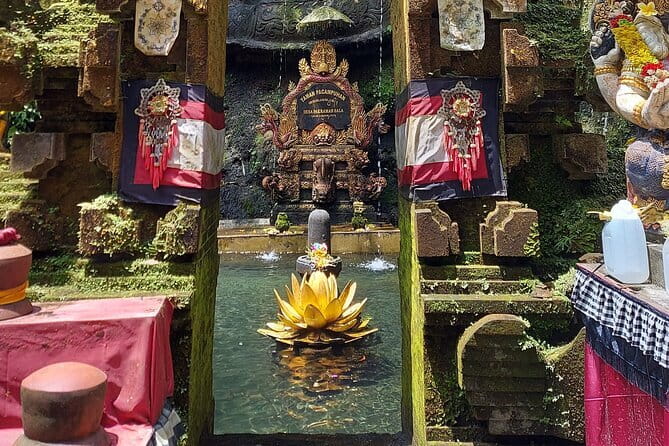
Taman Pecampuhan Sala Temple is the stage for this Melukat purification ceremony in Ubud. The temple grounds are part of the experience: you’re guided from the entrance through the surrounding area to the sacred ritual spot, rather than being dropped off at the water and told to figure it out.
What I like about this setup is that it gives you a buffer for the mindset shift. In Bali, ceremonies are not only about the action you take at the end. They’re about what you do before that—moving with guidance, following the steps, and letting the ritual unfold in order.
The value here is that the whole experience is designed around the ceremony flow, with the guide explaining what you’re doing and why. If you’re hoping for a quick, low-effort activity, this may feel more meaningful than you expected—which can be a good thing if you’re open to it.
You can also read our reviews of more tours and experiences in Ubud.



From pickup to sarong: How your 1.5 hours actually works
This experience runs about 1 hour 30 minutes, and it’s set up as a private activity for your group. Depending on your option, pickup is offered, and transport is included. You’ll also have a mobile ticket.
The practical rhythm looks like this:
- You arrive and get a warm welcome at the temple entrance.
- A sarong (plus a simple dress) is provided so you’re properly dressed for the ritual space.
- Your guide leads you through the temple surroundings to the ritual site.
- You participate in prayers and offerings before the bathing step.
There’s also a locker included. That matters more than it sounds. Water ceremonies involve changing, handling personal items, and staying comfortable. Having a locker helps you avoid the usual scramble of where to put your phone, wallet, and extra clothes.
One thing to keep in mind: even with transport included, you’ll still want to arrive ready to follow the dress rules and timing. The ceremony isn’t meant to wait around for anyone who needs to hunt for a proper top at the last minute.
Prayers and offerings: What you’re doing besides getting wet
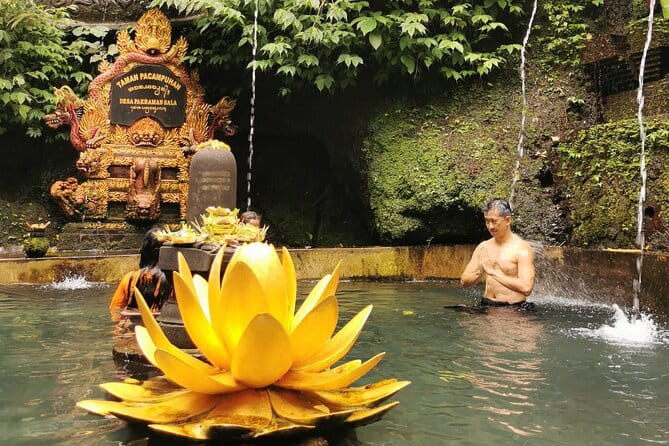
The cleansing bath is the highlight, yes. But the ritual isn’t only the water part. You’ll take part in prayers and offerings while your guide explains the meaning of the ceremony and its spiritual purpose in Balinese tradition.
This is where an English-speaking guide really pays off. Not everyone can translate the emotional weight of a ritual on the fly, and you shouldn’t have to. With the guide walking you through the steps, you can focus on participating respectfully instead of trying to guess what comes next.
You can also expect the guide to connect the practice to the belief that the sacred water purifies the mind, body, and soul. That wording shows up for a reason. Melukat is about spiritual cleansing, not just hygiene or a cool swim. You’ll feel that in the pace and the way the group moves through each stage.
If you’re the type who likes to understand what you’re doing, this portion is the best time to ask questions. Even simple questions—what this part means, what the water symbolizes—help you leave with more than just a story.
The cleansing bath: small holy waterfalls, rivers, and pools
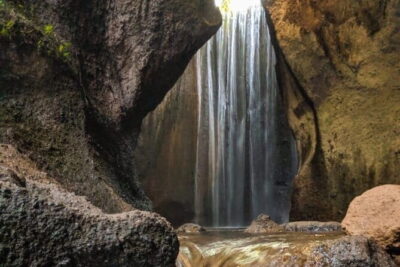
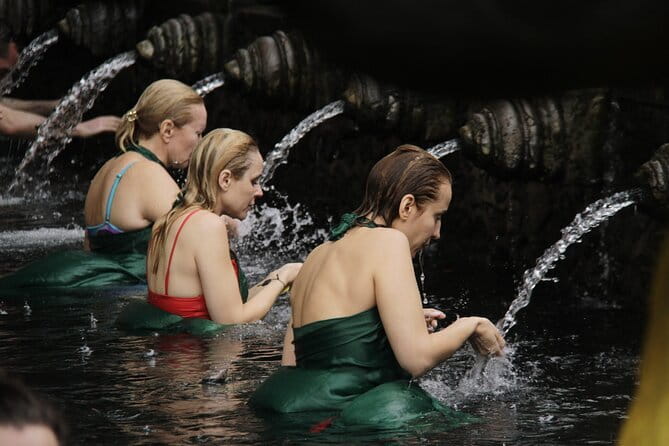
The heart of the Melukat ceremony is the cleansing bath under small holy waterfalls, rivers, and pools. The water is described as coming from a protected and clean natural spring, which is part of why participants view it as sacred rather than ordinary.
In your actual experience, you’ll be guided to the ritual bathing area and join in the cleansing as directed by your guide. The guide should explain what you’re about to do and the spiritual significance of the process as you participate.
A practical note: this is water. So plan for how you’ll handle wet clothing and personal items. That’s why you should bring a change of clothes and a towel, and why having the locker included makes life easier.
Also, think of this as a ceremony, not a casual attraction. Treat it like something you’re entering with intent. If you show up stiff and stressed, it can be harder to relax into the steps. If you come with a calm attitude and follow instructions, the whole experience tends to feel smoother and more satisfying.
Dress code and temple rules that can affect you fast
This is one of those activities where the rules matter on the ground. The temple asks participants to:
- Wear a top that covers the shoulders (like a T-shirt).
- Wear short bottoms above the knee (like shorts or a short skirt).
- Follow the provided sarong arrangement (you’ll rent a sarong and simple dress, but it’s not the complete traditional Balinese dress).
You also need to bring a change of clothes, including underwear and a towel. That’s not optional comfort advice. It’s practical ceremony logistics, because you’ll go from dry to wet and back again.
Fitness level is also noted. You should have a strong physical fitness level. The information doesn’t spell out the exact terrain, but it does signal that you’ll be expected to participate actively, stand/walk as needed, and follow along during the ritual sequence.
The strict rule that really matters is menstruation: menstruating participants are strictly not allowed to enter the temple. If you begin menstruating after you place a booking, you can request a refund or reschedule. If this might be a timing issue, confirm your plan early so you’re not stuck making decisions at the last minute.





Price and value: What $55 includes (and what to confirm)
At $55, this experience includes a lot of the “annoying extras” that often make DIY spiritual visits expensive or stressful:
- Ceremony materials
- English-speaking guide
- Entrance fee
- Locker
- Attire rental (sarong and a simple dress, not the full traditional dress)
- Transport
That’s a strong value mix for a 1.5-hour private experience. You’re paying for guidance, access, and the basics that would be easy to mess up on your own—especially dress rules, entrance setup, and not having to coordinate your own bathing-area logistics.
Where value can get confusing is package scope. One common mismatch is expecting just the purification ceremony, then discovering the booking includes a longer driver service in some options. To protect yourself, confirm what transport includes for your exact booking: how long the driver stays, and whether you’re paying for time beyond the ceremony.
There’s also the donation option for walk-ins. You can visit without a booking and pay donations from 8 AM to 6 PM. But you should treat that as a gamble. You might arrive when guides are unavailable, or you might end up dealing with an experience that’s less organized than you wanted. If you’re tight on time or you want the ceremony to run smoothly, booking ahead is the safer route.
Finally, a note for EU travelers: this experience may not be bookable for EU residents. If you’re affected, contact the provider on WhatsApp at +62 816 857 857 as listed.
The guide experience: English support and a smoother ceremony
An English-speaking guide is included, and that matters here. Melukat involves steps, prayers, and offerings—things that are hard to do correctly if you can’t follow the flow.
Even if English support is included, you still want to show up prepared. Wear the right clothing, bring your change of clothes and towel, and ask any questions you need during the explanation time. When you understand what you’re doing, the ceremony lands better.
If you’re thinking about walking in without a reservation, this is where things can go sideways. The information you have here points out that guides might be fully booked, or language clarity can be limited. So even though walk-ins are possible, they’re not as predictable.
Should you book this Melukat ceremony with transport and guide?
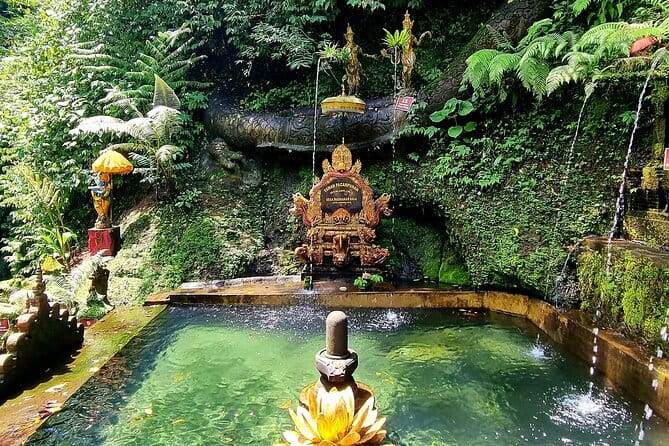
If you want a respectful, guided Melukat ceremony in Ubud—done with the entrance fee handled, clothing rules covered, and a locker waiting—this is a solid booking choice. The standout strengths are the guided prayers and offerings, plus the real centerpiece: the cleansing bath under holy water from waterfalls, rivers, and pools fed by a natural spring.
I’d book if:
- You want an organized experience with English support.
- You prefer a private setup for a calmer pace.
- You don’t want to handle entrance, clothing, and ceremony materials yourself.
- You’re happy to follow clear temple rules and bring a change of clothes.
I’d hesitate or re-check the details if:
- You’re only interested in the ceremony itself and don’t want a package that could include extra driver time. Confirm transport scope before paying.
- Your timing may overlap with the menstruation restriction (and you’re trying to plan around it).
- You’re hoping for a completely DIY, flexible day with no need for guidance.
If you’re planning around Ubud, you’ll likely appreciate that this is only about 1.5 hours. It’s long enough to feel intentional, short enough to fit into a busy itinerary.
FAQ
FAQ
Where is the Melukat Purification Ceremony held?
It takes place at Taman Pecampuhan Sala Temple in Ubud, Indonesia.
How long does the ceremony take?
The duration is about 1 hour 30 minutes (approx.).
How much does the experience cost?
The price is $55.
What’s included in the experience price?
It includes ceremony materials, an English-speaking guide, entrance fee, locker, attire rental (sarong and a simple dress), and transport.
Is this a private tour or shared activity?
This is a private tour/activity, so only your group participates.
Can I visit without booking?
Yes. You can visit without a booking and pay donations from 8 AM to 6 PM.
What should I wear to enter the temple?
Wear a top that covers your shoulders (like a T-shirt) and short bottoms above the knee (like shorts or a short skirt). A sarong and simple dress are provided/rented as part of the experience.
What should I bring?
Bring a change of clothes, including underwear and a towel.
Are menstruating participants allowed to enter?
No. Menstruating participants are strictly not allowed to enter the temple. If you menstruate after booking, you can request a refund or reschedule.
Can I cancel and get a full refund?
Yes. You can cancel for a full refund if you cancel up to 24 hours in advance of the experience start time. If you cancel less than 24 hours before, no refund is provided.