Rinjani sunrise starts before your alarm. This 3-day private trek in Lombok lets you take on Mount Rinjani with your own guide, camp at two crater rims, and still slow down enough to enjoy Segara Anak and the hot springs.
I like the private guide setup because it keeps the pace and timing in sync with your group. I also like that meals and camping gear are included, so you aren’t budgeting for every little item along the way.
There’s one trade-off to plan for: you still need to bring key trekking gear that’s not provided, like trekking shoes and a head lamp. And the summit day starts early—around 3:00 AM—so you’ll want to be physically ready.
Bottom line, this works best if you want the classic Rinjani highlights without feeling rushed through them. Just don’t show up underprepared on gear, because the trek is hands-on.
In This Review
- Key things that make this Mount Rinjani 3D2N trek worth your time
- Why a private 3D2N Rinjani trek feels different than a quick climb
- Price and what you’re really paying for at about $365.39 per person
- Getting to the start: Senaru meeting point and pickup/return
- Day 1 at Sembalun Crater Rim: sunset views and an early dinner finish
- Day 2 summit run from 3:00 AM: short peak time, big sunrise payoff
- After the summit: Segara Anak lake swim and hot springs recovery
- Day 3 Senaru crater rim views and a rainforest feel
- Guides and porters: the service that makes hard days feel manageable
- What to pack (since crucial gear is not included)
- How hard is it, really? A moderate fitness trek with early mornings
- My take: who this Mount Rinjani 3D2N private trek is best for
- Should you book this 3D2N private Mount Rinjani trek?
- FAQ
- Is this Mount Rinjani trek private?
- How long is the Mount Rinjani 3D2N trek?
- Where is the meeting point?
- Is pickup and transportation included?
- What camping and meal items are included?
- What trekking gear is not included?
- Are entrance tickets and fees included?
- Is hotel accommodation included?
- What if the weather is poor or I need to cancel?
Key things that make this Mount Rinjani 3D2N trek worth your time
- Private, just-for-your-group trekking with your own mountain guide and local porter
- A 3:00 AM summit push aiming for sunrise by around 6:00 AM, with 30–45 minutes at the peak
- Segara Anak lake time plus natural hot springs to recover after the climb
- Two big crater rim viewpoints for sunset and a second day of dramatic views
- Camping comfort included: tent, sleeping bag, mat, plus a toilet tent and cooking gear
- A waterfall tour folded into the overall forest and Senaru side experience
Why a private 3D2N Rinjani trek feels different than a quick climb
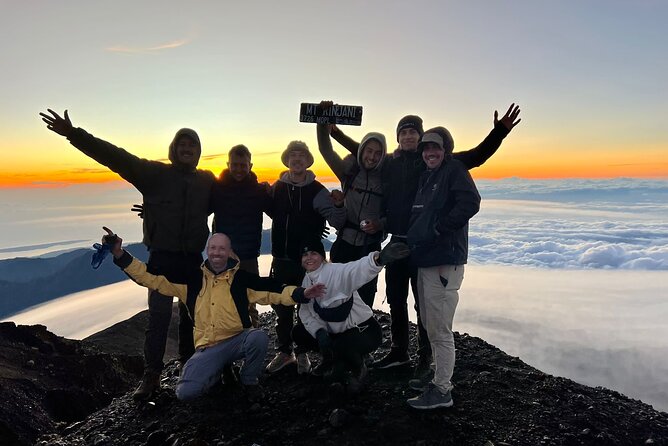
Mount Rinjani is famous, which means schedules can get tight. This style of 3D2N trek is more like a guided experience with a rhythm: you get time at crater rims for sunsets, a summit for sunrise, then a proper reset at Segara Anak and the hot springs. You’re not just chasing a peak photo and vanishing.
The private part matters. With a group of your own, your guide can pace you through the early hours and down through the day without turning the trek into a traffic jam. In the past, the tour team has included guides like Rodi, Andy, and Bahar, and the common thread in how people describe them is that they stay organized, help with logistics, and keep things moving smoothly.
One more practical win: they take care of a lot of the “camp math”—meals, cooking gear, and the sleeping setup. That means less worrying about where your gear is or whether you’ll be stuck improvising when you’re already tired.
You can also read our reviews of more tours and experiences in Lombok.
Price and what you’re really paying for at about $365.39 per person
At $365.39 per person, this trek isn’t a budget casual outing. But it also isn’t just a guide and a pat on the back. Based on what’s included, a big chunk of your cost goes into the staff and the on-mountain setup: mountain guide, local porter, camping gear, meals and beverages, and entrance fees/park-related costs.
To judge value, I look for three things: staffing, gear, and time. Here you get:
- Guide + porter support (not just one person)
- Camping equipment like tent, sleeping mat, and sleeping bag
- Meals and drinks across the trip
- Pickup and return transportation
- One night of hotel accommodation included (regular category)
What’s not included is also clear, and that’s where the “real cost” can shift if you need to buy gear last minute: trekking shoes, poles, gloves, a trekking jacket, and a head lamp/hand torch. If you already own most of this, you’re likely getting good value for a private, fully run trek.
Getting to the start: Senaru meeting point and pickup/return
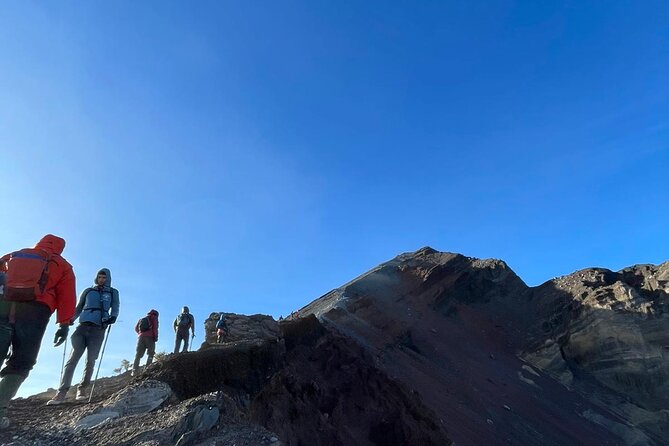
The trek starts and ends back at the meeting point in Senaru: Go2Rinjani on Jl. Pariwisata Senaru, Dusun Tumpang Sari, Kec. Bayan, Mataram, Nusa Tenggara Bar. 83354, Indonesia.
Pickup is offered, and transportation is included both ways. That’s not glamorous, but it’s a big deal on trek days. You don’t want to negotiate transport schedules when your summit day starts around 3:00 AM.
Day 1 at Sembalun Crater Rim: sunset views and an early dinner finish
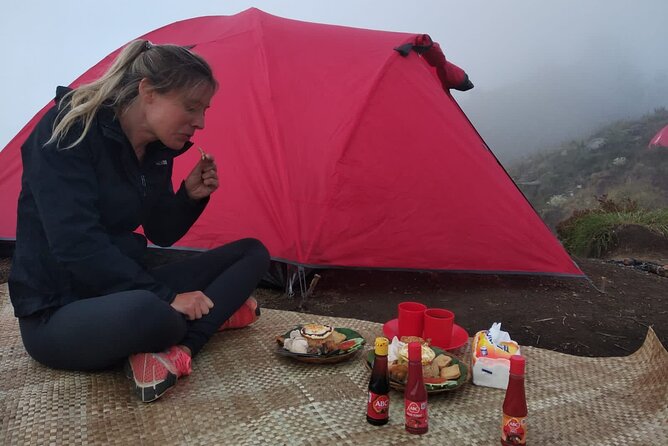
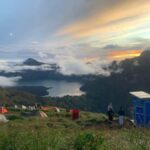
Day 1 is built around arrival and atmosphere. You reach Sembalun Crater Rim around 4:00 PM, then you get a long stretch of time—about 12–14 hours total at this stop.
The timing is intentional: you get the late-day panoramic payoff, not just a quick walk and a rushed camp setup. You can enjoy the sunset, eat dinner, and still have time to settle in before night fully takes over. Dinner is served after you arrive, with the schedule mentioning dinner time until about 7:00 PM, giving you a solid break before sleep.
What I like about this first day is that it eases you into Rinjani instead of throwing you straight into the summit grind. You’re also camping at the crater rim area, which means you start appreciating how the volcano works in layers—from views, to weather changes, to the way the surroundings look at different light angles.
Day 2 summit run from 3:00 AM: short peak time, big sunrise payoff
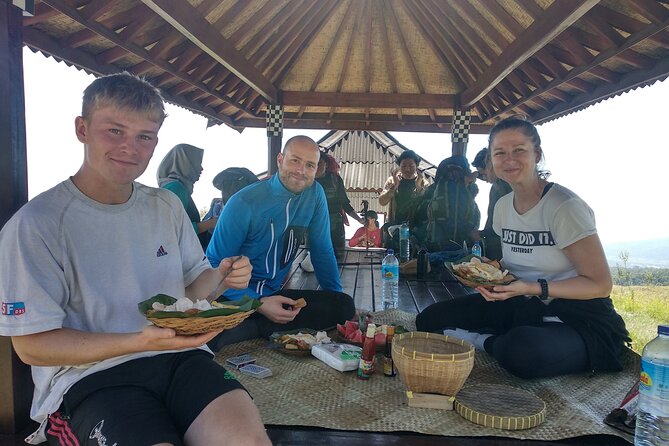
This is the signature moment: an early climb designed for sunrise.
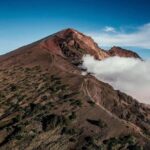
You start ascending around 3:00 AM, aiming to reach the summit by about 6:00 AM. The summit stop itself is short—around 30–45 minutes—so the focus stays on reaching the top and catching the sunrise rather than wandering around for hours.
Here’s how to think about that from your comfort point of view. Because the summit time is brief, you’ll want to be ready for a fast transition: quick climb, payoff sunrise, then begin moving again. The trek is not built for long peak lounging.
If you’re wondering whether you’ll feel rushed, the private guide setup helps. With your own team, you can manage your pace on the ascent so you spend your summit moment focused on the view instead of catching your breath nonstop. People who’ve done it with guides from this operator have specifically praised the staff for organization and support during the climb.
After the summit: Segara Anak lake swim and hot springs recovery
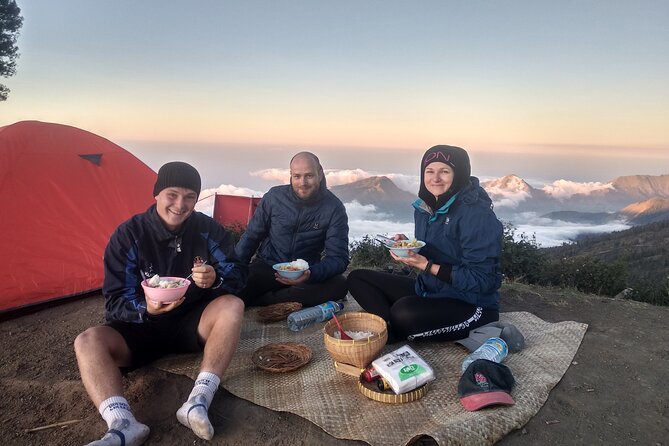
Once you’re past the summit and down, the trek shifts into recovery mode.
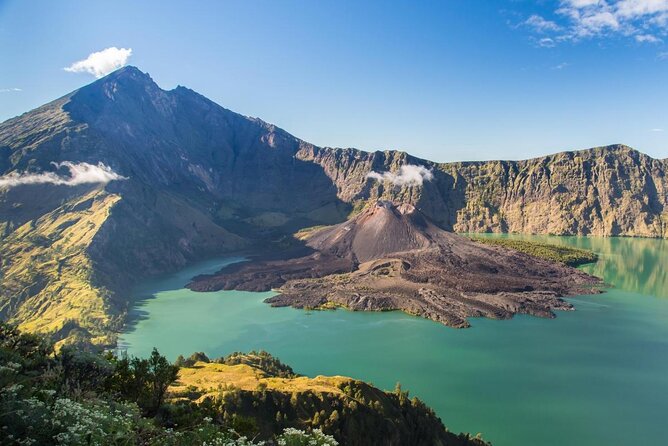
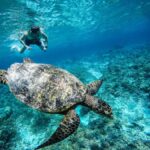
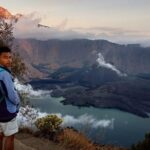
You typically arrive at Segara Anak Lake & Hot Springs around 10:30 AM. You’ll spend about 4–5 hours here, with time for a swim in the lake and relaxing in the natural hot springs.
This is a smart design for a 3-day trek. After an early morning climb, your legs need a break, and the hot springs are exactly that—warm recovery time in a volcanic setting. The lake swim is also more than a checkbox because Segara Anak is clear enough for actual water time, not just a splash-and-go.
In practical terms: use this stop like your body’s “reset button.” Eat, hydrate, and give your feet time to cool down from the previous day’s effort. Even if you don’t swim, plan to spend time in the hot springs area because it’s part of what makes this itinerary feel more complete than a standard summit-only route.
Day 3 Senaru crater rim views and a rainforest feel
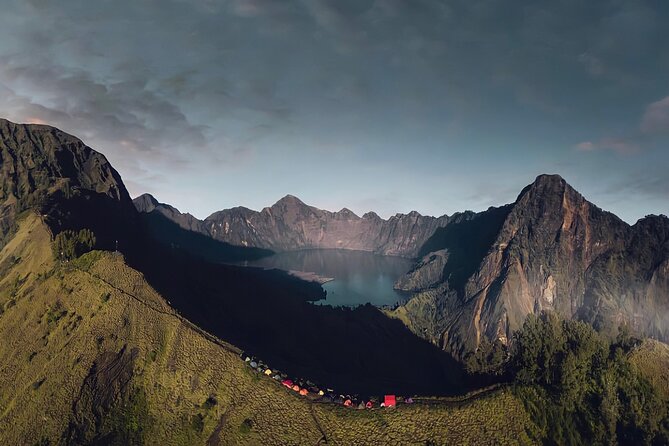
The third day brings you back to dramatic viewpoints, this time on the Senaru side.
You’ll spend about 12–14 hours at Senaru Crater Rim. Arrival is around 4:00 PM, and the plan includes catching a sunset over Mount Agung. That means your final day has a classic end-of-trek payoff: light changes, crater rim views, and the feeling of coming down from the intensity of the summit day.
In addition, the trip includes a waterfall tour and a rainforest experience as part of this side of the program. The data doesn’t give exact timing for the waterfall moment, but it’s clearly built into the overall Senaru-side experience. Translation: you get a little variety so the last day doesn’t feel like only transport and packing.
This day is also a reminder that Rinjani isn’t just the peak. The volcano area changes depending on where you stand—crater rim angles, forest tones, and the way the air feels when you’re moving through different sections of the national park.
Guides and porters: the service that makes hard days feel manageable
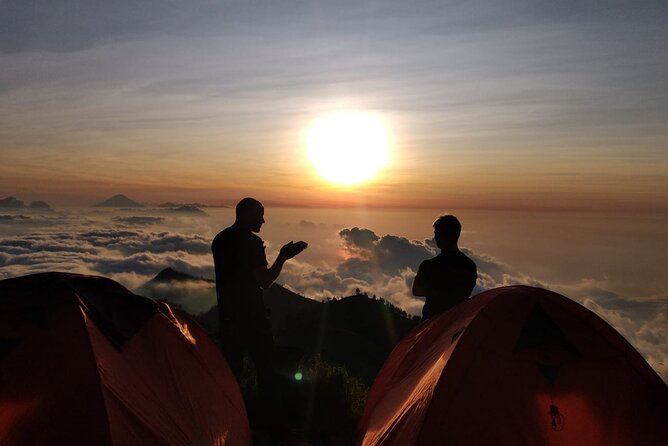
The best trekkers in the world can’t fix a bad support team. Here, the support is a major reason people rate the experience so highly.
Across feedback, staff like guides Rodi, Andy, and Bahar come up repeatedly, and the descriptions share a few consistent themes:
- Guides who explain what’s happening and keep everyone informed
- Porters who handle camp needs and keep the food coming
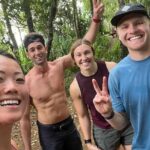
- Staff who take photos and help you get those sunrise and crater views without you constantly juggling your own camera
Even if you’re an experienced hiker, a good team changes how you experience the trek. They help with timing, meal rhythm, and the small “where do I go next” moments. Those moments add up when you’re tired.
For value, I also like that there’s a local porter included. It means your guide can focus on guiding and communicating, while the porter team handles key camp logistics.
What to pack (since crucial gear is not included)
This trek includes major camping items, but it does not include several things you’d normally expect on a volcano hike. Plan to bring your own:
- Head lamp/hand torch
- Trekking shoes
- Trekking poles
- Gloves
- Trekking jacket
- Long pants/trousers
The itinerary is active and early mornings are part of the design. So even if the days feel manageable, you don’t want to show up without gear that keeps you safe and comfortable when conditions shift.
Also note: tipping is listed as not included (for guide and porter). That means you should decide your own tipping budget ahead of time.
How hard is it, really? A moderate fitness trek with early mornings
The tour notes that it’s best for travelers with moderate physical fitness. That’s a helpful label because Rinjani is still a real trek: you’re doing a long day at crater rim, then an early summit ascent, then more crater rim and recovery time.
The biggest intensity factor here isn’t just distance—it’s timing. Starting around 3:00 AM for the summit means you’ll likely hike in lower light and with less recovery time than a normal day. If you’re someone who needs sleep to function, plan your pre-trek rest carefully.
If you’re already comfortable hiking for several hours and you can manage long days on your feet, you’re probably in the right range for this itinerary. If not, you might find the early start and multiple days of trekking harder than expected.
My take: who this Mount Rinjani 3D2N private trek is best for
This is a strong pick if you:
- Want a classic Rinjani first-timer route with sunrise and hot springs, not just a quick summit
- Prefer having your own team instead of joining a mixed group
- Like a well-run itinerary where meals, camp setup, and key logistics are handled
It’s also a good option for couples and small groups because the private format keeps it personal and flexible within the set schedule.
Where I’d hesitate: if you want a super-light experience with minimal gear and no early starts, this won’t match your style. The itinerary includes demanding moments like the early summit push, and it expects you to bring several essential trekking items.
Should you book this 3D2N private Mount Rinjani trek?
Yes, I’d book it if you want the core Rinjani highlights in one organized package: Sembalun sunset time, a sunrise summit, Segara Anak lake and hot springs for recovery, and Senaru crater rim views to close the loop. For the price, the value comes from the full support system—guide, porter, meals, camping gear, entrance fees, and pickup/return.
But book with eyes open. Bring the gear they don’t supply, and take the moderate fitness requirement seriously. The trek is manageable for the right people, and early mornings aren’t optional—they’re part of the sunrise plan.
If your goal is a legendary volcano experience that feels guided and complete, this private 3D2N format is a very practical way to do it.
FAQ
Is this Mount Rinjani trek private?
Yes. It’s a private tour/activity, and only your group will participate.
How long is the Mount Rinjani 3D2N trek?
It’s listed as 3 days (3D2N style).
Where is the meeting point?
The start and end point is Go2Rinjani on Jl. Pariwisata Senaru, Dusun, Tumpang Sari, Kec. Bayan, Mataram, Nusa Tenggara Bar. 83354, Indonesia.
Is pickup and transportation included?
Pickup and return transportation are included.
What camping and meal items are included?
You get meals and beverages during the trip, plus camping gear like sleeping bag, mat, and tent, and a toilet tent. Cooking gear is also included.
What trekking gear is not included?
Not included items include head lamp/hand torch, trekking shoes, trekking poles, gloves, trekking jacket, and long pants/trousers.
Are entrance tickets and fees included?
Yes. Entrance tickets/fees are included.
Is hotel accommodation included?
Yes. One night of hotel accommodation is included (regular hotel). Custom hotels can cost extra.
What if the weather is poor or I need to cancel?
The experience requires good weather. If it’s canceled due to poor weather, you’ll be offered a different date or a full refund. Free cancellation is allowed up to 24 hours in advance for a full refund.