One day. Big volcano effort. The Mount Rinjani one day trek from Senaru Village is built for people who want the crater-rim views without spending multiple nights on the mountain. You start early, climb hard to the rim, then come back down the same day for dinner.
I love how the trip is guided end-to-end by an English-speaking team, with pacing that can handle different hikers. I also like the built-in comfort touches for a long, cold-ish mountain start: headlamps, drinking water, and breakfast on the mountain. It’s not a “run up and good luck” style day.
The main drawback is simple: this is not a casual hike. The program is designed especially for experienced trekkers, and you should plan on strong fitness and prior mountain climbs. If you’re even slightly unsure, this can feel brutal rather than rewarding.
In This Review
- Quick hits before you commit
- Why the Senaru Crater Rim trek feels like a Lombok must
- Price and value: what your $70 (or $100) actually buys
- The schedule that makes it a true one-day trek
- Morning: pickup and trail entry
- Midday: the rim arrival
- Lunch and the descent reset
- Evening: dinner and end of program
- What the climb feels like (and how guides keep it manageable)
- Headlamps and timing
- Meals: the hidden quality difference on hard hikes
- Senaru logistics: where luggage storage saves your brain
- Who should book this one-day Rinjani trek
- Weather: clouds change everything at the crater rim
- Should you book Mount Rinjani in one day
- FAQ
- What time does the one-day trek start in Senaru?
- How long is the Mount Rinjani one-day trek?
- Where do I meet for the trek?
- What is included in the price?
- What is not included?
- Do I have to pay an entrance fee?
- Is it a group tour or private?
- What fitness level do I need?
- What happens if the weather is bad?
Quick hits before you commit
- Senaru Crater Rim payoff fast: reach the viewpoint around early afternoon and still get back to Senaru the same day
- Headlamps and early start support: you’ll have gear for the dark or pre-dawn section
- Meals planned for the climb: mountain breakfast, then lunch back at the office, plus dinner to close the day
- Luggage storage at Jou Trekking office: keeps your day pack sane when you’re not carrying everything
- Guide energy matters: names like Rudy/Rudi, Meng, Nas, Lim, and Jou show up in people’s accounts for good care and clear guidance
- Entrance fee is separate: budget for the Rinjani ticket of IDR 500,000 per person
Why the Senaru Crater Rim trek feels like a Lombok must
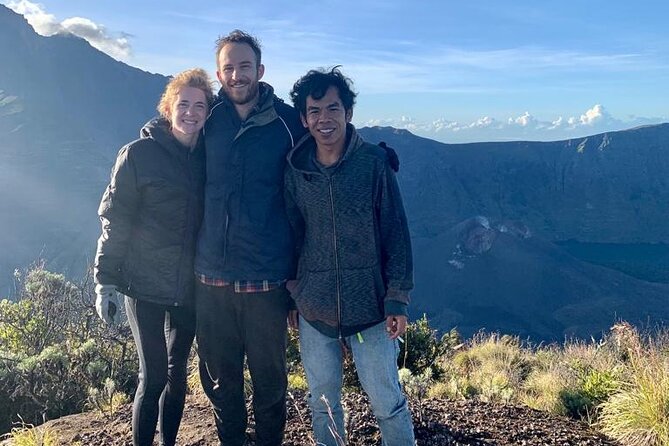
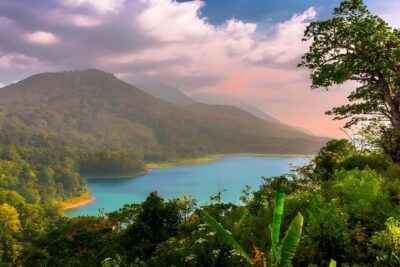
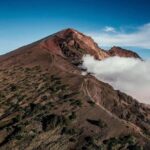
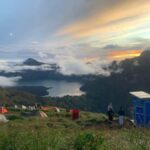
Mount Rinjani is the big draw in Lombok, but the reason Senaru makes sense for one day is timing. You get to trade “maybe next time” for an actual plan that still hits the signature view: the crater rim area with the chance to see the crater lake and surrounding volcano features when clouds cooperate.
The climb is hard, yes. But the structure of the day is what makes it work for limited time. Starting from Senaru Village means you’re not driving around to chase the perfect hike location. You roll straight into trail time and then return to base by evening, so you’re not burning your whole Lombok trip on logistics.
I also like the “reward when conditions allow” reality of a volcano rim hike. If the view clears, it can be stunning. If clouds hang around, you’ll still have done the hard work and gotten your mountain day. That mindset matters as much as your shoes.
You can also read our reviews of more tours and experiences in Lombok.


Price and value: what your $70 (or $100) actually buys
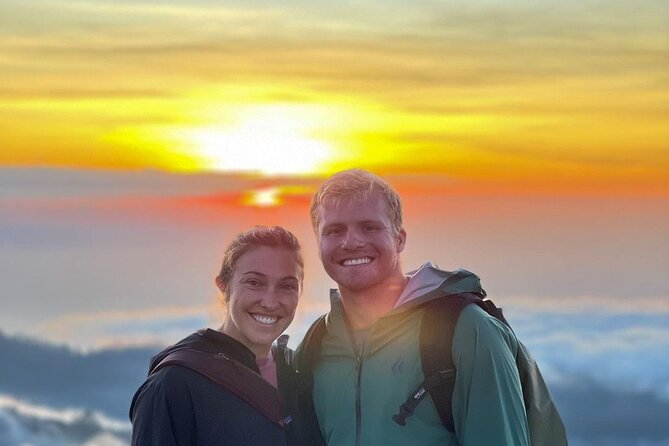
The headline price you’ll see can be $70 per person, while some program descriptions list a cost of $100 per person. Either way, the big value question isn’t the exact number. It’s what’s bundled versus what you pay separately.
What’s included here is the stuff that keeps the day moving:
- an experienced English-speaking guide
- drinking water on the trek
- headlamps
- breakfast on the mountain
- lunch at the operator’s office
- luggage storage available at the Jou Trekking office
What’s not included is also important:
- accommodation before the trek
- transportation details beyond what you’ve been told for pickup and transfers
- the Mount Rinjani entrance ticket at IDR 500,000 per person
That entrance fee is the one “surprise” cost that can catch people off guard if they’ve budgeted only the tour price. So, treat the ticket as a required extra, not a maybe.
One more practical note: the day plan includes a pickup step in the morning. But the “not included” section also says transportation (pickup before and transfers after) is not included. That mismatch is common in how tour pages are worded. Before you pay, ask what your booking specifically covers for pickup from the Senaru area and your return to the end point.
Group discounts and mobile tickets are mentioned as part of the offering. For you, that mostly means you should check how the mobile ticket works in practice and whether discounts apply automatically.
The schedule that makes it a true one-day trek
This trek is built around a tight rhythm. The timing below is what you should base your expectations on.
Morning: pickup and trail entry
- 7:00 AM: hotel pickup in the Senaru area
- 7:20 AM: arrival at the Mount Rinjani starting point
This is where you win or lose the day. An early start helps you cover the steep portion while you still have daylight. It also means you should eat something light before pickup if your schedule allows, since the mountain breakfast comes later.
Midday: the rim arrival
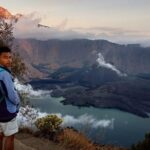
- 1:00 PM: arrival at Senaru Crater Rim (viewpoint)
You’re not wandering for hours here. You reach the rim, then you have time to take photos, check the view, and soak in the reason you made the effort. If clouds clear, this is when they matter most.
Lunch and the descent reset
- 1:20 PM: lunch preparation by the guide
- 1:40 PM: descend to Senaru Village
Lunch during a descent is smart. Your legs are still tired, and refueling now makes the downhill safer and easier. The descent is where hikers often feel the day most: stairs, loose footing, and that “my knees are filing a complaint” feeling. A guided descent helps keep it under control.
Evening: dinner and end of program
- 7:00 PM: dinner and trek program ends
Getting dinner on the back end is underrated value. You’ve already worked through a long day, and you don’t want to spend your last hours hunting for food.
What the climb feels like (and how guides keep it manageable)
This is the part I’d be blunt about. The climb to the crater rim is steep and demanding, and the program is designed for people with real hiking legs and prior mountain climb experience. The fact that headlamps are included tells you the early hours can be dark and cold enough that you need visibility.
In people’s accounts of this company and its guides, you see the same theme: the best outcome comes when you pace and let your guide steer the rhythm. Names like Rudy/Rudi show up for safety and cheer while getting hikers to the rim, sometimes in very fast walking windows. That’s not permission to sprint, though. It’s a reminder that good guidance and steady effort can make a tough timeline feel doable.
One detail that matters: a one-day plan is less forgiving if you burn energy too quickly. So take the first part of the climb like a warm-up, even if you feel strong. Save your effort for the rim and for a controlled descent.
Headlamps and timing
The trek includes headlamps, and some departures may start so early that you’re wearing them before sunrise. Even if you don’t start at midnight, plan for a pre-dawn feel. Bring layers you can close up quickly, and use the headlamp you’re given rather than trying to “see well enough” in the dark.
Meals: the hidden quality difference on hard hikes
A lot of mountain tours say meals are included. Here, the meals are timed like they’re part of the training plan.
- Breakfast on the mountain gives you fuel for the push to the rim.
- Lunch at the office happens after you arrive, refueling you before the descent.
- Dinner at 7:00 PM finishes the day so you’re not left scrambling.
Even better, the guides handle the logistics of lunch preparation at the rim. That means you’re not hunting for snacks and utensils while you’re tired and cold. It’s also a big safety factor. A calm, organized meal moment keeps the group together and reduces “lost in the chaos” moments on busy slopes.
If you’re someone who runs low on energy, pack extra personal snacks for emergencies. The tour provides water and planned meals, but it can’t predict your calorie needs.
Senaru logistics: where luggage storage saves your brain
The starting point is the Jou Trekking Rinjani office in Senaru. The address is:
Jou Trekking Rinjani, Jl. Pariwisata, Senaru, Kec. Bayan, Kabupaten Lombok Utara, Nusa Tenggara Bar 83354, Indonesia
The activity ends back at the meeting point, and you get luggage storage available at the office. This is practical in real life. You can bring a small day bag for the trek, then leave the bulk behind where it’s safe and dry-ish.
This also helps you keep your head clear. When your bag is already sorted, you spend less time thinking and more time focusing on the hike.
Who should book this one-day Rinjani trek
This trek is best for hikers who are already comfortable with:
- steep climbs
- long walking days
- descending when tired
The experience is designed especially for experienced trekkers. The requirement is spelled out as good physical fitness and several mountain climb experiences. That means it’s not just about stamina. It’s about comfort with uneven terrain and the discipline to pace yourself.
That said, your group size being private is helpful. A private setup means your guide can often adjust to your group’s tempo. People have shared examples of guides adjusting pacing for slower members, including when a parent hiked at a different speed. That’s the type of flexibility you want in a one-day plan.
If you’re a beginner hiker, I’d steer you toward a longer Rinjani format or a less steep itinerary. The one-day version doesn’t give you much margin for mistakes.
Weather: clouds change everything at the crater rim
Rinjani requires good weather. If conditions are poor, the experience can be canceled due to weather and you’ll be offered a different date or a full refund.
But here’s the real-world takeaway. On a volcano rim hike, visibility can flip from good to foggy quickly. If the clouds clear when you reach the rim, you’ll get the dramatic view you came for. If not, you’ll still do the climb, and you’ll still get the satisfaction of reaching a major landmark.
So pack patience. Also pack warmth. High places can feel colder, and early starts plus shade can make it easier to get chilled.
Should you book Mount Rinjani in one day
Book it if:
- you have limited time in Lombok but still want the Senaru crater rim experience
- you’re fit enough for a steep climb and a long return
- you understand this is an “effort day,” not a casual stroll
Don’t book it if:
- you’re not used to steep climbs and long days
- you’re hoping the guide will make the route easy (the route is the route)
- you’re not ready to budget for the IDR 500,000 entrance ticket on top of the tour price
One last practical question to ask before paying: confirm exactly what transportation covers for pickup and the return after the trek. The day plan lists a pickup from the Senaru area, but the not-included section also mentions transportation details. A quick message to Jou Trekking can prevent confusion later.
If you’re prepared and realistic about the effort, this one-day Mount Rinjani trek is one of the most efficient ways to get to the core of the volcano experience without sacrificing your whole trip.
FAQ
What time does the one-day trek start in Senaru?
The start time is 7:00 AM, with hotel pickup in the Senaru area at 7:00 AM and arrival at the starting point around 7:20 AM.
How long is the Mount Rinjani one-day trek?
It runs for about 1 day and roughly 12 hours.
Where do I meet for the trek?
You meet at Jou Trekking Rinjani, Jl. Pariwisata, Senaru, Kec. Bayan, Kabupaten Lombok Utara, Nusa Tenggara Bar 83354, Indonesia.
What is included in the price?
Included items are an experienced English-speaking guide, drinking water on the trek, headlamps, breakfast on the mountain, lunch at the operator’s office, and luggage storage available at the Jou Trekking office.
What is not included?
Accommodation before the trek is not included. Transportation (pickup before and transfers after the trek) is also listed as not included, and the Mount Rinjani entrance ticket is not included.
Do I have to pay an entrance fee?
Yes. The Mount Rinjani tickets are listed as IDR 500,000 per person.
Is it a group tour or private?
This is a private tour/activity. Only your group participates.
What fitness level do I need?
You should have strong physical fitness. The program is designed especially for experienced trekkers and expects you to have several mountain climbs behind you.
What happens if the weather is bad?
The experience requires good weather. If it’s canceled due to poor weather, you’ll be offered a different date or a full refund. Confirmation is received at time of booking.