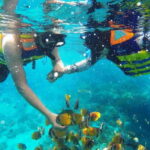
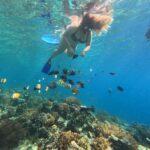
Manta rays are on the schedule. This Nusa Penida snorkeling outing strings together Manta Bay and Gamat Bay plus two more named spots in about two hours, with coral and lots of fish life as the main event. You’ll be out on the water long enough to get the feel of Nusa Penida’s underwater playground, without spending the whole day on boats.
I like the small-group format, limited to 10 people, which keeps things easier to manage in and out of the water. I also like the crew’s focus on GoPro-style photos, which are shared later via Google Drive, so you’re not stuck with only blurry, on-the-spot shots.
The main consideration is the pace: with four stops in a short window, it can feel rushed, and rougher waves or currents can make the experience less forgiving if you’re not a confident swimmer.
In This Review
- Key things to know before you go
- Four Nusa Penida Spots in a 2-Hour Trip: What You’re Really Buying
- Meeting at Banjar Nyuh Harbor and Getting on the Sparrow Snorkeling Boat
- Price and Value at $30: Gear, Water, and the Photo Factor
- Manta Bay: The Big Name Stop and the Risk of a Short Schedule
- Wall Point: A Different Underwater Mood Between the Bays
- Gamat Bay: Where Coral Watching Fits the Route
- Crystal Bay: Last Stop Energy and One More Chance at Reef Life
- Crew and Boat: What “Good” Looks Like on This Route
- Safety, Sea Conditions, and Equipment Fit: Make It Work for You
- Who This Tour Suits Best (and Who Should Skip It)
- Should You Book Snorkeling Nusa Penida Four Spots?
- FAQ
- How long is the Snorkeling Nusa Penida four Spots tour?
- Where does the tour start and end?
- How much does it cost?
- What’s included in the price?
- Is pickup included?
- How large is the group?
- What languages does the live guide speak?
- What should I bring, and is there anything I can’t bring?
- Who shouldn’t book this tour?
Key things to know before you go
- Four snorkeling areas, one short outing: Manta Bay, Wall Point, Gamat Bay, and Crystal Bay, all within a total 2-hour trip.
- Small group (up to 10): easier to get help with gear and water checks than larger boats.
- Gear included: snorkeling equipment, life jacket, towel, and mineral water are part of the $30 price.
- Photo support with Google Drive: GoPro images are shared after the trip, which helps if your hand stays busy holding a mask.
- Water conditions matter: higher waves and current can change how comfortable and safe it feels in the water.
Four Nusa Penida Spots in a 2-Hour Trip: What You’re Really Buying
This tour is built around efficiency. You’re paying for a quick route through four named snorkeling locations on Nusa Penida, not for long, slow lingering at one standout bay. That matters because Nusa Penida can look very different depending on the day’s water movement. When the sea is calm, short stops work fine. When it’s choppy, a tight schedule can leave less room to recover, regroup, or re-try the same area.
For the money, the value comes from the included basics: snorkeling equipment, a life jacket, a towel, and mineral water. At $30 per person, you’re not just renting gear. You’re buying access to multiple reef areas in one trip, plus a guide on board who can help you with the flow of the day.
If you’re chasing a long manta-ray session, adjust your expectations. A short multi-spot format often means you get a “hit” at each place rather than extended time at the most famous one.
You can also read our reviews of more tours and experiences in Indonesia.
Meeting at Banjar Nyuh Harbor and Getting on the Sparrow Snorkeling Boat
You meet at Banjar Nyuh Harbor, Nusa Penida. The trip also ends back at the same meeting point, so you’re not dealing with a complicated drop-off across the island.
The activity is run by Tama Penida, and you’ll be dealing with a small group, so loading and getting into the water tends to be quicker than larger tours. You’ll also want to show up ready to move: this is not a slow, lounge-on-the-boat kind of outing.
Two practical reminders from how this tour operates:
- Plan for your own way to the harbor since pickup is not included.
- Bring a change of clothes, because you’ll be wet when you’re back at Sparrow snorkeling.
Price and Value at $30: Gear, Water, and the Photo Factor
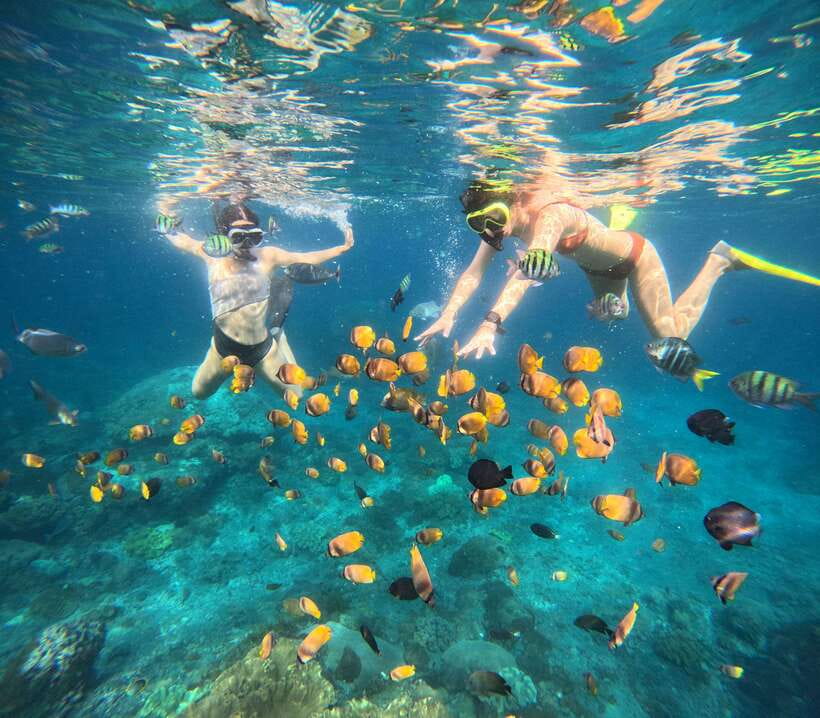
$30 sounds simple, but the details are what make or break value. Here’s what’s included:
- mineral water
- snorkeling equipment
- towel
- life jacket
What’s not included is also important: there’s no food, and pickup isn’t part of the price. That means you may want to eat before you go, or plan something close by after you return.
A big part of the tour’s “value feeling” is the photo process. One standout review described the boat as better equipped than others they saw and said GoPro pictures are shared later via Google Drive. That isn’t the kind of thing you’d pay extra for at the airport, but here it becomes a perk. Even if you’re a strong swimmer and you can capture your own shots, it’s nice to get a second set of images without fighting for camera time in the water.
Manta Bay: The Big Name Stop and the Risk of a Short Schedule
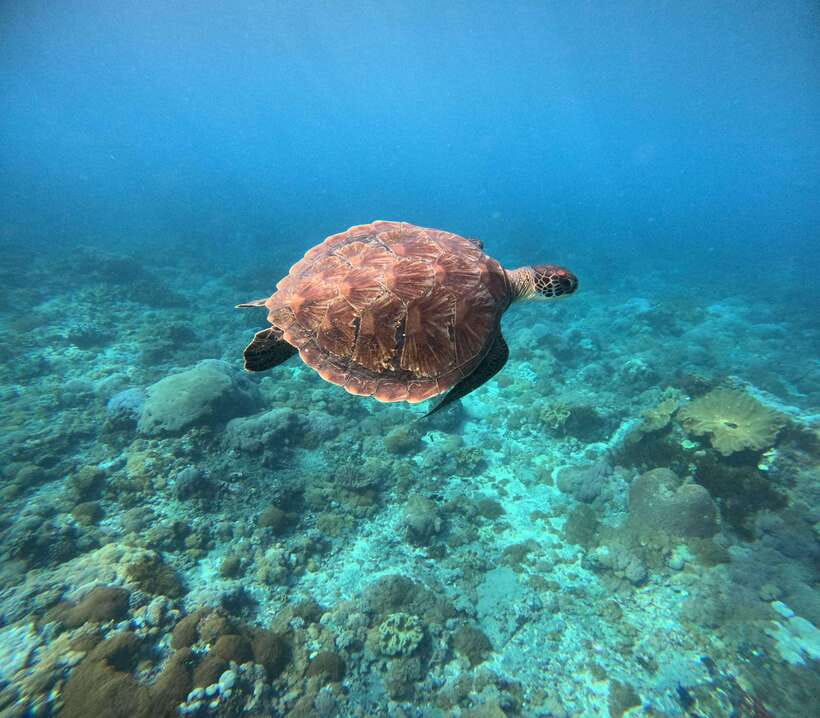
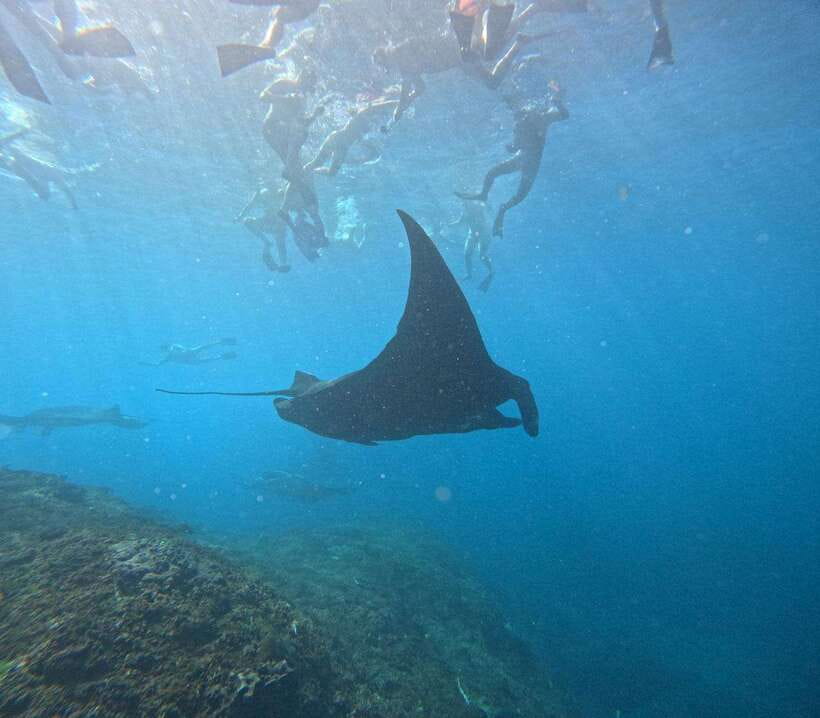
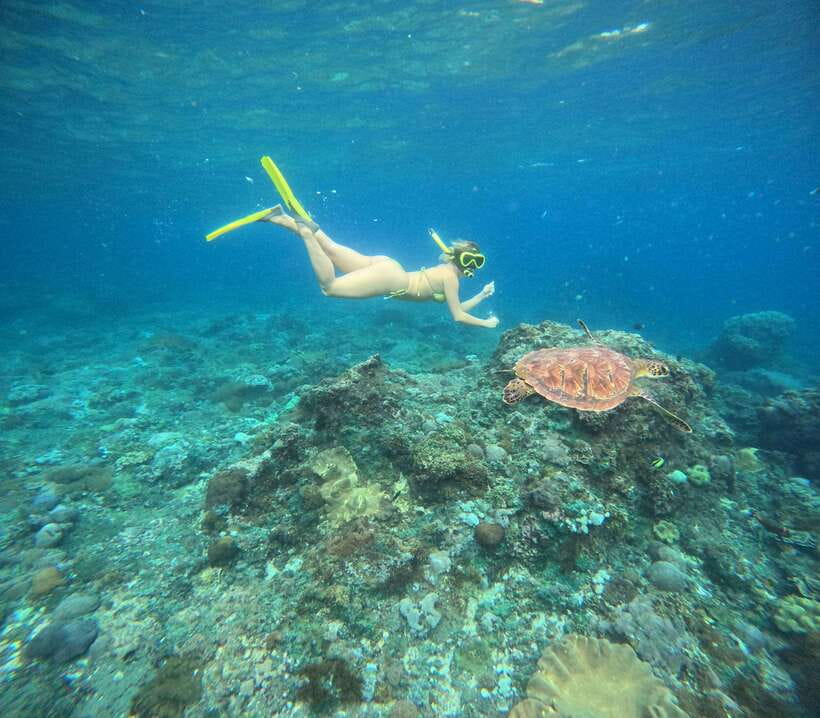
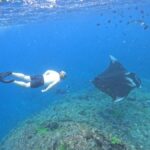
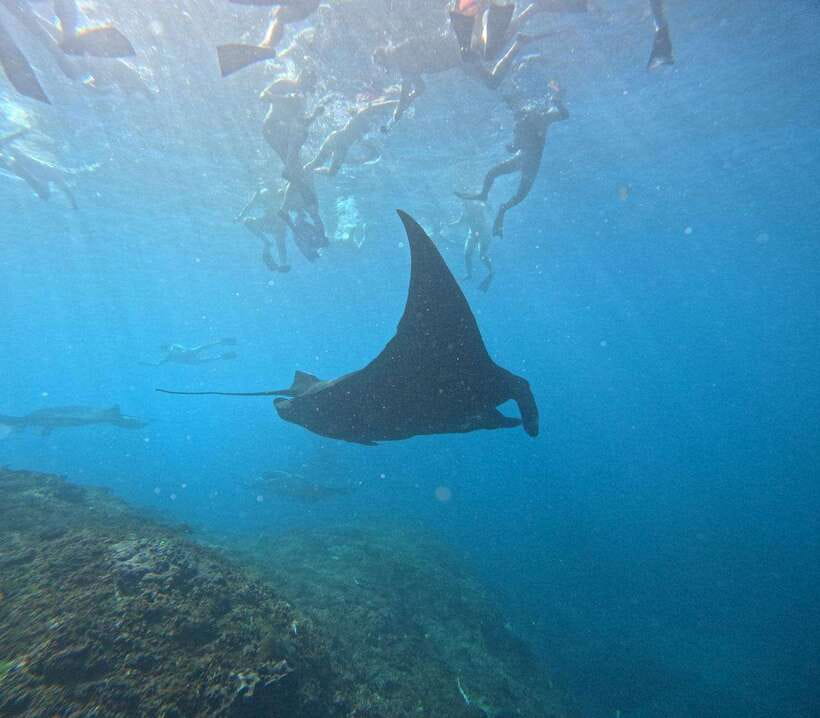
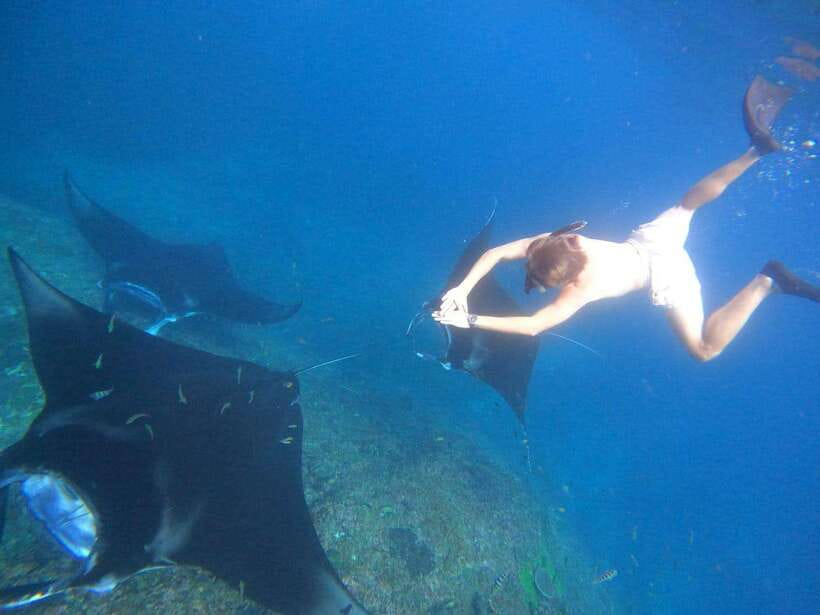
Manta Bay is the star on the itinerary. It’s the first stop in the route described, and it’s the place most people want to reach quickly. The tour description also points to the chance of seeing manta rays, along with turtles and smaller fish around the reef.
Here’s the reality of a four-spot format: your time at each location can be limited by the overall 2-hour duration. One lower-rated experience specifically complained that the manta ray stop felt rushed and that time seemed dedicated to photos and videos. That doesn’t mean you’ll have the same outcome every day, but it does mean you should go with a mindset of sampling, not waiting out the perfect scene.
If you want to maximize your odds at manta-related sightings:
- be ready as soon as your group enters the water
- stay calm, keep your gear secure, and don’t wrestle with your mask while others are already snorkeling
Wall Point: A Different Underwater Mood Between the Bays
After Manta Bay, you move to Wall Point. The name suggests a different kind of underwater structure than a flat reef area, and in practice that usually means you’ll feel changes in how water moves around you. With currents in play, your comfort matters as much as your snorkeling skill.
In a short, multi-stop tour, this is often where you either lock into the experience or start feeling the pace. If the sea state is strong, the wall area may not be the place to experiment with your gear. Get your basics right early so you can enjoy the fish and coral without turning the stop into a struggle.
If you’re going with friends or family who are newer to snorkeling, keep an eye on them here. A “quick stop” format doesn’t give you lots of time to troubleshoot, so it helps to have everyone wearing and fitting their equipment properly before the water gets moving.


Gamat Bay: Where Coral Watching Fits the Route
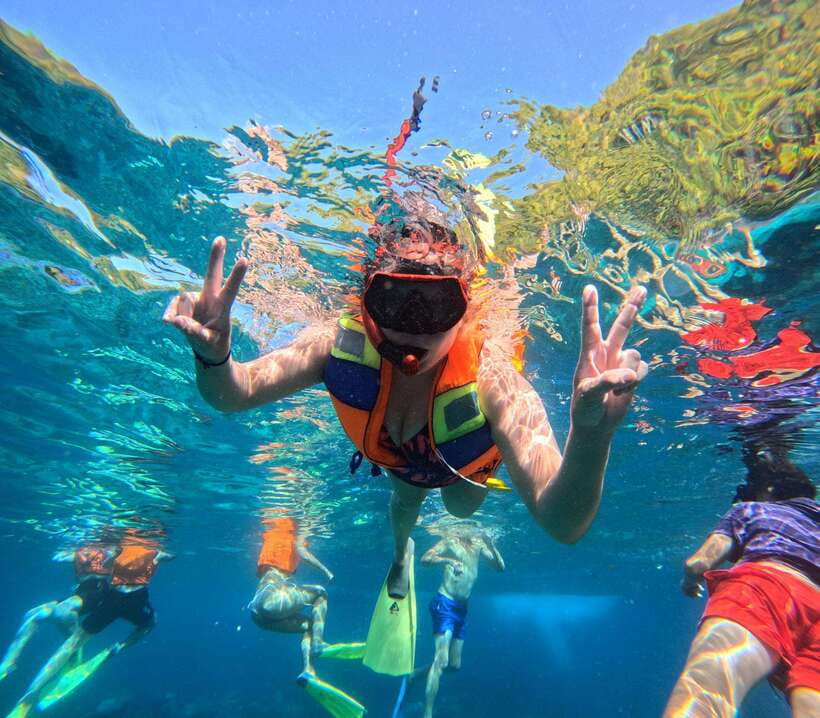
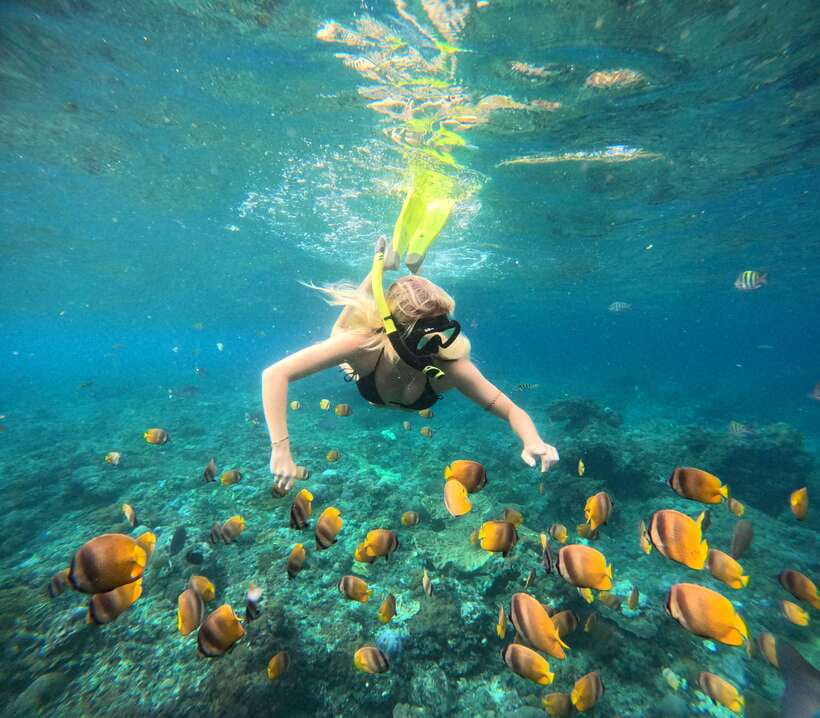
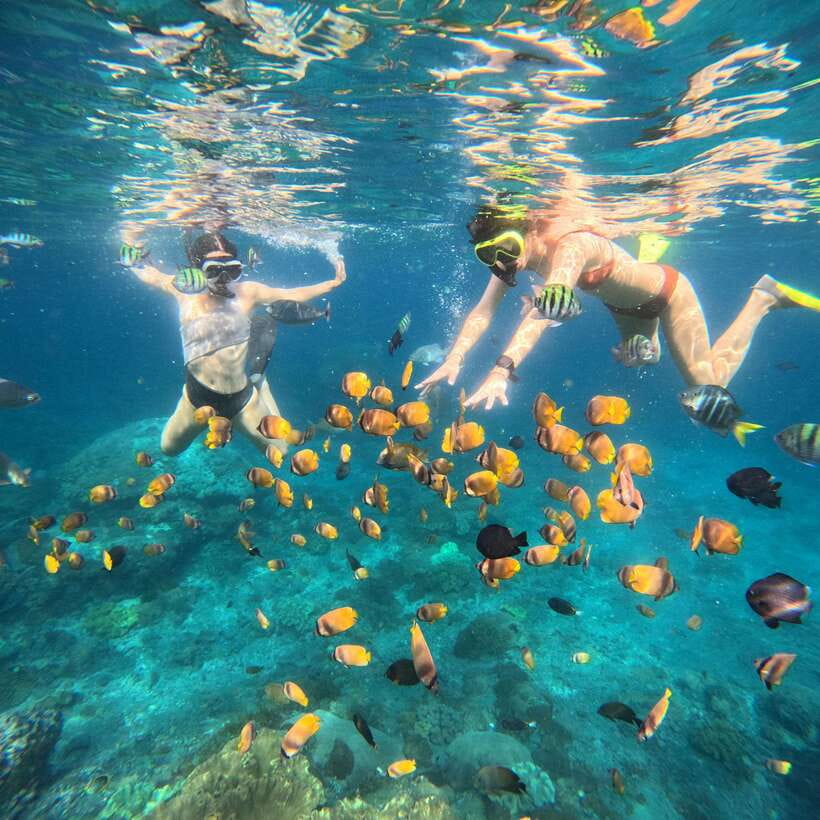
Next up is Gamat Bay. This is one of the four named snorkeling points, and it’s included as a full stop in the route, not a brief pass-by. That’s good news if you love the reef details: coral textures, small reef fish, and that constant sense of underwater motion that doesn’t show up the same way on land.
Still, don’t treat any stop as guaranteed paradise on a rough day. One negative experience described the sea as having waves and currents that made things feel nearly unsafe, especially for participants who weren’t strong swimmers. That’s not something you can always predict from the shore, but it’s a reminder that the underwater world depends on the conditions above it.
If you’re sensitive to choppy water, prioritize calm breathing and slow movements. In water with current, panic is what turns a normal moment into a problem. A life jacket is included, but how it fits and how you use it matters.
Crystal Bay: Last Stop Energy and One More Chance at Reef Life
Crystal Bay is the final named snorkeling location before you head back. In a four-stop, 2-hour schedule, the last stop can feel like a bonus you didn’t know you still needed. If conditions were a bit rough earlier, this stop can still be the moment that feels most rewarding, especially for people who saved their energy for the final chance.
Because the itinerary is short overall, I treat Crystal Bay as your “don’t waste it” stop. That doesn’t mean sprint to the water. It means:
- get your mask and snorkel position right before you enter
- look slowly for small fish and coral detail
- don’t spend the whole stop trying to fix gear you could have adjusted earlier
Also, if your goal is photos, understand that some time may be spent on GoPro capture and filming. One criticism mentioned a guide spending time photographing others, which reduced attention for people needing help. It’s a good reminder to ask for help immediately if you need it.
Crew and Boat: What “Good” Looks Like on This Route
Tama Penida runs the tour with a live guide. The guide speaks Indonesian and English, which helps a lot when you need quick, clear instruction before you get in.
One of the strongest positive signals from a review: the crew and boat were described as excellent, and the boat’s equipment was said to be better than other boats seen that day. That kind of practical preparedness usually matters more than fancy marketing, because good boats make boarding, stability, and gear handling smoother.
Photo sharing is another crew-related perk. A positive review specifically said GoPro pictures are shared later via Google Drive. If you care about having a record of your day, this is a real bonus, especially for snorkeling where your own hands are busy.
Safety, Sea Conditions, and Equipment Fit: Make It Work for You
This is the section that decides whether the tour feels fun or stressful.
The included life jacket is good, but one negative experience described life jackets that couldn’t be fastened or tied securely. That’s the type of issue you should catch fast. When you get your life jacket, check the fit right away:
- straps should actually close and sit correctly
- it should feel secure on your body
- you should be able to move without it shifting
Another red flag from the same negative experience: there was no clear explanation on how the snorkel mask worked, and some people didn’t have flippers, which led to them being pulled along by the current. You can prevent that stress by doing two things early:
- Ask the guide how to adjust and test the mask before you enter the water
- If you’re missing any key gear you need for comfort, tell someone before the group goes in
Finally, consider your comfort with water movement. One unhappy review described waves and currents that were uncomfortable enough that the situation felt almost life-threatening, and a participant had to help multiple people. You don’t want that outcome hanging over your day. If you know you struggle with swimming, or if you’re unsure how you handle current, think carefully before booking a short multi-spot snorkeling format.
Who This Tour Suits Best (and Who Should Skip It)
This tour fits best if you:
- want multiple snorkeling areas in a tight 2-hour window
- like small groups (up to 10 people)
- appreciate included gear so you don’t spend time renting
- want GoPro-style photos afterward via Google Drive
It may be a poor fit if you:
- prefer longer time in one spot rather than quick visits
- get anxious in changing sea conditions
- need lots of hands-on instruction with snorkeling gear
- have limited swimming confidence
Also, it’s explicitly not suitable for people over 70 years. If you’re within that limit, still judge yourself honestly based on how you handle boats, waves, and water movement.
Should You Book Snorkeling Nusa Penida Four Spots?
I’d book this if your ideal day on Nusa Penida is short, active, and structured: you want to hit Manta Bay, Wall Point, Gamat Bay, and Crystal Bay, you’re comfortable with snorkeling in open water, and you’ll enjoy the photo perk afterward.
I’d skip or reconsider if your main goal is slow, extended time at the manta-related spot. The schedule is short by design, and the experience can feel rushed on days when you need more time to settle in. Also think twice if you’re worried about wave height or current, since the route doesn’t include extra time to regroup.
If you do book, go in prepared: secure your life jacket fit, test your snorkel mask setup before entering the water, and eat before you go since food isn’t included. Then you’ll get the best chance of turning a fast two hours into a genuinely memorable Nusa Penida snorkeling day.
FAQ
How long is the Snorkeling Nusa Penida four Spots tour?
The duration is 2 hours. Start times depend on availability.
Where does the tour start and end?
It starts at Banjar Nyuh Harbor, Nusa Penida, and ends back at the same meeting point.
How much does it cost?
The price is $30 per person.
What’s included in the price?
Included items are mineral water, snorkeling equipment, a towel, and a life jacket.
Is pickup included?
No pickup is included.
How large is the group?
The group is limited to 10 participants.
What languages does the live guide speak?
The guide speaks Indonesian and English.
What should I bring, and is there anything I can’t bring?
Bring a change of clothes (and a disability card if applicable). Bikes, backpacks, and baby carriages are not allowed.
Who shouldn’t book this tour?
The activity is not suitable for people over 70 years.