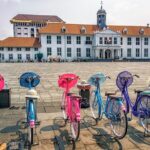
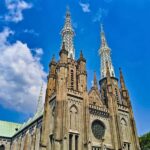
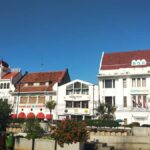
Old Batavia feels like a time machine, mixing European and Chinese streets into one walking loop; I love the photo-friendly Monas break and the puppet-studio stop, but closures on Friday or Monday can change the plan.
The English-speaking guide and punctual driver keep the 6 hours flowing, from Jakarta Cathedral to the Glodok lanes where you’ll see the city’s Dutch-era and Chinese influences side by side.
In This Review
- Key things I’d tell a friend before you go
- Why Old Batavia works as a half-day “first taste” of Jakarta
- Price and logistics: what about $61 actually buys you
- Pickup, meet-up, and how you’ll actually find your guide
- Jakarta Cathedral and Istiqlal Mosque: two landmarks, one cultural conversation
- Menteng 01 and the puppet studio: why the small stops make the day memorable
- Glodok Chinatown walk: European facades meet Chinese street life
- Kota Tua, Monas, and Jembatan Kota Intan: icons plus quick photo wins
- Sunda Kelapa Harbor: the old port mood to close the loop
- The guide quality is the secret ingredient
- Walking pace, closures, and what to pack for a smooth day
- Who this tour suits best (and who may want something else)
- Should you book this Jakarta Half Day Heritage Tour of Old Batavia?
- FAQ
- How long is the Jakarta Half Day Heritage Tour of Old Batavia?
- Is this tour a private group?
- What’s included in the price?
- What are the pickup options?
- Is there an extra airport charge?
- Are the guide language and tour style English?
- Which major sites are visited?
- Is there walking during the tour?
- Is it wheelchair accessible?
- What days might some stops be closed?
- What’s not included?
Key things I’d tell a friend before you go
- Old Batavia, walked on purpose: you’re not racing past sights; you’re moving at a human pace through the old-city feel.
- Jakarta Cathedral + Istiqlal Mosque in one circuit: you get photo stops, short guided time, and a donation element at Istiqlal.
- Makutharama Puppet Studio is hands-on fun: you’ll watch how wayang is made and played, with great chances for photos and small souvenirs.
- Glodok Chinatown includes guided walking: the stop isn’t just looking from the curb—you’ll actually get time inside the neighborhood.
- Monas and Kota Intan bridge add memorable photo moments: quick, fun, and flexible enough to fit your pace.
- AC vehicle + a tuk-tuk ride: comfort for transfers, plus a local-style ride element that makes the day feel more than just sightseeing.
Why Old Batavia works as a half-day “first taste” of Jakarta
Jakarta can feel like one big blur if you only have limited time. This tour is built to solve that problem by focusing on a compact route where the city’s layers are visible fast: old port days, Dutch-era architecture, and today’s Chinatown all show up in a single run. You get that satisfying feeling of oh, this is what shaped Jakarta, without spending a full day commuting.
I also like that it’s not only museums and monuments. You’ll spend time walking through historic streets and neighborhoods, which is where Old Batavia starts to feel real. The European and Chinese building styles are the visual anchor, but the real point is how people used those spaces—markets, worship, workshops, and harbor life.
One more practical win: it’s designed as a fun-friendly heritage tour. That means photo moments are planned, and you’re given short breaks so you don’t end the day mentally fried.
You can also read our reviews of more tours and experiences in Jakarta.

Price and logistics: what about $61 actually buys you
The price—listed at $61 per person—is pretty fair for a half-day that mixes guided time, entrance fees, and multiple major stops. Here’s what you’re effectively covering:
- An expert English guide
- Air-conditioned transport
- Mineral water
- Tuk-tuk ride
- Entrance fee to Museum Nasional
- Donation connected to Istiqlal Mosque
- Pickup and drop service across Jakarta (with an important airport detail)
You’ll also notice something: the tour isn’t just sightseeing. It’s built around guided explanations and cultural context—so the stops land better, especially if it’s your first time in Jakarta.
Two details to keep in mind for budgeting:
- If you’re doing airport pickup, there’s an extra $15 charged for the returned airport pick-up.
- Personal expenses are not included, so if you plan on shopping at Monas or buying snacks, leave room.
If you’re traveling solo or as a small group, the private-group format matters too. You’re not stuck with the pace of a large crowd, and you’re more likely to get small adjustments like extra photo time.
Pickup, meet-up, and how you’ll actually find your guide
This is one of those tours where communication makes a difference. They ask you to share your WhatsApp, Line, WeChat, and email in advance so the guide can reach you quickly.
At the airport or seaport, there’s a paging setup—your name is shown so you can locate the team faster. And in general, the guide will contact you from a WhatsApp message or direct contact when it’s time to meet.
Also note the schedule reality: the tour is around 6 hours, so being ready at the pickup point helps your day feel smooth instead of rushed.
Jakarta Cathedral and Istiqlal Mosque: two landmarks, one cultural conversation
The tour places Jakarta Cathedral early, with a quick photo stop and a guided visit of about 10 minutes. Even in that short window, it’s a good orientation stop. You see a major landmark and get a sense of how the city’s older European presence shows up in street-level architecture.
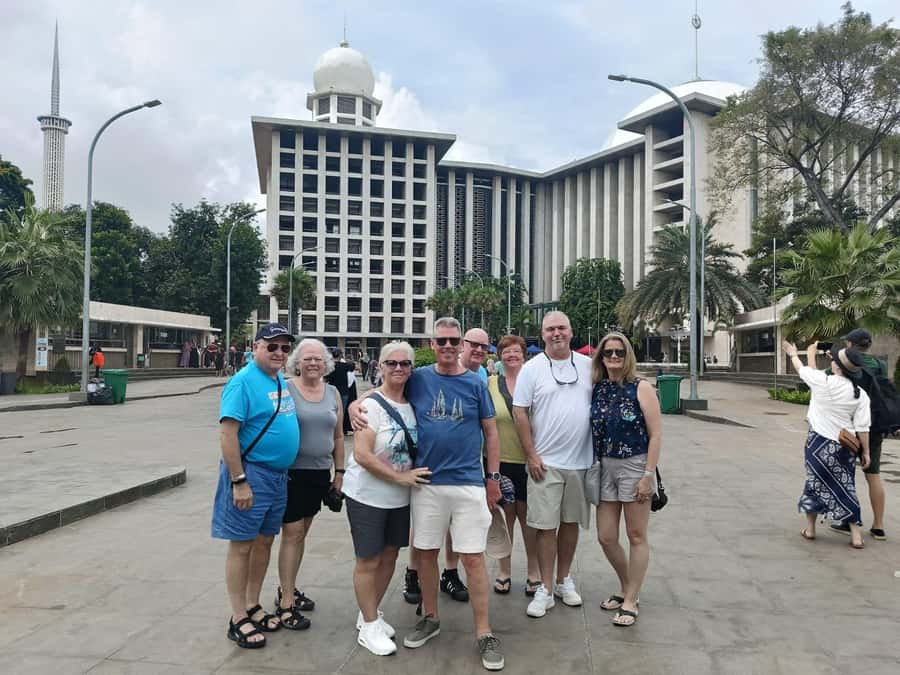
Then you move to Istiqlal Mosque for a longer photo stop and guided time—about 45 minutes. You’ll also include a donation component there, which helps respect the place beyond “just sightseeing.”
Two practical considerations:
- The mosque is closed every Friday and sometimes during events.
- Dress and behavior matter at religious sites, so treat Istiqlal like a place you should visit with care, not like a photo set.
I love having these two landmarks back-to-back because you end up learning how Jakarta holds different communities and traditions in the same city space. Even if you’re not a religious architecture buff, it gives you a clearer picture of modern Jakarta’s identity.
Menteng 01 and the puppet studio: why the small stops make the day memorable
Not every heritage tour gives you a human-scale experience. This one includes a photo stop at State Elementary School Menteng 01 Pagi, which is brief but helps you connect the big monuments to everyday Jakarta. It’s a reminder that the city’s heritage isn’t only buildings—it’s also people and routines.
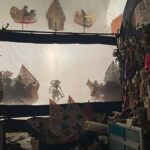
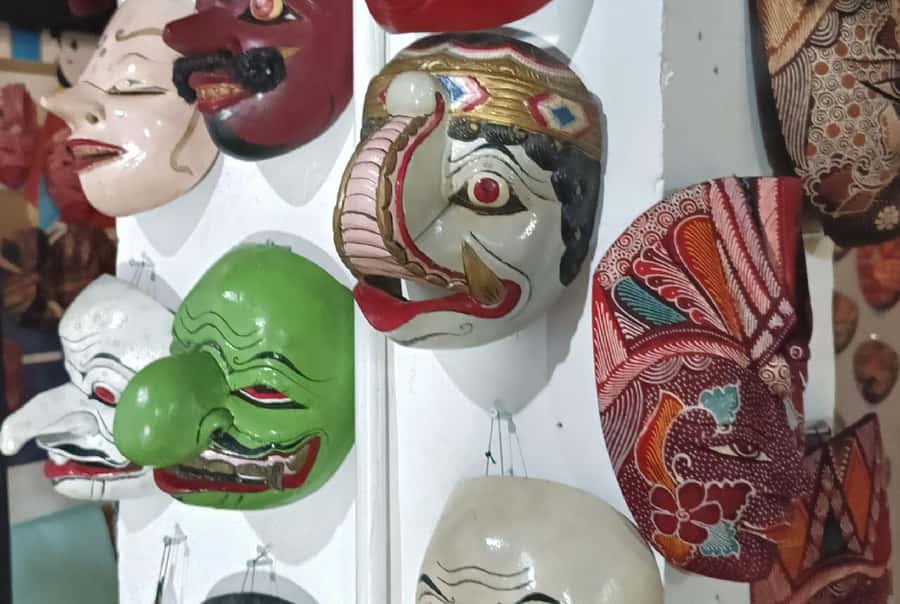
Then comes Makutharama Puppet Studio (Toko Wayang Kulit), one of my favorite parts because it’s active. You get a photo stop and guided time, with the chance to see how wayang is made and played. It’s the kind of cultural stop that feels playful, not lecture-heavy.
This is also where you can pick up small souvenirs. One theme that shows up in the tour feedback is finding wayang items to bring home for friends. If you like taking home something tied to a craft, not just a generic magnet, this is the section to pay attention to.


Glodok Chinatown walk: European facades meet Chinese street life
After the early landmarks, you shift into a different Jakarta mood in Glodok Chinatown. You’ll get photo stops and guided time, plus walking—about 35 minutes—so you’re not just passing through.
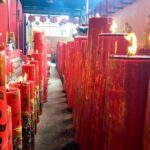
Glodok is where the tour’s heritage angle really clicks. The mix of European and Chinese building styles isn’t a theory here; you’ll see it as you move along the streets. You also get time to explore the area and spot older temple presence, which helps explain why the neighborhood has its own identity within the wider city.
One more fun detail: the tour passes by Presidential Palace during the city sightseeing phase. It’s not a long visit, but it adds a sense of place—Jakarta’s power centers and its older neighborhoods sit along the same urban timeline.
Tip for this part: Chinatown walking is best with comfortable shoes. You’ll be on your feet enough that you’ll feel the difference between street sneakers and slick shoes.
Kota Tua, Monas, and Jembatan Kota Intan: icons plus quick photo wins
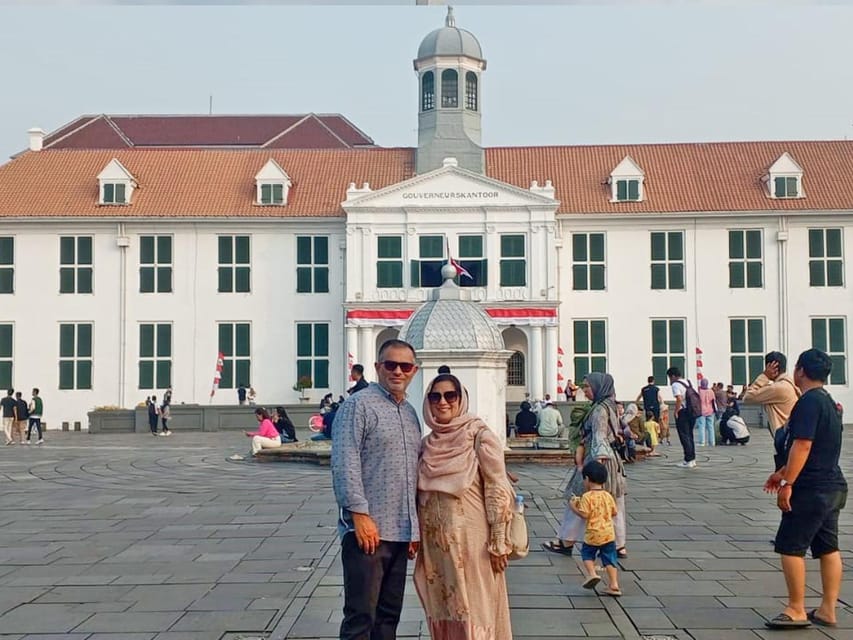
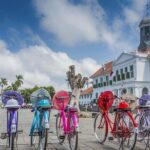
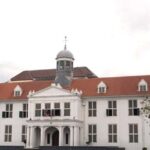
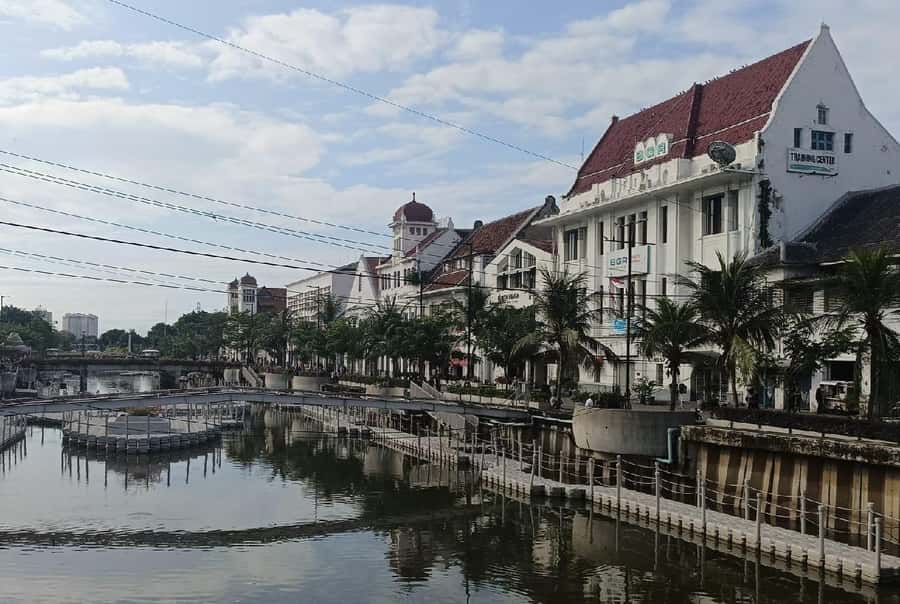
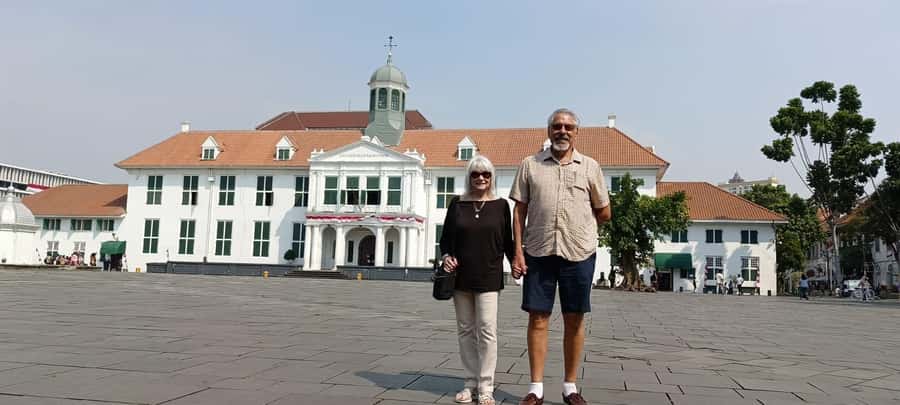
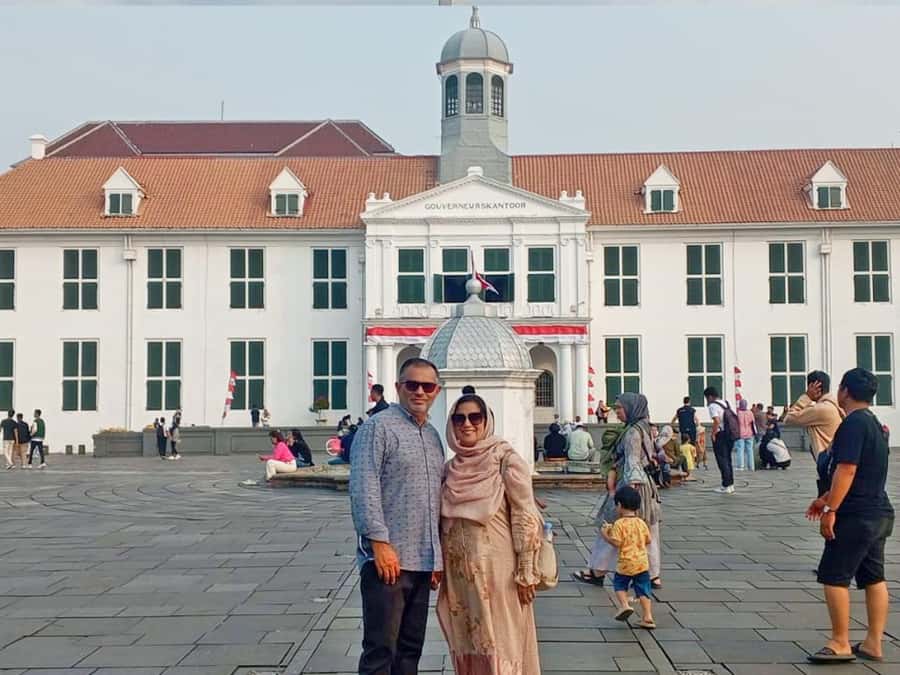
You’ll head to Kota Tua Jakarta for photo stop, guided visit, sightseeing, and walking—around 25 minutes. This time feels short, but it’s enough to get the street-scene vibe and understand why Kota Tua is often a top heritage target in Jakarta.
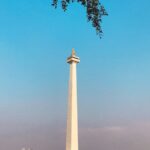
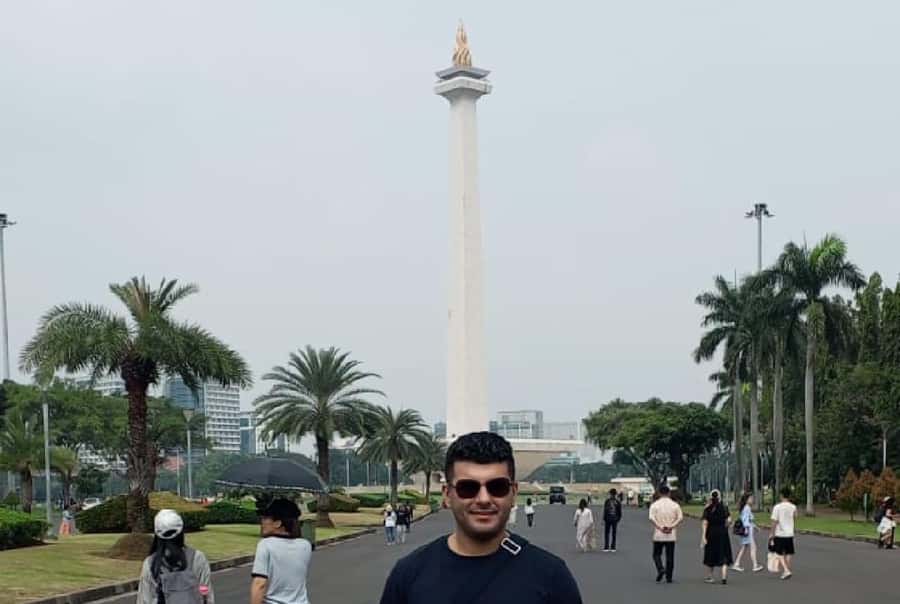
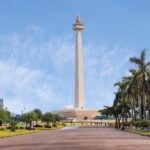
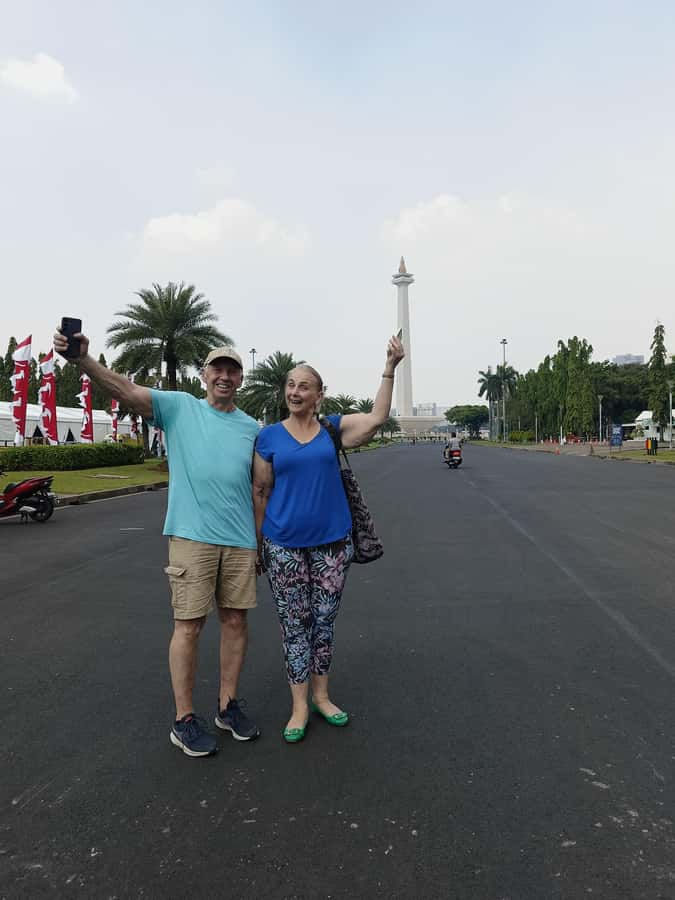
Next comes Monas (Monument National). You get a break, plus guided time and a chunk of free time—about 30 minutes—for visiting, shopping, and something a bit unusual: a “class” component. The plan also includes photo opportunities at the Monument National area, and the tone here is meant to be light and fun.
Two reminders:
- The monument is closed every Monday, so your timing matters.
- Monas includes free time, so you can decide how much you want to do versus simply rest and soak in the view.
Right after, you’ll do a photo stop at Jembatan Kota Intan, the Kota Intan Drawbridge. It’s quick—about 5 minutes—but it works as a visual bridge between inland city heritage and the harbor world you’ll reach next.
The best way to use these icon stops is simple: treat them like photo-and-understand moments, not like you’ll master every corner. This tour is half-day length, and it’s better to enjoy the highlights than chase perfection.
Sunda Kelapa Harbor: the old port mood to close the loop
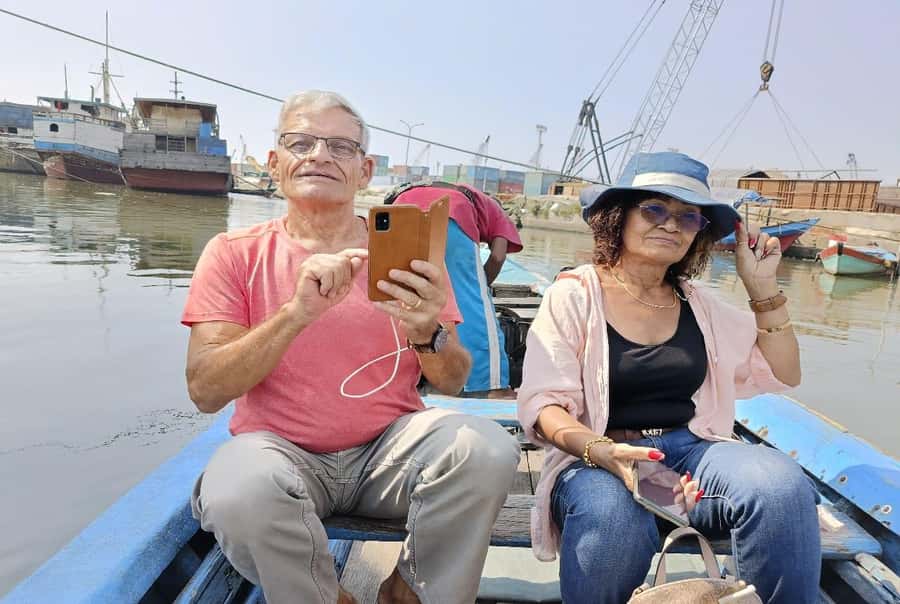
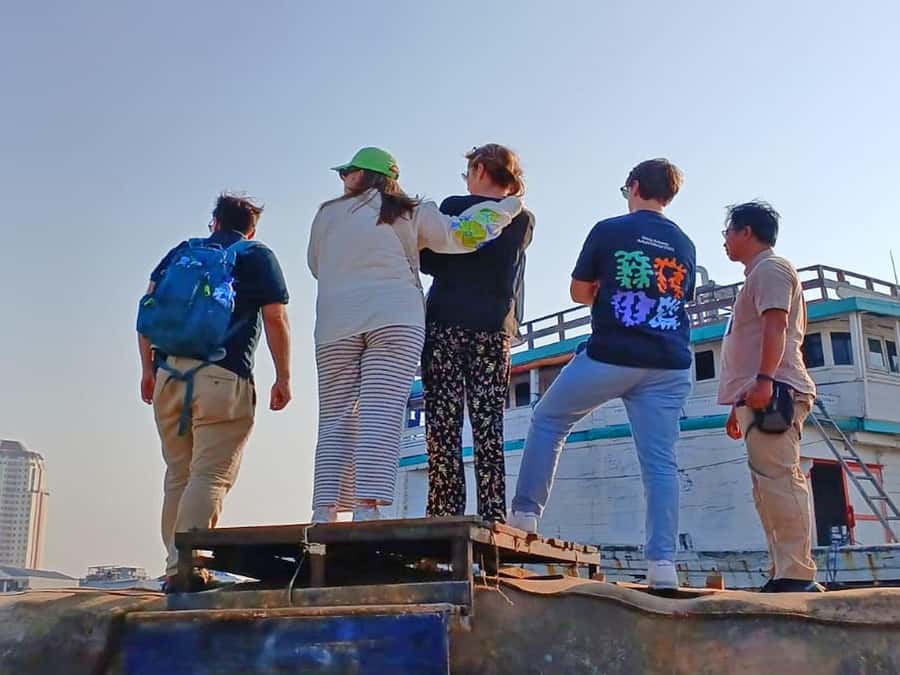
The finale is Sunda Kelapa Harbor. You’ll do a photo stop, guided visit, and a little sightseeing—about 15 minutes. It’s a smart closing chapter because harbor heritage is what explains why old Jakarta mattered in the first place.
Even in a short time, this stop helps you connect the dots: the old city streets, Chinatown neighborhood, and monumental areas all link back to trade and movement. You’re finishing with a sense of Jakarta as a port city, not just a government-and-museum city.
After the harbor visit, you return to your drop-off location.
The guide quality is the secret ingredient
The tour data highlights something important: the experience rises or falls on guidance. Names like Gibran, Ferdi, Saleh, Riswan, Fitri, and Made show up in the guide feedback, and the common praise is clear—great English and strong explanations that make Jakarta easier to understand in a short window.
I also like that the day includes an organized vehicle team and driver. Mr. Man comes up for punctuality in the feedback, and that matters because Jakarta traffic can ruin a tight schedule if your transport isn’t steady.
So if you’re comparing tours, look for one that gives you both comfort (AC vehicle) and real human context (expert guide). This one aims at that mix.
Walking pace, closures, and what to pack for a smooth day
This is a walking heritage experience. You’re not doing an all-day hike, but you will move through historic zones—especially in Glodok and Kota Tua.
Plan for:
- Comfortable shoes
- Sun protection (Jakarta weather can be strong)
- A light layer for indoor spaces like museums
Then there are closures to plan around:
- Istiqlal Mosque closes every Friday and during events.
- Museum and Monas are closed every Monday.
If your trip lands on those days, you might find your exact flow shifted. The tour is still worth it, but your expectations should be flexible.
Who this tour suits best (and who may want something else)
This tour is ideal for:
- First-timers who want a concentrated Jakarta heritage sampler
- People who like photo stops but also want real explanation
- Travelers who prefer private pacing instead of a big group herd
- Anyone interested in cultural crafts, since the puppet studio is a standout
It may be less ideal if you:
- Want a slow, deep museum day where you can linger for hours
- Travel on days when the monument or key religious sites are closed and you want zero substitutions
- Need a completely step-free route (it’s listed as wheelchair accessible, but short walking segments still apply)
Should you book this Jakarta Half Day Heritage Tour of Old Batavia?
If you have only a half-day and you want the “big picture” of Jakarta—Old Batavia, Chinatown, national landmarks, and a real-feeling harbor—this is a strong pick. The price is reasonable when you factor in the guide, entrances, the donation element, and the combination of walking with comfortable transport.
Book it if you:
- Like a structured route with time to breathe
- Want both major landmarks and street-level atmosphere
- Value an English-speaking guide who can explain what you’re seeing
Skip it (or pick a different format) if you’re in Jakarta on a Monday and Monas/Museum closures would frustrate you, or if you’re aiming for a very slow, deep-dive museum-only day.
FAQ
How long is the Jakarta Half Day Heritage Tour of Old Batavia?
It runs for about 6 hours.
Is this tour a private group?
Yes, it’s listed as a private group.
What’s included in the price?
You get an expert guide, an air-conditioned vehicle, mineral water, a tuk-tuk ride, entrance fee to Museum Nasional, a donation to Istiqlal Mosque, and pick-up and drop service.
What are the pickup options?
Pickup options include Soekarno-Hatta International Airport, Jakarta, and there are also pick-up locations across Jakarta.
Is there an extra airport charge?
Yes. There is an extra charge of $15 for the returned airport pick-up.
Are the guide language and tour style English?
Yes. The live tour guide is listed as English, and the tour includes guided visits and photo stops.
Which major sites are visited?
You’ll pass by or visit key stops such as Jakarta Cathedral, Istiqlal Mosque, Glodok Chinatown, Kota Tua Jakarta, Monas, Jembatan Kota Intan, and Sunda Kelapa Harbor, plus Museum Nasional.
Is there walking during the tour?
Yes. The experience includes walking with historical sites, including walking time in Chinatown and Kota Tua.
Is it wheelchair accessible?
Yes, it is listed as wheelchair accessible.
What days might some stops be closed?
Istiqlal Mosque is closed every Friday (and for events). Museum and Monas are closed every Monday.
What’s not included?
Personal expenses are not included.