Bali sacred water meets a real trek. This full-day Ubud hike strings together Taro village old-temple sights, a moderate bamboo-forest walk, and the spiritual reset of Tirta Empul Temple—all wrapped around a lunch with rice paddy views. I like that the day feels hands-on, with guides such as Wayan and Baru bringing a personal touch and real context, not just check-the-box stops. I also like the practical flow: hotel pickup, bottled water, and lunch included so you’re not stuck hunting food mid-trek.
One thing to consider: this is not for everyone. The tour is rated for moderate fitness, and it’s not recommended if you have back problems, heart complaints, or other serious medical issues.
If you want a Ubud day that balances nature time with cultural stops (and doesn’t skimp on scenery), this tour hits a sweet spot.
In This Review
- Key highlights at a glance
- What This Ubud Trek and Temple Day Really Delivers
- Meeting Your Guide and Settling into Taro Village Life
- The Bamboo Forest Trek: A Moderate Hike, Not a Race
- Lunch Over the Paddies and Luwak Coffee at the Plantation
- Tirta Empul Temple: Holy Water, Spiritual Traditions, and Timing
- Tegalalang Rice Terrace and the Swing Stop (What’s Included vs Not)
- Price and Value: Why $78 Can Make Sense Here
- Who This Tour Fits Best (And Who Should Skip It)
- Final Thoughts: Should You Book This Trek and Sightseeing Tour?
- FAQ
- FAQ
- How long is the trekking and sightseeing tour from Ubud?
- What’s included in the tour price?
- Is hotel pickup and drop-off included?
- How hard is the hike?
- What’s the age requirement?
- Is a swing included?
- What are the main sightseeing stops?
- Is lunch included, and when do you eat?
- Can I do purification at Tirta Empul Temple?
- What if the weather is bad?
- What’s the cancellation window?
Key highlights at a glance
- Taro village + Bali’s oldest temple complex in the same day as trekking
- About 4 hours of hiking through bamboo forest and rural paths
- Lunch included with views over rice paddies
- Tirta Empul holy water visit, with optional purification
- Tegalalang rice terrace photos plus a river-view swing stop (swing ticket not included)
What This Ubud Trek and Temple Day Really Delivers
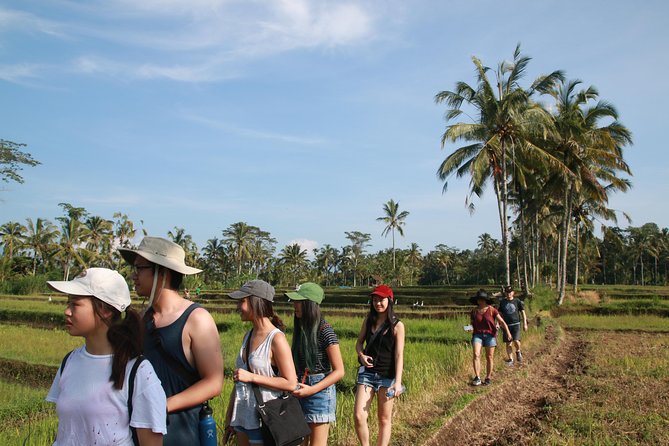
This isn’t a “sit on a bus, snap a photo, move on” day. You trade that for a mix of walking, temple learning, and countryside scenery around Ubud. The big idea is simple: start with the ancient Hindu settlement area, get out into the greenery with a moderate hike, refuel with Balinese lunch, then finish with iconic sacred-water and rice-terrace experiences.
You’ll spend a long chunk of time on the move, but the pacing is the kind that usually works well for visitors who want more than one sightseeing stop in a single day. The tour time is about 7 hours 30 minutes, and it’s built around a roughly 4-hour trek segment. That’s long enough to feel like you actually went trekking, not just a short nature walk.
Also, the “cultural + nature” pairing is smart. Tirta Empul is the spiritual anchor, but it lands better after the calm of rural trekking. If you’re doing Ubud for the temples and the countryside, this order helps the day feel like one story instead of random errands.
You can also read our reviews of more tours and experiences in Ubud.

Meeting Your Guide and Settling into Taro Village Life
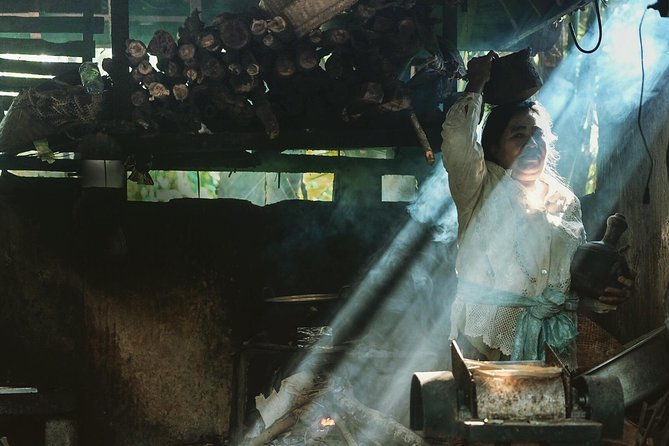
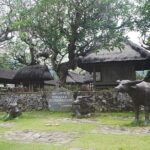
Your day starts with meeting your professional local guide. From there, you drive about 30 minutes north of Ubud to the Delodsema Traditional Village area, which is part of Taro village.
This is the opening that sets the tone. Instead of jumping straight to a temple, you get about 4 hours in the traditional village environment. It’s time for you to explore the local way of life and see how the community connects with the land. That long village block is one reason the tour feels more substantial than a quick drive-by stop.
What I like about this first phase: it gives you context for what you’ll see later. When you connect temple traditions to a living settlement, Tirta Empul and the wider Hindu sites feel less like separate attractions and more like part of the same cultural world.
A possible drawback: 4 hours in one village setting is a lot of time in the sun. If you burn easily, plan for hat, sunscreen, and water (the tour includes bottled water, but you’ll still feel the heat during slower moments).
The Bamboo Forest Trek: A Moderate Hike, Not a Race
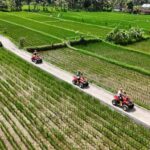
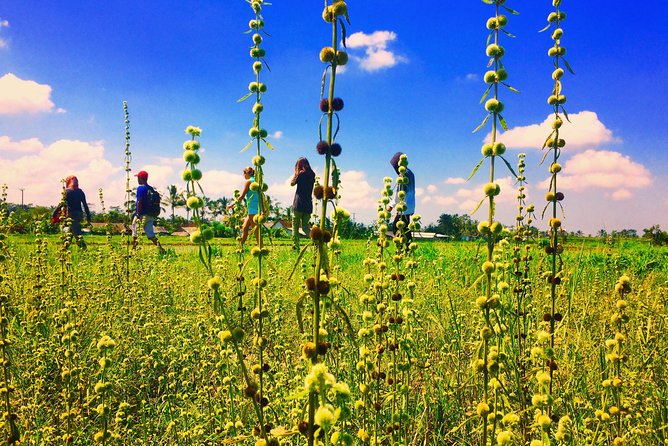
After village time, you move into the trekking portion. The hike is described as moderate and lasts about 4 hours, and it includes bamboo forest walking and rural paths. Along the route, you may pass plants tied to tropical fruit, with mangoes and mandarins specifically mentioned.
Here’s the practical part: moderate usually means you’ll be walking on uneven terrain, possibly with some uphill stretches and slippery patches depending on weather. This tour is not “stairs and flat sidewalks,” so you’ll want comfortable shoes and a willingness to slow down when the ground changes.
What you can expect from the trekking experience: the best moments come when you’re not hurrying. Bamboo areas tend to feel cool and shaded compared with open rice fields, and the trail through countryside can make the day feel quieter than the center of Ubud.
Who should be careful: the tour specifically notes it’s not recommended for participants with back problems, heart complaints, or other serious medical conditions. If your body has limits, trust them. This is one of those tours where you don’t want to gamble.
Lunch Over the Paddies and Luwak Coffee at the Plantation
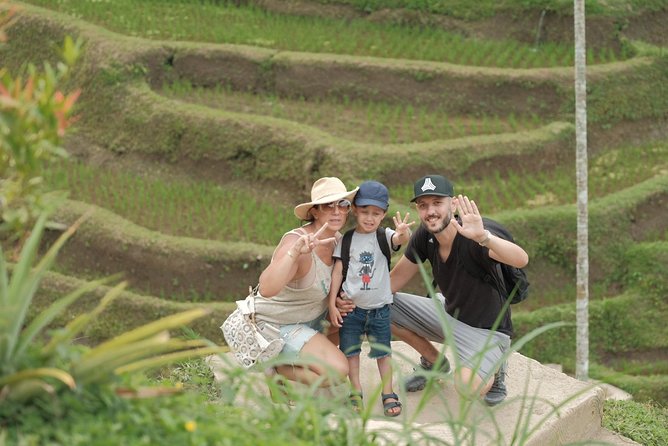
Once you’ve walked long enough to get hungry, you get your Balinese lunch. The lunch is included, and the positioning matters: it’s served overlooking rice paddy fields. That view isn’t just decoration. Eating with scenery around you makes a break feel like a reset, not a pause before more effort.
After lunch, you’ll head toward a coffee plantation stop. The tour mentions sampling some of the world’s most expensive coffee made from luwak (kopi luwak). That’s a fun cultural-food add-on because it gives you a reason to visit the plantation area beyond the views.
One note on expectations: coffee plantations are often partly about the story and partly about tasting. You may find it interesting even if you’re not a coffee expert, because it ties local agriculture and Bali’s food culture into the day.
Tirta Empul Temple: Holy Water, Spiritual Traditions, and Timing
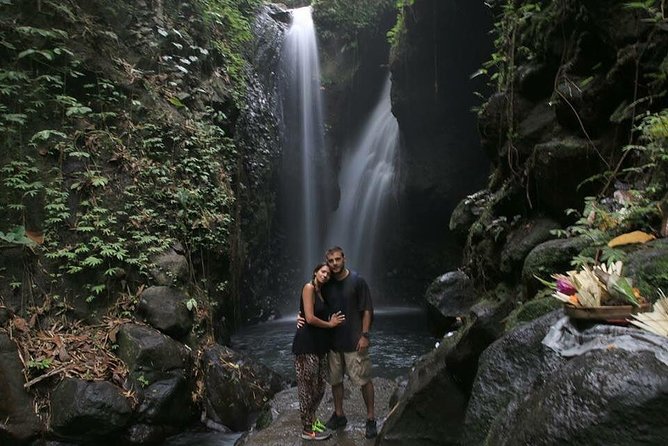
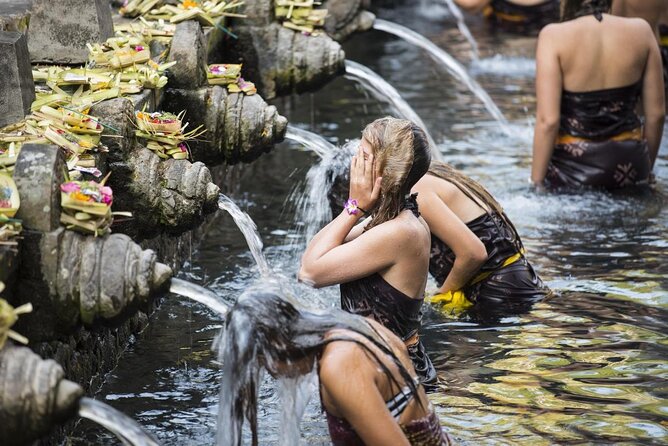
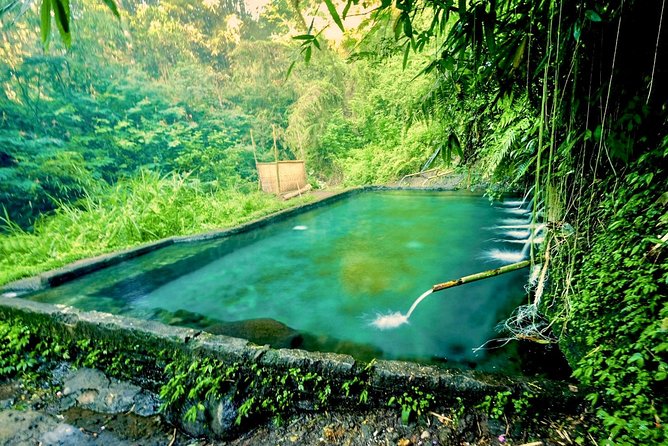
Tirta Empul Temple is the spiritual highlight and you’ll have about 1 hour here. This is the holy water temple stop, and the experience can include purification rituals. The wording also points out that you can do purification and receive blessings if you want.
What makes this stop special in real terms is how it changes your pace. You go from trekking effort to a more reflective setting where people gather around sacred water. Even if you’re just watching, you’ll feel the difference in atmosphere.
Practical etiquette tip: assume this is a place where visitors should be respectful and follow the flow. If purification is optional, don’t feel pressured. Pick what feels comfortable—watching is still part of the experience.
Possible consideration: Tirta Empul involves time spent in a religious space. If your trip timing puts you there during busier periods, you may spend some of that hour waiting or moving slowly through areas. It’s normal, but factor it into your energy level after hiking.


Tegalalang Rice Terrace and the Swing Stop (What’s Included vs Not)
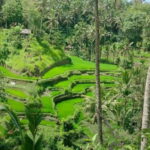
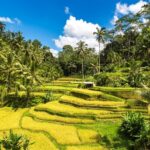
After Tirta Empul, the tour includes a stop at Tegalalang Rice Terrace. You’ll have about 30 minutes there, focused on sightseeing and photos. This is a classic Bali view: layered fields, valleys, and the iconic Ubud-style scenery that draws most people in the first place.
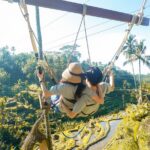
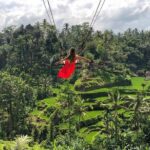
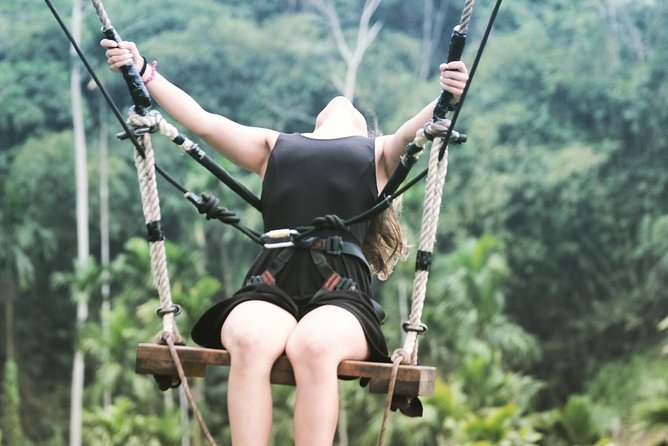
Then there’s the coffee plantation area with an activity component: the Terrace River Pool Swing stop. You’ll spend about 2 hours here, and you’ll do different types of swings over rice terraces with river views.
Important detail: the swing ticket is not included. So you should budget for it if it’s on your must-do list. The swing portion can add real fun and adrenaline, but if you prefer to keep costs predictable or you don’t want heights, you can still enjoy the scenery around the coffee plantation stop.
My advice for the swing stop: treat it like a personal choice, not a requirement. If you’re deciding on the spot, check how you feel physically after the earlier hike and how busy the area looks.
Price and Value: Why $78 Can Make Sense Here
At about $78 for a roughly 7.5-hour day, this tour sits in the “value if you’ll use the full day” zone. Here’s why:
- Hotel pickup and drop-off from Ubud are included. That removes one of the biggest headaches in Bali logistics.
- Lunch is included, and it’s not just a snack—it’s part of the planned pacing.
- Bottled water and parking fees are covered. These small inclusions add up in real life.
- You get multiple major stops across the day: village time, a multi-hour hike, Tirta Empul, rice terraces, and a plantation area.
Where the cost can shift is in extras. The swing ticket costs extra, and shopping expenses aren’t included. Also, Tirta Empul and other specific admissions are listed as not always included in the general package notes (for example, Tirta Empul admission is listed as not included), so it’s worth checking what your final confirmation covers to avoid surprises.
Overall, if you want a packed but organized Ubud day that blends walking, culture, and scenery—with pickup and lunch handled—this price can feel fair.
Who This Tour Fits Best (And Who Should Skip It)
This tour is a strong fit if you want:
- A moderate hike (about 4 hours) paired with real cultural stops
- Temple time at Tirta Empul with an optional purification element
- Rice terrace views at Tegalalang with photo time
- A full day built around minimal independent decision-making (pickup and guide handle the rest)
It’s less ideal if:
- You have back problems or heart complaints or other serious medical issues (the tour explicitly warns against this)
- You want a totally low-effort day with short walking segments
- You don’t like being outdoors for long stretches (there’s village time, trekking time, and several stops outdoors)
There’s also a minimum age of 7, and kids under 7 need to be carried by a parent. That’s worth planning for if your group includes younger children.
Final Thoughts: Should You Book This Trek and Sightseeing Tour?
I’d book this tour if you’re spending time in Ubud and you want a day that truly combines countryside walking with Bali’s spiritual and cultural stops. The mix of Taro village, a long enough bamboo-forest trek, and the standout Tirta Empul experience makes it feel like more than a typical sightseeing circuit.
Skip it or think twice if your fitness is limited or you’re worried about a moderate hike. And if the swing is a big deal for you, plan for the swing ticket cost, since it’s not included.
If you want a well-paced day that feels personal—especially with guides who can tailor the experience to what you care about—this one is a solid bet.
FAQ
FAQ
How long is the trekking and sightseeing tour from Ubud?
It runs for about 7 hours 30 minutes (approximately).
What’s included in the tour price?
The tour includes a professional guide, lunch, bottled water, hotel pickup and drop-off, and parking fees.
Is hotel pickup and drop-off included?
Yes. Round-trip transport from your Ubud hotel is included.
How hard is the hike?
The hike is described as moderate, with about 4 hours of trekking through bamboo forests and rural paths.
What’s the age requirement?
The minimum age is 7. Kids under 7 have to be carried by a parent.
Is a swing included?
The swing experience is part of the schedule, but the swing ticket is not included.
What are the main sightseeing stops?
You’ll visit Taro village (Delodsema Traditional Village), Tirta Empul Temple, Tegalalang Rice Terrace, and a Terrace River Pool Swing stop near the coffee plantation area.
Is lunch included, and when do you eat?
Lunch is included, served after the trekking and sightseeing portion, with views over rice paddy fields.
Can I do purification at Tirta Empul Temple?
The tour notes you may do purification on holy water and receive blessing if you want.
What if the weather is bad?
The experience requires good weather. If it’s canceled due to poor weather, you’ll be offered a different date or a full refund.
What’s the cancellation window?
Free cancellation is available up to 24 hours in advance for a full refund.