Balinese dance hits different at night. You get story, devotion, and stagecraft in about an hour, with a simple ticket that goes from day-to-night culture. I especially like the way each option tells a clear story through movement, costumes, and timing, and I also like the selfie with the dancers that makes the evening feel personal. One thing to consider: the show is timed tightly for check-in, and the theater rules are strict about photos during the performance.
If you’re choosing between shows, I like that the Legong option focuses on character and plot, while Sanghyang shifts gears into a spiritual trance ritual. You’ll get a strong taste of what Balinese performing arts do best: combine beauty with meaning, fast. The only real drawback is that it’s not a good fit for everyone age-wise and for anyone who’s dealing with altitude or health limits.
Since this is Ubud, you’ll likely be deciding after dinner plans and traffic. The stage opens at 6:00 PM and the show starts at 7:00 PM, so plan to arrive early and settle in. If you hate rules around no video/flash, or you want long wandering time, keep your expectations on the short side.
In This Review
- Key points that make this ticket worth it
- Choosing Your Show in Ubud: Legong, Sanghyang, or Ramayana at ARMA Museum
- Timing and What Happens When the Stage Opens at 6 PM
- Legong Lasem Peliatan: Rangkesari, Condong, Duet, and the Reunion Finale
- Sanghyang Sampat Dance: Trance, the Broom, and Blessings for the Land
- ARMA Museum Legong: Watching Court Dance With Museum Time Before the Curtains
- Ramayana Ballet: Love and Heroism Through Story, Costumes, and Movement
- Price and Value: What You Get for About $6 and Why It’s Not Just Cheap
- What to Bring, What Rules to Expect, and How to Prepare for the Theater
- Who This Ubud Performance Ticket Suits Best
- Should You Book This Ticket?
- FAQ
- What time does the show start?
- How long is the performance?
- Does the ARMA Museum Legong ticket include museum entry?
- Is flash photography or video allowed during the performance?
- What does the ticket include?
- What should I bring?
- Are there age recommendations or limits?
- Can I cancel if my plans change?
Key points that make this ticket worth it
- Three distinct performances mean you can match the night to your mood: court romance, spiritual ritual, or epic storytelling.
- 7 PM start after a 6:00 PM stage opening gives you a predictable evening flow.
- Legong plot details like Rangkesari and Prince Panji make the dance easier to follow.
- Sanghyang Sampat uses the broom as a symbolic ritual act for blessing the land.
- ARMA Museum access before the show can turn your ticket into a mini evening culture plan.
Choosing Your Show in Ubud: Legong, Sanghyang, or Ramayana at ARMA Museum
This ticket works because you can pick the flavor of Balinese performance you want. You’re not stuck with one program. You can choose Legong, the Sanghyang Sampat ritual, or the Ramayana Ballet, each with its own tone and purpose.
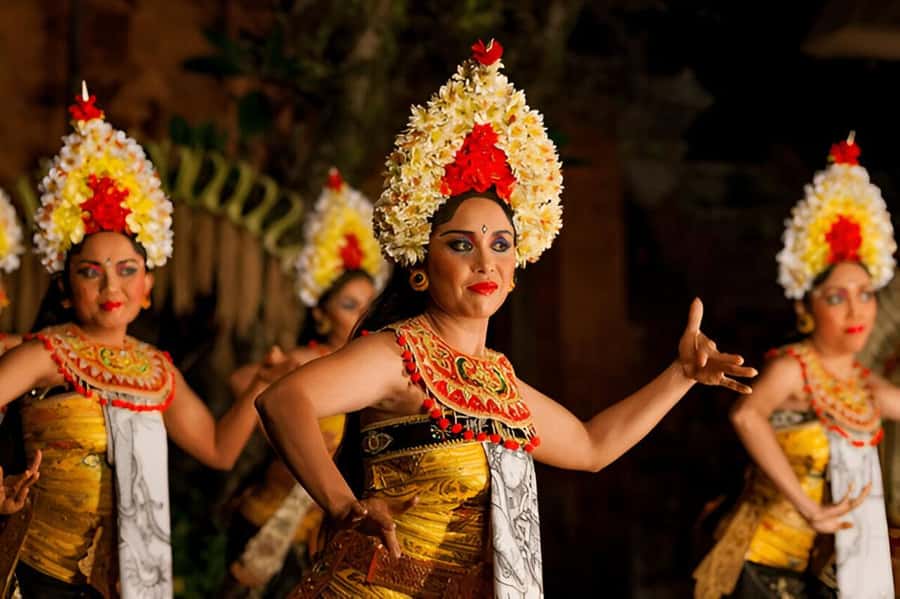
If you’re into story-on-stage, Legong is the easiest entry point. The dance focuses on characters and relationships, including Princess Rangkesari, King Lasem, and Prince Panji. That helps you watch with fewer translation barriers.
If you want something more spiritual and unusual, Sanghyang Sampat is the move. It’s built around dancers entering a trance state and using a Sampat broom as a symbolic act to sweep away negative energies and bring blessings to the land. It feels closer to ritual than theater.
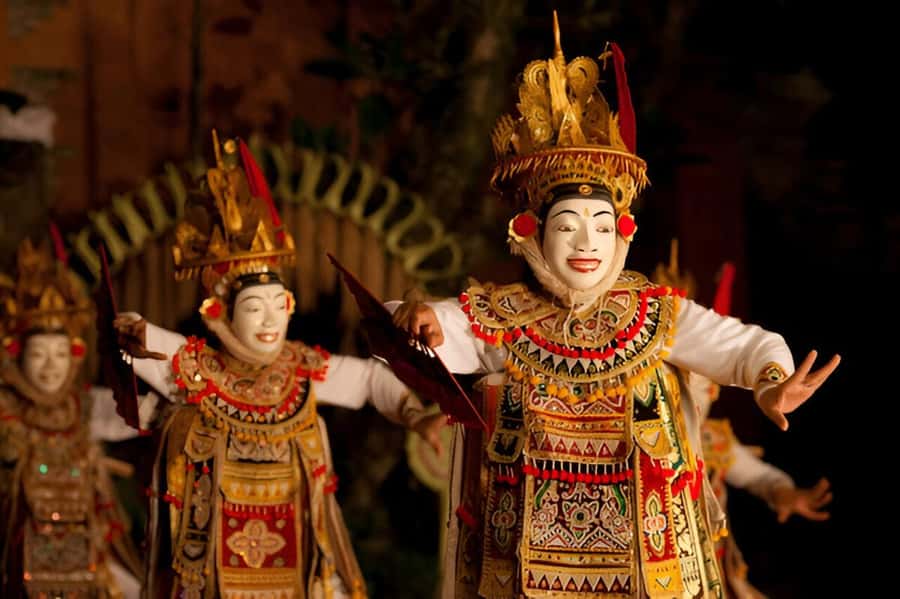
And if you’re drawn to grand epic drama, the Ramayana Ballet uses expressive dance and costumes to bring the Hindu epic to life. The pacing and staging tend to feel bigger, because the story is bigger.
You can also read our reviews of more tours and experiences in Ubud.


Timing and What Happens When the Stage Opens at 6 PM
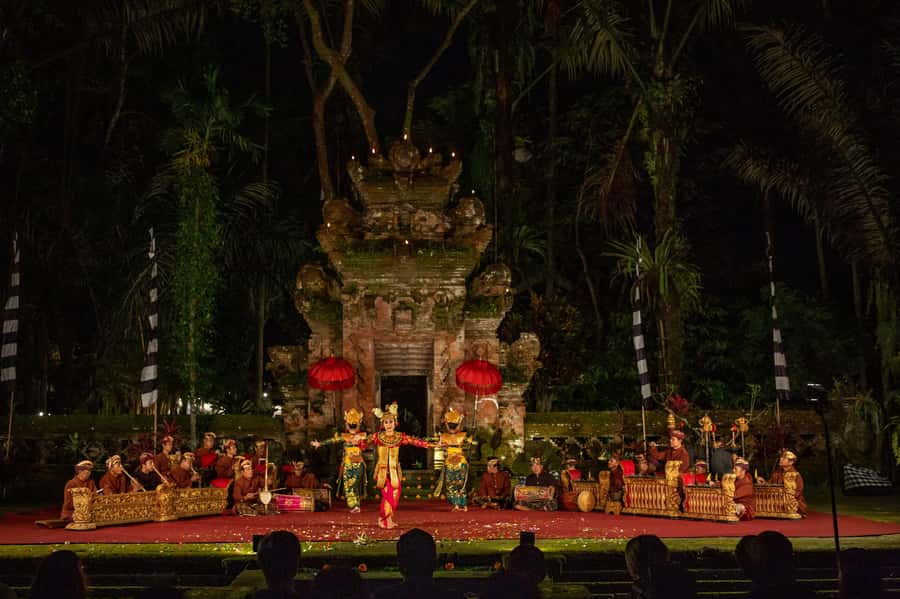
Here’s the practical rhythm. The stage is open at 6:00 PM, and the show starts at 7:00 PM. You’ll want to arrive about 15 minutes early for check-in so you don’t lose time to lines or getting seated.
The performance length is about 1 hour for each option. That makes it a good fit for an evening when you want culture without turning it into a late-night marathon.
Your meeting point can vary by which option you book, and the experience ends back at the meeting point. So treat it like a round-trip commitment, even though the show itself is the main event.
Legong Lasem Peliatan: Rangkesari, Condong, Duet, and the Reunion Finale
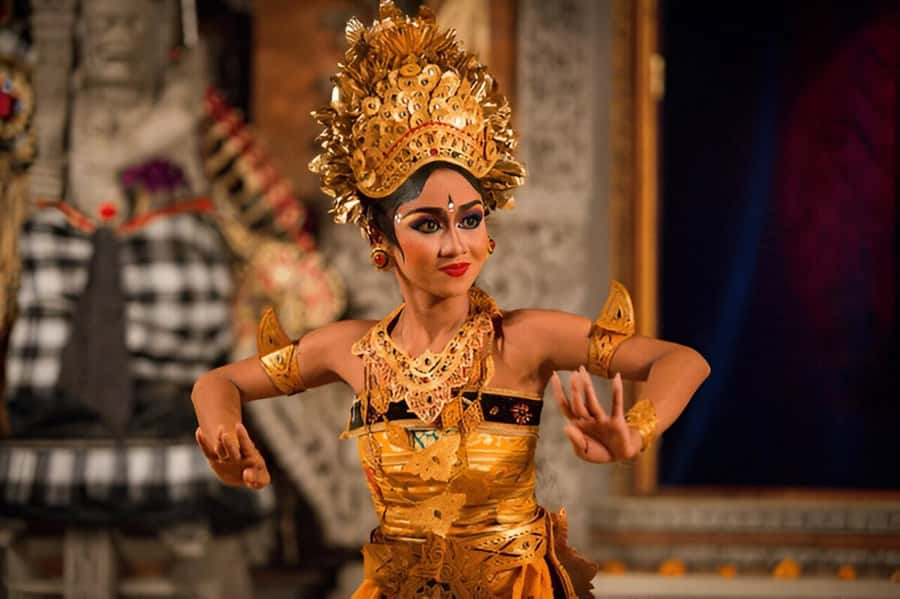
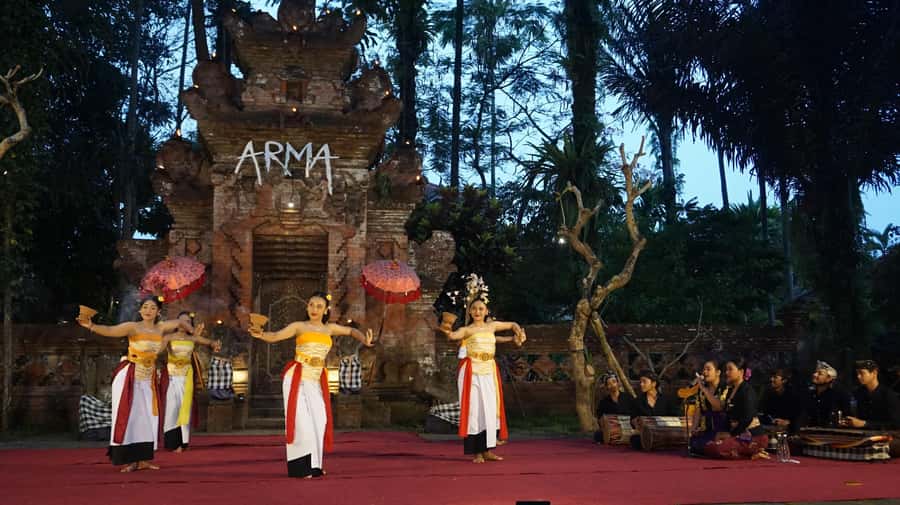
Legong is often described as elegant court dance, but what I like here is that this specific version gives you a clear narrative path. The story centers on Princess Rangkesari, King Lasem, and Prince Panji, and the dance follows their emotional arc.
The show begins with the Condong dance as a solo. That moment is useful because it sets the tone and gives you a baseline for the dancer’s style and timing before the choreography adds more complexity.
Then the performance transitions into a duet. In Legong, duets matter because the contrast shows up in how the dancers respond to each other—who leads, who yields, and how emotions shift. Even if you don’t speak the language, you can track the relationship changes through body angles and pacing.
The ending lands on the dramatic reunion of Rangkesari and her true love. That finale is what makes the experience feel complete instead of just beautiful. You’re watching characters move toward closure.
A small consideration: Legong can be visually detailed, especially in costume and gestures. If you try to photograph nonstop, you’ll miss the fine points. Bring a camera, but save most of your effort for before the performance or during permitted moments.
Sanghyang Sampat Dance: Trance, the Broom, and Blessings for the Land
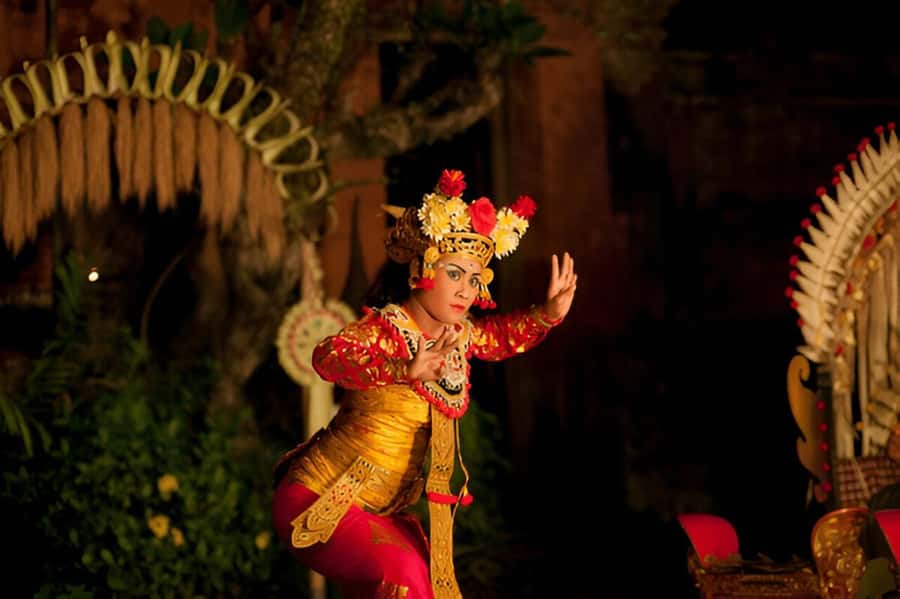
Sanghyang Sampat is different from the other two choices because it’s built around spiritual meaning. The dancers enter a trance state, and they use the Sampat broom in a symbolic sweep to remove negative energies.
For me, that’s the key value of choosing Sanghyang. You’re not just watching choreography; you’re watching a ritual language. The broom isn’t a random prop—it represents the idea of clearing, cleansing, and blessing.
This also means the mood is less about romance or epic adventure and more about sacred presence. If you’ve been learning about Balinese culture, this is one of the best chances in an evening ticket to see how spirituality shows up in performance.
Practical tip: watch with your full attention for the trance segment. It’s the kind of moment where the atmosphere matters, and it’s also the part you can’t recreate with photos later.
ARMA Museum Legong: Watching Court Dance With Museum Time Before the Curtains
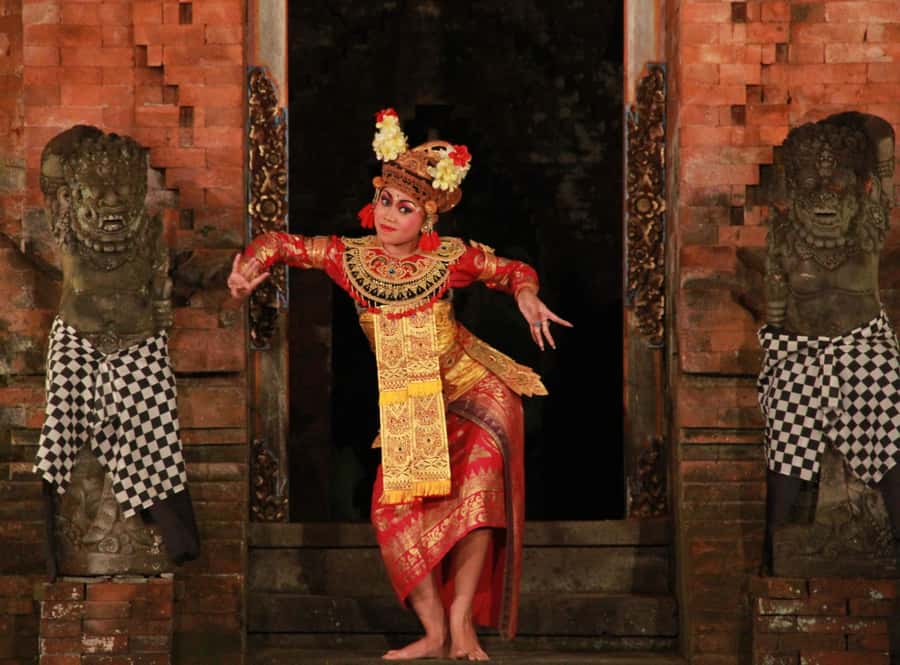
If you pick Legong in ARMA Museum, your ticket becomes a two-part cultural evening. The ARMA Museum ticket includes access to the museum galleries before the show, so you’re not walking in cold and rushing straight into a performance.
That museum time helps you adjust and set your headspace. It also gives you context for Balinese art forms you might otherwise miss—especially if you’re interested in dance as part of a wider visual culture.
This version is described as the classic Legong dance presented in the ARMA Museum setting, paired with the elegance of Balinese art and history. Even without going deep into museum details, the benefit is simple: you arrive ready to look, not just ready to sit.
One more practical point: ARMA Museum can be a helpful base when you’re already planning museum time in Ubud. It bundles two experiences into one ticket and keeps the evening predictable.





Ramayana Ballet: Love and Heroism Through Story, Costumes, and Movement
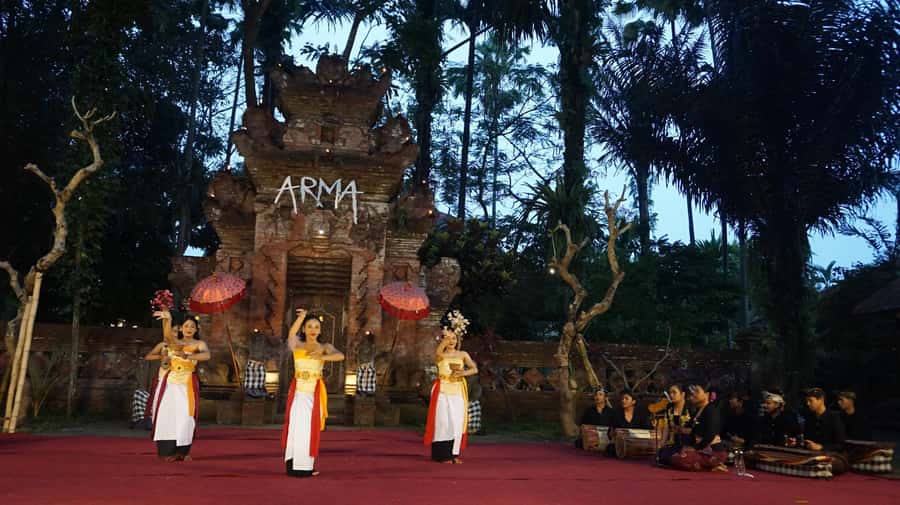
Ramayana is one of those stories that works even when you don’t know every plot beat. The performance uses dance, elaborate costumes, and expressive storytelling to bring the epic to life.
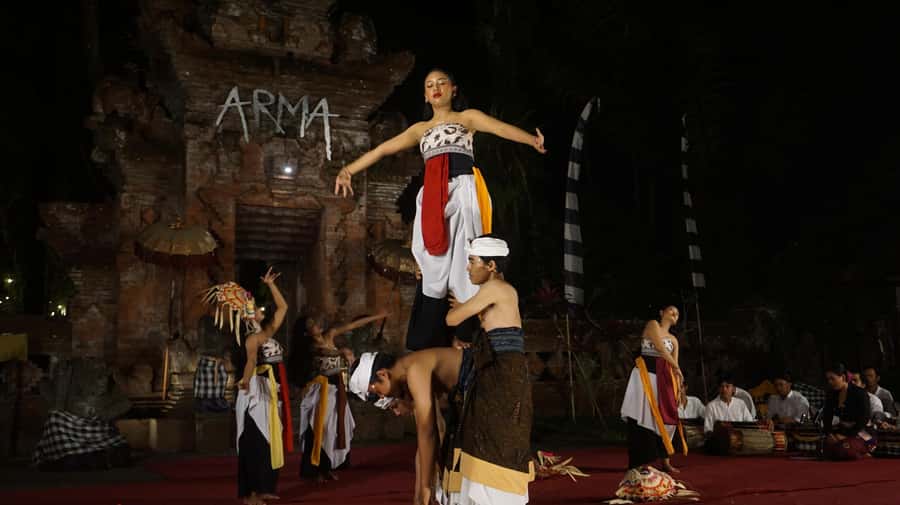
What I like about the Ramayana Ballet format is how it turns a long myth into digestible scenes. You’re not expected to follow a page-by-page narrative. Instead, you watch how emotion and intent get expressed through gestures, posture, and ensemble coordination.
The costumes also do real work here. In Balinese dance storytelling, costume and movement aren’t separate things; they’re one language. You’ll be able to track characters more easily because the visual design supports the choreography.
If you’re traveling with someone who loves costumes, this option often lands well. It’s also a strong pick if you want a dramatic arc rather than a single romantic storyline.
Keep in mind the timing stays the same—about 1 hour for the performance. So you’re getting a condensed epic evening, not a full multi-hour production.
Price and Value: What You Get for About $6 and Why It’s Not Just Cheap
At around $6 per person, this ticket is easy to justify. The big value isn’t just the low price. It’s what’s included and how tight the experience is.
Your ticket includes:
- admission to the show
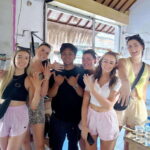
- a selfie with the dancers
That selfie inclusion is small, but it can be meaningful. It turns the event from a one-way viewing experience into something interactive at the end. If you like travel souvenirs that aren’t mass-produced, that’s a plus.
What’s not included matters too. Transport and food and beverage aren’t included. So if you don’t already have a way to get there, you’ll need to budget for a ride or factor in walking time from your base.
Also, the “about one hour” duration makes the value feel efficient. You’re paying for a specific evening block, not a half-day tour with lots of waiting.
If you’re in Ubud anyway, it’s hard to beat the price-to-cultural-impact ratio. You’d normally spend more for a single performance, especially if you add museum time.
What to Bring, What Rules to Expect, and How to Prepare for the Theater
This is the kind of show where preparation helps you relax. Bring a camera and wear comfortable clothes. Since you’re sitting for about an hour, comfort wins over fashion.
The show has rules:
- Flash photography and video recording are not allowed during performances.
- Pets are not allowed.
- Alcohol and drugs are not allowed.
So manage expectations: you can take photos, but you can’t treat it like a filming session. If you want photos, decide which moments you’ll capture and then put the camera down for the rest.
Arrive with your timing in mind. The stage opens at 6:00 PM, but the show starts at 7:00 PM. That means you’ll likely have a short check-in and wait period. Being early helps you avoid that stressed scramble feeling.
Also, plan around the age notes. This isn’t listed as suitable for everyone: it notes not suitable for children under 10 and also not suitable for children under 11, and it also lists not suitable for people over 70 and over 95. The guidance also says children must be accompanied by an adult. If you’re bringing a child, you should double-check the age limits before you commit.
Who This Ubud Performance Ticket Suits Best
This ticket is a strong match for people who want culture that’s visual, story-driven, and not overly complicated.
It’s especially good if:
- you like dance with clear character roles (Legong)
- you’re curious about spirituality in art (Sanghyang Sampat)
- you want epic drama in a one-hour format (Ramayana Ballet)
- you’re already interested in ARMA Museum time and want to pair them (Legong at ARMA)
It may be a poor match if:
- you hate strict photo rules (no flash, no video during performances)
- you need long flexible wandering time during the event itself (this is a focused show)
- you’re dealing with the listed health/age limitations, including altitude sickness concerns and the upper age limits
In short: it’s best for travelers who like a planned evening, show up early, and enjoy watching closely.
Should You Book This Ticket?
Yes, if you want real Balinese performance for a low price and you’re happy with a structured one-hour show. The included admission and selfie with the dancers make the ticket feel more personal than a standard entry pass.
Pick Legong if you want story clarity and romantic payoff. Pick Sanghyang if you want the spiritual side of Balinese performance and a symbolic cleansing moment with the Sampat broom. Pick Ramayana if you want costume-heavy epic drama with expressive storytelling.
The only reason not to book is if your plans depend on lots of flexibility, or if the rules about photography and the age/health notes don’t fit your group.
FAQ
What time does the show start?
The stage opens at 6:00 PM, and the show starts at 7:00 PM.
How long is the performance?
Each performance is approximately 1 hour.
Does the ARMA Museum Legong ticket include museum entry?
Yes. The ARMA Museum ticket includes access to the museum galleries before the show.
Is flash photography or video allowed during the performance?
No. Flash photography and video recording are not allowed during performances.
What does the ticket include?
It includes admission to the show and a selfie with the dancers.
What should I bring?
Bring a camera and wear comfortable clothes.
Are there age recommendations or limits?
It is suitable for all ages, but children must be accompanied by an adult. It is also listed as not suitable for children under 10 (and also not suitable for children under 11).
Can I cancel if my plans change?
Yes. Free cancellation is available up to 24 hours in advance for a full refund.