Silver, soot, and a lot of laughs. That’s the core of this Ubud class, where you can make your own piece with hands-on help instead of watching from the sidelines. I like that the workshop gives you a starter amount of silver (7 grams) plus tools and materials, so you can create something real without guessing what to bring. I also like the built-in cultural pairing around Ubud’s craft world, with time set aside for places known for metalwork and traditional art.
One thing to consider: the included silver is only a starting portion. If you want a bigger or more detailed design, you’ll likely pay extra for additional silver at IDR 30,000 per gram, and meals aren’t included during the class time.
In This Review
- Key things that make this Ubud experience worth your time
- Sok Wayah Silver Class in Ubud: where you learn by doing
- What kind of jewelry can you expect to make?
- The add-on culture: Barong and Kris dance in Batubulan
- Celuk Village: silver craftsmanship without the classroom tone
- Batuan Village: painting and stone carving
- Pura Puseh Desa Batuan: a temple stop with an older feel
- Ubud Palace and Saraswati Temple area: a classic Ubud cultural walk
- Price and value: what $46.60 actually buys you
- The cost you should plan for
- Is this good value?
- Timing and logistics: how to make the day flow
- Getting there
- Mobile ticket and confirmations
- What I’d watch for before you go
- Who should book this Ubud silver class
- Should you book the Ubud Silver Artistry Class?
- FAQ
- How long does the Ubud silver jewelry class take?
- Where does the experience start?
- Is pickup included?
- Do I need any prior experience to make jewelry?
- What’s included in the price?
- Is the silver limited to 7 grams?
- Are the cultural performances and temple visits included?
- Is there a ticket or confirmation on my phone?
- What should I bring or do before the class starts?
- What if I need to cancel?
Key things that make this Ubud experience worth your time
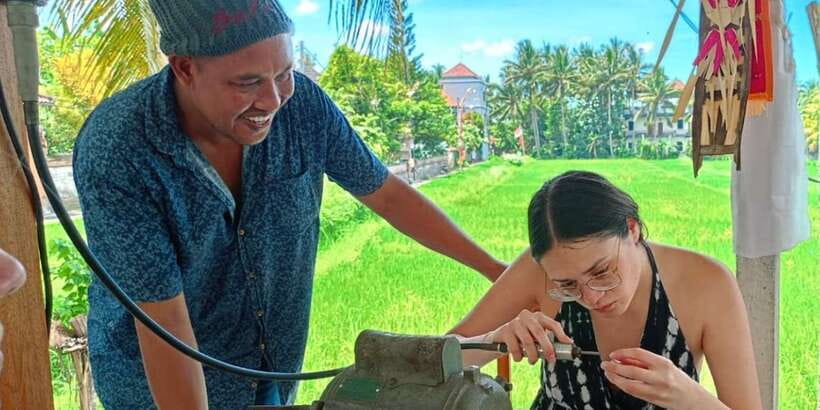
- A guided silver workshop with take-home results: you leave with the jewelry you craft, not just a souvenir photo.
- 7 grams of complimentary silver: your cost covers the key material plus instruction, tools, and setup.
- English-friendly, hands-on assistance: the best outcomes come from constant check-ins as you shape and refine your piece.
- Optional culture add-ons built into the day: dance plus visits to major craft villages and temple stops.
- Private transportation depending on your option: pickup and drop-off can reduce the stress of hopping around Ubud area.
- A flexible total duration (1 to 8 hours): your day length changes based on which stops are included.
Sok Wayah Silver Class in Ubud: where you learn by doing
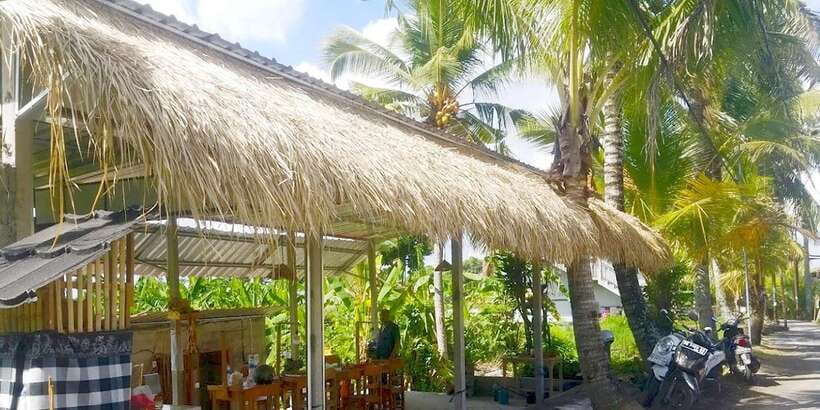
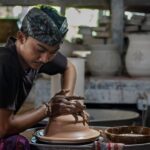
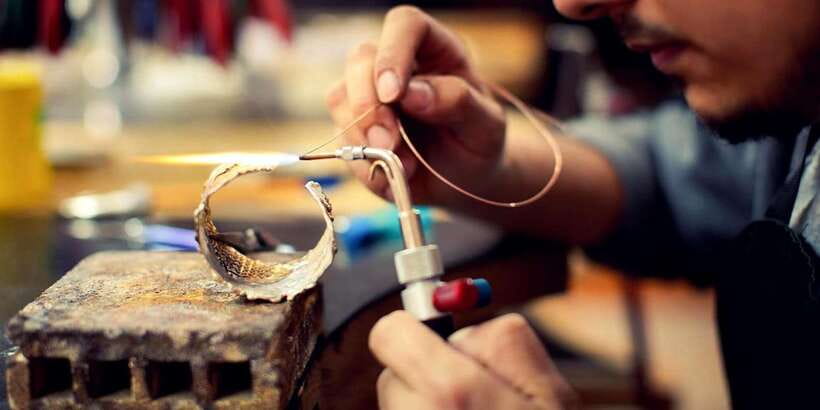
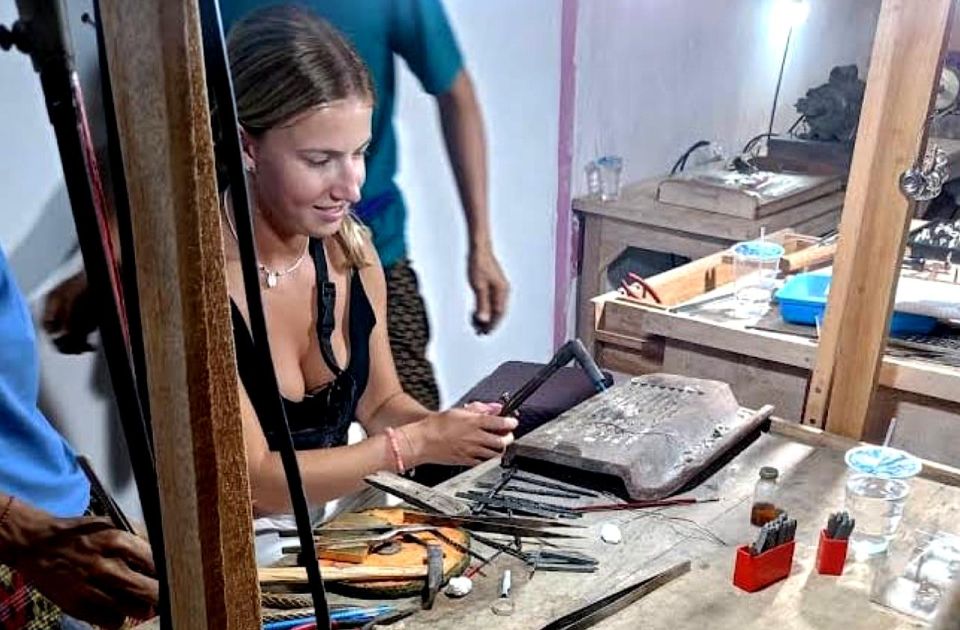
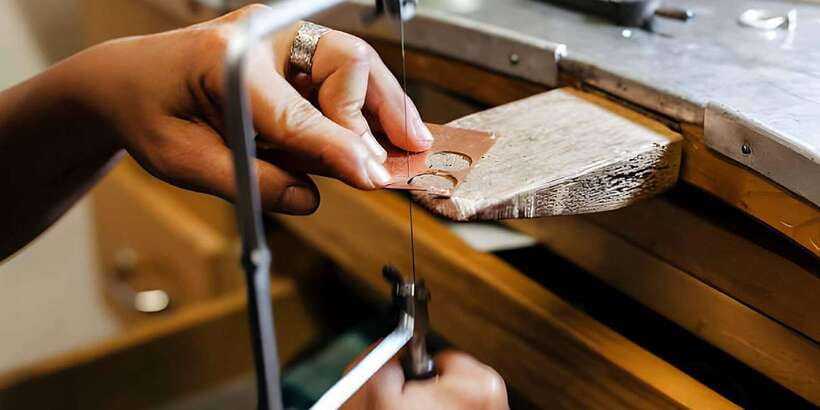
The heart of this experience is the silver workshop at Sok Wayah Silver Class in Ubud. It’s timed at about 3 hours for the making part, and it’s designed for beginners and non-beginners alike. No one expects you to already know the craft. The format is practical: you spend time at the bench, you work step-by-step, and you get guidance while your piece is still rough enough to correct.
What you get for the class fee is unusually clear. You’re provided 7 grams of complimentary silver plus personalized expert instruction, all necessary materials, and tools. That matters because silver jewelry can get confusing fast when you price it like a shop. Here, your upfront cost is tied to what you can realistically make.
The teaching style is also a big part of the value. In the feedback, one instructor name that comes up is Made Darsana. His approach is described as both knowledgeable and fun, with the kind of clear, patient guidance that helps you keep moving instead of freezing at the first tricky step. Even if you’re not confident at the start, the workshop is structured so you can ask for another look and adjust while it’s still workable.
You can also read our reviews of more tours and experiences in Ubud.



What kind of jewelry can you expect to make?
The information says you’ll create a unique jewelry masterpiece and take it home. One detailed example from feedback is making a silver ring from scratch, including help when the maker feels less confident or needs to perfect details. So if you’re dreaming of something wearable and personal, you’re in the right place. If you have a specific idea in mind, you’ll likely be able to shape it within the workshop’s process using the materials provided.
The add-on culture: Barong and Kris dance in Batubulan
This day doesn’t stop at silver. It typically includes time for Barong and Kris Dance in Batubulan Village (about 1 hour). The listing notes that admission for this performance is not included, so you should plan to pay that separately if you’re doing this stop.
Why include a dance performance on a silver day? Because it gives context to what you’re seeing and hearing in Bali. Silver work is craft, yes, but it’s also part of a wider culture where artistry, ritual, and storytelling show up everywhere—from temple carvings to stage costumes.
Practical note: a dance timing of around an hour can be a good break between workshop focus and later village visits. But it’s still a real commitment in your day. If you’re the type who hates sitting through anything you didn’t plan, treat this as the optional part of the program.
Celuk Village: silver craftsmanship without the classroom tone
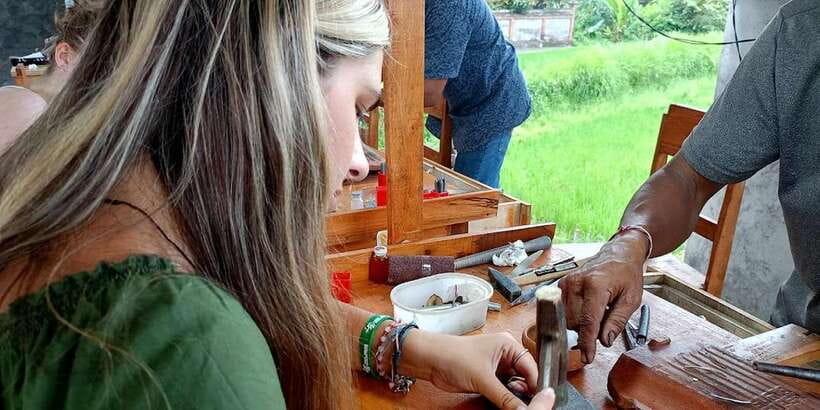
After the workshop, you’ll likely visit Celuk Village for about 30 minutes, where the focus is on silver craftsmanship. The key word here is observation. You’re not there to be tested; you’re there to see how craft skills show up outside a single workshop.
Celuk is known globally for silverwork, and that’s exactly what makes the visit useful. You can compare what you made in the workshop with what you see in the village craft scene. Even short visits can help you understand why certain finishing styles exist—because you can connect the design choices to a real production environment.
Admission for Celuk is listed as free, which makes it a low-cost way to add depth to your day.
Batuan Village: painting and stone carving
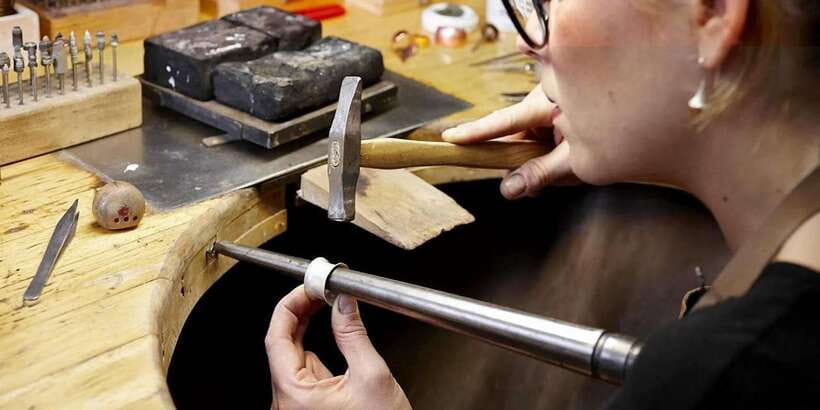
Next up is Batuan Village (about 30 minutes), known for distinctive artistry in painting and stone carving. This is a nice pivot. After spending time working metal, you shift your eyes to the textures and shapes in stone and to how imagery gets turned into a craft product.
Admission for Batuan is also listed as free, which keeps the overall cost from creeping upward.
If you like contrast—crafting one material, then seeing another—this stop is a good mental reset. If you’re traveling with people who only want workshops and don’t care about village art, you might treat this as the part that could feel like extra time.






Pura Puseh Desa Batuan: a temple stop with an older feel
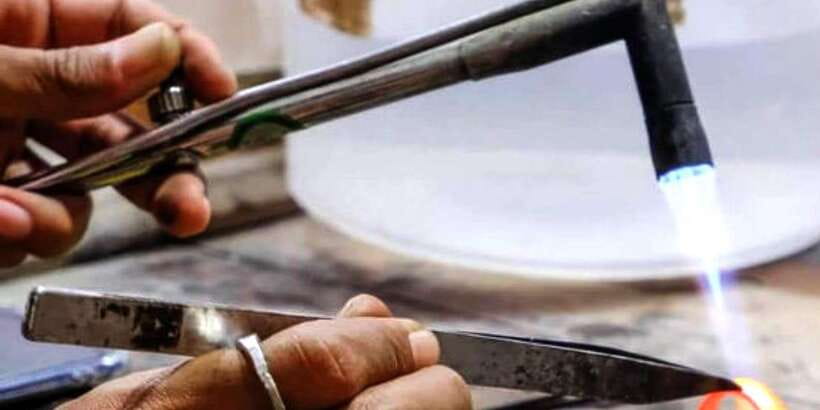
In Batuan, there’s also a temple visit: Pura Puseh in Batuan, built during the 10th century AD under the Udayana Kingdom. The stop is about 30 minutes and the listing notes admission is not included.
This kind of stop is where a day like this can become more than craft tourism. You get to see architecture and carving details that are far older than anything you’re making today. Even if you’re not a history person, temple design often tells you how art and belief intertwine.
You’ll want to dress appropriately. The listing doesn’t say a dress code, but Bali temples usually expect shoulders and knees covered. If you don’t want to think about it, keep a light sarong or scarf in your bag.
Ubud Palace and Saraswati Temple area: a classic Ubud cultural walk
The final cultural block is Ubud, about 1 hour, with stops around the Ubud Palace and the Saraswati Temple area (the listing mentions Saraswati Te and related palace/cultural sights). Admission for this part is listed as free.
This is the practical payoff for the day: you get a sense of Ubud as more than a workshop hub. The palace area helps you understand why Ubud developed as a center for arts and ceremonies. The temple stop adds a calmer, more reflective pause before you’re done for the day.
If you have limited time in Ubud, this is a good way to tack on meaningful sights without needing to build an entire day from scratch.
Price and value: what $46.60 actually buys you
At $46.60 per person, the biggest value drivers are what’s included. You’re paying for:
- bottled water
- expert instruction
- all necessary tools and materials
- a take-home silver jewelry piece
- 7 grams of complimentary silver
- private transportation depending on the option booked
That setup is rare. Many craft experiences charge a low rate but then funnel you into buying extra materials to finish anything worth wearing. Here, the included silver and tools are built into the base price, which makes the cost feel more honest.
The cost you should plan for
The listing is straightforward about add-ons:
- Additional silver costs IDR 30,000 per gram
- Meals aren’t included during the class duration
- Transportation to and from the workshop venue is mentioned as not included in the additional notes, even though pickup/private transportation is offered depending on your option
So here’s the balanced way to handle it: confirm what your booked option includes for transport, then budget a bit for food and any extra silver you might want.
Is this good value?
If you want a wearable souvenir and you like learning by doing, yes. The inclusion of 7 grams and the instruction time is what makes it worthwhile. If you only want a quick photo stop and you’re not interested in making jewelry, it can feel like you’re paying for time you won’t use.
Timing and logistics: how to make the day flow
Your total duration is listed as 1 to 8 hours, which tells you the experience can flex based on which stops are bundled for your specific booking. The silver class itself is about 3 hours, and the culture stops add smaller blocks of time.
What this means for you:
- If you want a calm day, plan your schedule loosely. You may start early and finish later depending on how the route is structured.
- If you hate downtime, still don’t overbook right after. You’ll want buffer time for travel between Ubud and the Gianyar area villages.
Getting there
You can get pickup from your accommodation depending on your option, or you can meet at the workshop. The meeting point is:
Sok Wayah Silver Class, Jl. Subak Sok Wayah, Ubud 80571, Bali
The rule that matters most: arrive about 10 minutes early. In craft workshops, being late can mess with your bench time.
Mobile ticket and confirmations
You’ll receive confirmation at booking, and there’s mobile ticket support. The provider also asks you to share your WhatsApp number for quick responses, which is useful if your driver or pickup details need last-minute confirmation.
What I’d watch for before you go
This is where the experience becomes personal. A few practical things can make the difference between you liking the day and you rushing through it.
1) Your design ambition
If you want something elaborate, know the included 7 grams may not be enough. Decide in advance whether you want a minimalist ring or pendant style versus something thicker and more detailed.
2) Comfort during a seated making session
The class includes tools and crafting work. The listing doesn’t specify physical demands, but jewelry-making can involve fine motor work and time at a workstation. Wear something comfortable and plan to sit for stretches.
3) Temple etiquette
You’ll likely visit Pura Puseh. Bali temples typically require modest clothing. Even if you’re only there for 30 minutes, be ready.
Who should book this Ubud silver class
This is a great fit if:
- you want a real craft skill experience, not just a viewing tour
- you like the idea of making a personalized piece and taking it home
- you’re curious about Ubud’s creative neighbors, like Celuk and Batuan
- you enjoy cultural stops that are short but meaningful
It’s less ideal if:
- you only have a few hours and you hate any travel between stops
- you’re sensitive to extra costs for materials and optional admissions
- you don’t want to pay attention to temple dress rules
Should you book the Ubud Silver Artistry Class?
If you want a souvenir you can actually wear and you like hands-on learning, I’d book this. The base price includes the most important parts: instruction, tools, and 7 grams of silver, plus you leave with what you made. That keeps expectations realistic.
I’d book it especially if you value the teaching style. The feedback points to clear guidance, friendly workers, and the kind of help that lets you correct details while you’re still shaping the piece. If you’re paying close attention and you treat the day like a learning session, you’re likely to come away genuinely proud of the result.
Just go in with two smart expectations: additional silver may cost extra, and the cultural add-ons (like dance and some temple admissions) may not be included in your ticket total.
FAQ
How long does the Ubud silver jewelry class take?
The overall experience duration is listed as about 1 to 8 hours. The silver class portion is about 3 hours, with additional time added for the cultural stops.
Where does the experience start?
It starts at Sok Wayah Silver Class, Jl. Subak Sok Wayah, Ubud 80571, Bali. You can also be picked up from your accommodation depending on your option.
Is pickup included?
Pickup and drop-off at your accommodation is offered depending on the option you book. If pickup isn’t included, you meet at the workshop meeting point.
Do I need any prior experience to make jewelry?
No prior experience is required. The class is suitable for participants of all skill levels.
What’s included in the price?
The price includes bottled water, complimentary 7 grams of silver, personalized expert instruction, all necessary materials and tools, and you take home your crafted jewelry piece. Private transportation is included depending on the option booked.
Is the silver limited to 7 grams?
Yes, the class includes complimentary 7 grams of silver. Additional silver can be purchased at IDR 30,000 per gram.
Are the cultural performances and temple visits included?
Barong and Kris Dance admission is not included. Admission for Pura Puseh Desa Batuan is also not included.
Is there a ticket or confirmation on my phone?
Yes, there is a mobile ticket. Confirmation is received at the time of booking.
What should I bring or do before the class starts?
Come about 10 minutes before the starting time and be ready for a workshop setting. The listing doesn’t specify items to bring, so focus on arriving on time and being ready to participate.
What if I need to cancel?
Free cancellation is available. You can cancel up to 24 hours in advance for a full refund; within 24 hours the amount paid is not refunded.