A quiet village, then a waterfall swim. This full-day trip strings together Penglipuran village and Tibumana Waterfall in a way that feels like real Bali, not just a photo checklist. You get countryside walking, a nature break, and then culture stops with meaning behind them.
I also love that you’re not doing it solo—you travel with a private English-speaking guide who can explain what you’re seeing along the way (often by giving context on Balinese Hindu traditions and village life). One thing to plan for: it’s an active 8-hour route with walking and possibly slippery steps at the waterfall area, so it’s not suitable for wheelchair users, people with heart problems, or anyone with mobility impairments.
In This Review
- Key highlights worth getting excited about
- A day that mixes village life, temple meaning, and real nature
- Pickup and private guiding: the hidden value
- The first countryside pause: rice terraces before the village
- Penglipuran Village: why this place still feels “old Bali”
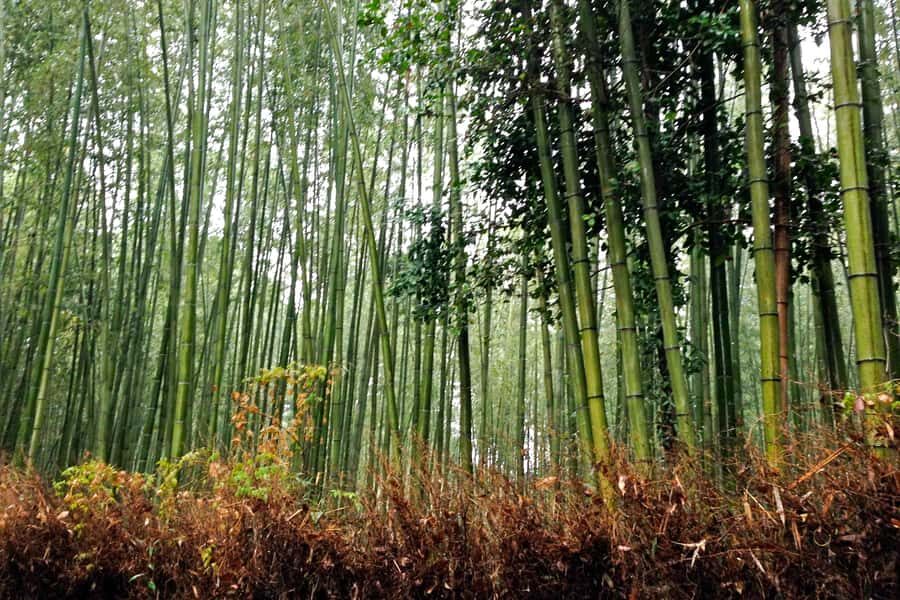
- Bamboo forest walk: the short break that makes the day feel balanced
- Tibumana Waterfall rock pools: swimming is optional, but the stairs are real
- Temen coffee plantation: a tasting that’s more fun than it sounds
- Tirta Empul Temple: sacred bathing with clear spiritual intent
- Tegallalang rice terraces: ending with the classic Bali view
- Price and value: why $43 can make sense here
- Who this tour suits (and who should skip it)
- Should you book this Bali day trip?
- FAQ
- How long is the Bali trip to Penglipuran village and Tibumana?
- What is included in the $43 per person price?
- Is lunch included?
- Where does pickup and drop-off happen?
- What language is the guide?
- What should I bring for the day?
Key highlights worth getting excited about
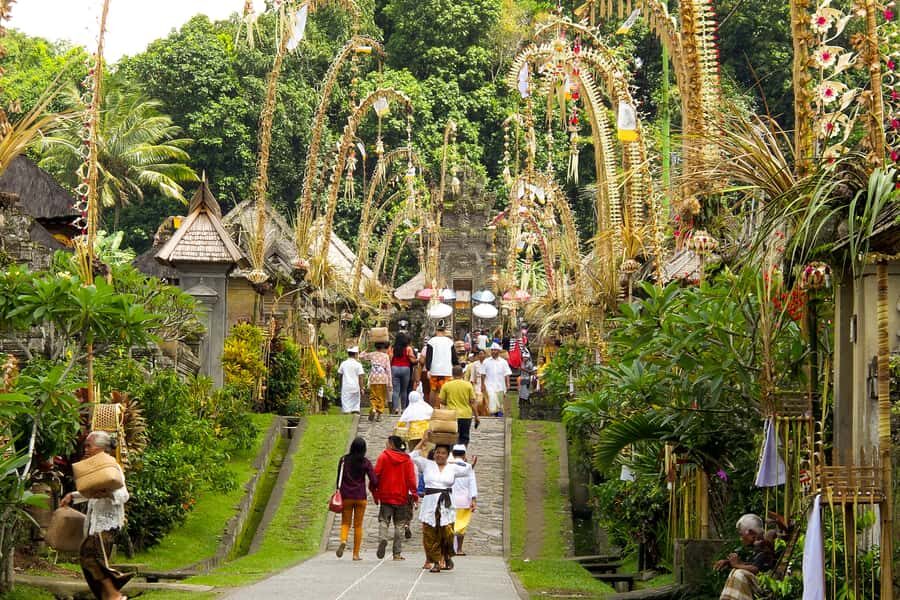
- Penglipuran village: a traditional Balinese setting that avoids modern sprawl
- Bamboo forest walk: a calm reset after the first village views
- Tibumana’s natural rock pools: rainforest time plus an optional swim
- Temen coffee plantation: coffee-making process and tasting (including local styles)
- Tirta Empul Temple: sacred bathing waters tied to healing and spirituality
- Tegallalang rice terrace: classic Ubud-area views to end the day
A day that mixes village life, temple meaning, and real nature
This isn’t the kind of Bali day where you jump from one stop to another and forget it all five minutes later. It’s built around a simple rhythm: countryside, a quiet village, a nature walk, then culture with spiritual context, and finally those Ubud-area rice-terrace views that most people dream about before they even arrive.
What makes it work is the variety of scenery and the way the stops relate to daily life. You see how people live in traditional communities. You walk through working landscapes. Then you switch gears and experience a temple site where water has a role beyond sightseeing. By the time you’re back near Ubud for the rice terraces, you’ll understand what you were seeing earlier in the day—because the day has a thread.
You can also read our reviews of more tours and experiences in Bali.
Pickup and private guiding: the hidden value
For a day trip like this, the logistics can either make it easy or make it annoying. Here, pickup and drop-off are built in from a wide south-Bali range, including Ubud and the usual coastal bases like Kuta, Seminyak, Sanur, Canggu, Jimbaran, Nusa Dua, and Benoa (plus areas like Gianyar and Denpasar). That matters because it removes a big chunk of stress: you don’t have to coordinate rides between villages, temples, and countryside roads.
You also get a private English-speaking guide. In practice, that means you can ask questions as you go and get context fast. Many guides on this route are praised for being organized, responsive, and willing to adjust the day when needed. Names you might hear linked to this experience include Made, Nyoman, Agung, Edi, Gede Susila, and Wayan—each described as friendly, patient, and good at explaining what you’re seeing.
There’s also mineral water included. It sounds small, but for a hot, stop-and-go day, you’ll feel it.
The first countryside pause: rice terraces before the village
Right on the way toward Penglipuran, you stop at a rice terrace. Think of this as a warm-up. It’s an easier entry point into the region’s farming landscape before you step into a village that’s known for staying traditional.
You’ll likely get clear photo angles here—good for getting oriented, too. If the day later feels like a blur of temples, bamboo, and waterfall stairs, this early terrace view gives your brain a simple anchor: rice, hills, and the way the land shapes daily life.
And because this is still early in the day, it’s also a good moment to settle in with the guide. Ask quick questions like what to look for in the village layout or how the countryside water connects to temple life later. You’ll get more out of the “culture stops” when you understand the landscape first.
Penglipuran Village: why this place still feels “old Bali”

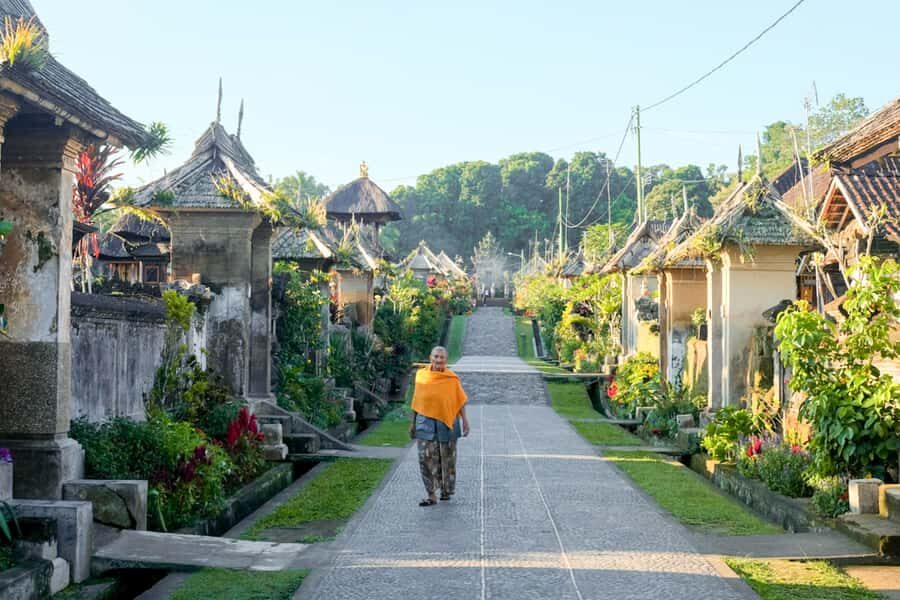
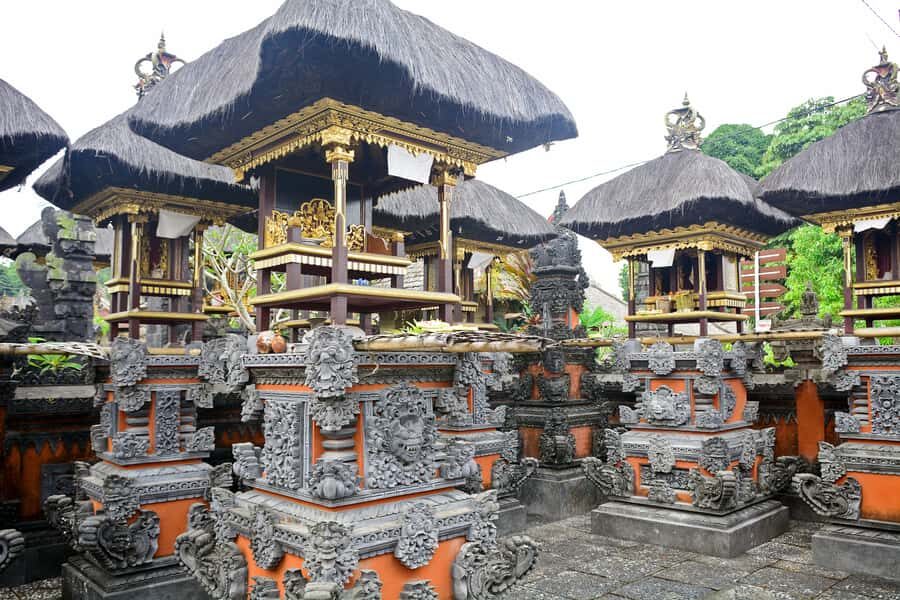
Penglipuran is surrounded by traditional Balinese countryside and has largely avoided modern sprawl. That’s the whole appeal. Instead of a village that feels like an open-air market, Penglipuran reads more like a real residential community with strong local order.
As you walk through, pay attention to how the village feels structured. The layout and the way homes relate to the village paths create a calm, orderly vibe. It’s not just pretty scenery; it’s a living example of how community life can stay stable across generations.
One practical note: village time works best when you move slowly. Don’t rush to tick off the first gate and then sprint to the next photo. Take a little time to look around—especially at household areas, walls, and the flow of streets—because that’s where the “traditional” part shows up.
Also, wear comfortable shoes. Even when the walking seems light on paper, village surfaces and transitions can be uneven.
Bamboo forest walk: the short break that makes the day feel balanced
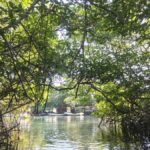
After Penglipuran, you’ll take a walk through the bamboo forest. This is more than a scenic detour. It’s a reset moment. You go from village order into a shaded, green corridor where your pace naturally slows.
Bamboo forests also give you a different kind of Bali photo—vertical lines, shadow play, and a quieter background than the more open terraces or temple grounds. If you like street-style travel photography, this is where you’ll get it without trying too hard.
Plan for humidity. Even if it doesn’t rain, the bamboo area can feel warm and damp. Keep your sunglasses handy and take small breaks if you need them.
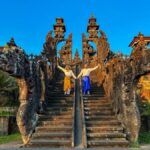
Tibumana Waterfall rock pools: swimming is optional, but the stairs are real
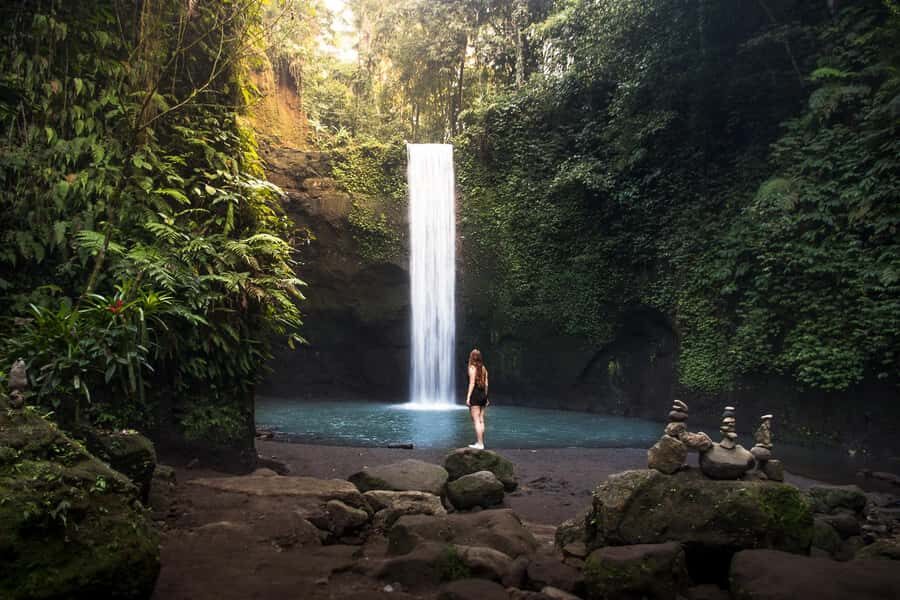
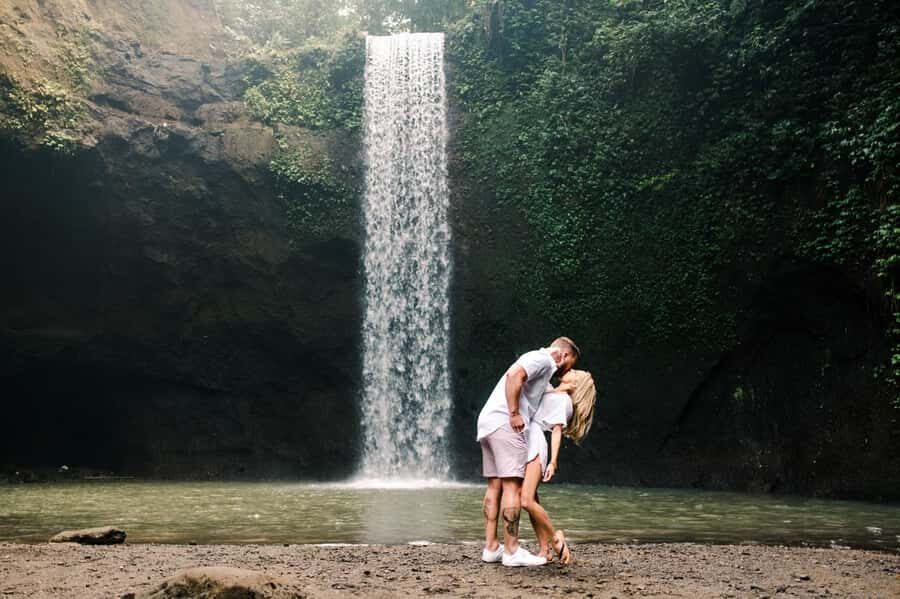
Tibumana Waterfall is where the day shifts into “nature mode.” You explore the surrounding rainforest area and then have the chance to swim in natural rock pools.
Two things to know before you commit to the water:
1) The area involves walking and steps. If you’re there during wet weather, surfaces can get slippery. One traveler noted it was slippery and the guide helped them stay safe while going down and back up. Translation: listen to your guide, move carefully, and don’t treat the stairs like a casual stroll.
2) It’s a waterfall stop, not a man-made pool. That means rocks, uneven footing, and water that looks calm but sits on natural terrain.
If you plan to swim, you’ll be happiest if you bring a basic swimsuit/towel (not listed in what’s provided, but it’s a smart add-on). Water shoes can help with comfort if you have them. If you don’t want to swim, it’s still worth going for the rainforest atmosphere and the rock-pool views from the surrounding paths.
Time here is a big part of the “why.” It’s the first place in the day where you feel the environment working around you instead of just looking at it.
Temen coffee plantation: a tasting that’s more fun than it sounds
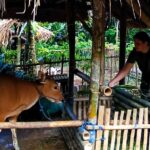
After the waterfall, you head to the village of Temen to visit a coffee plantation. This stop is designed to teach you how coffee is made and then let you taste several varieties.
Even if you don’t think you’re a coffee person, it can still work—because the value isn’t only the drink. It’s the process. You’ll see stages of coffee production and learn why certain styles exist. Then the tasting turns it into a hands-on experience.
Some guides and plantation stops are described as offering a large number of samples (one guest mentioned trying 14 varieties, plus coffee and tea). Also, Luwak-style coffee came up in experiences shared by visitors—so you might see it if that’s part of the plantation’s current tasting lineup.
What I’d do: treat it like a structured curiosity session. Ask questions about how beans are processed and why different flavors happen. Then taste slowly enough to notice the differences. If you speed through, coffee tasting becomes just another souvenir stop.
And yes, guides often help with practical extras while you’re out—things like recommendations for food or helping with small errands—so don’t be shy about asking if you need help finding the right moment for lunch.
Tirta Empul Temple: sacred bathing with clear spiritual intent
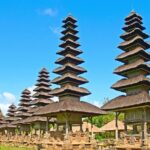
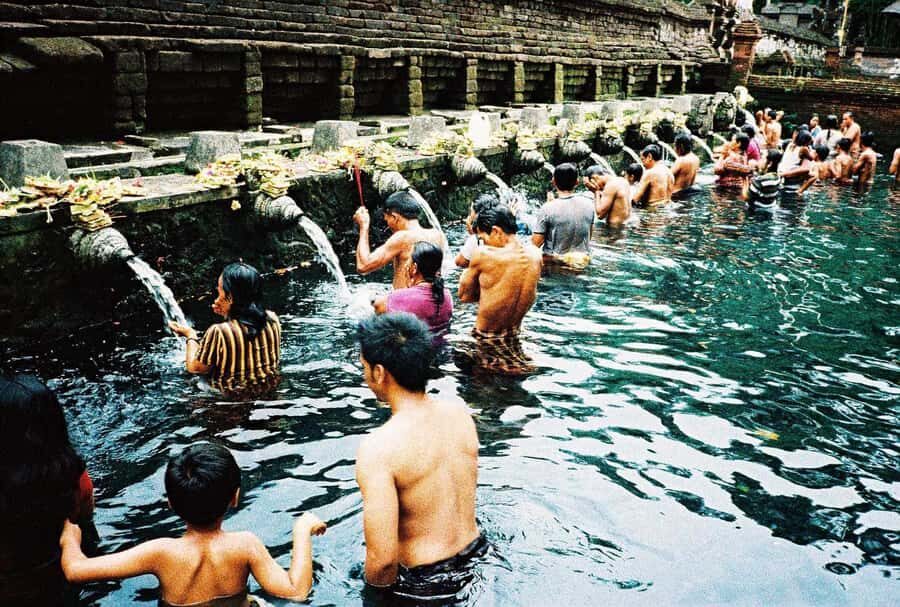
Next is Tirta Empul Temple, a sacred site where Balinese Hindus bathe in holy waters for healing and spiritual benefits.
This stop needs a different mindset than the rice terraces or waterfall. Here, the goal is respectful observation and understanding why people come. Your guide should set expectations and help you handle the flow of the area.
Look at it as cultural education, not a performance. The waters are central, and the rituals happening around them make the temple feel alive in a way a simple landmark doesn’t.
A big plus of having a guide here: you don’t have to guess what’s appropriate. Even if you’re just watching, you’ll get better context for what you’re seeing, and you’ll know where to stand and when to move.
Tegallalang rice terraces: ending with the classic Bali view

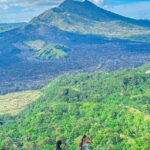
Finally, you check out Tegallalang rice terrace near Ubud. This is the kind of view that has become famous for a reason: terrace layers, jungle edges, and long sightlines that make the whole area feel like it was designed for cameras.
The best approach is to go in expecting “scenery with movement.” You’ll likely walk a bit around viewpoints, and you may notice people pausing for photos. If you want iconic shots, give yourself time to find angles that include both terraces and the green background.
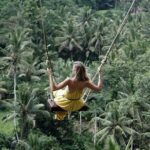
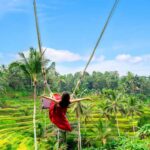
Some visitors also mention opportunities for photo activities like swings over the terraces. That sort of add-on isn’t guaranteed as part of the core experience, but it’s common in the area. If you see something like that available during your visit, decide based on your comfort level and time.
Either way, treat Tegallalang as your payoff. After temples and waterfall rock pools, rice terraces feel like a calm finish.
Price and value: why $43 can make sense here
At $43 per person for an 8-hour private-guided route, the value mainly comes from what’s included—not just the sightseeing.
Here’s what you’re paying for:
- Private English-speaking guide for the whole day
- Hotel pickup and drop-off across many south-Bali areas
- Entrance fees, plus parking fees and fuel
- Mineral water
Lunch/dinner is not included, so you’ll want to budget for a meal during the day. But consider what would cost you if you did this alone: separate transportation, entrance tickets you might not know about, and a lot of time spent figuring out routes between scattered rural areas.
Also, transport is reported as highly rated (with many perfect-score reactions). For a long day with multiple countryside stops, that matters. Bad driving and constant delays can ruin the “value” no matter how cheap the tickets look on paper.
If you want one day that hits several core Bali experiences without planning stress, this price can feel fair.
Who this tour suits (and who should skip it)
This tour fits best if you want a solid hit of Bali beyond the beaches. It’s ideal for first-timers who want:
- traditional village life in Penglipuran
- a break in nature at Tibumana Waterfall
- a culture stop at Tirta Empul
- iconic views at Tegallalang
It’s also a good choice if you appreciate guidance. The guide’s job here isn’t just driving. It’s giving you context—especially around Hindu traditions and what you should pay attention to at each stop.
Skip it if:
- you use a wheelchair
- you have mobility limitations that make stairs and uneven terrain difficult
- you have heart problems (the route includes active segments and outdoor walking)
If you’re generally healthy and comfortable walking, this is the kind of day trip that can deliver a lot of meaning in one go.
Should you book this Bali day trip?
If your Bali trip is short and you want your day to feel balanced—village, forest, waterfall, temple, terraces—this one is a strong candidate. The biggest reason to book is the combination of private guidance plus a route that doesn’t feel purely commercial. Penglipuran and Tirta Empul give depth, while Tibumana gives you that bodily, outdoorsy experience that photos alone can’t replace.
I’d book if you:
- like walking and outdoor time
- want an organized route with entrance fees handled
- want your guide to explain what you’re seeing (and help you make the day flow)
I’d think twice if you hate stairs, expect a fully relaxed pace, or need accessibility accommodations. This is active by nature, especially around the waterfall area.
If that sounds like your kind of day, you’ll likely come away with the best kind of souvenir: a clearer sense of how Balinese life, landscape, and belief connect—one stop at a time.
FAQ
How long is the Bali trip to Penglipuran village and Tibumana?
The duration is 8 hours.
What is included in the $43 per person price?
It includes hotel pickup and drop-off (south Bali areas), a private English-speaking guide, entrance fees, parking fees and fuel, and mineral water.
Is lunch included?
No. Lunch/dinner is not included.
Where does pickup and drop-off happen?
Pickup is provided from your accommodation in the south Bali area, including Ubud, Gianyar, Denpasar, Sanur, Kuta, Seminyak, Canggu, Jimbaran, Nusa Dua, and Benoa (and nearby south Bali areas).
What language is the guide?
The live tour guide speaks English.
What should I bring for the day?
Bring comfortable shoes, sunglasses, a sun hat, and a camera.