A day like this scrambles your sense of time. Visiting the Baduy in Banten is one of those rare tours where the culture is the main event, from straw and bamboo homes to a walk through muddy village trails and jungle. It’s a long day, but it’s also direct, practical, and genuinely different from the usual “see a temple, take photos, leave.”
What I love most is the chance to learn the customs up close, including the welcome you get when you’re introduced at the village chief’s house. I also like how the day is built around real movement—rocky, muddy paths, small rivers, and barns—so you get a feel for everyday life, not just a quick stop for pictures.
The main catch is physical and weather related: the route can be slippery and uneven, and the tour notes it requires good weather. If you hate trekking with sore feet in humidity, this may not be your best match.
In This Review
- Key Things I Found Most Interesting
- Why Baduy Luar Feels Different From Other Culture Tours
- Getting There: The 7am Pickup and the Long Jakarta Drive
- Pasir Nangka and the Traditional Meal: Don’t Skip This Breather
- Cijengkol Village Welcome: Why the Village Chief Introduction Matters
- The Trek Through Baduy Luar: Mud, Jungle, Rivers, and Real Footwork
- The Loop and Cisadane: Keeping the Walk From Feeling Repetitive
- Your Guide Makes a Big Difference Here (Hello Joe)
- Price and Value: What $125 Really Covers on a 10-Hour Day
- What to Bring (So the Day Doesn’t Beat You)
- Who This Tour Is Best For
- Should You Book the Native of Baduy Village Tour?
- FAQ
- What time does the tour pickup start in Jakarta?
- How long is the tour?
- Is lunch included?
- Does the tour include pickup and air-conditioned transport?
- Are guides provided, and is English available?
- Is there a souvenir included?
- What happens if the weather is poor?
Key Things I Found Most Interesting

- Baduy Luar first, Baduy Dalam later (in context): you get background on how the two groups differ, and why the communities act as a barrier to outsiders.
- Cijengkol village welcome custom: you’re taken to the village chief’s house for an introduction, which matters in their culture.
- A loop trek with a halfway point at Cisadane: the walk isn’t just “go out and come back,” so you stay engaged the whole time.
- Walking terrain is real: muddy paths, jungle surroundings, and up-and-down sections make it more than a casual stroll.
- Hands-on value in the package: lunch, entrance fees, water daily, a souvenir, and an English-speaking guide are bundled in.
Why Baduy Luar Feels Different From Other Culture Tours
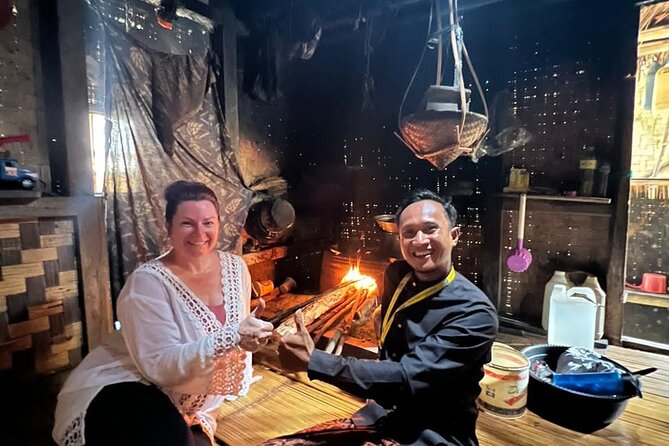
This isn’t a staged show. The Baduy are a traditional Sundanese ethnic group living in Banten, a few hours outside Jakarta, and their communities are known for maintaining older ways of life—though change is happening. That’s why a day trip like this has a different tone than many “cultural visits.” You’re not just looking at artifacts; you’re seeing daily routines shaped by geography, rules, and tradition.
I also like that the tour frame is clear about who you’re seeing. The Baduy are split into two groups: Baduy Luar (communities in 22 villages) and Baduy Dalam (the more secluded community inside a barrier zone). Even though you spend time in Baduy Luar, the “barrier” concept helps you understand why outside contact is treated carefully.
You can also read our reviews of more tours and experiences in Jakarta.

Getting There: The 7am Pickup and the Long Jakarta Drive
You start early—pickup from your place in Jakarta at 7:00am—and then you settle in for a long ride. The drive to Pasir Nangka takes about four hours, using a private air-conditioned vehicle. That matters because it shapes the whole day. You’re trading sleeping in for a fuller on-the-ground experience.
One practical tip: plan your morning like a mini travel day. Wear something comfortable for the car (you’ll be in it a while), then switch into your trekking-ready outfit once you’re moving through the village areas. If you pack lightly, you’ll thank yourself when the walk gets muddy.
Also, this is a private setup for your group, so you’re not stuck waiting behind other people. That’s a big deal on a schedule this long. It keeps the day from turning into a slow chain of “who’s next?”
Pasir Nangka and the Traditional Meal: Don’t Skip This Breather
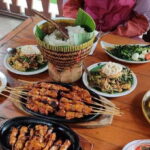
When you arrive at Pasir Nangka, you’re provided a meal at a traditional restaurant. Lunch is included in the package, and this stop is important for two reasons.
First, it gives you energy before the village walk. You’re heading into uneven terrain after lunch—rocky stretches and up-and-down sections can feel harder than you expect, especially in humidity. Second, it sets expectations. This tour leans into authentic local rhythms instead of making every minute feel like an attraction stop.
If you’re the type who likes to test local food, this is your built-in moment. If you’re picky, it’s still worth going in with an open mind for one meal—because you’re paying for a day with a lot of moving parts, and this is one of the smoother transitions.
Cijengkol Village Welcome: Why the Village Chief Introduction Matters
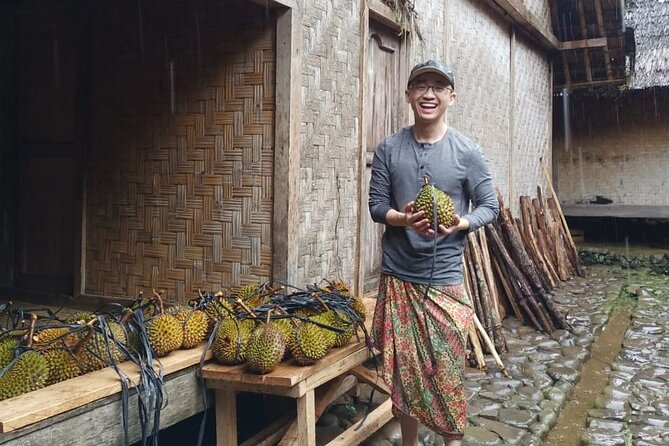
After lunch, you visit Cijengkol Village. You’re taken to the house of the village chief for an introduction. This isn’t just a neat photo opportunity. In Baduy culture, meeting and acknowledging leadership is part of how visitors are received.
I like that the tour treats this as a real custom. It tells you that cultural contact here follows rules. And it helps you avoid the common mistake many tourists make: charging ahead like the community is a theme park. A formal welcome sets the tone for the rest of the day—quiet, respectful, and aware that you’re a guest.
In terms of what you’ll actually see during your village time, you’re looking at houses made of bamboo and palm fiber, with structures facing the rising sun. If you pay attention, those details start to connect with what you learn about their lifestyle and how the communities are organized.
The Trek Through Baduy Luar: Mud, Jungle, Rivers, and Real Footwork
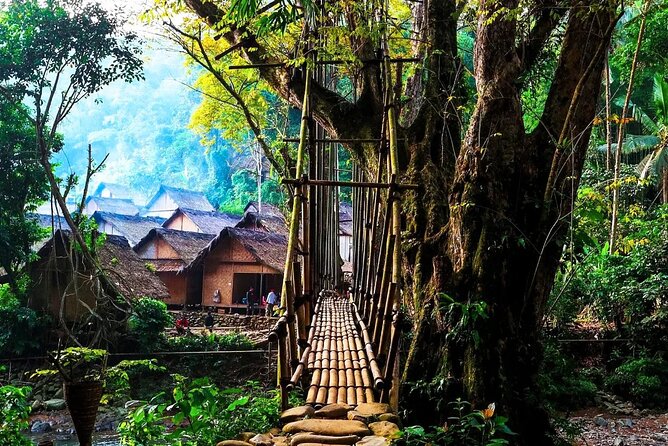
Here’s where the day turns into an adventure. The paths can be muddy, and you’ll often find yourself surrounded by jungle. You’ll also pass through small rivers and barns that belong to the Baduy. This is not a paved walk, and the terrain is part of the experience.
There’s also a “rhythm” to how the route feels. You start by looking at homes where outer parts are still made of straw. If you’re lucky, you can document joint activities connected to Baduy Luar—those are the moments that feel most alive, because you’re seeing how people work and move through their environment.
Then comes the slightly rocky path and the up-and-down sections. This is one of those days where good shoes matter more than you think. If you wear flimsy flip-flops or smooth sneakers, you’ll probably regret it by midday. I’d pick closed-toe shoes with grip, and I’d bring a way to keep your feet from soaking through for the long trek back.



The Loop and Cisadane: Keeping the Walk From Feeling Repetitive
At about the halfway point, you reach the village of Cisadane. The day is described as a big loop: you trek out, then come back to Cijengkol Village. That structure helps you stay mentally engaged. You’re not doing the same corridor twice.
By the time you return, expect sore feet. It’s a busy day, and the tour is built to cover enough ground that you come away with more than just surface-level impressions.
Your Guide Makes a Big Difference Here (Hello Joe)
The quality of the guidance really matters on a cultural walk like this, and in one of the standout comments about the experience, the guide Joe gets called out for being excellent, along with a local guide from the village. That’s the kind of detail I care about.
When a tour involves customs (like the introduction at the village chief’s house) and physical walking (mud, rocky stretches, rivers), interpretation is everything. A strong guide helps you understand what you’re seeing and also helps you behave correctly. That means fewer awkward moments and more meaningful ones.
Price and Value: What $125 Really Covers on a 10-Hour Day
At $125 per person, this isn’t the cheapest outing from Jakarta. But it’s also not a “pay extra for nothing” type of price.
Here’s what you’re getting, bundled in:
- Private air-conditioned vehicle and pickup from your place in Jakarta
- An English-speaking guide plus driver, with professional licensing noted
- All fees and taxes for the tour and entrance objects
- Lunch and mineral water daily
- A free souvenir
- International travel insurance coverage
From a value standpoint, the big cost driver is the time and transport. Four hours each way is a lot. You’re also paying for guided cultural access—especially around the village chief introduction—and a trekking day where the logistics matter.
If your alternative is a cheaper trip without an organized guide or without lunch and entry fees covered, you’d likely spend the time you saved on headaches. With this package, the structure is already handled.
One small note: tipping for the guide and driver isn’t included. If you go with this tour, plan to tip, because you’ll feel the difference between a rushed day and a well-led day.
What to Bring (So the Day Doesn’t Beat You)
The tour description leans into muddy, rocky, jungle surroundings, plus rivers and barns. That means your comfort gear is not optional.
Bring:
- Closed-toe shoes with grip for muddy and uneven ground
- A light layer for humidity (you’ll be outside for long stretches)
- Something simple to handle water on the trail (even with daily mineral water, the path can get messy)
- A plan for modesty and respect while walking near homes
Also, go into it knowing it’s a trekking day. “Most travelers can participate” is a good sign, but this still involves real walking conditions.
Who This Tour Is Best For
This is ideal if you:
- Want a cultural experience with actual customs and community context
- Enjoy walking and can handle mud and uneven trails
- Prefer a guided day where logistics, entry, and interpretation are handled
- Care about thoughtful contact, not just snapshots
It may be less ideal if you:
- Have mobility issues that make uneven ground difficult
- Hate getting muddy or having sore feet after a long day
- Are only interested in short, low-effort sightseeing
Also, keep an eye on the weather. The tour requires good weather, and if it’s canceled due to poor conditions, you’ll be offered another date or a full refund.
Should You Book the Native of Baduy Village Tour?
I’d book it if you want your day trip from Jakarta to feel like a real encounter with a living community, not a rushed checklist. The standout reasons are the Baduy Luar focus, the guided welcome at the village chief’s house, and the hands-on trek that takes you through jungle surroundings, rivers, and working areas like barns.
I’d think twice if you’re sensitive to mud and rocky paths. This is not a walk-through museum. You’ll work for the experience.
One more practical point: it’s typically booked about 12 days in advance on average. If you know your dates, don’t leave it to the last minute—especially if you’re traveling during a time when weather could affect the schedule.
FAQ
What time does the tour pickup start in Jakarta?
Pickup starts at 7:00am.
How long is the tour?
The duration is about 10 hours.
Is lunch included?
Yes, lunch is included.
Does the tour include pickup and air-conditioned transport?
Yes. You get pickup from your place in Jakarta and travel by private air-conditioned vehicle.
Are guides provided, and is English available?
Yes. The tour includes a professional licensed English guide and driver.
Is there a souvenir included?
Yes, a free souvenir is included.
What happens if the weather is poor?
The tour requires good weather. If it’s canceled due to poor weather, you’ll be offered a different date or a full refund.