Jakarta glows after dark. This half-day night tour strings together Old Town landmarks, Glodok Chinatown lanes, and the Sunda Kelapa harbor, then caps it off with a window-table dinner at Cafe Batavia overlooking Fatahillah Square. It’s a nice way to see Jakarta’s layers when streetlights take over and the city feels less rushed.
I love the mix of guided stops and short moments to roam, especially the quick strolls where you can look at market life up close. I also love that the dinner isn’t just a meal on a schedule—at Cafe Batavia you sit on the second floor by the window, so you get light, views, and a real sense of where you are in the city.
One possible drawback: this is still a city tour, so you’ll spend time in the car between neighborhoods. If you’re prone to motion or dislike crowded sidewalk moments, bring patience and comfortable shoes for the evening walking.
In This Review
- Key highlights I’d circle
- Why Jakarta’s Old Town looks different after sunset
- 4:00 pm to dinner: the pacing that makes the night tour work
- Old Town Jakarta around Fatahillah Square and the Dutch draw bridge
- Glodok Chinatown: quick market lanes, fruit and everyday life
- Sunda Kelapa harbor: Pajajaran-era trade routes in the evening
- Mangga Besar after dark: street food energy you’ll actually want
- Cafe Batavia dinner: the second-floor window view makes it feel special
- The harmony photo stop: mosque and church at night
- Price and value: what your $120 actually buys
- Guides set the tone: Mr. Rizky and August in practice
- Who should book this half-day night tour
- Tips to make your night run smoother
- Should you book this half-day Batavia by Night tour?
- FAQ
- What time does the tour start, and how long is it?
- Is hotel pickup included?
- Is this a private tour?
- What’s included with dinner at Cafe Batavia?
- Are there admission fees for the stops?
- What street food stops are part of the Mangga Besar visit?
- What is not included in the price?
- Is travel insurance included?
- What happens if weather is bad?
Key highlights I’d circle
- 4:00 pm start means you catch the shift from evening heat to night air without losing your whole day
- Fatahillah Square (Old Town) ties together Dutch-era landmarks with classic Jakarta photo angles
- Glodok Chinatown market alleys give you a quick feel for everyday local shopping and street life
- Sunda Kelapa harbor brings the trade-route story to life with a waterfront stop
- Mangga Besar night food street points you toward durian sellers, martabak pancakes, and even snake satay
- Souvenir + travel insurance + bottled water make the value package feel more complete than a bare-bones tour
Why Jakarta’s Old Town looks different after sunset
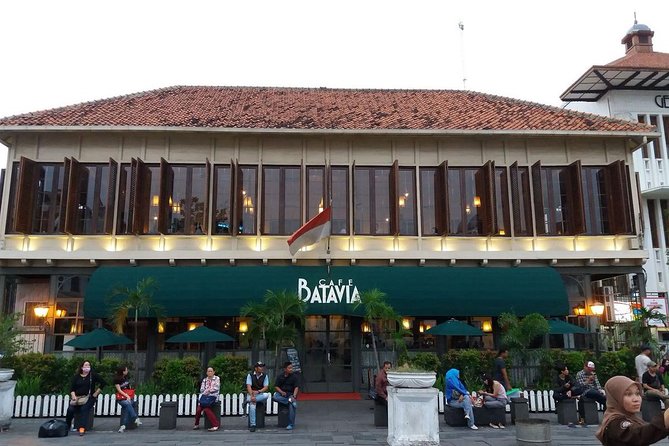
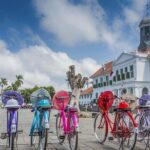
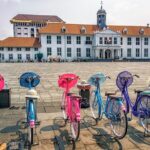
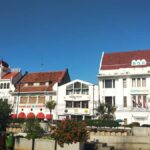
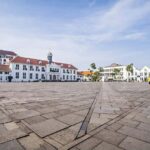
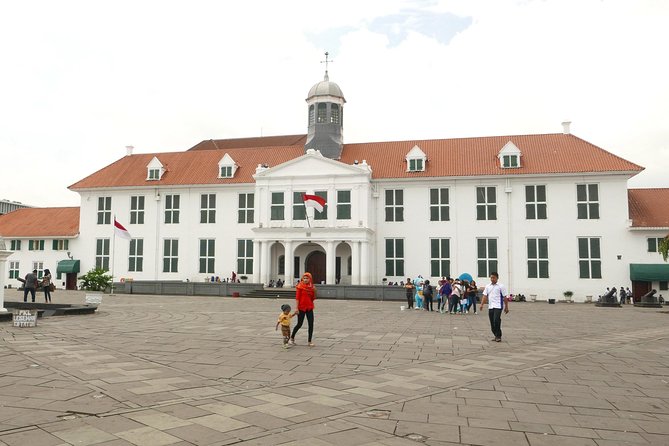
Old Town in Jakarta isn’t just a list of buildings. At night, the square and colonial facades look cleaner and more dramatic because the lighting does half the work for you. Fatahillah Square sits at the center of this feeling—Dutch-era architecture, open space for photos, and a night buzz that feels more human than staged.
This tour also leans into the idea that Jakarta isn’t one vibe. You’re mixing Chinatown alley sights, a harbor stop, and street food energy before you settle into a calmer, sit-down dinner. That rhythm matters. You get variety without trying to cram ten hours of sightseeing into a half-day slot.
You can also read our reviews of more tours and experiences in Jakarta.
4:00 pm to dinner: the pacing that makes the night tour work
You start at 4:00 pm. That’s smart because it lands you in the sweet spot: daylight is fading, but you’re early enough that you don’t spend the whole tour battling pitch-black streets. The tour runs about 5 hours in total, so you’re not signing up for a late-night marathon.
You also get pickup from the hotel area in Jakarta. That reduces friction. In a city like Jakarta, the easiest win is letting a driver handle navigation and traffic while you focus on what you’re seeing. You’ll have a licensed English guide and driver with you the whole time, so the stops don’t feel random.
Old Town Jakarta around Fatahillah Square and the Dutch draw bridge
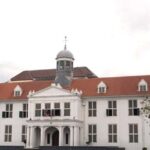
The centerpiece area is Jakarta Old Town, centered on Fatahillah Square. You’ll hear the background behind the square’s key Dutch-era identity—this area grew around a Dutch city hall complex known as Stat Huis during settlement days. Even if you’re not a serious architecture person, the guide’s framing helps you connect the dots: which building used to matter, what role the area played, and why it still looks like a European-style administrative center.
You’ll also have time near historic landmarks like the draw bridge in the Old Town zone. This is a distinctive Dutch colonial detail built in 1730. The interesting part isn’t just that it’s old—it’s how it worked. It was made of wood, and it had a leverage system to lift the lower side when ships or boats passed to reach warehouses. That kind of practical engineering story makes the place feel real, not like a photo backdrop.
What I like about this portion: it’s compact. You don’t waste time hopping far apart. You also get the chance to take photos when streetlights start turning on, which helps evening images come out better with less harsh contrast.
Glodok Chinatown: quick market lanes, fruit and everyday life
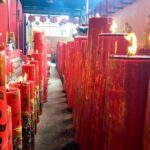
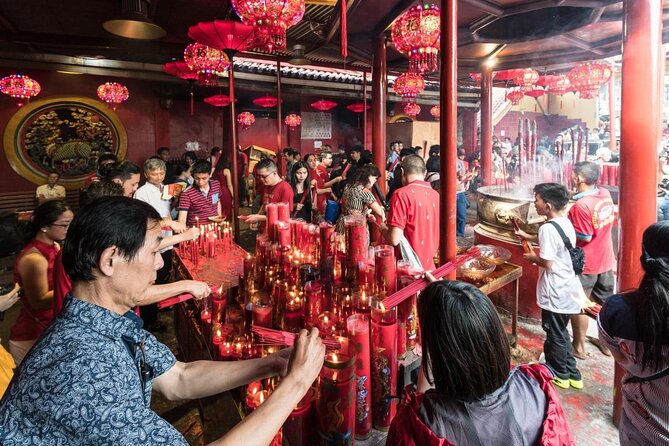
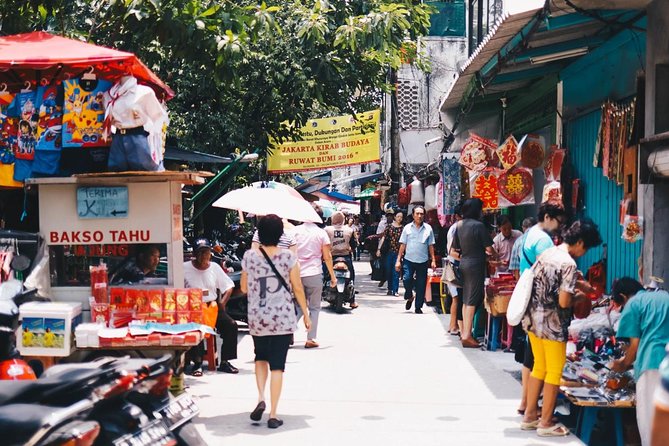
Next comes Glodok Chinatown, known for its old-school market lanes. The format here is simple: a drive-through to get your bearings, then a short stroll in traditional market alleys. You’re not trying to cover everything. Instead, you get a targeted taste of what the neighborhood is like after work—Chinese-style goods, fresh vegetables, and local fruits.
This is the stop that helps you feel Jakarta’s multicultural mix without turning it into a lecture. If you like to walk, you’ll enjoy the alley-level views. If you prefer bigger landmarks and wider streets, this part may feel a bit more chaotic than you want—so keep your pace steady and don’t let crowds pull you off your route.
Tip: bring a light layer. Even when it’s warm, evening air can shift fast once the sun drops.
Sunda Kelapa harbor: Pajajaran-era trade routes in the evening
Your schedule includes a stop at Pelabuhan Sunda Kelapa, a harbor area that’s described as about 500 years old. The guide connects it to earlier trade links tied to the 15th-century kingdom of Pajajaran, framing the harbor as a key route to the outside world.
The harbor portion is brief by design (about 20 minutes), but it gives you something a museum never fully delivers: the sense of place. Waterfront settings have their own rhythm. Even in a short stop, you can see why the harbor mattered—because it’s a connector, not just scenery.
One practical note: because it’s outdoors, this stop can be more affected by weather and wind than the square-and-building sections.

Mangga Besar after dark: street food energy you’ll actually want
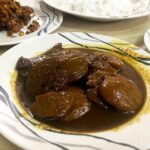
After the main sightseeing, you’ll spend time exploring Mangga Besar at night. This is where the tour shifts from monuments to street life. You’ll follow the street food scene, with stops where you may see snake satay sellers, durian sellers, and martabak pancake options along the way.
I like this part because it gives you a choice. Even if you don’t want to try everything, you can watch how people order, smell the food in the air, and take in the energy of the night market without being forced into one big sit-down meal.
If you are food-curious: great. If you have a sensitive stomach, just take it slow. Street food is fun, but Jakarta street stalls are busy, and you’ll want to pace yourself.
Cafe Batavia dinner: the second-floor window view makes it feel special
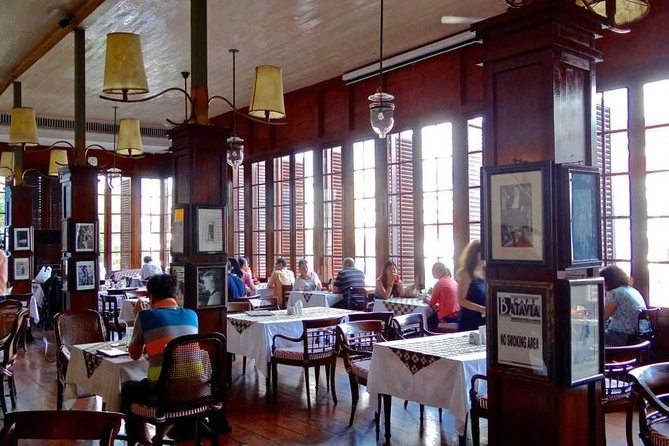
Dinner happens at Cafe Batavia, and the setting is a major reason this tour stands out. The building is described as about 200 years old, making it one of the older structures in the Fatahillah Square area—second only to the former City Hall building (Stat Huis) that was later re-established as the Jakarta History Museum.
The meal is served as a romantic dinner setup. What you get matters as much as what you eat. You’ll sit by the window on the second floor, which means you’re not stuck with a view of a wall or a ceiling fan. You’ll have bright interior lighting and a look out toward Fatahillah Square and the surrounding colonial buildings. It’s the kind of view that turns dinner from a checkbox into the memory part of the evening.
If you like atmosphere, you’ll appreciate the contrast: earlier you’re in alleys and street life, then suddenly you’re in a historic building with windows, light, and a square full of night scenes outside.
One note: the tour includes dinner, but alcoholic beverages are not included. If you’re planning to toast, budget separately.
The harmony photo stop: mosque and church at night
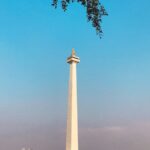
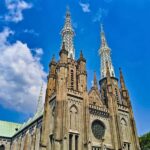
Before you head back, the itinerary includes a photo stop at the biggest mosque and church in the area—framed as a symbol of harmony in Indonesia. This is more about the emotional idea and the night skyline impact than about spending a long time inside a religious site.
Photos here can be striking because the buildings read clearly at night. If you’re the type who likes one last visual marker to close a tour, this works well. You get a sense of Jakarta’s modern identity after the Dutch-era architecture and Chinatown market scene.
Price and value: what your $120 actually buys
At $120 per person for about 5 hours, this isn’t a budget street-food-only walk. It’s a packaged night outing with real included costs. Here’s where the value comes from:
- Private roundtrip transfer from your hotel area (that alone can erase the hassle and cost of negotiating rides)
- A professional licensed English guide and driver
- Dinner at Cafe Batavia
- Travel insurance for all passengers
- Bottled water
- A free souvenir gift
In other words, you’re not just paying for sightseeing. You’re paying for logistics plus a meaningful meal in a historic setting. If you want to spend your night learning and eating instead of coordinating transit, this price can feel fair.
That said, it’s best value for couples and small groups who can split the experience weight. If you’re traveling solo, it can still be worth it, but the private-transfer and guide model makes the per-person cost feel closer to a premium outing than a casual wander.
Guides set the tone: Mr. Rizky and August in practice
The night tour experience improves a lot when the guide knows how to explain without turning everything into a speech. In this case, the guides named Mr. Rizky and August both show up in the feedback with a clear pattern: friendly, detailed explanations, and adjustments based on what you care about.
That flexibility matters during a night tour. If you want more photo time, you tend to get it. If you ask about buildings or street life, the guide can connect the details to what you’re seeing in the moment. Also, driver comfort and safe driving came up as a real plus—especially in the busy, stop-and-go reality of Jakarta evening streets.
Who should book this half-day night tour
Book this if you want:
- Night views without losing sleepplanning all day
- A guided route through Old Town + Chinatown + harbor + food street
- A dinner with atmosphere at Cafe Batavia rather than a random meal stop
- An English-speaking guide who can give context and adjust to your interests
Consider skipping or pairing it with something else if:
- You hate walking in markets and crowded sidewalks (Mangga Besar and Glodok are active)
- You’re mainly looking for one neighborhood deep-dive. This tour is a sampler platter, not a single-area immersion
Tips to make your night run smoother
A few small moves will make the whole evening feel easier:
- Wear comfortable shoes. You’ll do short walks in market areas and around Old Town.
- Bring patience for traffic and timing. Night schedules still depend on city flow.
- If you want street food, go in hungry but sensible. Start with one item and decide from there.
- Bring a light layer for cooler evening air and possible harbor wind.
If weather turns bad, note that the experience requires good conditions. If it gets canceled due to poor weather, you’ll be offered a different date or a full refund.
Should you book this half-day Batavia by Night tour?
Yes—if you want a structured yet varied Jakarta evening. This is one of those rare combinations where the street food energy and the historic dinner both feel intentional, not tacked on. The $120 price makes sense when you factor in private transfers, a guide, dinner, insurance, and the souvenir.
The biggest reason I’d recommend it is the dinner setting. Sitting by the window on the second floor at Cafe Batavia with Fatahillah Square in view turns the end of the tour into the standout moment. If you’d rather eat while watching the city, not just eat somewhere, this one fits.
If you’d rather avoid busy market vibes and want a quiet, minimalist itinerary, then you might feel better with a more focused sightseeing route. But for most first-timers and couples, this is a strong way to see Jakarta after dark without wasting your whole day.
FAQ
What time does the tour start, and how long is it?
It starts at 4:00 pm and lasts about 5 hours (approx.).
Is hotel pickup included?
Yes. Private roundtrip transfer to the Jakarta hotel area is included.
Is this a private tour?
Yes. It’s listed as a private tour/activity, so only your group participates.
What’s included with dinner at Cafe Batavia?
Dinner at Cafe Batavia is included, served as a romantic dinner. You’ll be seated by the window on the second floor with views toward Fatahillah Square and surrounding colonial buildings.
Are there admission fees for the stops?
Most stops list admission ticket-free. Pelabuhan Sunda Kelapa is listed as an included stop.
What street food stops are part of the Mangga Besar visit?
You’ll explore Mangga Besar Street at night, where you may see snake satay sellers, durian sellers, and martabak pancake options.
What is not included in the price?
Alcoholic beverages and tipping for the guide and driver are not included.
Is travel insurance included?
Yes. Travel insurance for all passengers is included.
What happens if weather is bad?
The experience requires good weather. If it’s canceled due to poor weather, you’ll be offered a different date or a full refund.