Jakarta history can feel like a switchboard. This 7.5-hour tour strings together independence landmarks, old colonial corners, and real neighborhood life, with an English guide who keeps the story moving. I especially like the way the route connects big national symbols (like the National Monument) to everyday culture in places like Glodok and the wet-market stop.
Two things I really liked: the guide storytelling that makes the sites make sense fast, and the practical pacing with an air-conditioned private vehicle plus bottled water. One heads-up: you’re covering a lot in one day, so comfortable shoes matter, and traffic can shuffle the exact timing.
Key Highlights at a Glance
- English-speaking guide who turns landmarks into clear, human stories
- Merdeka Square + National Monument for Indonesia’s independence context
- Faith stops: Istiqlal Mosque and Jakarta Cathedral side-by-side in style and meaning
- Glodok walk and street-food area for a real taste of daily Jakarta
- Makutharama puppet workshop with puppet masters and wayang collections
- Sunda Kelapa Harbor and the working port vibe with Phinisi boats
In This Review
- Price and Logistics: what you get for $57
- A 7.5-hour route that links independence, faith, and street food
- Merdeka Square and the National Museum: setting the political stage
- National Monument: 132 meters and 48 dioramas that do the talking
- Istiqlal Mosque and Jakarta Cathedral: faith architecture in two styles
- Dharma Bhakti Temple and the wet-market stop you’ll actually remember
- Glodok Chinatown walk: street life, not just photos
- Jakarta Old Town and Dutch Town: warehouses, street corners, and leftovers of power
- Makutharama Puppet Studio: puppet masters and wayang hands-on
- Sunda Kelapa Harbor: the oldest port in Jakarta, still in use
- Guide quality is the real value: stories you can repeat
- Who should book this tour (and who should skip it)
- Should you book this Jakarta Heritage and Historical Tour?
- FAQ
- How long is the Jakarta Heritage and Historical Tour?
- What pickup areas are available?
- Is the tour guide available in English?
- What’s included in the tour price?
- Are donations included?
- What happens if I’m in Jakarta on Monday?
- What happens if I’m in Jakarta on Friday?
- Is the tour wheelchair accessible?
- What should I bring, and what is not allowed?
Price and Logistics: what you get for $57
At about $57 per person for a 7.5-hour outing, the value comes from what’s bundled, not from a “cheap ticket.” You get pickup and drop-off in the Jakarta City area, an air-conditioned private vehicle, an English-speaking guide, bottled water, and all entrance fees. That matters in Jakarta, where the sites are spread out and the heat can punish slow moving plans.
There’s also a less obvious value: you’re not just ticking boxes. The stops are chosen to show Jakarta as a layered capital—politics, religion, colonial history, and street life—so the day feels like a coherent storyline instead of a grab bag.
Possible drawback? The tour is designed to cover many major sights, so you’ll want to travel light. Bring a hat and sunglasses, and expect some walking between compact clusters of attractions.
A 7.5-hour route that links independence, faith, and street food
This tour has a clear rhythm: start with national identity, move through iconic religious architecture, then shift into neighborhood texture—markets, Chinatown-style streets, old colonial blocks, and a working harbor.
You’ll start around Merdeka Square, then head to top museum and monument stops. After that, you’ll see Istiqlal Mosque and Jakarta Cathedral, which give you a rare side-by-side look at modern and Gothic faith architecture in one day. Then comes Glodok and Old Town, plus a puppet studio workshop. You finish at Sunda Kelapa Harbor, where the working port feel brings the history back to real life.
If you like a day that feels “full but not chaotic,” this route fits. If you prefer long, unhurried museum time, you might feel a little rushed—but that’s the trade for fitting this much into 7.5 hours.
You can also read our reviews of more tours and experiences in Jakarta.
Merdeka Square and the National Museum: setting the political stage
Merdeka Square is an easy place to orient yourself in Jakarta. The square sits in a central position, and you’ll see it buzzing with locals and visitors. You pass the Arjuna Wijaya statue, a monument tied to Indonesia’s independence-era military struggle. It’s a good way to start because it frames what you’re seeing later at the National Monument.
Then you move to the National Museum (Museum Nasional), one of Southeast Asia’s most comprehensive museums. What I like about this stop is that it doesn’t feel like only one theme. You’ll see collections spanning archaeology, ethnography, and geography—so you get a sense of how Indonesia’s many cultures and ancient civilizations connect to the country you’re touring today.
Practical note: museums reward pace. If you’re short on time, focus on the parts that match your interests—history, cultures, and artifacts—rather than trying to read everything.
National Monument: 132 meters and 48 dioramas that do the talking
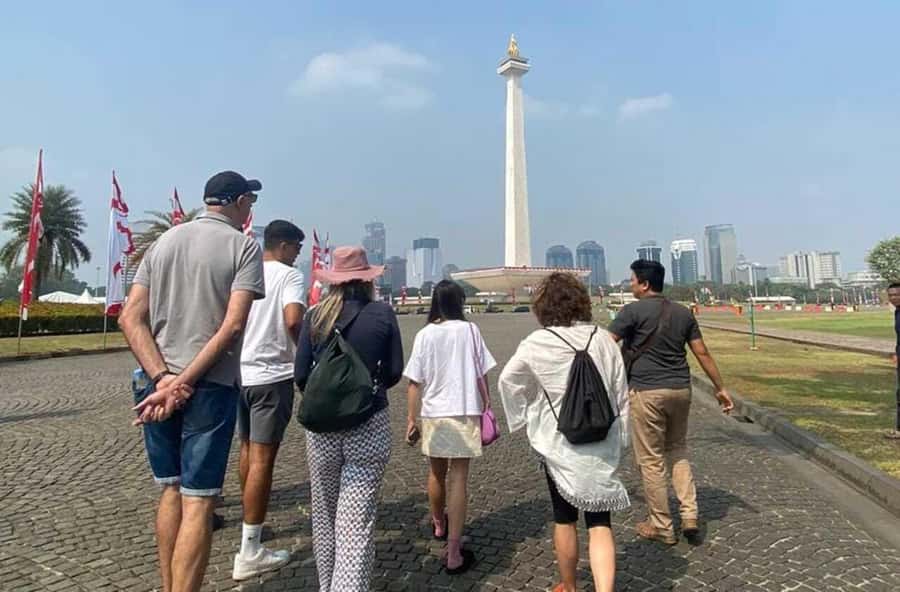
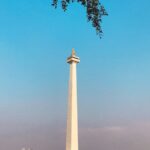
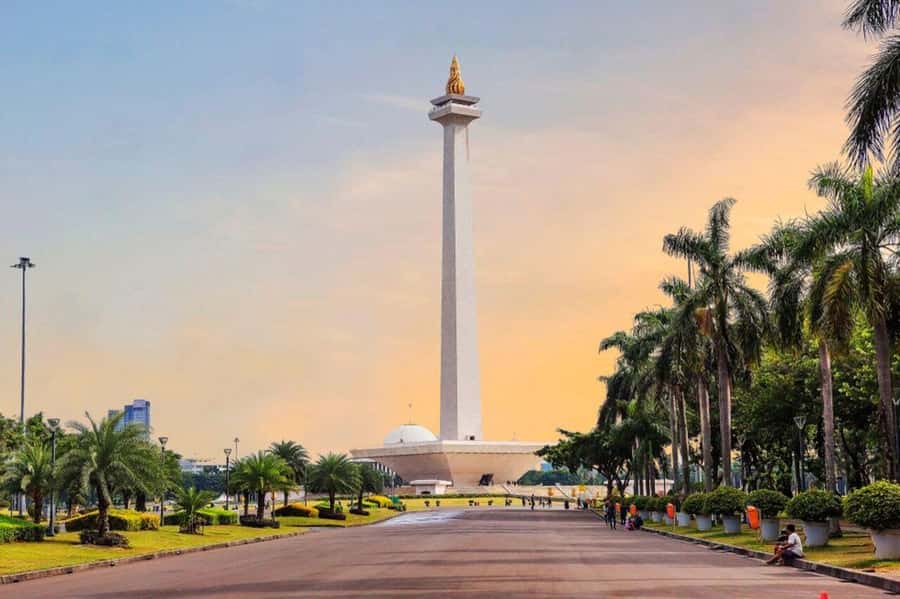
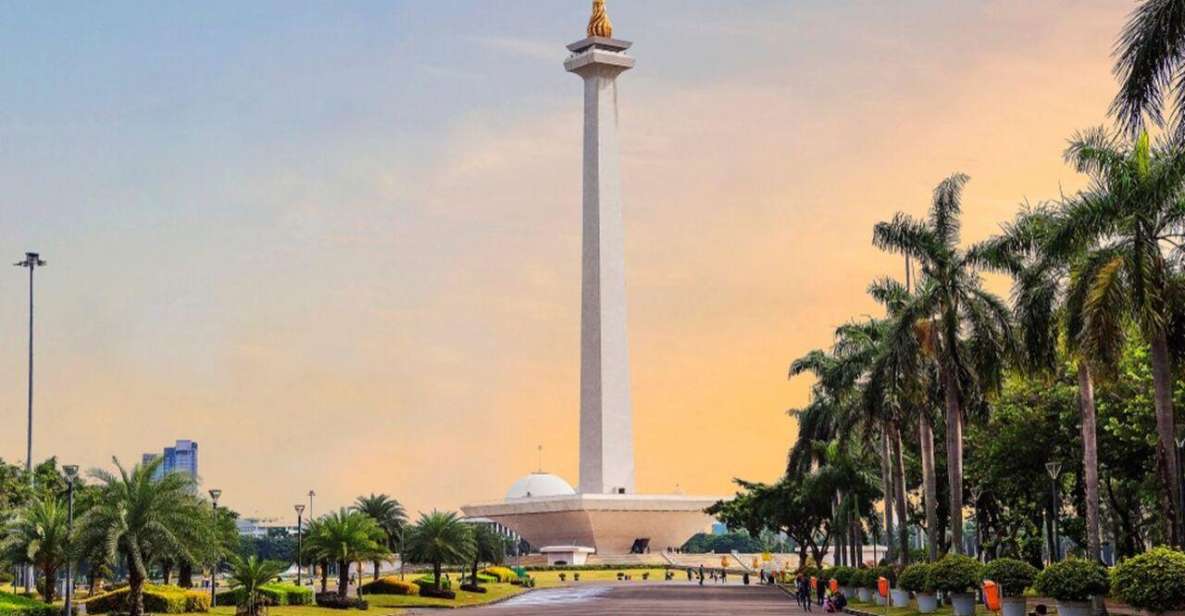
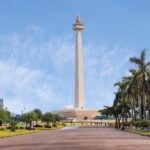
The National Monument is Jakarta’s big independence landmark, rising 132 meters. The guided visit centers on the basement exhibits, where 48 dioramas explain Indonesian history through scenes. It’s the kind of presentation that works even if you don’t have time to study books first.
The independence room adds the symbolism in a more ceremonial way: you’ll see the proclamation gate, the Garuda national emblem, and a gold-plated map of Indonesia. This room is more about meaning than facts, so let your guide’s narration fill in what the symbols represent.
One scheduling note that affects your plan: the National Monument is closed on Monday, and the tour swaps to another highlight when that happens.
Istiqlal Mosque and Jakarta Cathedral: faith architecture in two styles
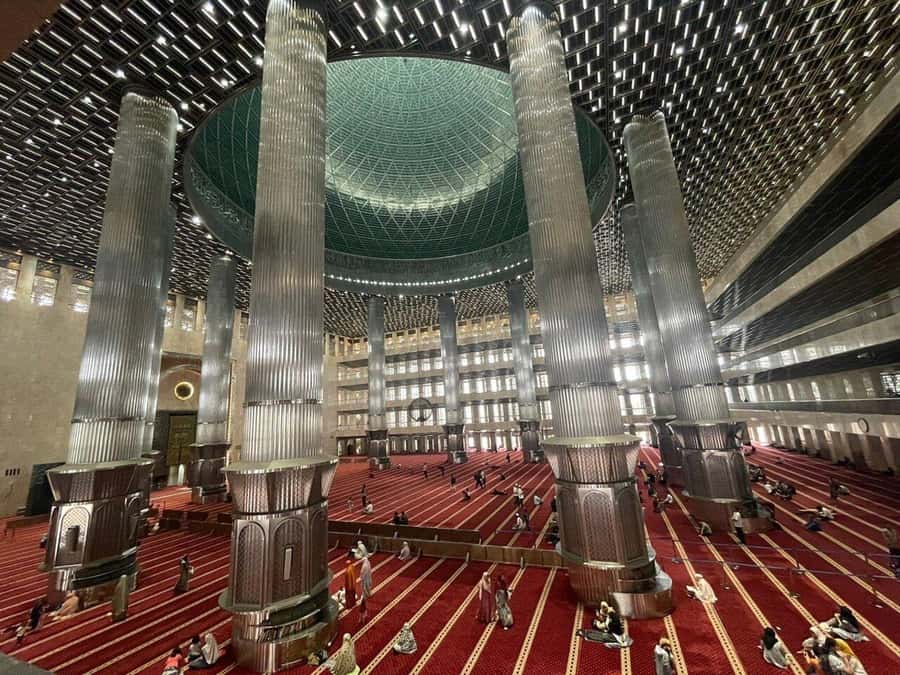
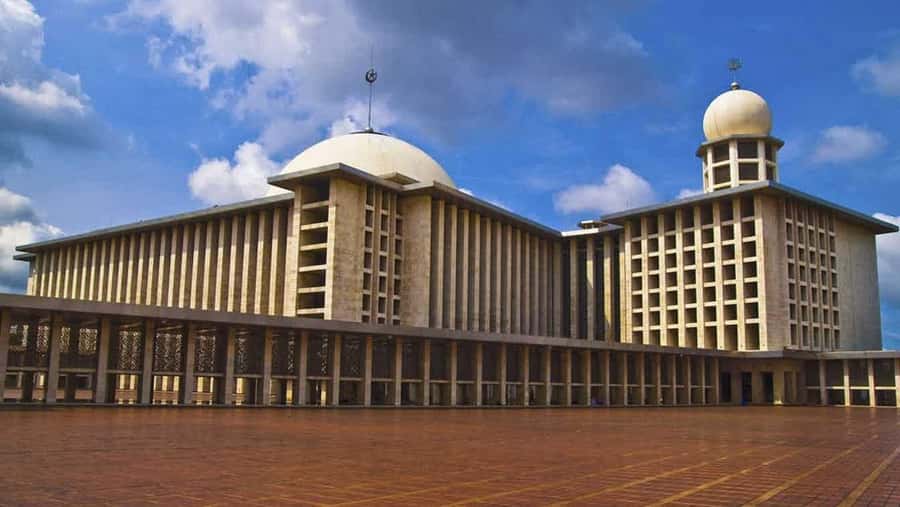
Next you’ll visit Istiqlal Mosque, described as the largest mosque in Southeast Asia. It’s modern in design, and the dome is the kind of sight that makes you pause even if you’ve seen big mosques before. The tour includes a guided visit with context, and you also get a peaceful moment for reflection.
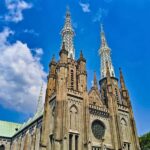
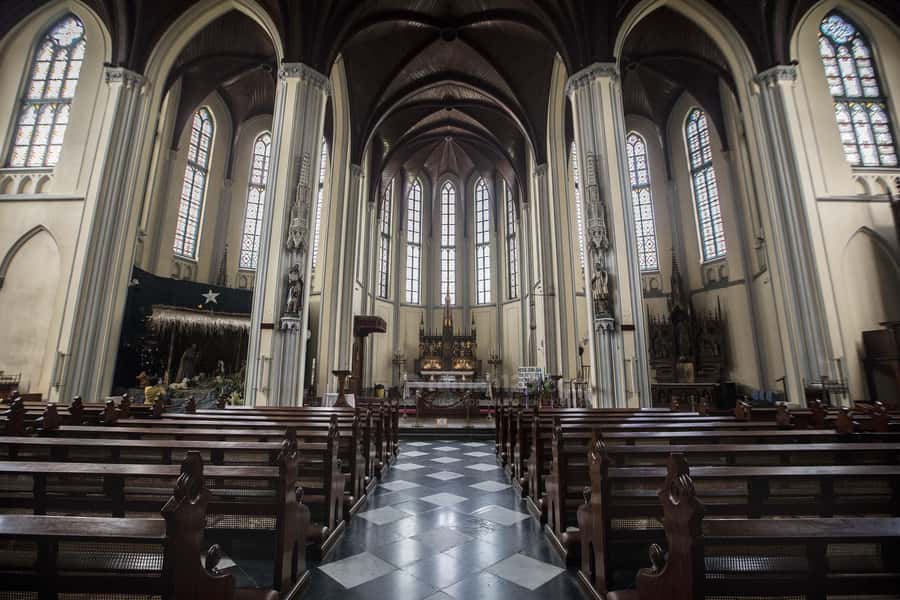
Then you head to Jakarta Cathedral, a Gothic-style church with a tall spire and glass paintings high up in the building. Inside, you’ll see three altars set in a semicircle, which is a detail you’d miss if you only glanced outside.
What I like about pairing these two stops is that they show how architecture communicates values. Even if you’re not religious, you’ll get something out of how each site expresses faith through design.
Schedule caution: Istiqlal Mosque is closed on Friday. On those days, the guide explains the area outside the mosque instead of entering.
Dharma Bhakti Temple and the wet-market stop you’ll actually remember
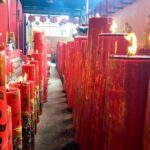
Then comes The Confucian Dharma Bhakti Temple, noted as the oldest Confucianism temple in Jakarta. The guided visit gives historical context, and the temple stop works well because it broadens the day beyond the two largest religions most visitors expect to see.
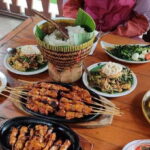
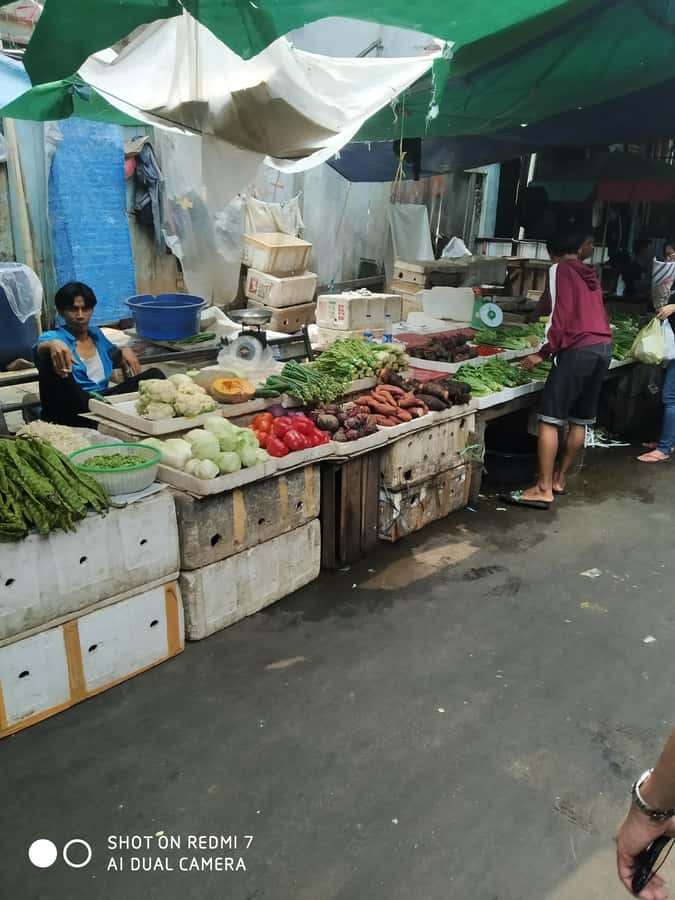
A key part here is the nearby traditional wet market you pass and explore. This is where the tour slows down enough for you to notice daily life—people working, shopping, and moving like they do every morning. You may also have a chance to try authentic Indonesian snacks and tropical fruits, which is a nice way to turn “heritage” into something you taste.
Tip: markets are sweaty places. Wear breathable clothing and keep your water in mind, since you’ll be out walking more than you might expect from a “heritage tour.”
Glodok Chinatown walk: street life, not just photos
After the temple stop, you head to Glodok Jakarta. This is a short walk, but it’s a purposeful one. Glodok is associated with Chinatown culture, and this tour uses the area to connect you with how Jakarta eats and lives between the big monuments.
The highlight here is the street-food area feel. You’re not stuck in a food court bubble. It’s more like a guided stroll where your guide can steer you toward what’s worth trying and what to skip if you have dietary limits.
If you’re the type who likes to photograph people and daily scenes, this is the segment that delivers. If you get overwhelmed by crowds, stick close to your guide’s pace and avoid detouring too far into the busiest lanes.
Jakarta Old Town and Dutch Town: warehouses, street corners, and leftovers of power
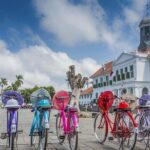
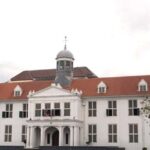
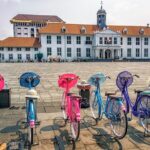
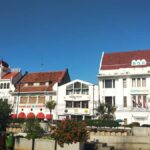
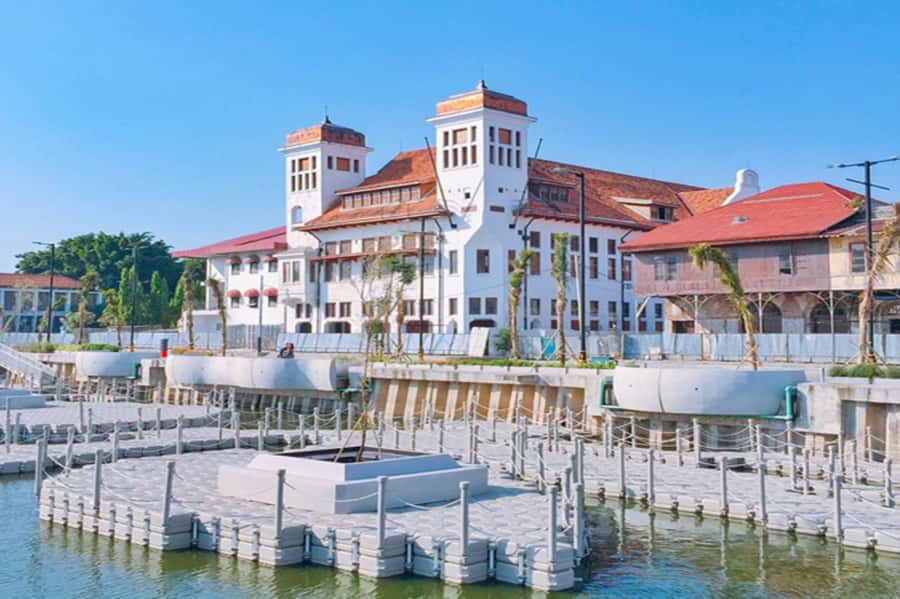
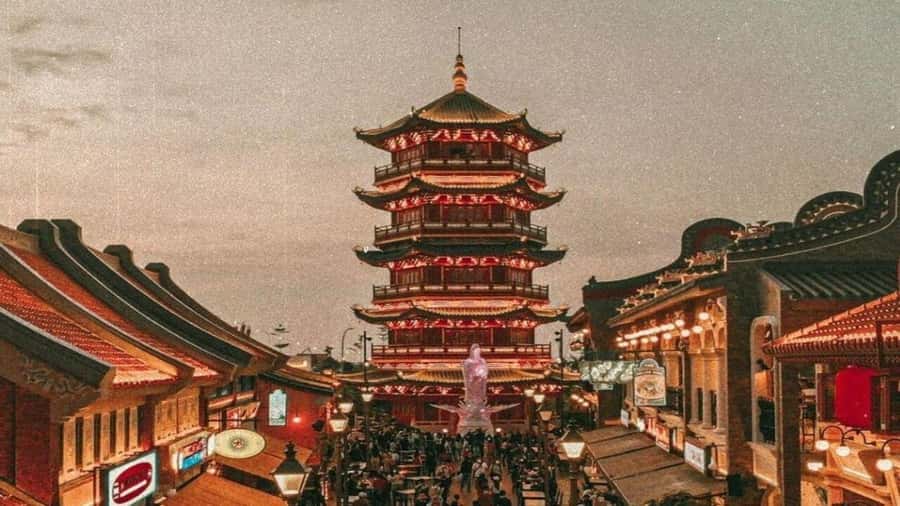
From Glodok, you move toward Jakarta Old Town with a guided segment. This area is tied to Dutch colonial government in the past. Today, the appeal is the architecture and the sense that you’re walking through layers rather than a single preserved zone.
The Dutch Town feel is highlighted by historic buildings and old warehouses, with some dating back to the 17th century. That’s not just trivia. When you stand in these spaces, you can see why the colonial era left such strong physical fingerprints in Jakarta’s layout.
This is also where the tour becomes more “wanderable.” You’ll want to keep your camera ready but avoid the trap of rushing every doorway. Let your guide point out the details that matter—what used to be administrative, what used to be commercial, and how the neighborhood shaped what came next.
Makutharama Puppet Studio: puppet masters and wayang hands-on
Now for the fun part: Makutharama Puppet Studio (Toko Wayang Kulit). This is a workshop-style visit with puppet masters, so it’s not just a photo stop. You’ll learn about Indonesian puppet making and see wayang (puppet) collections from different regions.
I like this stop because it breaks up the day’s monument-heavy rhythm. Puppets are an entire cultural system: craft, storytelling, and tradition all in one. Even if you don’t know a lot about wayang going in, a workshop helps you understand what you’re looking at.
Time-wise it’s a 30-minute workshop, so don’t expect a full lesson. Do expect a practical introduction that gives you enough context to appreciate what you see.
Sunda Kelapa Harbor: the oldest port in Jakarta, still in use
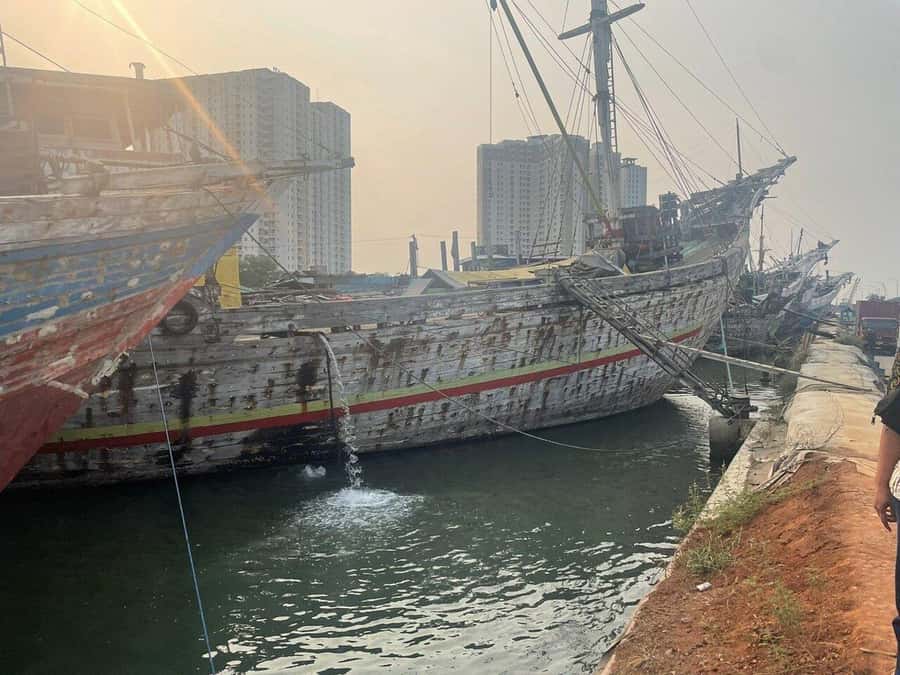
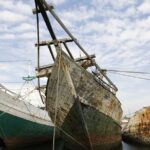
You end at Sunda Kelapa Harbor, described as the oldest port in Jakarta that’s still operating for domestic shipping. The vibe shifts again here—from museum and city streets to working waterfront reality.
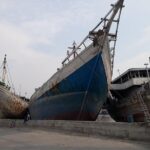
Traditional Phinisi wooden boats are anchored neatly in the port. It’s a great ending because it’s not about monuments you view from a distance. You see the boats in their working context, and the harbor feels like it’s doing what it has always done.
There’s also a small but memorable geographic detail: seawater levels are higher than those on land in Jakarta. Your guide’s explanation helps you understand why the waterfront looks and functions the way it does.
If you have the energy for one last walk after the harbor visit, take it. The change of pace is often what makes the ending stick in your memory.
Guide quality is the real value: stories you can repeat
The biggest praise for this tour centers on the guide experience and teamwork. Names that show up include Rizky and Bryan, and the driver Andri gets credit too. The consistent theme: guides combine site explanations with real-life context, plus they keep the mood friendly and organized.
Why that matters: Jakarta can be a lot. Without storytelling, you can walk through landmarks and still feel like you didn’t connect the dots. With a strong guide, you leave with a better mental map of how Indonesia’s independence story, religious traditions, and street culture connect.
Who should book this tour (and who should skip it)
This tour is a strong fit if you want:
- A guided day that covers major highlights without hiring multiple drivers
- A mix of history + architecture + neighborhood life
- A shop-and-market moment plus a puppet workshop
- An English-speaking guide to help you interpret what you’re seeing
Skip it if:
- You’re sensitive to heat and prefer very slow sightseeing
- You want deep time inside only one or two museums
- You dislike itineraries that pack many stops into one day
As long as you bring comfortable shoes and plan for walking, you’ll likely enjoy the variety.
Should you book this Jakarta Heritage and Historical Tour?
If you’re spending a limited amount of time in Jakarta and you want the day to feel like it has a point, I’d book it. The value is in the combination: entrances covered, private air-conditioned transport, a guided route that connects national independence to everyday life, and ends with a real working harbor.
Just choose your day wisely. If you’re visiting on Monday, expect a swap since the National Monument is closed. If you’re in Jakarta on Friday, plan for Istiqlal to be explained from outside.
In short: this is a solid “first-timer Jakarta” tour, especially if you like structure, guidance, and seeing the city’s many faces in one long day.
FAQ
How long is the Jakarta Heritage and Historical Tour?
The tour duration is 7.5 hours. Starting times vary, so you’ll need to check availability for the exact slot.
What pickup areas are available?
Pickup is included from the Jakarta City Area, with five pickup location options listed (including Central Jakarta City, Tanjung Priok Port Authority, and West Jakarta City). Pickup at hotels in the airport area or outside Jakarta City may have an additional fee.
Is the tour guide available in English?
Yes. The tour includes an English-speaking live guide.
What’s included in the tour price?
The price includes an air-conditioned private vehicle, pickup and drop-off in the Jakarta City Area, an English-speaking guide, bottled water, highway/parking/donations, and all entrance fees.
Are donations included?
Yes. Donations at Istiqlal Mosque & Old Temple are included.
What happens if I’m in Jakarta on Monday?
The National Monument is closed on Monday, so the guide will switch to another highlight in Jakarta.
What happens if I’m in Jakarta on Friday?
The Istiqlal Mosque is closed on Friday, and the guide will explain the area outside the mosque instead.
Is the tour wheelchair accessible?
Yes, the tour is marked as wheelchair accessible.
What should I bring, and what is not allowed?
Bring comfortable shoes, sunglasses, a camera, comfortable clothes, and a hat. Pets are not allowed.