Jakarta can’t fit in 6 hours. Still, this private shore excursion turns cruise time into a smart walk through layers of the city—Dutch Batavia, Chinatown in Glodok, and the harbor that once fed maritime trade.
I like the air-conditioned minivan setup and the fact that the important pieces are timed for port reality. You also get entrance fees taken care of, plus bottled water and the guide—so you’re not juggling cash while your ship is ticking down.
The one thing to keep in mind: the history stops depend on the day’s opening hours and the pace your guide keeps. On Mondays, at least some museums may be closed, and that can change what you actually see; guide quality and explanations can also vary.
Key highlights you’ll feel fast
- Pickup and drop-off at Tanjung Priok Port so you start and end without wandering
- A focused old-town-to-harbor route that hits Dutch, Chinese, and maritime Jakarta
- Fatahillah Museum (old Batavia town hall) and National Museum collections included
- Glodok Chinatown with local context tied to Batavian Chinese history
- Optional stops like Istiqlal Mosque and Jakarta Cathedral if time allows
In This Review
- From Tanjung Priok Port to Your First Photo Stop: How the Day Starts
- Dutch-Style Streets and Batavia’s 17th-Century Footprints
- Fatahillah Museum (Old Town Hall of Batavia): What You’ll See and Why It’s Worth It
- A real-world caution
- Glodok Chinatown: Batavian Chinese History in a Real Neighborhood
- National Museum: Costumes, Instruments, Bronzes, Ceramics, and Temples (If Open)
- If explanations matter to you
- Sunda Kelapa Harbor: Maritime Trade Where Batavia Entered the Sea
- Istiqlal Mosque and Jakarta Cathedral: Optional, but Powerful If Time Allows
- Timing, Pace, and Why Monday (and Late Starts) Can Change Everything
- Price and Value at $86: What You’re Paying For
- Is it worth it?
- How to Get the Best Day Out of This Shore Excursion
- Should You Book This Jakarta Port Private Guided Tour?
- FAQ
- Where do I meet the guide for this Jakarta shore excursion?
- How long is the tour?
- Is transportation included?
- Is there an English-speaking guide?
- Are entrance fees included?
- Is lunch included?
- What if I need to cancel?
From Tanjung Priok Port to Your First Photo Stop: How the Day Starts
Your day starts right where cruise logistics matter. You meet your guide in the arrival hall of Tanjung Priok Port of Jakarta, and your guide holds a sign with your name. That small detail matters more than people think. In a working port, it’s easy to burn time trying to find the right person.
Once you’re matched up, you board a comfortable, air-conditioned minivan. Then it’s straight into motion—driving through the city’s historic district and lining up the big contrasts Jakarta offers: old colonial architecture beside modern street life.
This tour is built for a shore-excursion rhythm. You’re not hoping you’ll find a bus, you’re not trying to line up tickets on your own, and you’re not mentally calculating transit delays. It’s the kind of plan that helps you relax, even if Jakarta traffic can be unpredictable.
Dutch-Style Streets and Batavia’s 17th-Century Footprints
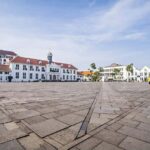
One of the best early moments is the drive through Jakarta’s historic district. You pass Dutch-style structures dating back to the 17th century, which gives you a quick visual foundation before you step into museums.
This is also where the guide’s job becomes more than commentary. When the route is sensible, you start noticing patterns: where colonial buildings still shape streetscapes, and why certain old-town sites became power centers. Even if you don’t catch every detail, you’ll walk away with a clearer mental map of where the city’s authority once sat.
If you’re the type who likes cities with layers, this drive is a good warm-up. It sets the stage for the next stop: the old Batavia landmark that now houses a museum.
You can also read our reviews of more tours and experiences in Jakarta.

Fatahillah Museum (Old Town Hall of Batavia): What You’ll See and Why It’s Worth It
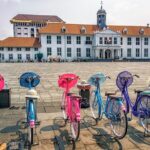
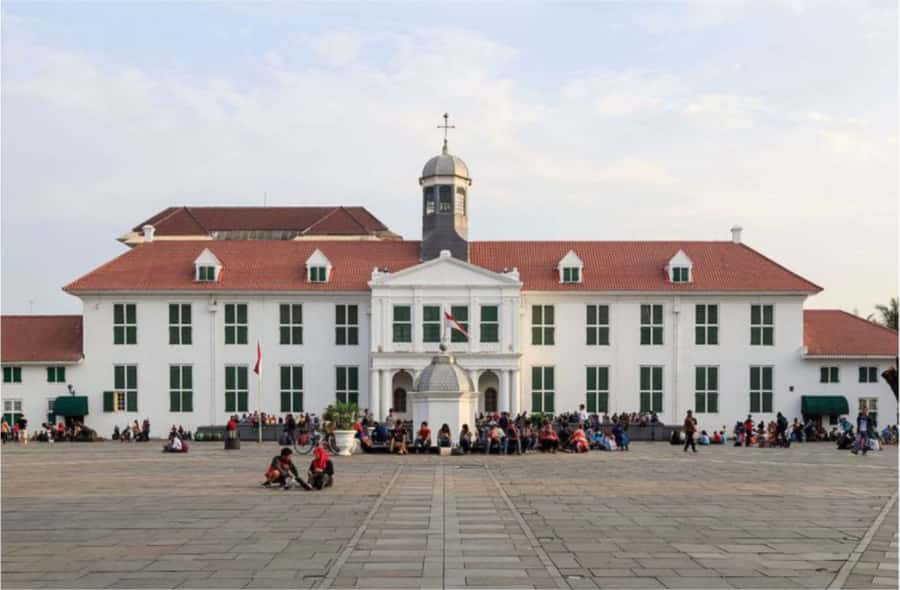
Next up is Jakarta History Museum (Fatahillah Museum), located in the old town hall of Batavia. That’s not just a name change—it’s a physical reminder of the Dutch colonial era and how local governance worked when Europeans ran the show.
Inside, you’re there for the sense of place. The tour focuses on the meaning of the building and the historical role of this old-town area. You’ll get context that helps you connect what you see on the streets to what you see in the museum.
There’s a practical angle here too. Museums can be a time sink if you don’t know what to look for. With a guide, you’re more likely to land on the right artifacts and stories without burning your limited shore time.
A real-world caution
If your cruise day lands on a Monday, consider that some museums may be closed. One booking noted that Monday closures reduced the impact of the museum portion. If your schedule is flexible, try to line up with a day when major museum sites are open.
Glodok Chinatown: Batavian Chinese History in a Real Neighborhood
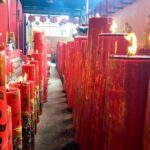
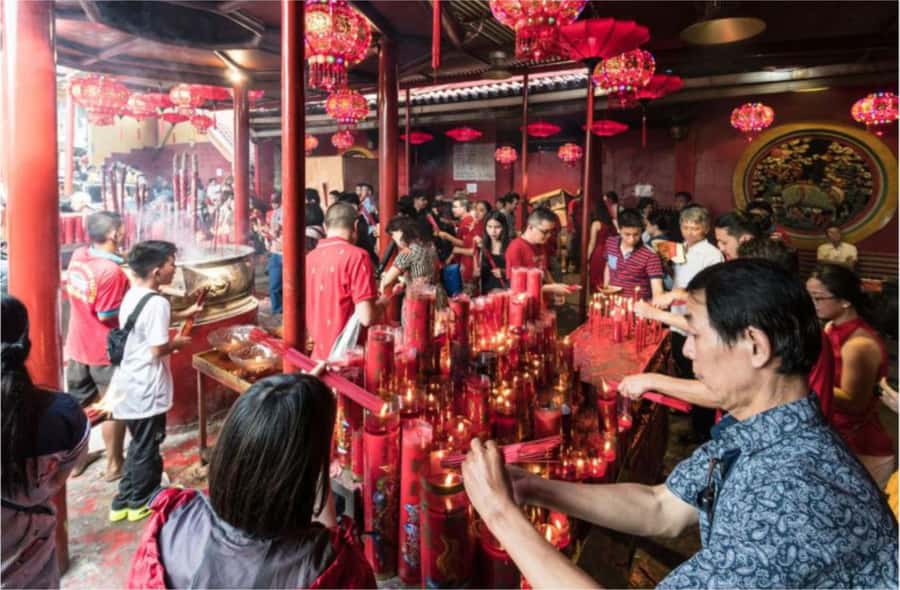
After the Dutch old town, the tour shifts to Glodok, Jakarta’s Chinatown. This isn’t just a food-and-snacks stop. You get history tied to the community that shaped parts of old Batavia.
In particular, the tour is designed around stories about the Batavian Chinese—how the community grew and how it fit into the colonial-era city structure. Your guide is meant to explain what you’re looking at in this area, so you don’t just wander past streets without a clue why the place matters.
Now, a key practical note: Chinatown stops can vary in how much walking you’ll do. One booking said they wanted more wandering through the area but mostly saw small sections tied to prayer spaces. That means you should expect a neighborhood visit that’s more about context than a long “walk-the-market” experience.
If you want to spend extra time after the main stop, build in buffer time for it—only if your ship schedule allows.
National Museum: Costumes, Instruments, Bronzes, Ceramics, and Temples (If Open)
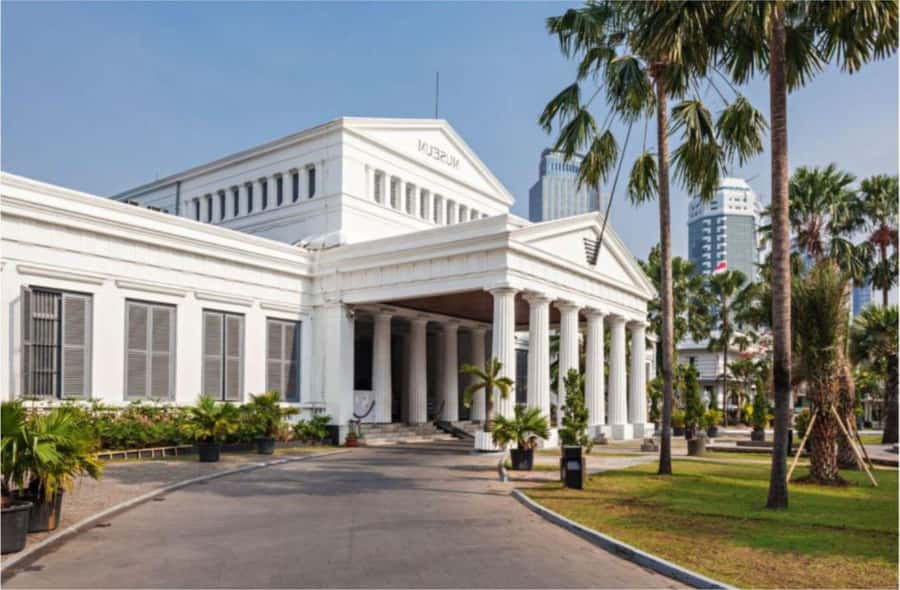
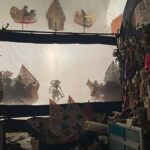
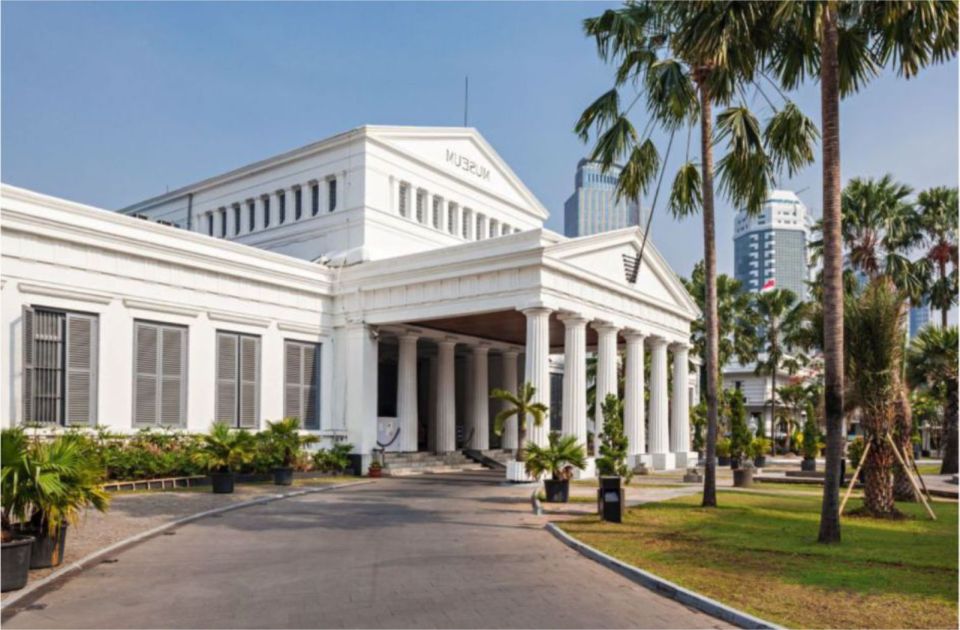
The National Museum is where the tour goes big. You’ll see costumes, musical instruments, model houses, and fine bronzes from the Hindu-Javanese period. There’s also mention of stone pieces from temples in Central Java.
One of the most memorable parts of this stop is the range: it’s not a single exhibit theme. You’re moving across cultural layers, and the museum collections are meant to show how older Java contributed to Indonesia’s broader artistic and religious story.
The tour also highlights Chinese ceramics in the museum’s displays. That matters because it gives you a second lens on the Chinese presence you saw earlier in Glodok. You get a neighborhood story first, then a material-culture story later.

If explanations matter to you
Not all guides explain history with the same depth. One booking noted that the guide sometimes pointed to signs and artifacts without fully connecting them, while another museum guide later provided stronger explanations. So if you’re the kind of traveler who wants real “why this matters” storytelling, consider arriving with a few questions ready, like:
- What does this artifact represent?
- How did these cultures interact in Jakarta/Batavia?
- What should I notice first in this room?
Even a good itinerary can feel flat if the narration is light. You’ll get the best value when you nudge for the connections.
Sunda Kelapa Harbor: Maritime Trade Where Batavia Entered the Sea
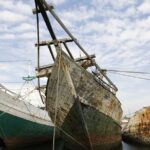
Then comes the maritime side at Sunda Kelapa Harbor. This harbor was once the heart of Jakarta’s maritime trade. In the colonial era, it was called the Roads of Batavia and was described as the only entrance to Batavia.
This stop has a different feel than museums. You’re looking at a working-world setting, even if your time there is brief. The value is in the context: it helps you understand why Jakarta’s power developed where it did. Ports aren’t just backdrops. They shape cities—economy, wealth, migration patterns, and even which neighborhoods get built up.
If you like history that connects to geography, this is a solid anchor point. It makes the earlier stops feel less like disconnected sightseeing and more like a single story about trade, authority, and cultural mixing.
Istiqlal Mosque and Jakarta Cathedral: Optional, but Powerful If Time Allows
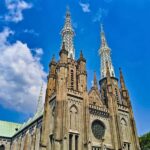
If time permits, you’ll visit Istiqlal Mosque, described as the largest mosque in Southeast Asia, and possibly Jakarta Cathedral, a Roman Catholic cathedral.
These are standout places, even when your stop is short. With a guide, you should get enough background to notice details without turning it into a checklist sprint.
Because they’re optional, don’t count on both. If your ship timing is tight, your day may end with the harbor and earlier stops. I’d treat the mosque and cathedral as a bonus, not the core promise.
Timing, Pace, and Why Monday (and Late Starts) Can Change Everything
A 6-hour shore excursion can be either perfect or frustrating depending on three things:
- Museum opening hours
- Traffic and the port exit process
- How the guide manages time
The tour includes pickup and drop-off at your port terminal, and you’re taken back before your ship departs. That’s the big safety net.
Still, the experience depends on on-the-ground decisions. One booking reported stops were skipped because the guide was concerned about being back late for the ship. That’s the uncomfortable reality with cruise shore days: the plan can shift when timing becomes tight.
If you’re the type who hates losing planned stops, go into the day with flexibility. Prioritize what matters most to you, and be ready to ask your guide what’s most likely if time runs short.
Price and Value at $86: What You’re Paying For
At $86 per person for a 6-hour private guided tour, you’re paying for a few specific things that actually cost money in the real world:
- Port pickup and return (time-sensitive logistics)
- A guide (interpretation and navigation)
- An air-conditioned vehicle
- Parking and toll fees
- Mineral water
- Entrance fees
That last point is important. Entrance fees add up fast in a port day when you’re trying to avoid lines and delays. Since they’re included, you’re less likely to waste time negotiating ticket counters or discovering one site costs more than you expected.
The tour doesn’t include lunch and doesn’t include a tour guide tip. That’s normal for this type of excursion, but you should plan for it. If you want a full lunch break, you may need to grab something quick near the port area before or after.
Is it worth it?
It’s worth it if you want a guided “hits and context” route in limited time. It’s less worth it if you’re picky about deep museum explanation and long walking in specific neighborhoods, because that can depend heavily on the guide’s style and the day’s pace.
How to Get the Best Day Out of This Shore Excursion
Here’s how to make your 6 hours feel like it was designed for you:
Ask two quick questions at the start
- What are today’s must-sees if timing is tight?
- Which museum rooms have the best highlights?
A guide can adjust their explanation when you signal what you care about.
Be clear about photos
One booking mentioned the guide kept wanting pictures that the group didn’t want. You can avoid awkward moments by saying early: you’re happy to take your own photos, and you’re not interested in being photographed.
If you care about history detail, prompt gently
One booking found the guide sometimes needed prompting for facts. If you want more detail, you’re allowed to ask follow-ups. Good guides will usually welcome it.
Choose the right expectations
This is a shore-excursion version of Jakarta: compact, structured, and guided. If you want hours inside each site or long wandering in Glodok, you’ll have to add time on a non-cruise day.
Should You Book This Jakarta Port Private Guided Tour?
Book it if:
- You want port-to-port convenience with entrance fees included
- You like seeing Jakarta through big story themes: Dutch Batavia, Chinatown/Glodok, and maritime trade at Sunda Kelapa
- You’re okay with a tight schedule and optional add-ons like Istiqlal Mosque and Jakarta Cathedral
Skip or think twice if:
- Your cruise day lands on a time when key museum hours are questionable (Monday is one example)
- You’re very sensitive to how much the guide explains versus what you can read on your own
- You’re hoping for a long, slow neighborhood walk in Chinatown rather than a focused stop
My take: this tour is a good value for a shore day because it reduces friction—meeting you properly at Tanjung Priok, handling transport, tickets, and timing. The main variable is how your specific guide narrates the sites. If that part clicks, you’ll come away with a sharper sense of how Jakarta grew.
FAQ
Where do I meet the guide for this Jakarta shore excursion?
You meet your guide at the arrival hall of Tanjung Priok Port of Jakarta. The guide will bring a sign with your name.
How long is the tour?
The tour lasts 6 hours.
Is transportation included?
Yes. The tour includes pickup and drop-off at the port plus an air-conditioned vehicle.
Is there an English-speaking guide?
Yes. The guide provides live interpretation in English.
Are entrance fees included?
Yes. Entrance fees are included in the tour price.
Is lunch included?
No. Lunch is not included.
What if I need to cancel?
You can cancel up to 24 hours in advance for a full refund.