The day starts with herbs in your hand. Then you cook traditional Balinese food in a family home, with Putu and his family guiding you through real daily rhythms, not just recipes. I especially like the hands-on cooking (you do the work) and the small-group feel that makes it easy to ask questions. One thing to consider: you should be comfortable with an early start, plus you’ll spend time at a Balinese home setting.
You’ll also do more than shop. You’ll see how people live, including village temples, a school, rice fields, and the basic steps behind things like coconut oil. The “home” part can mean a more rustic pace and surroundings than a polished restaurant, so it’s best if you’re in the mood to learn and participate.
In This Review
- Key things I’d circle before you book
- Morning Market First: Picking Flavors Before You Cook
- Rice Fields and a Village Day: Kelabang Moding Life, Up Close
- Coconut Oil and Daily Offerings: The Traditions Behind the Flavors
- Entering the Balinese Home: Where the Real Teaching Happens
- Cooking With Traditional Techniques: Your Spices, Your Steps
- Eating What You Make: Lunch and Dinner in a Warung and Garden
- Price and Logistics: Is $27 Good Value?
- Who Should Book This Cooking Class (and Who Should Skip It)
- Quick Tips for a Smooth Ubud Morning
- Should You Book Jambangan Bali Cooking Class?
- FAQ
- Is pickup and drop-off included?
- What time does the market tour happen?
- How long is the cooking class?
- Are the cooking classes taught in English?
- Do I get to eat the food I cook?
- What does the experience include besides cooking?
- What should I bring?
- Is it wheelchair accessible?
- Is beer included?
- FAQ
- Who is the class not suitable for?
Key things I’d circle before you book
- Market choices first: you pick fresh herbs, spices, vegetables, and meat cuts before cooking
- Rice farmer stop: you can chat with rice farmers and see daily field life
- Kelabang Moding village moments: temples and a school help explain Balinese everyday culture
- Coconut oil + daily offerings: you’ll see key rituals and food-related traditions in practice
- You cook, you eat, you take it home: recipes plus a certificate, and lunch and dinner from what you make
Morning Market First: Picking Flavors Before You Cook
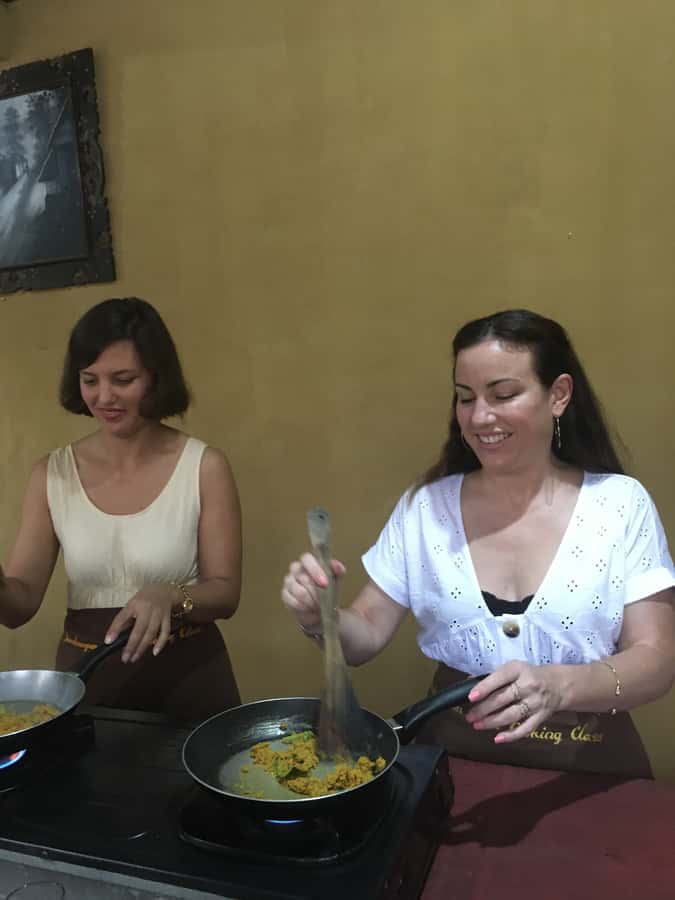
This class begins early in the morning at a local market. The best part is simple: you’re not waiting around. You’re choosing ingredients right away, including aromatic herbs and spices, crisp vegetables, and options for meat. That matters because Balinese flavors start with what you buy, how fresh it is, and how it’s handled.
You’ll also get the kind of real context you miss when you only eat at cafés. You’ll see what’s normal for local shopping and how people think about ingredients. It turns cooking from a task into a story you can taste.
If you’re the type who likes to understand why food tastes a certain way, this section is your payoff. And if you’re more of a practical cook, you’ll still enjoy it because the market choices feed directly into what you make later.
Tip: bring a camera. You’ll likely want photos of spices, produce, and market activity as you go.
You can also read our reviews of more tours and experiences in Ubud.



Rice Fields and a Village Day: Kelabang Moding Life, Up Close
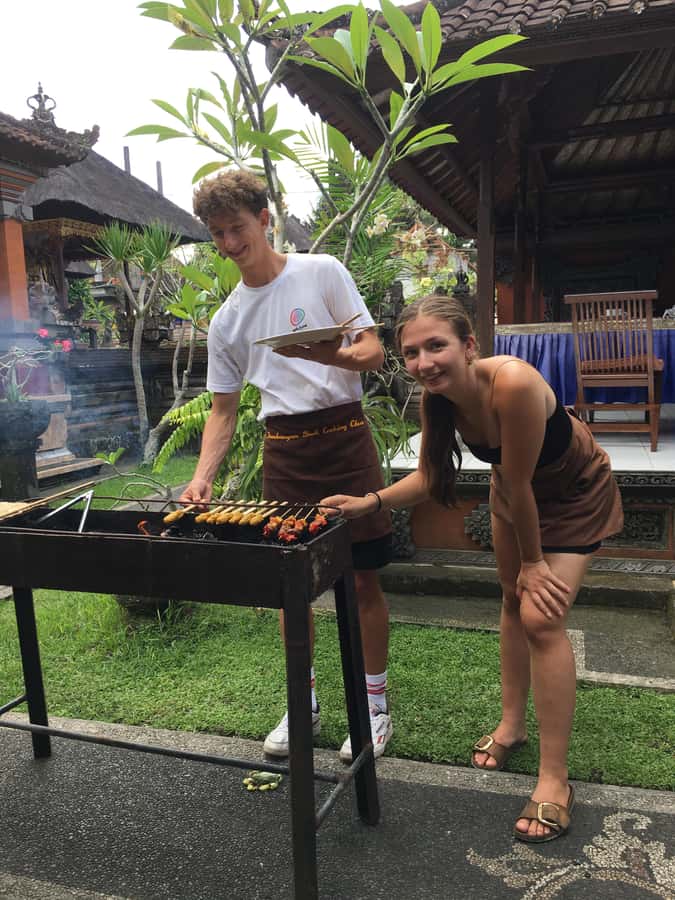
After the market, your route shifts from buying ingredients to understanding the world those ingredients come from. You’ll visit rice fields and can see rice farmer activities as part of the day’s flow. You may also get a chance to chat with local farmers, which is where the experience turns human. Even basic conversation helps you connect food to place.
Then you head into Kelabang Moding village, where you’ll see more than scenery: you’ll pass village temples, a school, and everyday Balinese life. This is one of the reasons I like this class. It doesn’t treat culture like a museum stop. It treats it like something people actually do every day.
When you return to the village area, you’ll also visit and see village parts that help explain the bigger system behind Balinese living—religion, family routines, and the way the landscape and farming connect.
A possible drawback here is time and pacing. It’s a morning-focused experience, and the day moves along, with multiple stops. If you prefer a slow, sit-down tour, this might feel fast. If you’re happy to walk a bit and keep your senses switched on, you’ll love it.
Coconut Oil and Daily Offerings: The Traditions Behind the Flavors
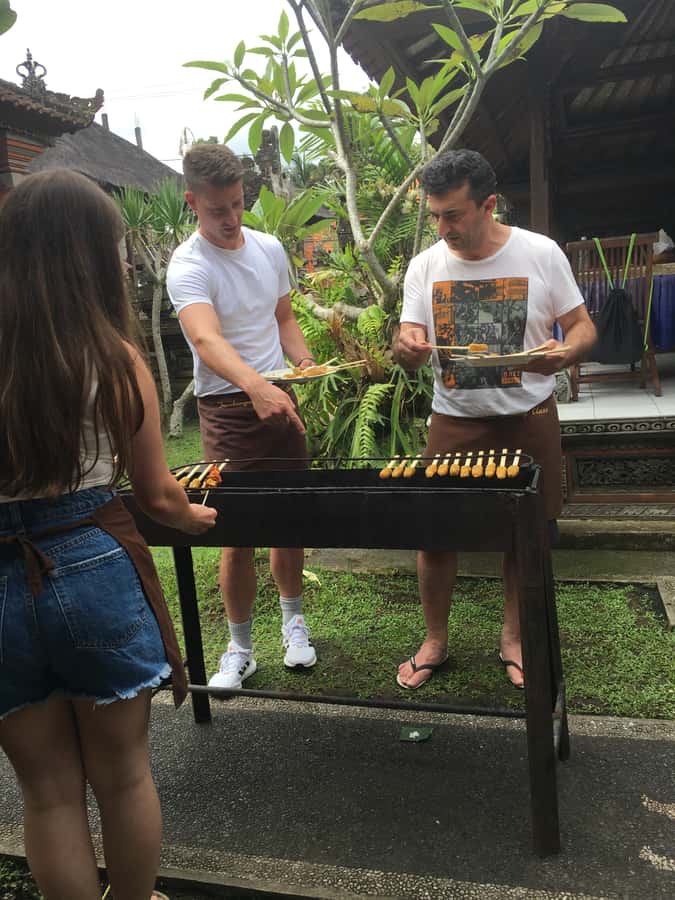
Before you put on the apron, you’ll learn some of the traditions that shape how Balinese cooking works. You’ll see coconut oil processing, which is one of those practical skills that connects kitchen life to local resources. It also helps you understand why certain fats and flavors matter in everyday food.
You’ll also make a daily offering. This isn’t just a show. It’s part of the lived rhythm of Balinese culture—something people prepare regularly. Doing it yourself helps you understand it as a practice, not a performance.
Why I think these segments are valuable: they add meaning to what you’re about to cook. Without them, cooking can feel like following steps. With them, it feels like joining a system.
Small note: you’ll want to pay attention to what the chefs explain. This offering section is usually where you’ll learn the most about intention and routine, not just technique.
Entering the Balinese Home: Where the Real Teaching Happens
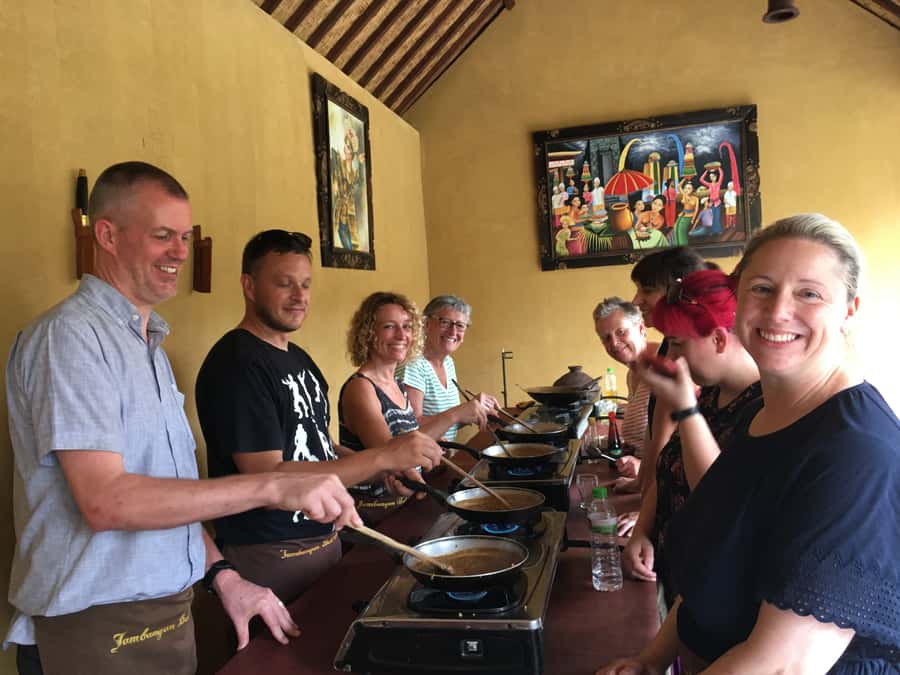
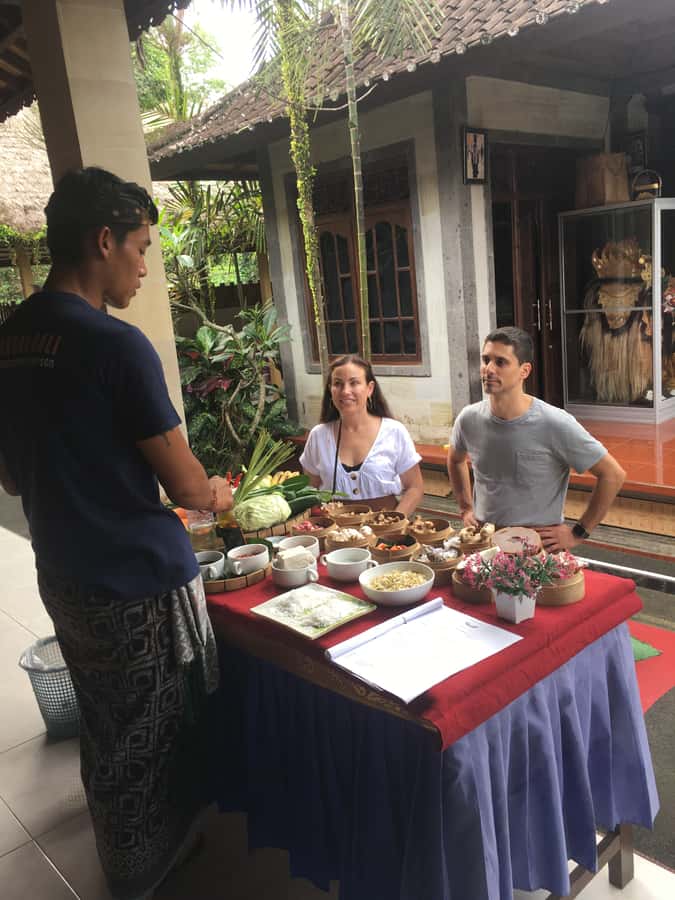
The cooking portion takes place at a Balinese home setting in the village area. That’s a big deal for two reasons. First, family-style cooking is how most people actually learn—through doing and watching. Second, it keeps the whole day grounded in something ordinary and real.
All classes are conducted in English by Balinese chefs fully conversant with Balinese cuisine and culture. That language clarity matters when you want to ask why a step is done a certain way. It also keeps you from feeling lost when instructions get specific.
You’ll be welcomed into the home, learn about Balinese family life, and then get to the part you came for: cooking. The experience is run with care, and from what I’ve seen, the group stays small. That helps a lot. You can get closer to the action, and the chefs can correct mistakes without rushing you.
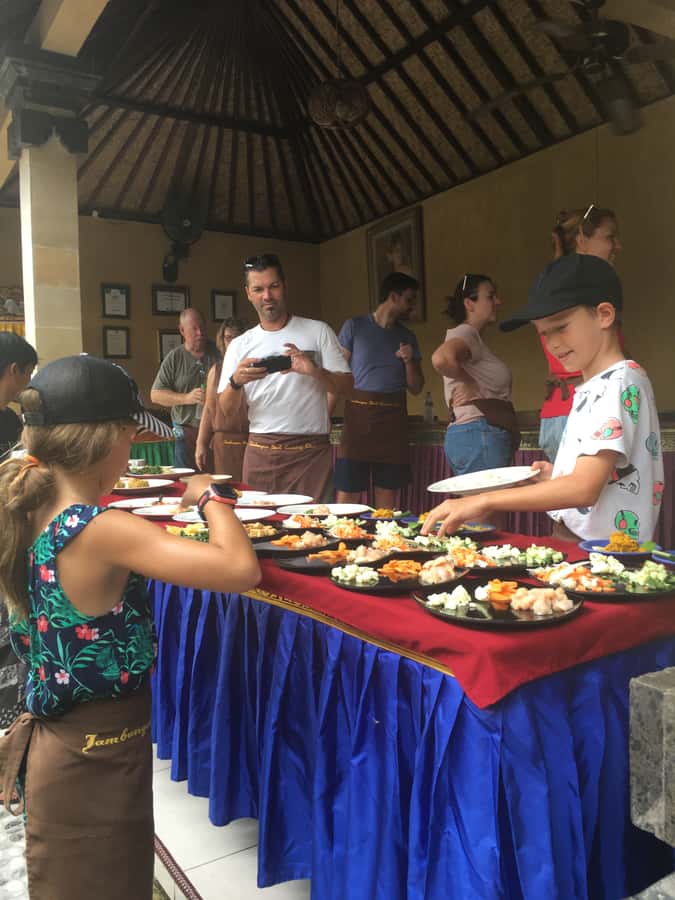
Practical mindset: expect to get involved. This isn’t a demo where you stand back and watch. The goal is that you cook the recipes.
Cooking With Traditional Techniques: Your Spices, Your Steps
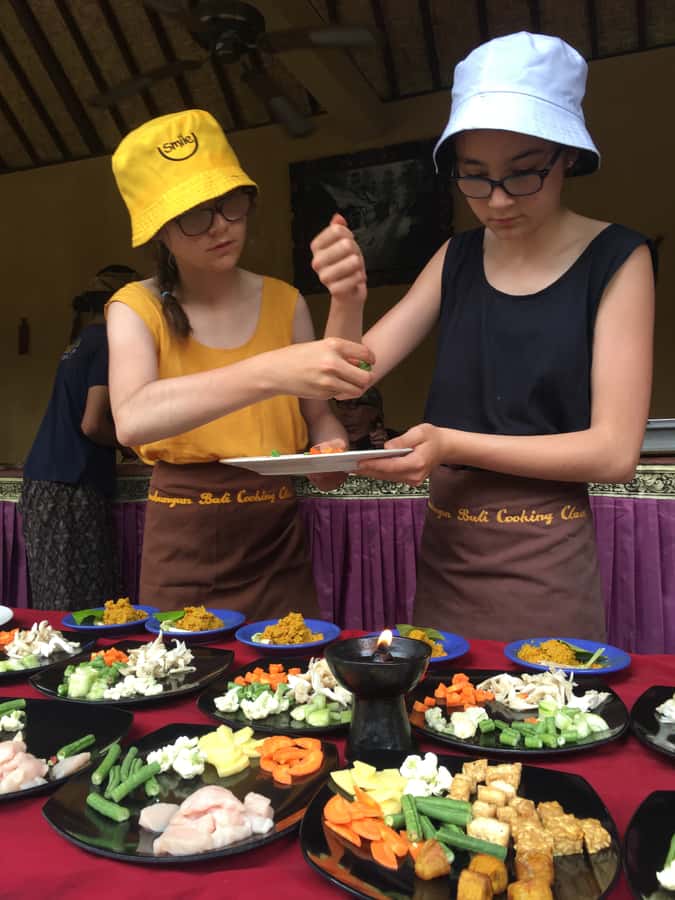
This is where you take control. You’ll use what you selected earlier—herbs, spices, vegetables, and meat choices—to cook your meal. You’ll also learn traditional techniques as you go, not after the fact.
I like this setup because it keeps the class from becoming a generic “cook rice and sauce” workshop. You’re building a flavor base from real ingredients you picked yourself. When you taste later, it feels like your work has ownership.
You’ll also learn how a home kitchen supports daily life. The process includes more than just chopping and stirring. There are rhythms, small decisions, and practical steps that can change the outcome in big ways—things like heat control, how ingredients are combined, and how flavors are built.
Since specific dish names aren’t part of the details I have, focus instead on what’s guaranteed: you will cook the recipes you make and then enjoy the meal you create in the setting provided.
If you’re a seasoned cook, you’ll still get value. The ingredients and techniques are the point, and you’ll likely pick up a few practical methods you can use later at home. If you’re a beginner, don’t worry. The class is designed to guide you through the steps and keep you moving.




Eating What You Make: Lunch and Dinner in a Warung and Garden
After cooking, you’ll savor what you’ve made. The plan includes eating lunch and dinner in the warung and garden setting. That matters because it closes the loop: you cook, you taste, you learn.
This meal setup is also a nice cultural change from typical tour meals. Instead of eating in a separate restaurant after the fact, you eat in the same general day context—where you cooked and learned about the surroundings.
You’ll likely enjoy the food more than you expect because you recognize ingredients from the market and you remember the steps you performed. That turns the lunch plate into part of the lesson.
Bring that hungry-but-curious energy. Even if you think you already know the basics of Indonesian or Balinese food, the way flavors are built and the care put into cooking can surprise you.
Price and Logistics: Is $27 Good Value?
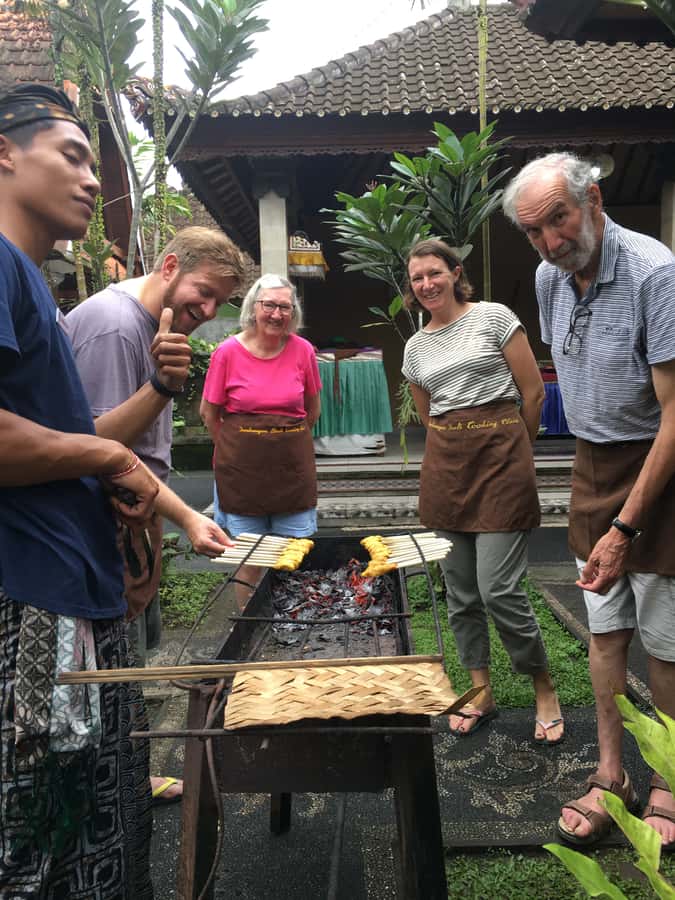
At $27 per person for about 270 minutes, this class offers good value, especially because you’re getting a lot packaged into one morning. You’re not just paying for a cooking lesson. You’re also paying for the market tour, rice field time, village visits, coconut oil processing, daily offering practice, the cooking itself, and a meal to enjoy what you cooked.
What makes the price feel fair is the “do-it-all” format. If you tried to recreate it on your own, you’d likely spend more on transportation, hiring local guidance, and piecing together multiple activities. Here, it’s structured as one day built around learning and eating.
Logistics to know: the class includes free pickup and drop-off in the Ubud area only. You’ll wait in your hotel lobby about 10 minutes before pickup, and the driver will have your name. That’s handy if you want a smooth start without wrangling transport.
If your hotel is outside Ubud, you should expect there may be an extra cost for transport depending on the location. Also, beer isn’t included, and there’s mention of extra cost for expensive items, so keep that in mind if you plan to snack beyond the included meal.
Who Should Book This Cooking Class (and Who Should Skip It)
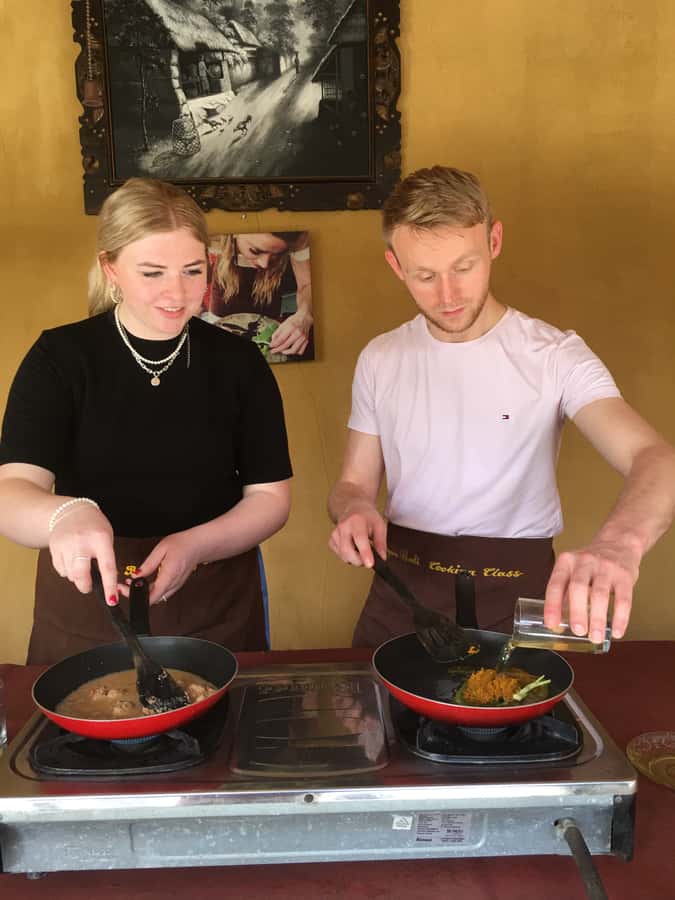
This is a strong fit if you want a hands-on food day with real cultural context. It’s also ideal if you like small groups and direct instruction in English. The morning market start works well for people who enjoy waking up early to get the best ingredients and the best energy.
You should think twice if you:
- have altitude sickness (it’s not suitable)
- are over 95 years (not suitable)
- hate walking around village and market stops
- want a purely restaurant-style, low-participation experience
One more match check: if you’re hoping for a cooking class that feels “hands-on and personal,” this seems designed for you. The home setting and family-guided approach tend to make it more memorable.
Quick Tips for a Smooth Ubud Morning
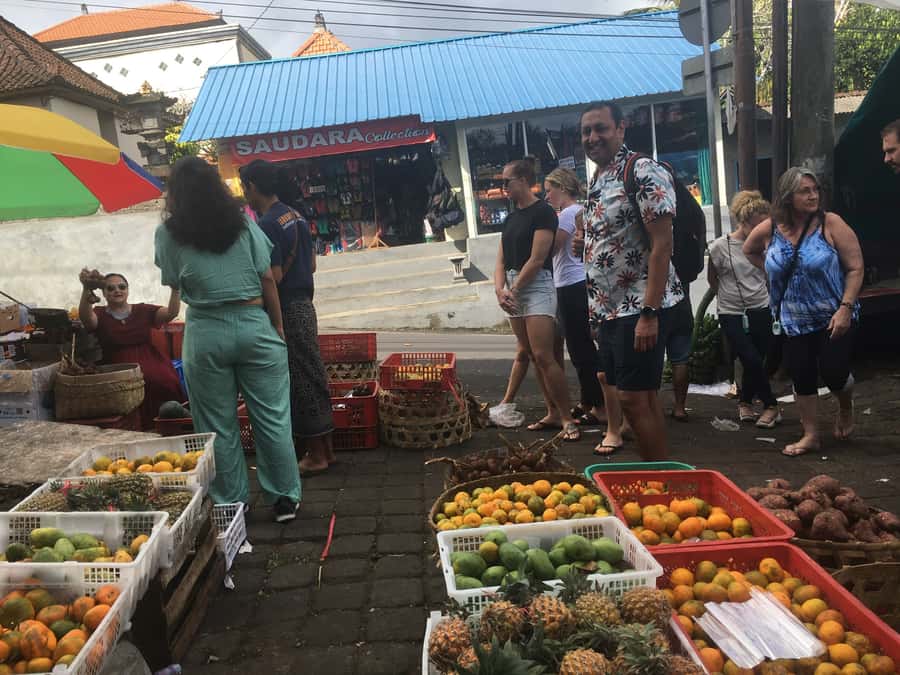
Here are the practical things that make the day easier:
- Bring cash and use it if the market context requires it for anything you’re doing during shopping.
- Bring your camera. Market and village scenes are part of the experience.
- Wear comfortable shoes. You’ll be moving between market, fields, and village areas.
- Plan to be flexible. This is a 270-minute, multi-stop day, and the flow matters.
- Come with curiosity. Ask questions during the cooking and cultural parts, especially around offerings and ingredient choices.
Also, keep expectations realistic. This is cooking in a Balinese home setting. That’s the whole point. It won’t feel like a polished show kitchen.
Should You Book Jambangan Bali Cooking Class?
If you want a morning where you buy ingredients, learn cultural practices, cook using traditional techniques, and then eat your own food in a village setting, I think it’s an easy yes. The value at $27 is strong because you’re getting multiple experiences stitched together by local chefs in English.
Book it if you’re the type who enjoys markets, hands-on cooking, and learning how everyday Balinese life connects to food. Skip it if you need a very slow pace, dislike getting involved in preparation, or fall into the stated non-suitable categories.
FAQ
Is pickup and drop-off included?
Yes, free pickup and drop-off are included for hotels in the Ubud area only.
What time does the market tour happen?
The market tour is included in the morning class.
How long is the cooking class?
The duration is 270 minutes.
Are the cooking classes taught in English?
Yes, the class is conducted in English.
Do I get to eat the food I cook?
Yes. You’ll cook the recipes and then savor your meal in the warung and garden setting (including lunch and dinner).
What does the experience include besides cooking?
It includes a market tour (morning class), rice fields, discovering a Balinese house, coconut oil processing, making daily offerings, and cooking at the Balinese home.
What should I bring?
Bring a camera and cash.
Is it wheelchair accessible?
Yes, it’s listed as wheelchair accessible.
Is beer included?
No, beer is not included.
FAQ
Who is the class not suitable for?
It’s not suitable for people with altitude sickness or people over 95 years.