Old Batavia gets real when you walk it. This Old Town tour strings together VOC-era sites with an English-speaking guide, plus entrance fees so you don’t play museum ticket roulette. I like how the route mixes big-picture colonial planning with hands-on stops you can actually see and photograph, from harbour views to old streets.
One thing to plan for: it’s a warm, humid 4–4.5 km walk, and the early maritime stop may feel like extra time if you only care about the most iconic Old Batavia buildings. If you want a slower pace, bring a little patience and keep an eye on your energy level—this is more “stroll with storytelling” than “sit and look around.”
In This Review
- Key things to know before you go
- Old Batavia on foot: what the 3-hour experience really gives you
- Starting at Museum Bahari: where the VOC story becomes physical
- City walls, the warehouse zone, and Kota Tua’s visual clues
- Kota Intan drawbridge: a near 400-year walking landmark
- Colonial street planning and Toko Merah: why the “architecture talk” matters
- Fatahillah Museum (Jakarta History Museum): antiques and an underground dungeon
- Price and value: what $67.66 buys you (and what to watch)
- Logistics that matter: weather, walking distance, and museum closures
- Who this tour fits best (and who may want something else)
- A practical way to plan your day around the route
- Should you book Queen of the East (Old Batavia) Walking Tour)?
- FAQ
- How long is the Queen of the East walking tour?
- What’s the walking distance?
- Is the tour private?
- Are entrance fees included?
- Which stops will I visit?
- Is there a tour on Monday?
- Can I get a refund if I cancel?
Key things to know before you go
- Sunda Kelapa Harbour viewpoint from the maritime museum area sets the tone right away
- Museum Bahari (maritime/VOC spices warehouse) is included with admission
- Kota Intan drawbridge is nearly 400 years old and a great photo moment
- Kota Tua city walls and warehouse zone give you the feel of the former trading district
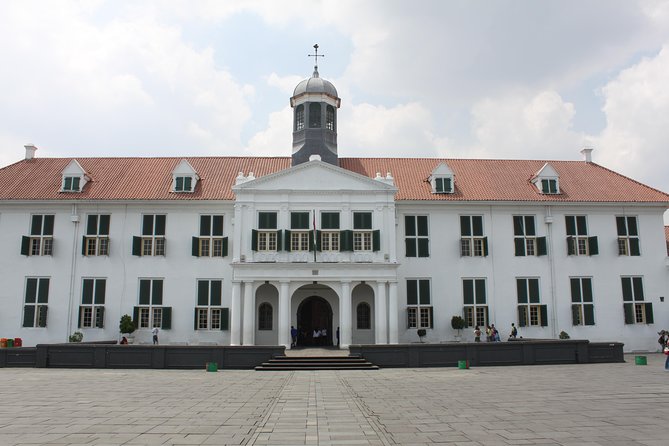
- Fatahillah Museum (Jakarta History Museum) includes antiques from the 17th–19th centuries and an underground dungeon
- Private tour for 1–15 people with an included map, mineral water, and an included batik fan
Old Batavia on foot: what the 3-hour experience really gives you
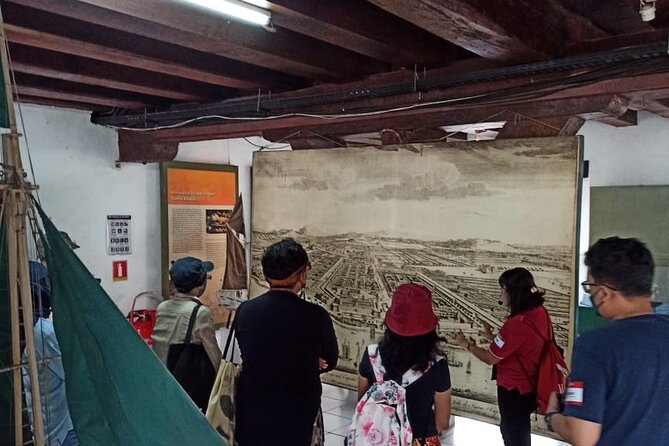
This tour is built for people who want more than a quick look at Kota Tua. In about 3 hours, you cover around 4 to 4.5 km, which is enough walking to connect the dots between the harbour, the VOC logistics area, and the colonial city core.
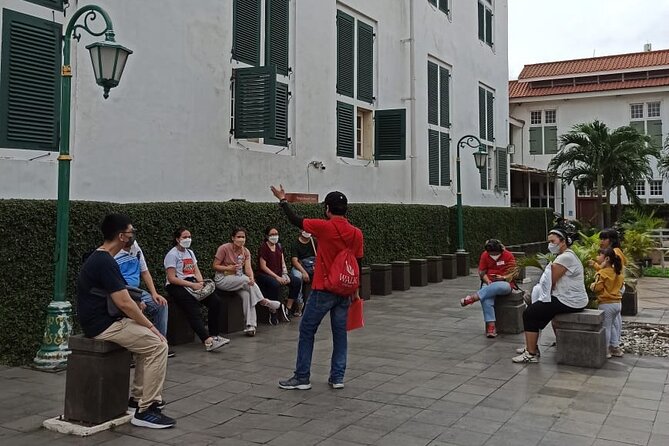
What makes it work is the pacing. You’re not just reading plaques. You’re moving along the same kind of corridors the Dutch used for trade and administration, with your guide translating what you’re seeing into context you can remember.
Because it’s private (just your group), you can ask questions as you go. That matters in Old Batavia, where streets, buildings, and surviving walls can look similar unless someone explains the why behind the layout.
You can also read our reviews of more tours and experiences in Jakarta.



Starting at Museum Bahari: where the VOC story becomes physical
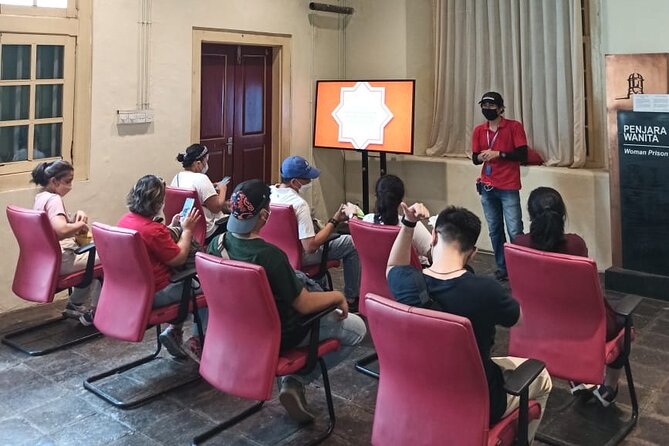
You begin at the maritime museum area, at Musium Oud Uitkijkpost Bahari (the nautical/maritime museum location). The first main stop is Museum Bahari, framed around the VOC-era connection between shipping, spices, and supply chains.
This is where you get one of the tour’s strongest teaching moments. Instead of hearing generic colonial talk, you’re shown the practical side of VOC power: the movement of goods, the way the harbour supported operations, and why this part of Jakarta mattered.
You also get a viewpoint component tied to Sunda Kelapa Harbour. Even if you’re not a “harbour person,” the height-and-view angle helps you understand the geography—how the port links to the storage/warehousing zone and why the city grew where it did.
City walls, the warehouse zone, and Kota Tua’s visual clues
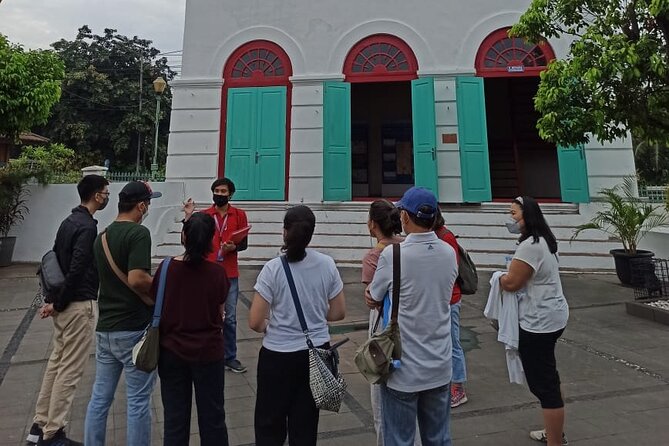
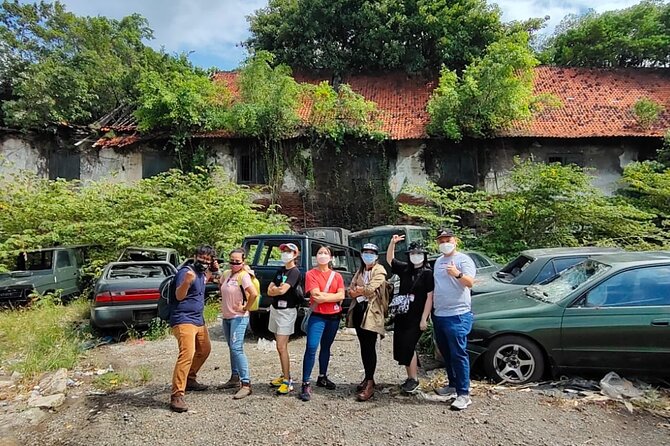
After the maritime start, the tour shifts into the surviving bones of the old city. You’ll walk near remaining Batavia city walls and the Eastern Warehouse area, where the layout starts to make sense.
This is a good segment for photo lovers. Old walls are dramatic, but more importantly, they’re like arrows pointing to how the Dutch shaped traffic and controlled space in the trading district.
There’s also a quiet advantage to this stop being short. You get enough time to read the setting and catch details, then you move on before the walk turns into one long grind.
If you’re arriving with zero context, you might feel like you’re seeing “random old stuff” at first. The guide’s job here is to connect those “random” pieces into one system.
Kota Intan drawbridge: a near 400-year walking landmark
One of the standout moments is passing through the Kota Intan Bridge / Kota Intan Drawbridge, described as nearly 400 years old. A drawbridge isn’t just a neat relic—it’s a reminder that waterways and shipping weren’t background scenery. They were the main roads.
Walking through this kind of structure gives you a different perspective than looking at it from a distance. You can register the scale, the practical design, and the way it would have supported shipping operations when this was a working logistics zone.
This is also a morale booster in the middle of the walk. When you get a truly iconic object like this, the rest of the route becomes easier to follow.
Colonial street planning and Toko Merah: why the “architecture talk” matters
After the bridge, the tour moves into the feel of Dutch colonial urban planning from the 17th–18th centuries. This part can sound abstract, but on the ground it becomes useful.
The guide helps you notice how buildings, streets, and key structures relate to the VOC’s needs. You’re not just staring at old architecture; you’re learning how the city was organized around administration, trade, and movement.
A named highlight here is Toko Merah, described as the old Governor General’s mansion. That gives this segment a concrete anchor. Instead of “generic old colonial buildings,” you have one recognizable reference point to keep tying the route back to.



Fatahillah Museum (Jakarta History Museum): antiques and an underground dungeon
The final major stop is the Jakarta History Museum, also known as Fatahillah Museum. You’ll spend about 40 minutes here, which is a smart length for museum time in a walking tour.
What I like is the range of what you get. The museum collects antiques from the 17th–19th centuries, so you can connect what you saw outside—walls, warehouses, harbour logistics—to objects from the same era.
Even better, you also visit an underground dungeon. That’s the kind of detail that turns a history stop from “items behind glass” into an experience with atmosphere. It also helps explain how colonial power wasn’t just trade and paperwork. It came with control, punishment, and coercion.
If you’re short on time, this is the place to pay attention. Outside the museum, you can sometimes skim details. Inside, that “quiet” information tends to stick longer.
Price and value: what $67.66 buys you (and what to watch)
At about $67.66 per person, this isn’t a budget sightseeing sprint. But for a private 1–15 person tour that includes an English-speaking guide plus entrance fees, the price starts to make sense.
Here’s where the value shows up in practical terms:
- You don’t have to pay separate museum tickets along the way.
- You get a pocket map, mineral water, and a batik cloth fan included—small items, but nice in Jakarta heat.
- You get a guided route that connects harbour, walls, bridge, and museum, instead of doing four separate visits.
The trade-off is that you’re paying for interpretation, not just access. If you’re the type who wants to wander alone and read at your own pace, you may feel like parts of the route are too guided.
Also note what’s not included: meals, travel insurance, and hotel pickup/drop-off. If you’re starting from somewhere far from the meeting point, factor in your transport time before and after.
Logistics that matter: weather, walking distance, and museum closures
Jakarta weather is the big variable. The tour runs in sunny or rainy conditions, and you’re advised to bring an umbrella, especially during the rainy season October–April.
Because you’ll walk 4–4.5 km, you’ll want comfortable shoes with grip. Old Town can mean uneven pavement and crowded footpaths near major landmarks, and you don’t want sore feet when the best sights are spread out.
One scheduling detail is simple but important: there’s no tour on Monday, because museums are closed. If your trip lands on Monday, you’ll need a different day or a different activity.
The good news is that the tour is described as suitable for most travelers. The walking distance is meaningful but not extreme, and a private group setup helps if you need a brief pause.
Who this tour fits best (and who may want something else)
This tour fits best if you want:
- a structured way to see Old Batavia / Kota Tua
- an explanation of how the VOC era shaped Jakarta’s port-and-warehousing zone
- a mix of outdoor landmarks and one main museum stop with time to breathe
You’ll probably enjoy it even more if you like history that feels physical—harbour viewpoints, surviving walls, and old engineering like a drawbridge.
If you’re traveling with very small kids or anyone who hates walking, consider that the route is still 3 hours with a 4–4.5 km walk. Also, if you only want the most famous exterior sights and nothing museum-related, the early maritime museum segment may not be your favorite use of time.
A practical way to plan your day around the route
Start by doing this one smart thing: schedule your energy. Because you’re walking during a warm humid climate, you’ll enjoy the tour more if you’re not already tired from a long day of transport.
Bring water habits into the plan. Mineral water is included, but you should still pace yourself, especially if you’re visiting in hotter months.
For photos, the bridge and the harbour viewpoint are your easy wins. For museum photos, follow whatever rules are posted inside the rooms, since you’ll be dealing with historical collections and sometimes restricted areas.
End your day with something flexible. After the museum and underground dungeon stop, you may want a nearby meal or a quiet reset rather than rushing across the city.
Should you book Queen of the East (Old Batavia) Walking Tour)?
Book it if you want a private, guided walk through Kota Tua that ties together the harbour, VOC logistics, and the colonial city core in a realistic 3-hour window. The best reasons to book are the included museum time at Fatahillah (antiques plus the underground dungeon) and the way the route builds understanding from outside landmarks you can actually locate.
Skip—or at least compare—if you hate walking in humidity or you’re expecting a totally “wow-every-minute” route. This is a story-driven stroll, so you’ll get more from it if you like context and you don’t mind spending some time inside the maritime museum start.
If you can choose your date, pick a day other than Monday, pack an umbrella, wear comfortable shoes, and treat the walking as part of the lesson. Do that, and this tour becomes one of the more coherent ways to make Old Batavia click.
FAQ
How long is the Queen of the East walking tour?
The tour lasts about 3 hours.
What’s the walking distance?
The walking length is listed as 4–4.5 km.
Is the tour private?
Yes. It’s a private tour for your group, with a minimum and maximum group size of 1–15 pax.
Are entrance fees included?
Yes. Entrance fees are included in the tour price.
Which stops will I visit?
You’ll visit Museum Bahari in the maritime area, then see Old Batavia sights such as remaining city walls and the Kota Intan drawbridge, and finish at Jakarta History Museum (Fatahillah Museum).
Is there a tour on Monday?
No. There is no tour on Monday because museums are closed.
Can I get a refund if I cancel?
No. This experience is non-refundable and cannot be changed for any reason.