Sunrise on Rinjani feels like earned silence. I love the small group of 15, and I love that the schedule is an express summit trek designed to get you moving faster. From Sembalun crater rim camping to an early push toward the sunrise viewpoint, the whole trip is built around using your limited time well.
I also like how much is taken off your plate. Porters carry the cooking gear and camping equipment, and the trip includes an English-speaking guide plus food and water on the trek. That setup matters when you’re climbing in thin air and you want your energy for the trail, not for logistics.
The main drawback is simple: this route is designed for experienced mountain climbers, not first-timers. You should come in with solid trekking stamina and real comfort on steep climbs, because the pace is not laid-back.
In This Review
- Key highlights worth your attention
- Why this express 2-day Rinjani plan works in real life
- Getting oriented: Senaru to Sembalun, then onto the open-meadow start
- Day 1 on the trail: Pos 1, Pos 2, Pos 3, then the crater rim camp
- The sunrise viewpoint: how the express pacing shapes your Day 2
- The guide and porter setup: what you gain with a real team
- What’s included: camp comfort you don’t have to rent
- Price and value: what $175 buys on Rinjani
- Pace, fitness, and weather: the two things that decide everything
- Should you book this Mount Rinjani 2D/1N express sunrise trek?
- FAQ
- How long is the Mount Rinjani 2-day summit trek?
- What is the meeting point for the tour?
- How many people are in the group?
- What time does the trekking start on Day 1?
- What gear is included for the overnight camp?
- How much water is provided during the trek?
- What costs are not included in the tour price?
Key highlights worth your attention
- Express timing toward sunrise: the itinerary is built to help you reach high points quicker than typical schedules
- Max-15 group size: you get closer, more personal attention without feeling lost in a crowd
- Porters handle camp work: cooking gear and camp setup are carried for you, so you focus on walking
- Campsite at Sembalun crater rim (2,639m): you can watch both sunset and sunrise from camp
- Measured progress with post stops: the day is structured with Pos 1, Pos 2, and Pos 3 for breaks and pacing
- Extra costs to budget: Mount Rinjani admission is IDR520.00 per person, plus you’ll likely plan for tips
Why this express 2-day Rinjani plan works in real life
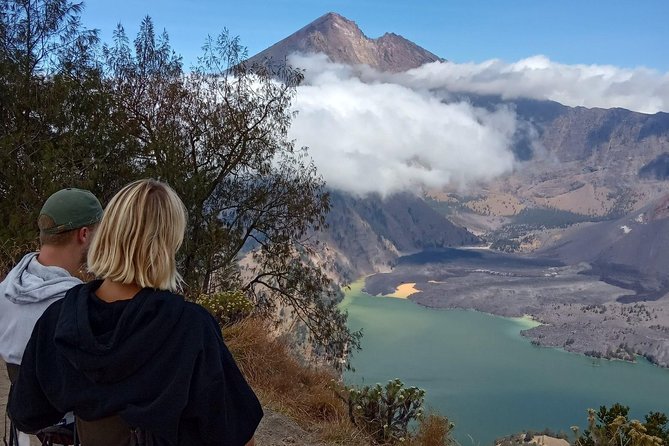
Mount Rinjani is one of those hikes where timing changes everything. If you’re on Lombok with a tight schedule, this tour’s whole idea is to supercharge your trek so you’re not stuck spending days dragging yourself up a volcano. You’re still hiking hard, but the days are organized to keep your energy aimed at the highest moments: the big views and the sunrise experience.
I also like that this isn’t a huge cattle-truck operation. With a maximum of 15 travelers, you’re more likely to get practical help when you need it, whether that’s pacing advice on steep sections or quick check-ins during breaks. Small groups make it easier to stay together, and staying together matters on a mountain where weather and trail conditions can change fast.
That said, the express element is not magic. It’s still a high-altitude climb on an active volcano, and this program is explicitly for experienced trekkers with good fitness. If you want slow and scenic with lots of cushion, you’ll probably feel rushed. If you want purposeful momentum and you train for hard walking, it’s a smart match.
You can also read our reviews of more tours and experiences in Lombok.


Getting oriented: Senaru to Sembalun, then onto the open-meadow start
Your meeting point is Dhyns Rinjani Hiking on Jalan senaru pawang karya, Senaru, Kec. Tj., Kabupaten Lombok Utara, Nusa Tenggara Bar. 83354, Indonesia. The tour ends back at the same meeting point, so plan to be able to return to Senaru on your own after the trek.
Day 1 starts with a wake-up around 6:00 and breakfast, then a drive to Sembalun at about 1,100m. You register at the Rinjani information center before the trail work begins. The trekking starts around 8:00, and you’ll begin with a gentle climb through open meadow. That first section is more than just a warm-up. It helps you find rhythm early, before the real altitude pressure kicks in.
One thing to keep in mind: pickup and drop-off are not included. The information says the meeting point is near public transportation, so you’ll likely need to plan your own way to and from Senaru. If you’re traveling independently on Lombok, this is manageable, but it’s worth not leaving it to the last minute.
Day 1 on the trail: Pos 1, Pos 2, Pos 3, then the crater rim camp
Day 1 is the backbone of the trip. You start around Sembalun Village (about 1,100m), then work through the route with scheduled post stops.
After roughly two hours of walking, you reach Pos 1 (1,300m). From there, it’s about 40 minutes to Pos 2 (1,500m). These posts matter because they break the day into chunks you can manage mentally. When you’re climbing, the hardest part is often feeling like the mountain never ends. Pos stops give you natural markers so you can count progress, not pain.
You then continue to Pos 3 (1,800m), where lunch and a rest are built into the itinerary. The lunch stop isn’t just for food. It’s also where you can steady your breathing, refuel, and reset your feet before the steep push.
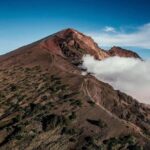
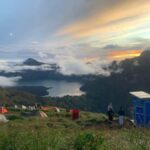
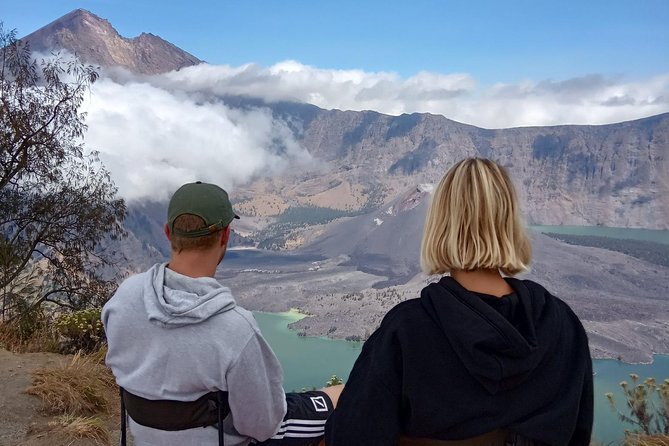
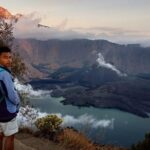
From Pos 3 to the Sembalun crater rim (2,639m) takes about three hours, including a prolonged steep climb. This is where you’ll feel the altitude and the slope most clearly. The upside is big: you camp on the crater rim and you can enjoy both sunset and sunrise from the campsite area. Watching the light shift at high elevation is one of those moments that makes the grind feel worth it.
Food and hydration are included on the trek, including 3 litre mineral water per person per day. That’s a real value point for a volcano hike, where dehydration can sneak up on you even when you don’t feel thirsty.
The sunrise viewpoint: how the express pacing shapes your Day 2
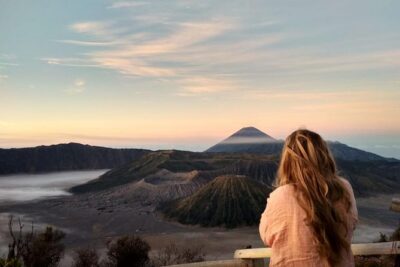
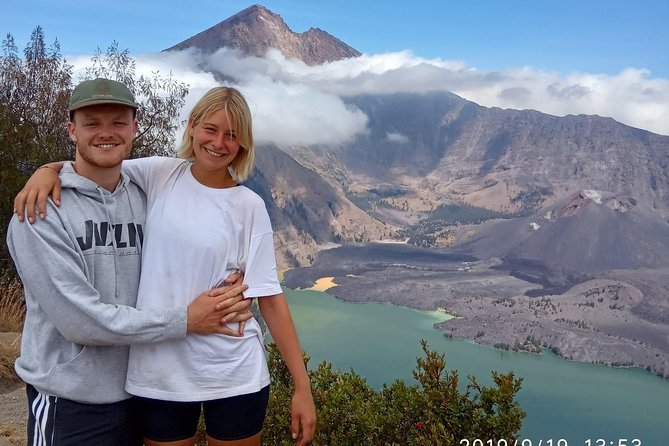
The tour is built around reaching a high sunrise viewpoint, listed in the name as 3726m. While the exact Day 2 timeline isn’t spelled out in detail here, the overall structure is clear: you use the first day to climb into position, then you wake up early for the sunrise-focused portion of the trek.
This is also where express trekking shows its practical side. A slower trek often means you spend more time on the same trails in the dark, or you reach viewpoints after the best light has passed. With an express schedule, you’re more likely to align your effort with the payoff: watching sunrise at the high point, not just stumbling toward it.
If you’re wondering what to expect emotionally, think of Day 2 as the “bring your best self” morning. You’ll want to be ready for cold temps at elevation, early start logistics, and steady walking over uneven ground. The guides and porters handle camp support, so you’re not dealing with heavy gear, but your body still has to do the climbing work.
The guide and porter setup: what you gain with a real team
This package is designed around teamwork on the mountain. You get a trekking guide and porters who carry the cooking gear and camping equipment. You also get an experienced English-speaking guide and professional porters, which is huge on a technical, time-sensitive trek. When you understand instructions quickly, you waste less energy second-guessing.
In the reviews tied to this operator, names like Karan and Lee show up as guides, and Nasi appears in connection with the team. I can’t say you’ll get the same person, but it’s a good sign that the company uses consistent leaders who keep morale up and handle the details.
The porters also reduce the “what do we do with our stuff” stress. Your tent, toilet tent and paper, sleeping bags, mattress, pillow, and chair are included. That means you’re not negotiating rentals or fighting with bulky equipment. You still carry what you personally need for the hike, but you avoid the heavy camp burden that can drain you before you even reach the crater rim.
What’s included: camp comfort you don’t have to rent
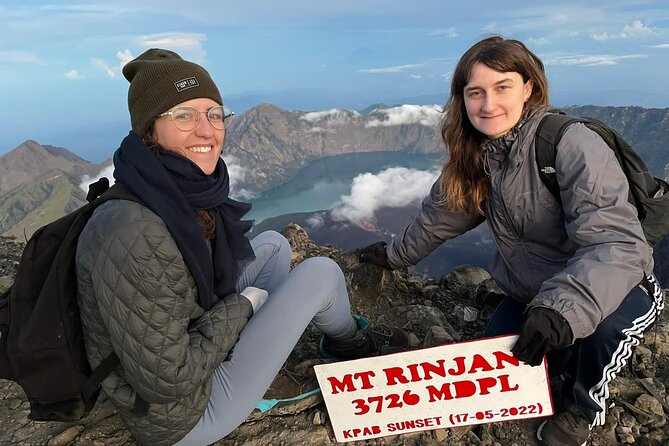
Here’s what the tour includes, which is where your value really lives.
On the trek, you get food and drinking water, plus the 3 litre mineral water per person per day. On camping nights, the basics are covered: tent, toilet tent and toilet paper, sleeping bags, mattress, pillow, and chair. That’s a lot of gear you’d otherwise have to rent or borrow.
There’s also luggage storage available at the Dhyns Rinjani Hiking office. This is especially handy if you’re staying in Senaru for a night and don’t want to haul everything to the trailhead. It also helps you travel lighter for the hike without feeling like you have to carry your whole life to a volcano camp.
What’s not included is also important. Admission fee to Mount Rinjani is listed as IDR520.00 per person. Pickup and transfer/drop-off aren’t included either, and hotel accommodation isn’t part of the package. Extra porter for personal luggage isn’t included, and tips for the guide and porters are not included.
Price and value: what $175 buys on Rinjani
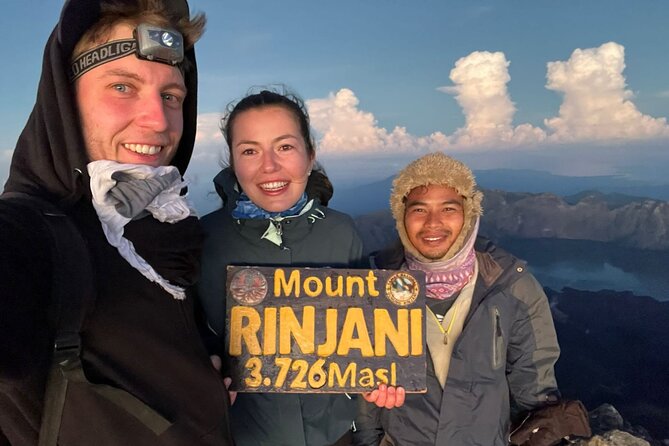
The price is $175.00 per person for a roughly 2-day trek package. On paper, that can sound like a lot if you compare it to DIY hikes. But on Rinjani, you’re not just paying for movement. You’re paying for safety structure, time-saving support, and camp logistics that are hard to replicate on your own.
For this price, you get:
- A guide (English speaking)
- Porters (carrying cooking gear and camping equipment)
- Trek food and 3 litre water per person per day
- Full camping gear support, including sleeping bag, mattress, tent, and even a toilet tent
If you’ve ever tried to assemble a mountain team last-minute, you already know the cost usually shows up somewhere. Sometimes it appears as expensive rentals. Sometimes it appears as hiring an extra porter because your own bag is too heavy. Here, the core camp and cooking kit is already handled.
There is a small extra fee for admission (IDR520.00 per person) and you may still want to budget for tips. But compared with the overall gear and manpower included, the structure feels like a fair deal—especially if you’re aiming for the express schedule.
One practical tip: the tour is commonly booked about 46 days in advance on average. For sunrise-focused treks, earlier planning is your friend.
Pace, fitness, and weather: the two things that decide everything
This program says it’s designed especially for experienced trekkers. That means you should come with a good level of fitness and several mountain climbs experiences. In other words, you should already know how your body handles steep switchbacks, altitude air, and long days on foot.
Even with porters carrying camp gear, the hike still asks a lot. Day 1 includes a long, steep climb to the 2,639m crater rim after reaching lunch at 1,800m. If you’re prone to getting discouraged on steep ascents, bring strategies. Short breaks, steady breathing, and consistent foot placement will help more than you think.
Weather is the other big factor. This experience requires good weather, and if it gets canceled due to poor conditions, you’ll be offered a different date or a full refund. Also, the tour requires a minimum number of travelers. If that minimum isn’t met, you’ll be offered another date/experience or a full refund.
Because this is a sunrise trek at high altitude, don’t treat your schedule like a guarantee. You can control your fitness and preparation, but the mountain controls the rest.
Should you book this Mount Rinjani 2D/1N express sunrise trek?
Book it if you match the profile: you’re fit, you’re experienced with steep hiking, and you want an express itinerary that focuses on reaching the sunrise experience efficiently. The small group size and the fact that porters handle camp and cooking gear make it feel well organized, and the crater rim camping with sunset and sunrise options is exactly the kind of high-elevation payoff you come to Rinjani for.
Skip it (or consider a gentler option) if you want a slow pace, you’re building your first trekking legs, or you don’t feel comfortable with long climbs at altitude. This route is not trying to be easy. It’s trying to be effective.
If you decide to go, plan for the basics: sturdy trekking shoes, a warm layer for high-elevation mornings, and a calm mindset for the steep sections. Then show up ready to move, because this tour rewards people who can keep a steady pace.
FAQ
How long is the Mount Rinjani 2-day summit trek?
The duration is listed as 2 days (approximately), with a full 2D/1N setup.
What is the meeting point for the tour?
The start meeting point is Dhyns Rinjani Hiking, Jalan senaru pawang karya, Senaru, Kec. Tj., Kabupaten Lombok Utara, Nusa Tenggara Bar. 83354, Indonesia.
How many people are in the group?
The maximum group size is 15 travelers.
What time does the trekking start on Day 1?
After breakfast and registration, the trekking starts around 8:00 am.
What gear is included for the overnight camp?
The package includes a tent, toilet tent and paper, sleeping bags, mattress, pillow, and chair.
How much water is provided during the trek?
Food and drinking water are included, with 3 litre mineral water per person per day.
What costs are not included in the tour price?
Mount Rinjani admission fee is listed as IDR520.00 per person. Pickup/transfer, hotel accommodation, extra porter for your own luggage, and tips for the guide and porters are also not included.