Rinjani starts before your alarm. This 3-day, 2-night trek takes you from Senaru up through grasslands to the crater rim, then down to Segara Anak and hot springs, and back again through jungle. I like how the plan is paced with clear food stops and major view moments built in, and I also like the practical setup: tent, toilet tent, sleeping gear, and unlimited drinking water are included. One drawback to weigh is the early start and altitude strain, especially on day 2 when you wake around 2:00 am for the summit push.
This trek is sold as the “most popular” Rinjani option, and you can feel why in the rhythm: sunset, then sunrise, then crater lake time, then one last long jungle descent. Expect an active route that can total close to 40 km across crater rims, hot springs, and forest trails, with a real workout factor every day. If you’re the type who gets grumpy at 2:00 am, or you’re not confident on steep uphill walking, pick another plan.
In This Review
- Key Points You’ll Care About
- The Real Shape of a Rinjani 3D2N Trek
- Day 1: Senaru to Sembalun Crater Rim (Sunset + Sunrise Setup)
- Day 2: Summit Before Dawn, Then Segara Anak + Hot Springs
- Day 3: Senaru Crater Rim Down Through Jungle (End on a Long Descent)
- How the Camp Setup Helps You Enjoy the Trek
- Price and Total Cost: What $250 Really Buys
- What the Elevations and Timing Mean for Your Body
- Weather Rules: The Part You Can’t Muscle Through
- Meeting Point and How to Think About Transportation
- Who This Trek Fits Best
- Should You Book Mount Rinjani 3D 2N Trekking with Jou Trekking?
- FAQ
- How long is the Mount Rinjani 3D 2N trek?
- What’s the main route and altitude range?
- What time does the trek start, and where is the meeting point?
- Is transportation included?
- What’s included in the trek package?
- Do I need to pay an entrance fee?
- What happens if the trek is cancelled due to bad weather?
Key Points You’ll Care About
- Day 2 begins in the dark: light breakfast around 2:00 am, then a summit hike for sunrise views.
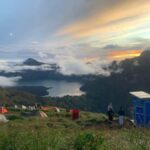
- Crater rim camping is the star: Sembalun rim for sunset and Plawangan Sembalun altitude nights, plus Senaru rim with views back toward Bali.
- Hot springs and Segara Anak are built in: you’ll reach the lake area (around 2,000 m) for lunch and time there.
- Camping comfort is included: you get a tent, mattress, pillow, sleeping bag, and even camping table and chairs.
- Water and support are handled: unlimited drinking water on trek, plus porters who carry cooking/camping gear.
- Your biggest variable is weather: the experience requires good conditions, with alternate dates or refund if it’s cancelled for poor weather.
The Real Shape of a Rinjani 3D2N Trek
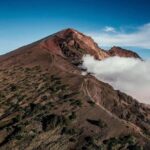
Mount Rinjani is a workout with payoff. The route climbs from Senaru (about 601 m) to crater rims around 2,639–2,641 m, then drops into the crater area near 2,000 m, and climbs back out again. That “up, down, up” is exactly what makes it challenging—and exactly why it feels like more than a hike.
What I like about this particular package is that it doesn’t pretend to be easy. It’s structured around sunrise and crater views, with meal breaks at set points, and it gives you equipment so you’re not hauling camping gear yourself. The flip side: day 2 is intense, and the 2:00 am wake-up is not optional if sunrise is on the agenda.
You can also read our reviews of more tours and experiences in Lombok.


Day 1: Senaru to Sembalun Crater Rim (Sunset + Sunrise Setup)
Day 1 starts with a short transfer from Senaru to Sembalun, roughly 45 minutes, then you begin walking around 8:00 am. You’ll work your way up in stages, with a lunch break at Pos 3 around 1,800 m. This is the day where your body learns the rhythm: steady climbs, breathing pace, and short resets before the steeper sections.
By mid-afternoon you push to Plawangan Sembalun at about 2,639 m for camp. Around 5:00 pm, you’re set for sunset, and the schedule gives you time to settle before the next day’s early summit hike. I like this flow because you get the big emotional reward right away: rim air, wide views, and that “we’re really here” feeling.
Day 2: Summit Before Dawn, Then Segara Anak + Hot Springs
Day 2 is the day that separates casual walkers from confident hikers. You’ll have a light breakfast at 2:00 am, then start the summit hike at around 3:00 am. The timing matters: you’re walking in the dark so sunrise isn’t just a maybe—it’s the point.
You reach the summit and enjoy the spectacular views around 6:00 am, then you return to the campsite for breakfast. Later, you descend toward Segara Anak Lake at about 2,000 m, arriving around 9:00 am. Lunch is by the lake at roughly 1:00 pm, and the hot spring visit is part of this crater section (the route explicitly calls it out).
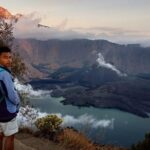
After that lake time, you start moving again toward Senaru crater rim around 2:30 pm. The walk back up takes about 3 hours, and you camp at the Senaru rim around 5:00 pm. This is where the scenery keeps unfolding: you’ll have views across the lake back toward the summit, and you can see Mount Agung in Bali in the distance. One more bonus in the plan is that you’re camping on the Senaru side, so day 2 ends with sunset viewing rather than just “survive the descent.”
Day 3: Senaru Crater Rim Down Through Jungle (End on a Long Descent)
On the final day, you’re out of the early-night rhythm. You’ll be at Senaru crater rim around 8:00 am after breakfast, then begin descending toward Senaru village (back around 601 m). The schedule gives you a lunch break around 1:00 pm during the descent.
You’ll arrive in Senaru village around 3:00 pm, then prepare your luggage and finish the trek. I like that the end is timed so you’re not crawling through the last half-hour in the dark. The descent still matters though: even when it’s the “final” day, jungle trail walking can be tiring on tired legs and knees.
How the Camp Setup Helps You Enjoy the Trek
This is where the “guided trek” part becomes real, not just a slogan. The package includes luggage storage at the Jou Trekking office, and porters carry the cooking gear and camping items. That means you’re carrying your own essentials instead of playing pack-mule for a full camp.
Camping gear is included: tent, toilet tent and paper, sleeping bags, mattresses, and a pillow. Even the small details show up—there’s a camping table and chairs—so you’re not just collapsing into sleeping bags the moment you arrive. Add in unlimited drinking water on trek, and you remove two common stress points: dehydration anxiety and scrambling for basic camp supplies.
Guide quality is the other big variable, and it’s something people notice quickly. Names that have come up include guides such as Anton and Rahmat, and you may also see Alek credited on some departures. The important practical takeaway for you: this kind of route lives or dies on pacing, communication, and how well the team keeps you moving safely.
Price and Total Cost: What $250 Really Buys
The listed price is $250.00 per person. That’s a reasonable starting point because it covers guide and porter support plus the camping setup and water. But the trek also has costs that are not included, and you should budget for them up front.
Entrance fees are IDR 750,000 per person and are not included in the $250. Transportation before and after the trek is also not included, which matters since the trek meeting point is in Senaru and the schedule starts at 7:00 am. If you’re comparing prices, this is where “cheap trek” offers can turn expensive once you add entrance fees and get your rides sorted.
Another value angle: this is private, meaning only your group participates. In practice, that can help with pacing and attention, especially on a demanding route where you’ll appreciate steady guidance. One thing I like here is that private doesn’t mean you’ll skip effort—it just means your support is less diluted.
What the Elevations and Timing Mean for Your Body
This route is essentially three big vertical acts: climb to the Sembalun rim, climb again into sunrise summit time, then descend to the crater lake/hot spring area and climb back out. Even if you’re fit, day 2’s early start changes everything. Waking around 2:00 am, hiking for hours before sunrise, then continuing down to lake lunch and climbing again to Senaru rim is a lot to ask.
One practical way to prepare is to treat it like a three-day endurance event, not a “one big hike” weekend. Your legs do most of the work, but your breathing and mental focus matter more than you’d expect at altitude. Your best strategy is to keep a steady pace even when you feel behind, because the schedule is built around walking blocks rather than frequent long rests.
Weather Rules: The Part You Can’t Muscle Through
Rinjani is weather-dependent, and this trek explicitly requires good conditions. If the experience is cancelled due to poor weather, you’ll be offered a different date or a full refund. That’s the good news.
The other rule to understand is that cancellations you make yourself are non-refundable and can’t be changed for any reason. So if you’re deciding between dates, pick the one you can commit to—and make sure your insurance and plans can handle an alternate date if conditions shift.
Meeting Point and How to Think About Transportation
The meeting point is at Jou Trekking Rinjani, Jl. Pariwisata, Senaru. The start time is 7:00 am, and it says you’ll be near public transportation, which is helpful if you’re building your own Lombok itinerary. What’s not included is pickup and transfers before and after the trek, so you’ll want to arrange those separately around the 7:00 am start and the end back at the meeting point.
This matters because mountain days punish late arrivals. If you’re slow getting from your lodging to Senaru in the morning, you’ll feel it immediately once the climb starts. Build a buffer for morning travel, and don’t assume everything will line up perfectly on your first try.
Who This Trek Fits Best
This is for people with strong fitness and comfort with steep hiking and early wake-ups. If you’re used to multi-hour uphill days and you can keep a steady pace in the dark, you’ll likely handle it better than you think. If you’re more of a “short scenic walks” person, the 2:00 am to sunrise summit structure may feel overwhelming.
I also think this trek suits hikers who care about having their logistics handled: porters for camp setup, gear provided, and water managed. And because it’s private for your group, it can be a good pick if you want a less crowded feel while you work through a tough route.
Should You Book Mount Rinjani 3D 2N Trekking with Jou Trekking?
Book it if you want the classic Rinjani arc: crater rim views, an early summit for sunrise, and real time at Segara Anak and hot springs—without having to carry heavy camping gear yourself. The included camping equipment, unlimited water, and porter support make this package more comfortable and more realistic for most hikers.
Don’t book yet if you’re doubtful about your ability on day 2. The early start is a big deal, and this itinerary asks you to do summit hiking and then keep going to lake lunch and another rim climb. Also confirm your total budget: $250 is not the full cost once you add IDR 750,000 entrance fees and your own transport to and from Senaru.
If you do book, I’d suggest you ask your team a simple question before you go: how will the guide plan pacing for your group’s pace? On a trek like this, that small detail can turn a hard day into a manageable one.
FAQ
How long is the Mount Rinjani 3D 2N trek?
It’s scheduled as 3 days (about 3 days total) and includes 2 nights camping on the crater rim areas.
What’s the main route and altitude range?
You start from Senaru village (about 601 m), walk up to Sembalun crater rim (around 2,639 m), then descend toward Segara Anak and hot springs (around 2,000 m), and later camp again on the Senaru crater rim (around 2,641 m) before descending back to Senaru village.
What time does the trek start, and where is the meeting point?
The meeting point is Jou Trekking Rinjani in Senaru, and the trek starts at 7:00 am.
Is transportation included?
No. Pickup before and transfers after the trek are not included.
What’s included in the trek package?
Included are a trekking guide and porters, luggage storage at the Jou Trekking office, unlimited drinking water, camping gear (tent, toilet tent and paper, sleeping bags, mattress, pillow), and camping table and chairs.
Do I need to pay an entrance fee?
Yes. The entrance fee is IDR 750,000 per person and is not included.
What happens if the trek is cancelled due to bad weather?
This experience requires good weather. If it’s cancelled because of poor weather, you’ll be offered a different date or a full refund.