Mt. Rinjani is one of those hikes that gets in your head. This 3-day, 2-night Sembalun-to-Senaru trek mixes a volcano summit push with lake time and hot springs, plus an early Senaru nature stop. I love how the package runs with a full team and a clear plan, so you’re not guessing your way up a live volcano.
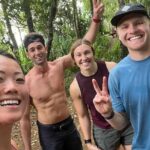
My favorite part is the people. Guides like Edi, Mul, and Dani get singled out for staying on top of details, watching your safety, and (yes) taking photos as you go so you don’t spend the whole climb behind a screen. On top of that, the package covers a lot of the annoying logistics: local guide, camping gear, national park fees, bottled water, and meals.
One consideration: you still need to be ready for physical effort and conditions that can turn damp and foggy. Also, key hiking basics aren’t included, like head lamp and trekking shoes, plus long pants and a trekking jacket. If you show up unprepared, the trek will feel harder than it needs to.
In This Review
- Key Highlights You’ll Care About
- Mt. Rinjani Sembalun to Senaru: what you’re really signing up for
- Day 1: briefing time plus Senaru’s Sindang Gile and Tiu Kelep waterfalls
- Day 2: the first big hiking day toward crater terrain and camping
- Day 3: summit push, lake time, and the long climb back toward Senaru rim
- Day 4: walk down to Senaru village and finish the trek
- Hot springs, coffee/tea breaks, and why the camp setup matters
- Price and logistics: what you’re paying for (and what you should budget separately)
- Transfers and the Gili Island bonus: tying up the end of your trip
- Fitness, weather, and staying sane on Rinjani
- Who should book this trek, and who should pause?
- Should you book? My honest take for Sembalun-to-Senaru hikers
- FAQ
- What time does the trek start?
- How long is the Mt. Rinjani trek from Sembalun to Senaru?
- Is this tour private or shared?
- What’s included in the meals and drinks?
- Do you provide camping gear and a guide?
- What important items are not included that I should bring?
- Is vegetarian food or a Gili Island transfer included?
Key Highlights You’ll Care About
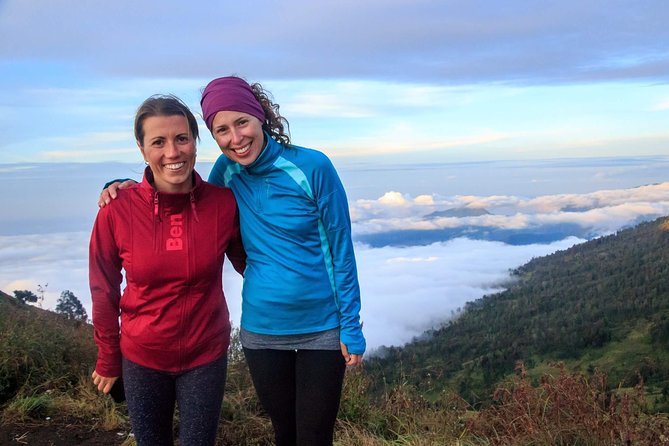
- From Sembalun to Senaru crater rim with a real summit push and structured camping nights
- Summit, lake, and hot springs built into the trekking flow (not just a quick viewpoint)
- Photo-friendly guiding so you can actually enjoy the views, not just film them
- A package that covers the hard costs like park fees, guide time, camping gear, and meals
- Waterfall time near Senaru at Sindang Gile and Tiu Kelep to break up the intensity
- Bonus boat transfer to Gili Island after the trek, so your trip keeps moving
Mt. Rinjani Sembalun to Senaru: what you’re really signing up for
This is a classic Rinjani route with a big payoff: you start around Sembalun, climb up into crater terrain, chase the summit, and then work your way back toward Senaru. The experience is built around stamina—steep stretches, altitude strain, and long days—so treat it like a fitness challenge with scenery as the reward.
What makes this plan especially appealing is how much is handled for you. You’re not just buying a guide and hoping the rest falls into place. The package includes camping gear, park and local fees, bottled water, and meals across the trek days, which matters because Rinjani treks can get expensive fast when you add every “small” extra at the last minute.
It also helps that it’s private. Only your group participates, which usually means you can expect pacing that’s more aligned to your group’s ability rather than being stretched by mixed skill levels.
You can also read our reviews of more tours and experiences in Lombok.
Day 1: briefing time plus Senaru’s Sindang Gile and Tiu Kelep waterfalls
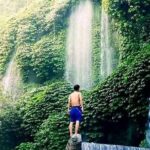
Your day starts with briefing time and then a scenic stop in Senaru featuring Sindang Gile and Tiu Kelep waterfalls. You get about two hours here, which is a smart move before you start stacking serious climbing hours. Even if your legs feel fresh, waterfalls are a good reset: cooler air, easy-to-enjoy views, and a chance to breathe before the trek engine turns on.
This section is also a practical warm-up. You can use the time to get your footing, confirm your gear is ready, and mentally shift from travel mode to hike mode. If you’ve never done a multi-day trek before, that first taste matters.
A small heads-up: waterfall time can still involve uneven ground and walking. Wear something grippy, not just what looks good for photos.
Day 2: the first big hiking day toward crater terrain and camping
Day 2 is your first true hiking day. You’ll work through the transition from Sembalun-side terrain up into the crater rim area, with the itinerary built to get you in position for the summit effort later.
This is the kind of day where guides earn their keep. With guides such as Dani, Mul, and Edi mentioned in the feedback, the common theme is attention to your pace and safety. One key detail: your guide is also there to manage the flow of the day, including small moments like adjusting support if someone is struggling.
What I like about a trek structured this way is that it avoids the “start-to-summit-to-finish” chaos that can burn you out. You’re building momentum day by day, then spending the next day doing the heavier work—so the summit is earned, not forced.
Expect the day to feel long and physical. Even if you’re in decent shape, the altitude and sustained climbing tend to slow your rhythm.
Day 3: summit push, lake time, and the long climb back toward Senaru rim
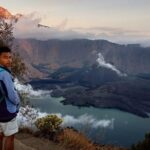
Day 3 is the dramatic one. You hike up to the summit, then go down toward the lake, and later make your way back up again toward the Senaru crater rim area.
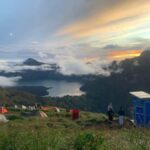
This day is why Rinjani becomes a memory you keep. The summit effort tests you, and the lake portion gives you that payoff feeling—water below, big crater views, and a sense that your legs finally understand what your brain asked for.
The other thing I appreciate here is that the trek includes time around the lake and hot springs. Hot springs can feel like a weird line item until you’re actually tired and stiff. Then they become a practical recovery tool, not just a nice extra.
Also, guides taking photos as you go sounds small until you’re exhausted and don’t want to spend every break crouching to frame a shot. It’s a real quality-of-life benefit on summit days, when you’ll want to conserve energy and keep moving.
Day 4: walk down to Senaru village and finish the trek
After your crater-rim camping night, you walk down to Senaru village to finish the trek. Ending in Senaru makes the overall route feel complete: you climbed out of the volcano approach, did the crater/lake circuit, and then returned to town rather than cutting straight out.
This is also the day where you’ll likely feel the difference between tough and doable. Your body knows you’re close to the finish line, even if your knees are giving you a firm opinion.
Hot springs, coffee/tea breaks, and why the camp setup matters
Some treks advertise the big sights and leave you to deal with the rest. This one tries to reduce friction by including bottled water, snacks, and coffee and/or tea. That matters more than it sounds. On volcano days, small warm drinks and regular snack timing can keep morale steady when your pace drops.
Camping gear is also included. That’s a big value point because camping on Rinjani isn’t just sleeping outside—it’s part of staying functional. When your gear is provided, you spend less time juggling equipment and more time focusing on breathing, hydration, and safe steps.
And yes, hot springs are part of the overall experience. The route description includes time to enjoy them, which is the kind of recovery perk that helps you feel human again after the summit day.
Price and logistics: what you’re paying for (and what you should budget separately)
The price is $389.57 per person, and the booking pattern averages around 20 days in advance. For a 3D2N Rinjani trek that includes national park fees, local taxes, guide support, camping gear, meals, and transfers, this is not just “paying for a hike.” You’re paying for the stuff that can otherwise add up quickly.
Here’s what’s included:
- Hotel/port pickup and drop-off
- Local guide
- Local taxes and national park fees
- Overnight accommodation
- Bottled water
- Coffee and/or tea, plus snacks
- Meals: breakfast (3), lunch (3), dinner (2)
- Camping gear
- Transfers from Lombok to Senaru on day 0, and back to Lombok on day 3
And here’s what’s not included, which is where you need to plan ahead:
- Head lamp/hand torch
- Trekking jacket, trekking shoes
- Long pants/trousers
- Small backpack/daily pack
- Tips for guide and porters
- Extra porter for your own luggage (if you want that)
- Airplane ticket
The practical lesson: if you’re trying to keep costs controlled, don’t forget the footwear and torch. Those two items alone can turn a tough day into an unsafe one if you’re improvising.
Transfers and the Gili Island bonus: tying up the end of your trip
Your package includes transfers from Lombok to Senaru on day 0, then a return transfer to your next Lombok destination after the trek on day 3. That reduces the stress of stitching the trek onto the rest of your Lombok schedule.
Then there’s a free bonus boat transfer to Gili Island after the trek. That’s a genuinely useful add-on because it keeps you from having to rush paperwork and transportation while you’re tired and still bouncing around from altitude and days on foot.
If your goal is to hike Rinjani and then relax by the sea, this “move-on” plan is a nice way to keep momentum.
Fitness, weather, and staying sane on Rinjani
Rinjani is not a flat walk. Your route includes a summit push, crater terrain, and multiple climbs back up after descents. Even very fit people slow down on summit days because the combination of altitude and sustained effort wears you down.
The good news is that the guide team is part of the safety net. Dani and Mul are mentioned for taking care of people, staying friendly and professional, and adjusting support when needed. Edi, Rus, and Zul show up in feedback for doing a great job looking after needs during the camp and along the way.
Weather is another real factor. One important note from the feedback: heavy fog and rain can happen, and your guide’s job is to keep you moving with safety in mind. Pack for damp conditions even if the forecast looks fine today—at least bring a rain-ready layer in your own kit since a trekking jacket isn’t included.
If you’re deciding whether you’re ready, be honest: if you can do a long, steep climb at home without stopping, you’ll likely handle this better than someone who only hikes casually.
Who should book this trek, and who should pause?
This trek is a strong match if you:
- Want a structured 3 days / 2 nights volcano experience with camping and meals handled
- Care about having a guide who pays attention to safety and details
- Like the idea of summit + lake + hot springs in one continuous plan
- Appreciate extra support like photo-taking and a guided pace
You might want to think twice (or at least plan carefully) if:
- You don’t want to invest in proper footwear and head torch
- You struggle with long days and steep elevation changes
- You’re sensitive to altitude and long climbs without frequent breaks
This is also a private tour/activity, meaning only your group participates, which can be ideal if you like a controlled experience.
Should you book? My honest take for Sembalun-to-Senaru hikers
I’d book this style of Rinjani trek if you want the real deal: structured camping, meals and drinks covered, fees handled, and a guide team that’s known for safety and support. The value is strongest when you compare what you’d otherwise pay and arrange yourself—especially camping gear, park fees, and multi-day meal logistics.
I’d hesitate only if you show up under-packed. The trek expects you to bring key gear like shoes, long pants, a trekking jacket, and a head lamp. If you’re relying on impulse buying after arrival, you’ll feel it during the hardest parts.
If you want Rinjani to feel like an adventure you can actually manage—without turning it into a gear-management project—this plan is a solid choice.
FAQ
What time does the trek start?
The start time is 8:00 am.
How long is the Mt. Rinjani trek from Sembalun to Senaru?
It’s a 3-day, 2-night trekking experience, with the overall schedule running about 4 days including transfers.
Is this tour private or shared?
It’s private. Only your group will participate.
What’s included in the meals and drinks?
You get bottled water plus snacks, coffee and/or tea, and meals including breakfast (3), lunch (3), and dinner (2).
Do you provide camping gear and a guide?
Yes. The package includes a local guide, camping gear, overnight accommodation, and the necessary fees.
What important items are not included that I should bring?
Head lamp/hand torch, long pants/trousers, a small backpack/daily pack, trekking jacket, and trekking shoes are not included. Tips for guide and porters are also not included.
Is vegetarian food or a Gili Island transfer included?
Vegetarian options are available if you request them at booking. There’s also a free bonus boat transfer to Gili Island after the trek.