Sea turtles, up close, with a mission. This tour is interesting because you get a glass-bottom look at Bali’s underwater life on the way, then shift to a real conservation visit where you learn what it takes to keep turtles safe.
What I love most is the mix: an easy boat ride (with fish and coral viewing) plus a community-run center focused on practical, ongoing protection work.
The second big highlight is the option for baby turtle release (when available), where you can participate in a meaningful act rather than just watch from a distance. My one caution: the release isn’t guaranteed every time, so go with a flexible mindset if the hatchlings are temporarily unavailable.
In This Review
- Key points worth knowing
- Where turtle conservation meets real Bali sea-life
- Boat Trip vs Car Trip: pick the day you actually want
- Speedboat time and the glass-bottom coral stop
- Serangan Island visit: what the center actually does
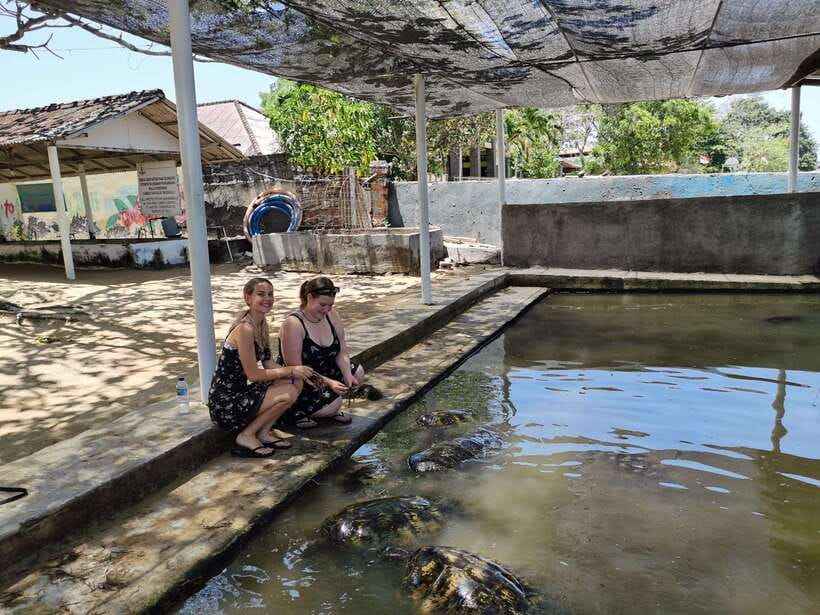
- Meeting the turtles and other animals up close
- The release turtle moment: what happens when hatchlings are available
- Price and value: is $18 worth it?
- Timing, stops, and what the 1.5–2 hours feels like
- Practical tips for a better visit (and a kinder ocean)
- Who should book this tour
- Should you book the Release Turtle tour?
- FAQ
- Do I have to choose the boat trip, or can I go by car?
- How long is the Turtle Conservation Center tour?
- Is the baby turtle release included in the price?
- What’s included in the tour price?
- Where does the tour drop you off afterward?
- Are pets allowed on this tour?
Key points worth knowing
- Two transport options: speedboat with glass-bottom coral viewing, or a simpler car trip to the Serangan area
- Community-run turtle work: a center that focuses on ending the turtle trade and supporting conservation
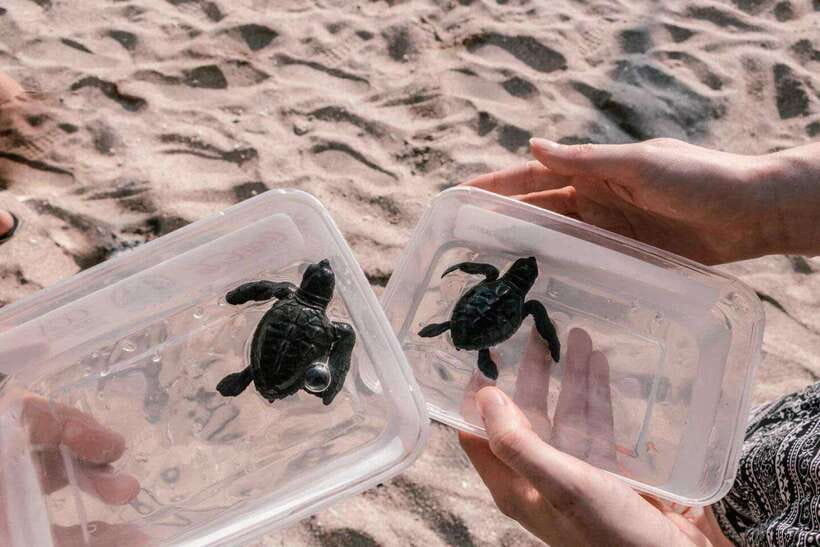
- Hands-on meaning: you may have the chance to adopt and release a baby turtle (additional cost, if available)
- More than turtles: you can also see wildlife like bats, iguanas, parrots, and other birds
- A memorable guide-to-wildlife moment: you might even meet the eagle owl named Johny during your visit
- Biodegradable sunscreen and respect matter: they’re clear about protecting marine life and handling wildlife responsibly
Where turtle conservation meets real Bali sea-life
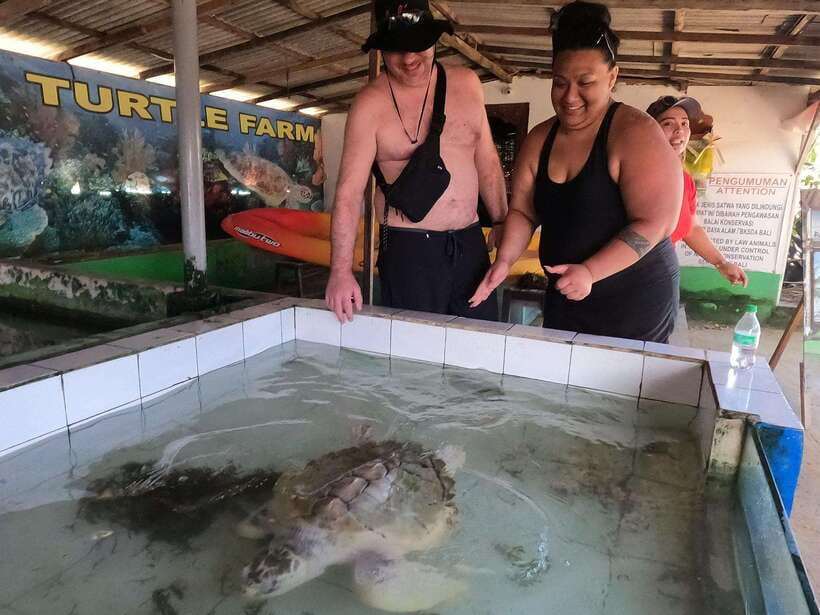
Tanjung Benoa’s turtle conservation work is one of those experiences where the setting feels laid-back, but the mission isn’t. You’re not just touring an attraction—you’re stepping into a place trying to stop real harm to sea turtles, then helping protect what’s left.
I like that the center’s approach is explained in plain terms: they talk about ending the turtle trade and discouraging consumption of turtle products, whether for religious use or any other reason. That framing helps you understand why the place exists and why your visit matters beyond photos.
And yes, turtles are the star. But the experience is also about connecting local wildlife with everyday choices. Even if you only have a short window in Bali, this is a solid way to spend it.
You can also read our reviews of more tours and experiences in Jakarta.


Boat Trip vs Car Trip: pick the day you actually want
You get two ways to get to the turtle areas, and that choice changes the mood of the day.
Boat Trip (from Tanjung Benoa)
This option adds a speedboat ride and a glass-bottom boat stop. It’s a great match if you want a little variety between the beach start and the conservation visit, and you don’t want to do snorkeling to see fish and coral.
Car Trip (Serangan area)
This is the more straightforward option. If you’re tired of transport logistics, want a calmer pace, or you’d rather save energy for the center visit, the car transfer works well.
Either way, the tour is designed to keep things efficient. Expect the whole experience to land around 1.5 to 2 hours, with start times depending on availability.
Speedboat time and the glass-bottom coral stop
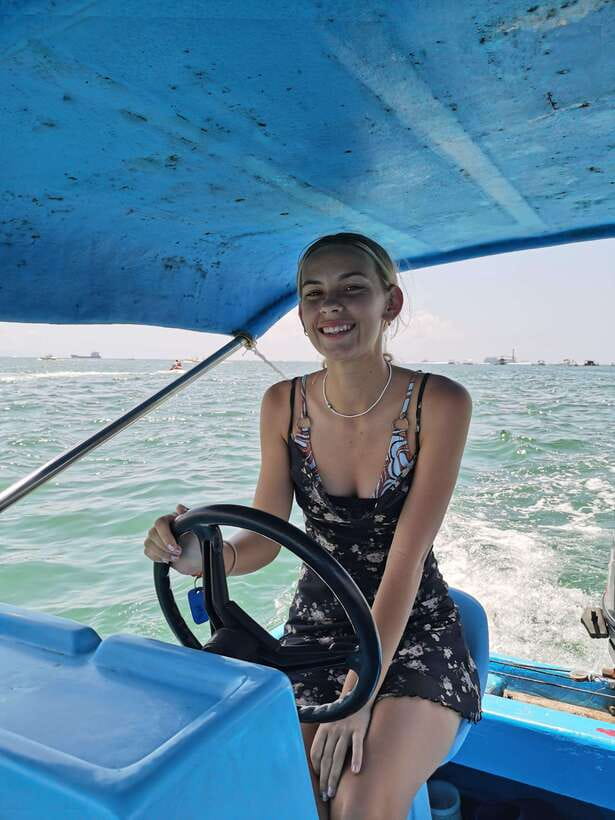
If you choose the boat trip, you’ll spend about 45 minutes traveling by speedboat. The best part here isn’t speed—it’s the glass-bottom viewing experience tied to the underwater world of Bali.
At the coral area, you’ll pause long enough to look down through the glass-bottom setup and spot fish and coral. This is the kind of viewing that’s accessible. You get a window into the marine environment without needing water gear or a long, complicated day plan.
One practical note: bring the right kind of sunscreen. They specifically ask for biodegradable sunscreen, not the usual stuff that can be harsher on marine environments. It’s a small change that fits the conservation vibe.
Serangan Island visit: what the center actually does
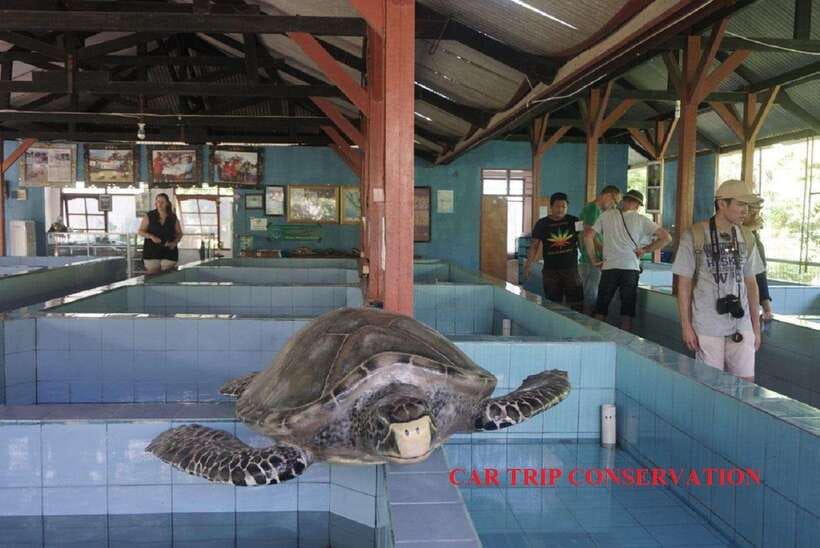
Once you arrive at the conservation area, you’ll shift from scenery to education. You’ll get a guided tour (about 30 minutes) that explains why the center exists and how it works.
Here’s what stands out about the center’s approach, in the words and structure of how they operate:
- They focus on ending the turtle trade by discouraging the public from consuming turtle products.
- They support turtle use for rituals in a controlled way, including providing turtles without killing, and by monitoring turtle size and number.
- They act as a watchdog for turtle trade in Serangan specifically and Bali more broadly.
- They protect turtles directly by hosting injured animals, collecting nests from tourist beaches, and buying eggs from locals to prevent them from being consumed.
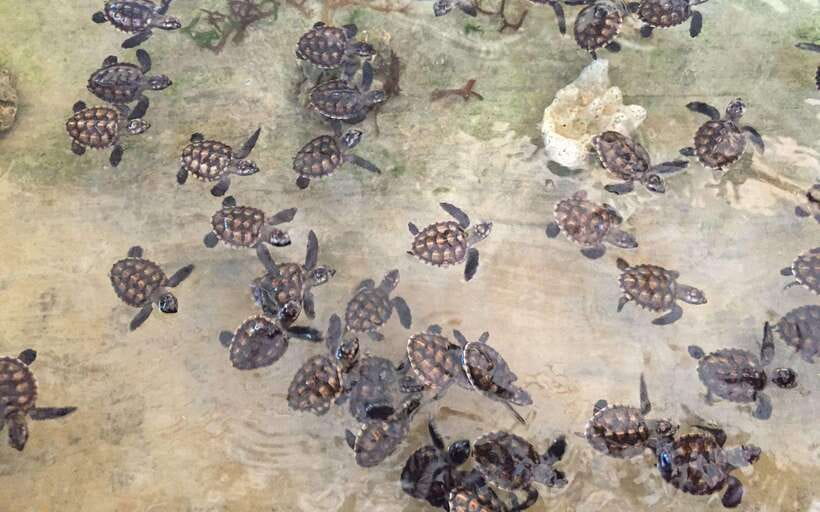
- Eggs are bred at the center, hatchlings are raised for about one month, then released into freedom.
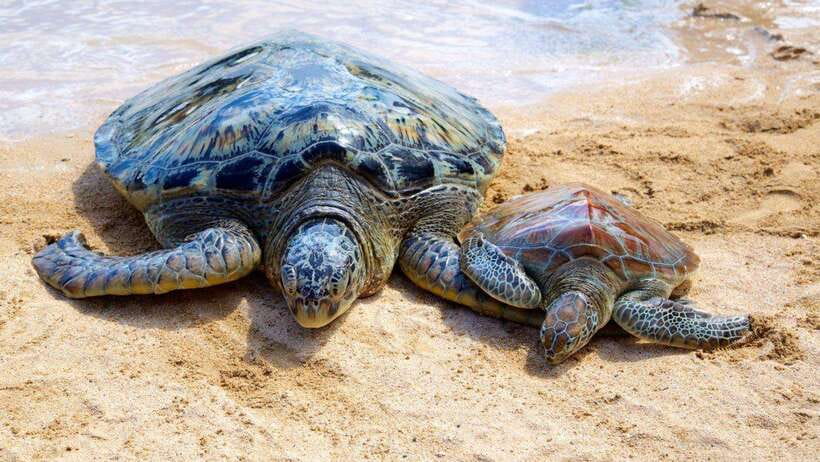
- They keep and raise three sea turtle species out of the seven sea turtle species total.
That’s a lot of responsibility for a visitor experience, and you can feel it once you’re there. It’s not just about seeing turtles behind barriers. It’s about the systems they use to prevent harm.
If you care about wildlife, this portion is the heart of the trip. You’ll come away understanding that conservation is operations: rescue, controlled use, breeding and raising, and releasing.
Meeting the turtles and other animals up close
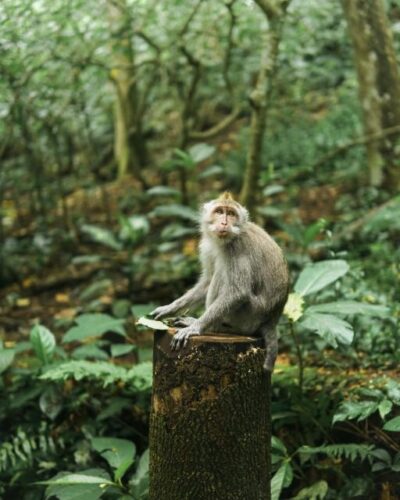
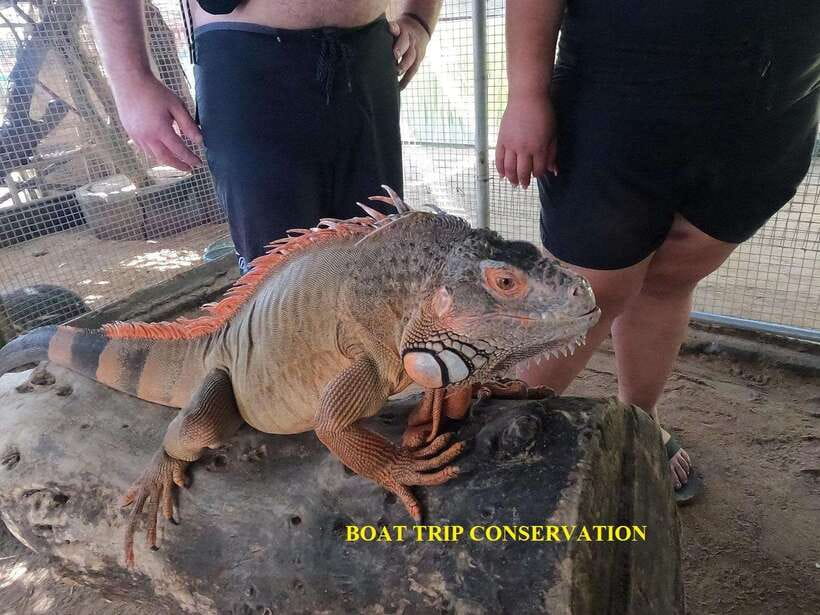
Turtles aren’t the only attraction. The center also hosts other tropical wildlife you can see during your visit, including bats, iguanas, parrots, and other birds.
This matters because it changes the experience from single-subject sightseeing to a broader wildlife setting. It also gives you a better chance to notice how the conservation effort fits into the local ecosystem.
The animal encounters feel organized rather than chaotic. The center is set up for learning, and guides will point out what you’re seeing and why it matters.
In one of the most memorable moments, many visitors highlight the eagle owl named Johny. If Johny is on-site during your visit, it can be one of those unexpected Bali surprises that makes the day feel personal.






The release turtle moment: what happens when hatchlings are available
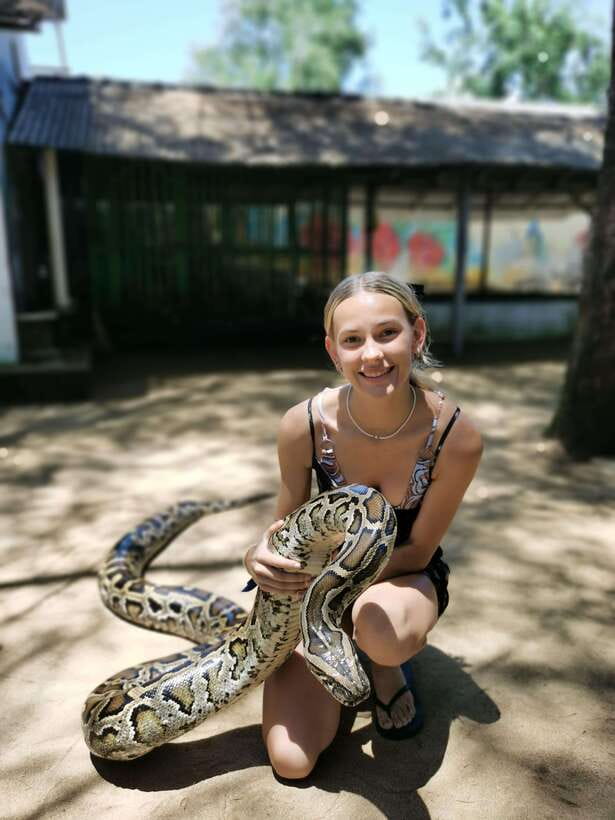
The big participation feature is the chance to release a baby turtle back into the ocean, if available. There’s also an additional cost for this option, and you receive a certificate to mark the moment.
I love the logic here: it turns your ticket into action. You’re not paying just for admission—you’re helping support a center activity tied to raising hatchlings and releasing them responsibly.
Still, keep expectations grounded. The release depends on what’s available that day. The best way to handle that is simple: treat it as a bonus if it’s offered during your visit, not the guaranteed payoff.
When releases do happen, the emotion level tends to be higher than regular animal viewing. Even if you’re not a sentimental person, seeing the hatchlings involved in a planned release feels different from watching wildlife in the wild from a distance.
Price and value: is $18 worth it?
At $18 per person, this tour is priced like an activity that tries to stay accessible while still supporting a conservation mission. For that price, you get a structured visit to the turtle conservation area, plus the transport component—either by boat or by car.
What you should expect value-wise:
- The included visit to the conservation center is the core.
- If you pick the boat trip, the glass-bottom coral/fish viewing is a real add-on you’re not likely to get elsewhere without extra gear or time.
- The turtle release is not automatically included, since it’s only offered when hatchlings are available and carries an extra cost.
So the “value equation” depends on what you want most:
- If you want turtles plus a simple, meaningful conservation stop, the base price works.
- If the release is your top goal, budget extra and keep flexibility for availability.
Either way, you’re paying for education and for a center doing ongoing work—not just a quick photo stop.
Timing, stops, and what the 1.5–2 hours feels like
This is a short-tour format, and that’s part of the appeal. You don’t lose half your day to travel.
The pace generally looks like this:
- You start at a pickup point depending on your chosen option.
- You travel to the turtle area (by speedboat for the boat trip or by car for the car trip).
- You spend time at Serangan Island for the guided center visit.
- Then you get dropped off at one of several drop-off locations.
If you’ve booked pickup, plan to be ready early. They ask you to wait in the hotel lobby or at the meeting point 15 minutes before your scheduled pickup time. Also, drivers only wait for an additional 15 minutes beyond the scheduled time—after that, you’ll need your own transport to reach the start.
On drop-off, you may return to big landmarks like Mal Bali Galeria, Nirmala Supermarket Ungasan, Bali Collection, The Trans Resort Bali, Lippo Plaza, KFC, McDonald’s, and KFC Tragia Nusa Dua. That makes it easier to keep the rest of your day on track.
Practical tips for a better visit (and a kinder ocean)
A few things will make your experience smoother and more aligned with the conservation goal.
Bring biodegradable sunscreen
They specifically call this out. It’s a small cost that helps reduce impact on the marine environment.
Wear comfortable clothes
You’ll be outdoors, and the boat option includes time on and around water. Dress for sun, warmth, and getting a bit damp if you’re out on deck.
Plan around the wildlife rules
They ask you to respect local wildlife and follow guide instructions. That’s not just for etiquette—it helps keep animals calm and reduces stress during handling or viewing moments.
No pets
Pets aren’t allowed, so leave them at your accommodation.
Use WhatsApp for last-mile details
The staff sends address details through WhatsApp. Make sure you have a connection so you can find the exact meeting point without last-minute stress.
Who should book this tour
This is a good match if:
- You want a short, meaningful Bali activity that doesn’t require a full day commitment
- You’re interested in turtles and want more than a basic look at animals
- You like wildlife education with real-world conservation practices behind it
- You want an option that includes underwater viewing via glass-bottom (boat trip)
It might be less of a fit if:
- You have mobility impairments, since it’s listed as not suitable for people with mobility impairments
- You’re traveling with pets
If you’re traveling with kids, the wildlife variety (bats, iguanas, parrots) can keep attention longer than a turtle-only visit. And if you’re a bird-lover, the chance of seeing Johny the eagle owl can be a real bonus.
Should you book the Release Turtle tour?
I’d book it if you want a compact Bali outing that mixes underwater viewing (with the boat option) and a conservation-focused center visit. The baby turtle release possibility is the emotional highlight, and even when it’s not available, the work they do—rescue, raising hatchlings, and controlled protection—still makes the visit feel worthwhile.
If your heart is set on releasing a turtle, plan to treat it as conditional. Choose the tour for the center and the wildlife experience first, and then see whether the hatchlings are available for the release add-on.
If that sounds like your kind of travel—purpose with a side of animal surprises—this is a strong bet for a short window in Bali.
FAQ
Do I have to choose the boat trip, or can I go by car?
You can choose either. The boat trip includes a speedboat ride and a glass-bottom boat viewing stop, while the car trip goes directly to the Serangan area for the center visit.
How long is the Turtle Conservation Center tour?
It runs about 1.5 to 2 hours. Exact start times depend on availability.
Is the baby turtle release included in the price?
No. The option to release a baby turtle is only available if hatchlings are available, and it has an additional cost.
What’s included in the tour price?
You get transport to the turtle area (boat trip or car trip), a visit to the turtle conservation area, and glass-bottom viewing of coral and fish if you choose the boat trip. Hotel pickup and drop-off are included only if you choose pickup.
Where does the tour drop you off afterward?
You return to your meeting point area, with drop-off possible at multiple locations such as Mal Bali Galeria, Nirmala Supermarket Ungasan, Bali Collection, The Trans Resort Bali, Lippo Plaza, and some KFC and McDonald’s locations mentioned in the tour route.
Are pets allowed on this tour?
No, pets are not allowed.