Jakarta gets loud, hot, and crowded. That is exactly why this 5-hour city loop works: you get the big landmarks and the backstory without trying to wrestle the traffic on your own. I like that the route links old trade-town Jakarta to Indonesia’s independence era, all with a live English guide who can explain what you’re looking at.
Two things I especially like. First, the mix is smart: Kota Tua (Old Batavia) plus Sunda Kelapa gives you Jakarta’s commercial origins, not just monuments. Second, the religious landmarks are placed close together, so you can compare different architectural styles in one morning, including the Istiqlal Mosque and the Jakarta Cathedral.
One consideration: Jakarta traffic can slow the day, so you’ll want comfortable shoes and patience. The route is walk-and-ride, but the city’s road crunch is real, and timing can feel tight if you’re trying to linger.
In This Review
- Key takeaways before you go
- Jakarta in 5 Hours: What You’ll Actually Experience
- Price and Value: Is $63 a Fair Deal?
- Meeting Iskandar Goenawan and Beating the Pickup Stress
- Kota Tua and Old Batavia: Walking Through a Trade-Town Past
- Intan Bridge (Diamond Bridge): A 1628 Engineering Moment
- Sunda Kelapa Old Port: Pinisi Boats and the Ciliwung River Edge
- Jakarta Cathedral: A Catholic Landmark in the Independence Neighborhood
- Istiqlal Mosque and Merdeka Square: Independence in Architectural Form
- National Monument and TMII: Where the Day Ties Off
- Logistics That Matter: Weather, Shoes, and What to Bring
- Small Group Style: Why Up to 4 People Feels Better
- Who This Jakarta Tour Suits Best
- Should You Book This Jakarta City Tour?
- FAQ
- How long is the Jakarta City Tour?
- What does it cost?
- Is there pickup, and where is it available?
- What language is the tour guide?
- How big is the group?
- Which major stops are included?
- Are meals included in the price?
- What should I bring?
- Is smoking or alcohol allowed during the tour?
Key takeaways before you go
- Small group (up to 4) means the guide can keep pace with your questions and your comfort level.
- Iskandar Goenawan handles pickup smoothly and can make minor timing tweaks when possible.
- You’ll hit “old Jakarta” by walking through Kota Tua and then stepping into the port world at Sunda Kelapa.
- The Intan Bridge (Kota Intan / Diamond Bridge) is a historical engineering stop, not just a photo point.
- Religious landmarks are tightly grouped, so you can see Istiqlal Mosque and the Jakarta Cathedral in one stretch.
- Expect warm weather: bring sun protection and plan for short walks between stops.
Jakarta in 5 Hours: What You’ll Actually Experience
This tour is built for a short visit, not a slow amble. In about 5 hours, you move through layers of Jakarta: colonial-era urban planning, the old harbor’s shipping life, and then the symbolism of modern Indonesia’s independence.
The day feels like a timeline in motion. You start with older streets and buildings, then go toward religious and national sites that sit in a different Jakarta mood. If you’re the type who likes “see it, understand it, move on,” this format fits.
And because the group is capped at 4, your guide can slow down where you want photos or explanations. One review highlighted that the guide even made small alterations to match touring goals when the day wasn’t crowded. That’s the kind of flexibility you can feel in a small-group setup.
You can also read our reviews of more tours and experiences in Jakarta.

Price and Value: Is $63 a Fair Deal?
At $63 per person for a guided, half-day route, the value depends on what you want from Jakarta.
Here’s the practical side. You’re paying for two things you’d struggle to recreate fast on your own:
- A guide who can connect what you see at each stop to the city’s bigger story.
- A tight route that packages multiple major landmarks—Kota Tua, Sunda Kelapa, Intan Bridge, Istiqlal Mosque, and more—into one morning.
You’re also not paying extra for the “time cost” of figuring out connections, where to stand for good views, and what to prioritize first. That matters in Jakarta, where getting from A to B can take longer than you expect.
If you already have a driver and you’re confident sorting your own stops, you might spend less. But if you have limited time, this pricing is about convenience plus context—and that is usually where tours earn their keep.
Meeting Iskandar Goenawan and Beating the Pickup Stress
One of the nicest surprises in the reviews is how smoothly pickup worked with Iskandar Goenawan. You’re not just handed a meeting point and hoped for the best. Instead, the plan includes pickup from an agreed spot—and for airport-area visitors, the pickup options explicitly include Soekarno-Hatta International Airport.
A small detail that can save your morning: one experience mentioned being allowed to check in first before the tour started. That’s a big deal when you arrive tired and your room isn’t ready yet. If you want similar flexibility, message your guide with your constraints early.
Also pay attention to this timing reality: the city can be slow-moving due to traffic. Your best move is mental. Treat this as a guided route with stops planned around transit, not a sprint with guaranteed long free time at every site.
Kota Tua and Old Batavia: Walking Through a Trade-Town Past
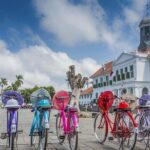
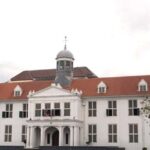
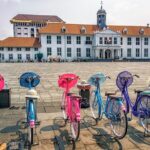
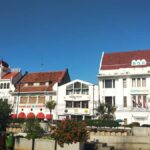
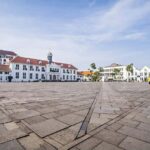
Your first real “history vibe” comes in Kota Tua, also known as Old Batavia (Oud Batavia). This is a compact area, roughly 1.3 square kilometers across North and West Jakarta, and it’s where the colonial-era trade city feeling is easiest to grasp on foot.
This stop works because you’re not just looking at one building. You’re moving through a district where the streets, old structures, and layout help you understand why Jakarta grew into a major trading hub.
Expect a lot of walking compared to a pure drive-by tour. That’s good if you want to see the city shape, but it does mean you’ll want comfortable walking shoes and water. Bring a hat too. Jakarta sun doesn’t negotiate.
Intan Bridge (Diamond Bridge): A 1628 Engineering Moment
Next comes the Kota Intan Bridge, also called the Diamond Bridge. This is the kind of stop that makes you appreciate the guide’s value. It’s not just a landmark; it’s an old piece of infrastructure with a story.
The bridge was built in 1628 by the Dutch East India Company. In the colonial era, it functioned as a bascule bridge: the double “leaf” could swing upward for clearance so marine traffic could pass.
Now it’s managed by the local tourism and culture department, and you’ll get the chance to see the bridge as a physical link between past shipping needs and present-day city life.
Photo tip, plain and simple: because this is a bridge, you’ll get better pictures by positioning yourself to show how it crosses the water/road area. Don’t just shoot straight-on. Use the angle that shows the span.

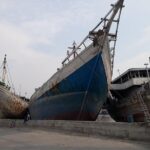
Sunda Kelapa Old Port: Pinisi Boats and the Ciliwung River Edge
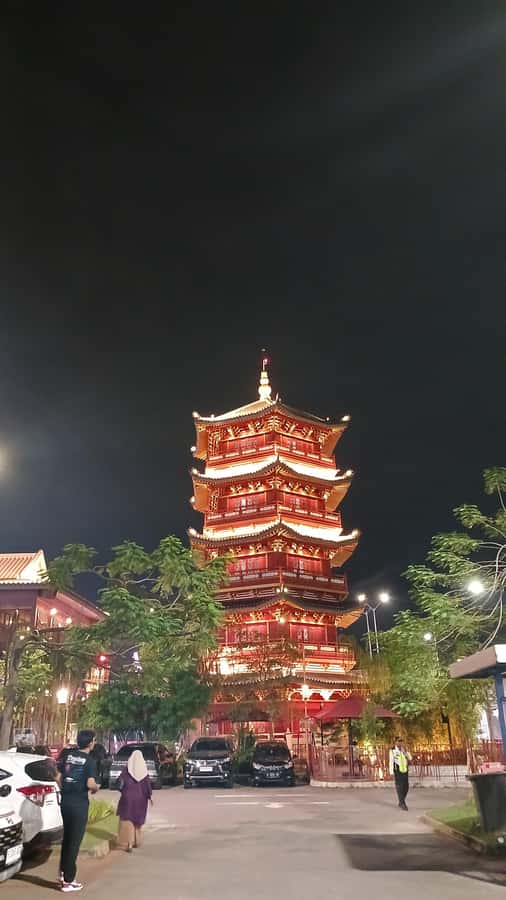
Then you shift from urban streets to maritime life at Sunda Kelapa, the old harbor of Jakarta on the estuary of the Ciliwung River.
This matters because it explains Jakarta’s origin point. The port was originally named Sunda Kalapa, and it served as the main port of the Sunda Kingdom. In other words, this is not a random “cute waterfront stop.” It’s tied directly to how the city began to function as a trade gateway.
Today, Sunda Kelapa is smaller than it once was. What you’ll likely see is a working atmosphere centered on pinisi, traditional two-masted wooden sailing ships used for inter-island freight service.
Also, the port’s location in Penjaringan District (North Jakarta) means the area can feel different from Central Jakarta’s monument zones. If you want a more grounded “how people move goods” contrast, this stop delivers.
Jakarta Cathedral: A Catholic Landmark in the Independence Neighborhood
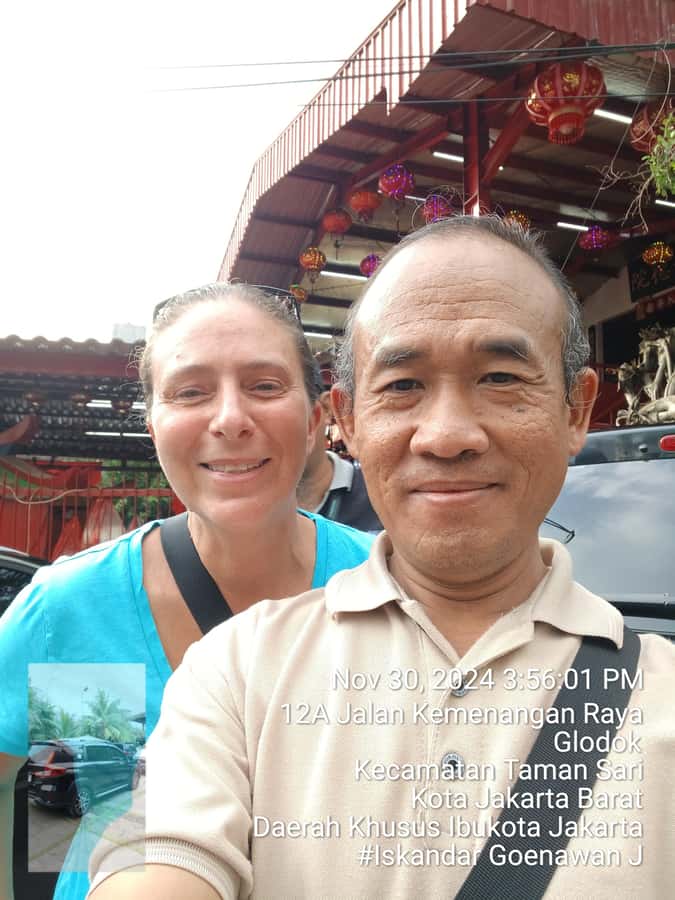
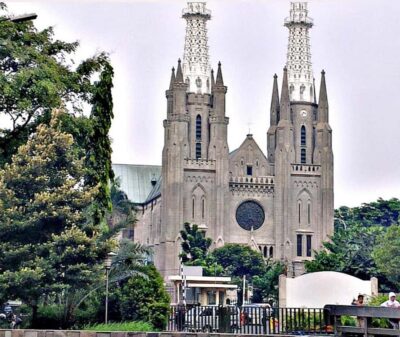
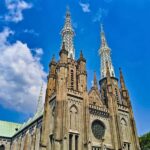
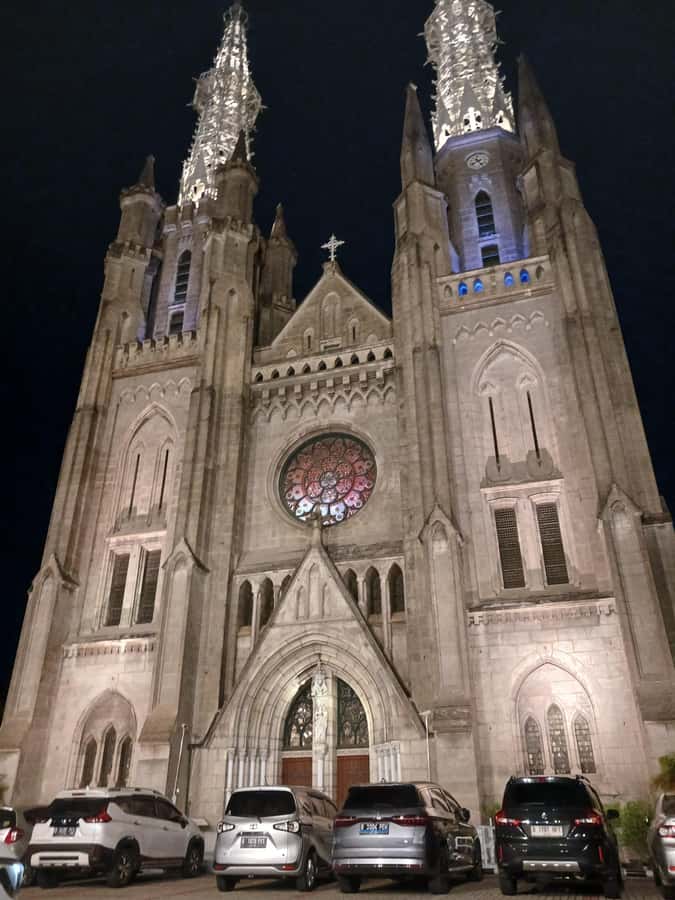
After the port, you’ll see the Jakarta Cathedral, a Roman Catholic cathedral and seat of the archbishop of Jakarta. Its official name is Gereja Santa Maria Diangkat ke Surga, based on the Dutch name De Kerk van Onze Lieve Vrouwe ten Hemelopneming.
Why this is worth including: it’s one more historical layer in the same broader area where you’ll later see national symbolism. You get a practical “compare and connect” day. You can look at styles, setting, and purpose, then have the guide connect them to how Jakarta has held different communities over time.
One small thing to plan for: cathedral visits often involve dress expectations and quiet respect. The tour is built around religious sites, so follow the local customs and keep your pace calm.
Istiqlal Mosque and Merdeka Square: Independence in Architectural Form
The star for many people is the Istiqlal Mosque, the largest mosque in Southeast Asia and a major worship site in the world by capacity. It was built to commemorate Indonesian independence, and the name Istiqlal means independence in Arabic.
The mosque is positioned next to Merdeka Square, plus the Jakarta Cathedral and the Immanuel Church (Reformed). That placement is the point. This isn’t a mosque stuck in isolation; it’s designed as part of a national identity zone.
Also, the mosque opened to the public on 22 February 1978. So when you look at it, you’re not only seeing a grand worship space—you’re seeing a symbol from Indonesia’s modern nation-building era.
If you’re sensitive to crowds, plan to keep your expectations realistic. You’re in the independence core of Jakarta. It’s a popular area, and there will be foot traffic around major sights.
National Monument and TMII: Where the Day Ties Off
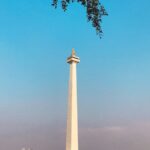
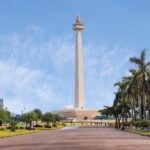
The tour includes a stop at the National Monument, which symbolizes Indonesian independence. This kind of stop is useful when you want a clear “what does the country mean to itself” ending point after you’ve seen older districts and colonial-era structures.
In the later part of the day, you may also go to TMII (Taman Mini Indonesia Indah) to see traditional houses. If TMII is on your actual day plan, it’s a smart add-on because it gives a quick snapshot of cultural architecture without needing multiple long museum trips.
This “finish” stage is where the tour shifts from old Jakarta facts to a more Indonesia-wide perspective.
Logistics That Matter: Weather, Shoes, and What to Bring
Because this is an outdoor-walk-and-city-drive mix, your comfort setup matters more than usual.
Bring:
- Passport or ID card
- Hat and something for sun protection
- Drinks (water bottle helps)
- Cash
- Comfortable walking shoes
Follow the rules:
- No smoking
- No alcohol and drugs
- Alcoholic drinks are not allowed in the vehicle
And respect the religious sites. That means dress appropriately and move with care when you’re inside.
Weather note: Jakarta conditions can change quickly, so expect a mix of sun and humidity. You’ll feel it most during the Kota Tua and Sunda Kelapa walk segments.
Small Group Style: Why Up to 4 People Feels Better
A capped group size of 4 participants is more than a marketing number. It often affects how much time you get at each stop and how easily the guide can tailor the pacing.
One review noted the day was flexible because only one passenger booked. Even if that exact scenario doesn’t happen, the small size usually helps you ask quick questions without waiting your turn.
Also, it can reduce the stress at crowded stops. You still have to deal with the city, but you’re not part of a giant queue-brigade.
Who This Jakarta Tour Suits Best
This tour is a strong fit if:
- You have a short time window in Jakarta and want the key landmarks in one guided loop.
- You like your history explained in plain language, tied to what you’re seeing.
- You want both old-city sights (Kota Tua and Sunda Kelapa) and independence-era landmarks (Istiqlal Mosque and the National Monument).
- You appreciate a guide who handles pickup thoughtfully, especially if you’re arriving by air.
It may be less ideal if you don’t enjoy walking in warm weather or if you want long free time at one site. This is a route with multiple stops, not a single-place deep dive.
Should You Book This Jakarta City Tour?
If you’re deciding between “do it on my own” and “get guided,” I’d lean toward booking this if you only have one morning. $63 buys you efficient coverage plus the kind of interpretation that helps places like Kota Intan Bridge and Istiqlal Mosque make sense beyond the photos.
Book it if:
- You want English guidance.
- You like a small group.
- You want old Jakarta and independence landmarks packed into one day.
Skip it if:
- You’re already building your own itinerary with a driver and you’re confident handling timing and site rules on your own.
- You need very long stays at each attraction. This tour is built for movement and context, not lingering.
If you do book, message the guide with your pickup details and any realistic timing needs, especially if you’re landing and your hotel check-in is pending. That’s where the best day-planning tends to happen.
FAQ
How long is the Jakarta City Tour?
The tour lasts 5 hours.
What does it cost?
The price is $63 per person.
Is there pickup, and where is it available?
Yes. You can be picked up from Soekarno-Hatta International Airport, or from your hotel lobby or an agreed meeting place. Drop-off can be in Jakarta or at Soekarno-Hatta International Airport.
What language is the tour guide?
The tour has a live English guide.
How big is the group?
The group is limited to up to 4 participants.
Which major stops are included?
Included stops are Kota Tua (old city), Kota Intan Bridge, Sunda Kelapa (old harbor), the old cathedral, Istiqlal Mosque, and the National Monument.
Are meals included in the price?
No. Meals and beverages are not included.
What should I bring?
Bring your passport or ID card, a hat, drinks, and cash. Wear comfortable walking shoes.
Is smoking or alcohol allowed during the tour?
Smoking is not allowed, and alcohol and drugs are not allowed. Alcoholic drinks are also not allowed in the vehicle.