Walking in Jakarta tells a story fast. This tour links public transit with top sights like Glodok Chinatown and MONAS, so you see how people actually move around the city. I especially like the way the licensed guide connects history and street-level details—architecture, traditions, and the small stories you miss when you ride straight from stop to stop. The other win is the format: short walks plus trains/buses, plus extras like tuk tuk or bike/andong rides, so you get variety without long, expensive detours.
One thing to plan for: you should expect walking and steps. It’s not a sit-everywhere tour, even though a lot of the time is supported by KRL and Transjakarta rides.
Key points worth knowing before you go
- Local-transport feel: You use city transit, not just a hired car, so the day feels grounded.
- Route hits major areas: Chinatown (Glodok), Old Town (Kota Tua), the Istiqlal-Cathedral zone, then MONAS.
- Guide-led stories: The guide explains history, architecture, traditions, and interesting background at each stop.
- Mixed rides included: Expect a blend of walking plus KRL/Transjakarta and short hops like tuk tuk or bicycle/andong.
- Food time without a sit-down lunch: You can try street food as you go, rather than being locked into one restaurant.
In This Review
- Glodok Chinatown on a real transit rhythm
- Kota Tua and Old Town: Dutch-meets-local street scenes
- Kota Station and the Beos/Batavia name thread
- Istiqlal Mosque: big scale, clear orientation
- Jakarta Cathedral across the street from Istiqlal
- Selamat Datang Monument: quick photo stop with a purpose
- MONAS (National Monument): finish with Jakarta’s main landmark
- Price and value: $45 that mostly pays you back in time
- What’s included (and what it means for your day)
- Pace, comfort, and how to prep like a smart walker
- The guide factor: Ivan’s kind of “gets it” approach
- Who this tour is best for
- Should you book this Jakarta public-transport walking tour?
- FAQ
- How long is the Jakarta walking tour with public transportation?
- What does the tour cost?
- Is pickup and drop-off included?
- What public transportation is included?
- Are tickets for attractions included?
- Is this tour private?
- Can I cancel for a full refund?
Glodok Chinatown on a real transit rhythm
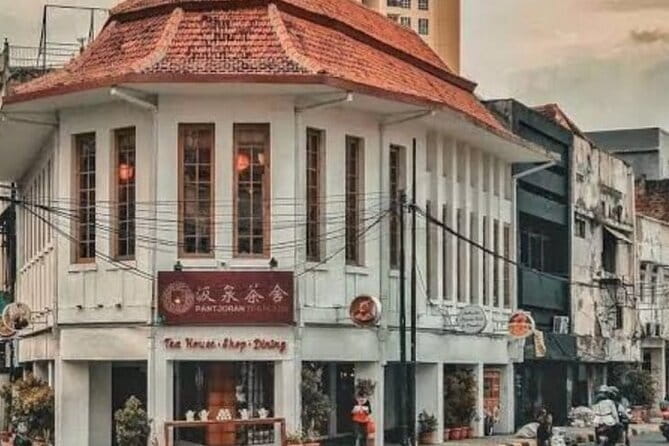
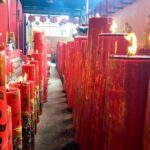
Jakarta’s Glodok Chinatown isn’t just a place to look at. It’s a neighborhood with layers—ethnic Chinese presence going back through different eras, plus Dutch colonial-era influences you can still feel in the street feel and building styles. The tour starts here so you get cultural context early, while you’re fresh and the day’s energy is still building.
You’ll spend about an hour in Glodok, and the guide sets the stage with quick, practical storytelling—what the area became over time and why you’ll notice certain patterns in architecture and community life. If you like understanding a place as you walk it, this stop works well. It also helps that the day is designed around transit. You’re not stuck on one long ride followed by one long walk. You get both, in a rhythm that feels more like a local day.
Kota Tua and Old Town: Dutch-meets-local street scenes
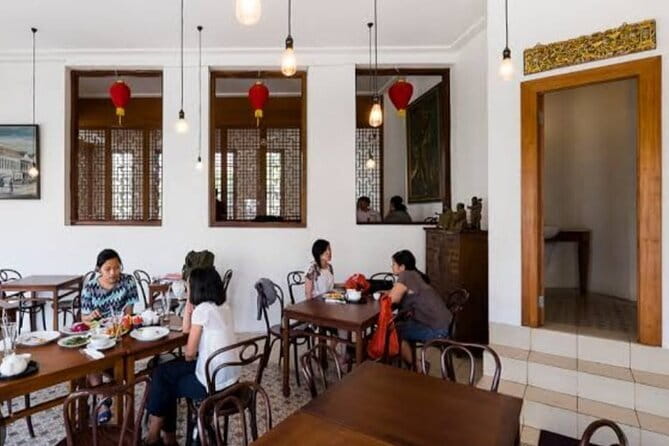
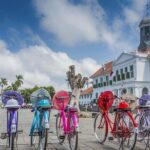
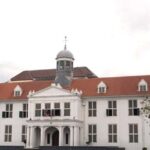
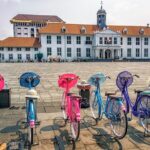
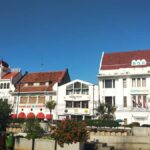
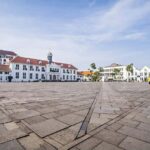
After Chinatown, you move into Jakarta Old Town, often associated with Kota Tua. This is where European-style buildings and Dutch colonial remnants show up in ways that feel visually obvious—European-Chinese blends, plus the overall Old Town atmosphere.
The tour keeps this stop tight and focused (about an hour), with time for you to see the buildings and absorb the vibe. I like this pacing because it doesn’t turn into museum-on-museum mode. You get the street view first, then the context from your guide’s explanations. If you’re the type who likes taking photos but also wants to understand what you’re photographing, Kota Tua is a good match.
You can also read our reviews of more tours and experiences in Jakarta.
Kota Station and the Beos/Batavia name thread
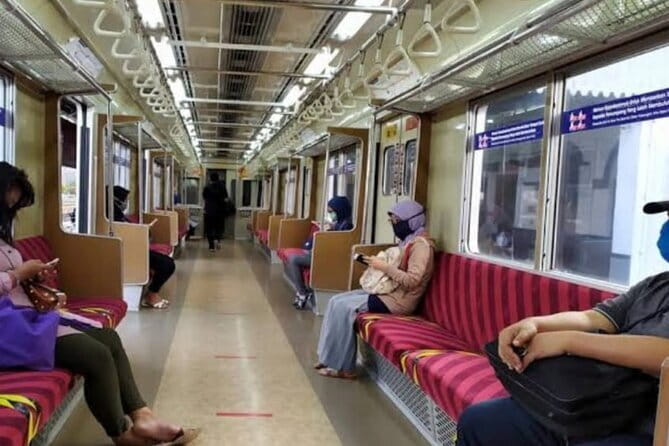
Then comes one of the more interesting “how Jakarta works” parts of the day: the rail segment around Kota Station (also known as Beos Station), with the original name Batavia-Benedenstad Station.
You’ll spend about 30 minutes here, and the plan uses a train to reach Juanda station to connect toward religious sites—mosque and church. This isn’t just a transit transfer. The guide’s context turns the station into part of the story, not just a background setting. Even if stations aren’t your main attraction, this section gives you a feel for Jakarta’s movement, and it’s one of the reasons the day doesn’t feel like a standard checklist tour.
Istiqlal Mosque: big scale, clear orientation
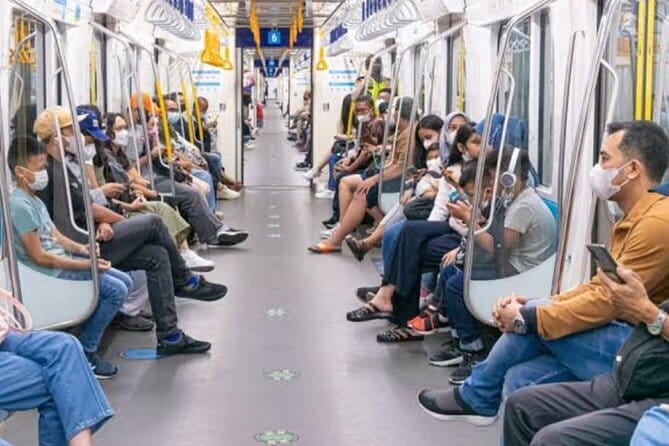
Next up is Istiqlal Mosque, with about 30 minutes on site. It’s described as the largest mosque in Southeast Asia and among the biggest in the world by worship capacity, so the size matters. You also get a very clear geographic transition: after the train and walk in the Weltevreden area linked to Dutch history, the mosque becomes your visual anchor before you cross to the Christian cathedral across the road.
Even if you’re not a deep-dive religious architecture fan, this stop is valuable because it helps you see modern Jakarta’s identity in the middle of older historical influences. The visit is free, which makes it easier to give it the full time without worrying about ticket logistics.
Jakarta Cathedral across the street from Istiqlal
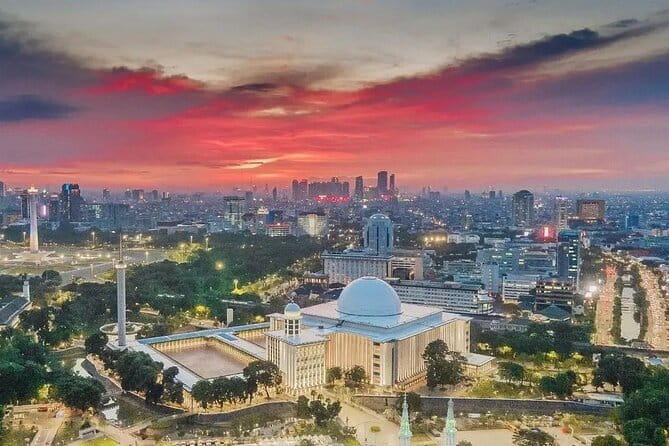
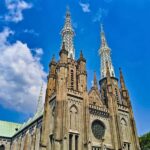
Just across the road, you visit Jakarta Cathedral. The time here is short—about 15 minutes—but the guide’s context gives the stop meaning. The explanation includes the Roman Catholic Church’s limits in the Dutch East Indies era and how Catholic activity was restricted to areas like Flores and Timor after the Dutch East India Company arrived in 1619.
You don’t need a long visit to get something out of this spot. For many people, the value is the contrast: mosque and cathedral facing each other in the same area, showing how Jakarta’s layers stack side by side. It’s also practical. You can keep moving through the day without losing momentum.
Selamat Datang Monument: quick photo stop with a purpose
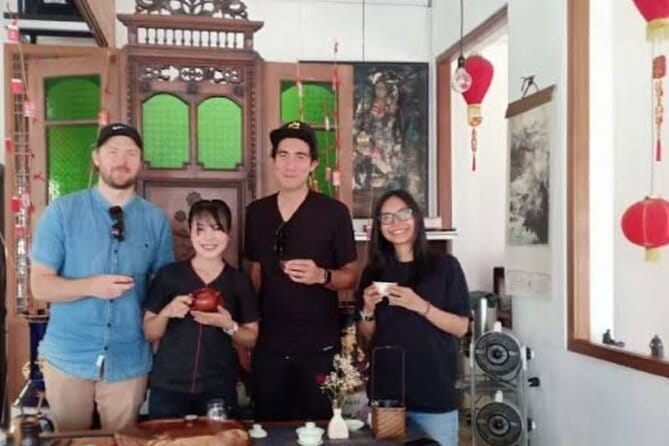
From there, you head to the Selamat Datang Monument area. This is a shorter stop (about 20 minutes), focused on the welcome statue and photo time at the entrance to the city of Jakarta.
The monument is established about 60 years ago by the government, so again, you get more than just a photo. It’s a visual waypoint—one that marks the day’s shift from older colonial-era zones toward the modern city center feel and the final big landmark photo moment.

MONAS (National Monument): finish with Jakarta’s main landmark

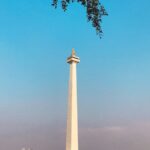
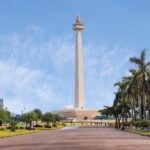
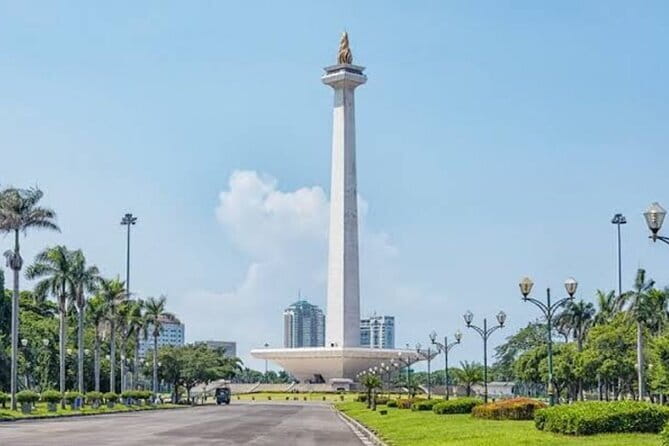
The day ends at the National Monument, or MONAS, where you get roughly 45 minutes. This is the big final image: you’ll stop for photos in front of Monument nasional, then your driver drops you back to your hotel.
What makes MONAS work at the end is timing. You’ve already learned how to read the city through neighborhoods, transit, and religious landmarks. By the time you reach MONAS, you can look at it as a civic symbol and not just a tall structure for a camera shot. The visit here is free, which also helps you keep the day’s costs predictable.
Price and value: $45 that mostly pays you back in time
At $45 per person, this tour is priced in a way that feels realistic for a 4–5 hour guided walk-and-transit day, especially with admission tickets included for some stops and guided context throughout. The big value comes from how much is operationally handled for you: licensed guide, bottled water and snacks, transport tickets (KRL and Transjakarta), plus pickup and drop service from where you stay.
You’re also getting a practical mix of transport options included. That matters because Jakarta can be tricky to navigate solo. If you’re trying to use public transport without a plan, you can lose time figuring out routes. Here, the route is set up so you spend more energy looking and less energy figuring out.
Optional tipping is noted, so you’re not forced into anything. If you do tip, it’s usually about rewarding good guidance and smooth handling.
What’s included (and what it means for your day)
The inclusion list is detailed, and it shapes the experience:
- Pickup and drop from your place to start and finish the route
- KRL Train Ticket and Transjakarta Bus tickets
- Online car / online motorbike / taxi for certain transfers based on where you’re staying
- Tuk tuk ride / bicycle / andong included as part of the mixed transit plan
- Bottled water and snacks
- Guide and a mobile ticket
- Admission tickets included for Glodok Chinatown and Old Town, plus the Selamat Datang Monument entrance
The practical effect: you can focus on moving through Jakarta without constantly checking apps for every segment. You’ll still walk, of course, but you’re not doing the whole day on foot.
Also, the tour notes that public transportation can still include car/taxi pickups and drop sections depending on your hotel, and that there’s no lunch included. Instead, you can try local street food.
Pace, comfort, and how to prep like a smart walker
This is the kind of day that rewards light planning. You’ll be walking short distances between spots, and there may be steps. The tour is structured to keep things moving—short visits per stop, then transport, then another sight.
A few practical prep tips that match how the day is described:
- Wear comfortable shoes because you’ll be doing repeated walks.
- Bring a layer if you get hot easily; Jakarta days can be sunny, and stations can be busy.
- Keep an eye on your energy for the train-and-walk transitions—those are where steps and stairs can add up.
- Since lunch isn’t included, plan to snack on what’s provided (water and snacks are included) and treat street food as part of the fun.
This style also fits travelers who like a bit of adventure. If you prefer a fully seated, zero-stairs itinerary, this one might feel like more effort than you want.
The guide factor: Ivan’s kind of “gets it” approach
The reviews mention a guide named Ivan, and his style comes through clearly: he’s described as doing an excellent job explaining key landmarks like Chinatown and Kota Tua, and as a good conversation partner. One review even notes he was happy to go along with trying coffee, which tells me he’s flexible in a friendly way—without derailing the route.
That matters more than people think. A walking-and-transit tour only works if the guide manages timing and keeps you oriented. When the guide connects the architecture and traditions to what you’re actually seeing on the street, the whole day clicks.
Who this tour is best for
This Jakarta public-transport walking tour is a good fit if you:
- Want to see the big highlights—Chinatown, Old Town, Istiqlal, Cathedral, Selamat Datang, and MONAS—without bouncing between them in a private car the whole time
- Like understanding a place as you move through it, not just collecting photos
- Are comfortable with transit and short walks
- Want a guide-led day that keeps things organized but still feels local
It may be less ideal if you:
- Hate walking and stairs
- Want a totally relaxed pace with long museum stays
- Prefer a single transport mode the whole day (this one is intentionally mixed)
Should you book this Jakarta public-transport walking tour?
If your goal is to get the feel of Jakarta—how neighborhoods connect, what the city looks like as you ride trains and buses, and how major landmarks sit next to older influences—this is a strong choice. The value isn’t just the sights. It’s the way the day is engineered: guided explanations, included tickets for KRL and Transjakarta, and a route that reduces guesswork.
Book it if you’re ready for walking, you like public transport, and you want a guided route that still lets you experience Jakarta as people live and work in it. Skip it if you want minimal walking or a purely car-based comfort bubble.
FAQ
How long is the Jakarta walking tour with public transportation?
The tour runs about 4 to 5 hours.
What does the tour cost?
It costs $45.00 per person.
Is pickup and drop-off included?
Yes. Pickup and drop service from your place to stay is included.
What public transportation is included?
You’ll use public transit including KRL train ticket and Transjakarta bus ticket. The day also includes other included rides like tuk tuk, bicycle, or andong as part of the route plan.
Are tickets for attractions included?
Some stops include admission tickets (such as Glodok Chinatown, Jakarta Old Town, and Selamat Datang Monument), while others are free (including Istiqlal Mosque, Jakarta Cathedral, and MONAS).
Is this tour private?
Yes. It’s private, meaning only your group participates.
Can I cancel for a full refund?
You can cancel up to 24 hours in advance for a full refund. If you cancel less than 24 hours before the start time, the amount paid is not refunded.