Old Jakarta moves fast. This private half-day route helps you see a lot without the usual scramble. I especially like the door-to-door pickup and the English-speaking guide, which keeps the story clear even when you’re bouncing between markets, museums, and harbor views. One thing to watch: if a stop’s opening hours are off that day, you may be left waiting instead of swapping smoothly, so it’s worth confirming timing before you go.
You’ll start in Glodok Chinatown and work your way through the Old Town area, ending with the Sunda Kelapa harbor scene. The pace is tight but friendly, and the private format means you can ask questions as you go. My only caution is that food and drinks aren’t included, so plan to grab something on your own before or after the tour.
At $75 per person for about 5 hours, this can be a solid value if you want history and atmosphere in one go. It’s also a good option if you’re not trying to “collect” landmarks—you’re trying to get your bearings in old Jakarta and understand why these places matter.
In This Review
- Key highlights worth planning for
- Glodok Chinatown Market: Kuan Yin temple, alley photos, and real street texture
- Dharma Bakti Temple area: a quick cultural reset in the middle of the route
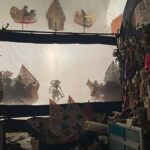
- Wayang Museum and puppet show: the Dalang story comes to life
- Fatahillah (Jakarta History Museum): Dutch city hall artifacts in one focused hour
- Kota Intan Drawbridge: a small stop with big north-coast meaning
- Sunda Kelapa Harbour and pinisi schooners: old docks, big atmosphere, messy reality
- Price and logistics: when $75 feels fair (and when it might not)
- Who should book this Jakarta Old City private tour
- Final call: should you book this tour?
- FAQ
- What time does the Jakarta Old City private tour start?
- How long is the tour?
- Is the tour private or shared?
- What’s included in the price?
- Are museum and attraction tickets included?
- What should I pay for separately?
- Is the puppet show in English?
- Is there a cancellation policy?
- What kind of pickup do I get?
Key highlights worth planning for
- Glodok Chinatown basics: Petak Sembilan temple and maze-like market lanes with classic Chinese-era architecture
- Wayang Museum + puppet show: a Dutch colonial house packed with leather wayang puppets, plus a short English performance
- Fatahillah/Jakarta History Museum: Dutch-built city hall artifacts, maps, portraits, and even jail-related displays
- Kota Intan Drawbridge: a small 17th-century Dutch drawbridge at the north end of Kali Besar
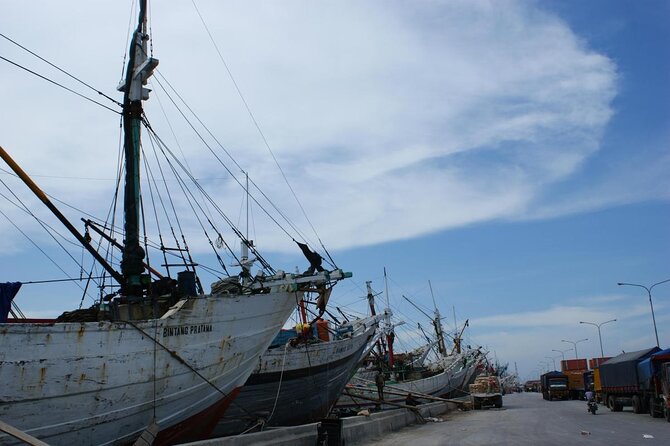
- Sunda Kelapa harbor and pinisi schooners: old dock atmosphere where cargo is still handled by hand (when operations allow)
- Private, English-guided flow: one guide, just your group, plus mineral water and hotel pickup
Glodok Chinatown Market: Kuan Yin temple, alley photos, and real street texture
If Jakarta has a place where time feels layered, it’s Glodok. You’ll begin in this Chinatown area known as Jakarta’s oldest Chinatown, and it shows in the details: open markets, small shops, and tight lanes with that slightly crumbling, lived-in look that photographers go crazy for. Even if you’re not chasing photos, it helps you understand the neighborhood right away because the streets feel like they’re still doing what they’ve always done.
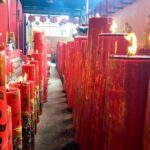
A key stop is Petak Sembilan, a Chinese temple dedicated to the Buddhist goddess of mercy, Kuan Yin, built around 1650. This is one of those places where the buildings and the worship space explain the community better than any brochure. Take a slow walk through the area and notice how the temple sits inside the market world rather than at the edge of it.
Two practical notes for this section. First, Glodok can be a bit of sensory overload, so give yourself a few minutes to get comfortable before you start moving quickly. Second, wear shoes you don’t mind getting dusty or scuffed; these lanes are not museum-polished.
You can also read our reviews of more tours and experiences in Jakarta.

Dharma Bakti Temple area: a quick cultural reset in the middle of the route
Your tour is built to move through old Jakarta in a logical sweep, and a stop near Dharma Bakti Temple is part of that idea. It’s a useful pause because you’re not only “collecting landmarks,” you’re seeing how faith and daily life share space in this part of the city.
Because the schedule details for this specific stop aren’t laid out beyond it being included, I’d treat it as a short, meaningful intermission rather than a major timed attraction. Think of it as context—like stepping back so the rest of the history makes more sense.
If you’re the kind of person who likes to observe respectfully, this fits well. If you only have energy for big-ticket sights, keep your focus on the stops with timed museum entries and the puppet show.
Wayang Museum and puppet show: the Dalang story comes to life
This is where the tour turns from “places” into something you’ll actually remember. The Wayang Museum is in an older Dutch colonial house, and that setting matters. Instead of a modern gallery vibe, you’re in a historical structure that already feels like it belongs to the story.
Inside, you’ll see collections of Javanese leather wayang puppets, including wooden golek puppets and masks from different parts of Indonesia and beyond. What I like here is that you’re not just looking at a single style. You get a sense that wayang isn’t one thing—it’s a tradition with variety, tools, and regional flavor.
There’s also a local-history angle that makes the museum feel more grounded: the building was tied to the former graveyard of a Dutch Governor General. That kind of detail adds weight to what would otherwise be “just a puppet collection.”
Then comes the best part for many people: the puppet performance. It’s short, and it’s performed by the Dalang (the puppet player). The show is in English, so you’re not constantly translating in your head. You may also be able to learn how to make a puppet after the show, which turns it from passive watching into a small hands-on takeaway.
A realistic drawback: since the show is short and the performance slot is part of a half-day schedule, you’ll want to listen closely and watch the timing. Don’t plan on wandering for long during this portion. You want to be present for it.
Fatahillah (Jakarta History Museum): Dutch city hall artifacts in one focused hour
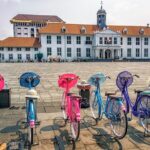
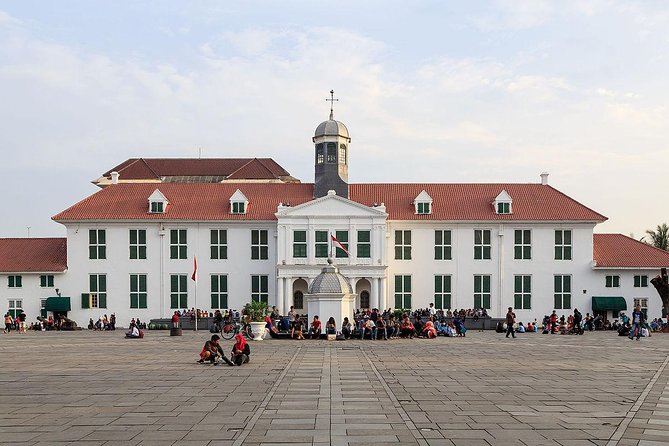
Next you’ll head to the Jakarta History Museum, also known as the Fatahillah Museum. This is a very efficient stop because the site connects directly to early colonial-era governance. The museum began as Dutch construction from 1707, originally used as Jakarta City Hall (stad huis).
The collection is the kind of stuff that makes old Jakarta feel tangible: antique furnishings, porcelain, old maps, and portraits. If you like history through objects rather than through lectures, this is a good fit. You’re not only seeing “a time period,” you’re seeing what people used—maps, decor, and official material.
One standout item category mentioned is an under-water jail and other items connected to former Dutch Governor General use. Whether you look at it with a historical curiosity lens or a “how did they run things” lens, the displays give you a sense of how the city functioned under colonial administration.
The potential downside is simple: museums can have slower-moving areas, and you only have about an hour here. If you prefer long, unstructured time, you may wish you had more. But for most people doing a half-day old-city sweep, it’s the right length.
Kota Intan Drawbridge: a small stop with big north-coast meaning
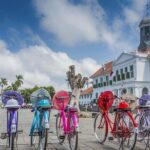
After the museums, you’ll shift toward the water side of old Jakarta. Kota Intan Drawbridge sits at the north end of Kali Besar, and it’s described as a small 17th-century Dutch drawbridge—said to be the last one in the city.
This stop doesn’t demand a huge time investment (about half an hour), which is exactly why it works. It’s a quick “anchor point” that helps tie together everything you’ve seen: markets, colonial administration, and the port economy that shaped the city.
If you like architecture details, look at the bridge as a piece of infrastructure, not just a photo object. A drawbridge tells you ships and city planning used to be in constant negotiation. That’s the kind of story you can feel even from a short visit.


Sunda Kelapa Harbour and pinisi schooners: old docks, big atmosphere, messy reality
You’ll finish at Sunda Kelapa Harbour, about a kilometer north of Taman Fatahillah. This is one of those places where the scene is always halfway between “historic” and “still working.” The harbor area is known for magnificent Makassar schooners called pinisi. If you’re into maritime history, you’ll appreciate how the port activity connects to the vessels themselves.
The description here is strong: the dock scene has barely changed for centuries, and porters unload cargo from the sailing ships by hand and trolley. That’s the kind of detail that makes a harbor feel alive rather than staged.
Now, the honest part: the port itself is described as rundown, and the waters are said to be heavily polluted. That means you might get strong visual atmosphere, but you should also adjust expectations for cleanliness and waterfront conditions. Don’t come expecting a picture-perfect promenade.
For timing, plan to use your time well. This last segment is short (about 30 minutes), so stay alert: if you want photos with ships, don’t wait until the end to start. Also, if you’re sensitive to smells or heat, keep your pace brisk and your breaks short.
Price and logistics: when $75 feels fair (and when it might not)
Let’s talk value. At $75 per person for around 5 hours, this private tour can be a decent deal if you care about structure and guidance. You’re getting hotel pickup and round-trip transfer in a private air-conditioned vehicle, plus an English-speaking guide, mineral water, and government taxes and service charges.
The private part matters. You’re not timing your movements around strangers or getting dragged into someone else’s pace. You can ask questions in Glodok, clarify details in the museum, and then move on without friction.
There are a couple of things not included: food and drinks, plus any personal expenses. Since the itinerary is tight and includes markets and harbor time, you’ll want to eat before you go or bring your own snack strategy. Waiting until the tour is over can leave you hungry at a moment that should be fun.
One more logistics detail that affects your day: some visits depend on opening hours. There’s at least one concern from past guests that guides didn’t sufficiently verify openings. You can’t control that fully, but you can protect your day. Before your morning, message the operator and ask which museums are guaranteed open that day. It won’t hurt, and it can save disappointment.
Also note: it’s a mobile ticket experience, and confirmation is received at booking. Cancellation is free up to 24 hours in advance for a full refund, which gives you flexibility if you need to adjust plans.
Who should book this Jakarta Old City private tour
This tour is best for you if you:
- want a private guide so you can ask questions on the spot
- like a mix of neighborhoods + museums + one performance (the puppet show)
- prefer a tight route that helps you get oriented in old Jakarta quickly
- enjoy cultural arts, especially wayang puppetry, and want it explained in English
It’s probably not ideal if you:
- hate time pressure (the schedule is built to fit multiple stops into about 5 hours)
- need long, slow browsing in museums
- are hoping for an easy, worry-free day where every single site is guaranteed open without any possible hiccups
Physical fitness is listed as moderate, so you should expect some walking through market lanes and museum areas.
Final call: should you book this tour?
I’d book this if your goal is old Jakarta with context: Chinatown streets, a wayang puppet performance, Dutch-era museum rooms, and the harbor where the pinisi still matter. The private setup and English guidance make it smoother than trying to stitch this together on your own.
I’d be a bit cautious if you hate surprises around opening hours. With a plan to confirm museum availability ahead of time—and with your expectations set for a short, efficient harbor visit—you’ll likely get a satisfying slice of Jakarta’s old-city core.
If you want, tell me your hotel area (or how you’ll get to the meeting point) and whether you’re more into museums or street atmosphere. I can suggest the best approach for timing and what to prioritize.
FAQ
What time does the Jakarta Old City private tour start?
The start time is 9:00 am, with pickup around that time from your hotel lobby in central Jakarta.
How long is the tour?
The tour runs for about 5 hours.
Is the tour private or shared?
It’s a private tour/activity. Only your group participates.
What’s included in the price?
The tour includes round-trip transportation by private air-conditioned vehicle, a professional English-speaking tour guide, mineral water, and government taxes and service charges.
Are museum and attraction tickets included?
Admission tickets are included for the Wayang Museum and the Jakarta History Museum. Entry is free for the Glodok Chinatown temple stop area, Kota Intan Drawbridge, and Sunda Kelapa Harbour (as listed).
What should I pay for separately?
Food and drinks are not included, and you’ll also want to cover any personal expenses not mentioned in the itinerary.
Is the puppet show in English?
Yes, the puppet show performance is in English. After the show, you can also learn how to make a puppet.
Is there a cancellation policy?
Yes. You can cancel up to 24 hours in advance for a full refund.
What kind of pickup do I get?
Pickup and door-to-door round-trip transfers from your centrally located Jakarta hotel lobby are offered, using a private air-conditioned vehicle.