Jakarta has secret-society clues on its walls. This walking tour ties together Dutch-era Batavia landmarks and the lingering Freemasonry symbols you can still spot at Taman Prasasti Museum, one of the oldest modern burial complexes in the world. It’s not just a sightseeing loop; it’s a story trail that connects architecture, colonial influence, and how Indonesian independence figures reportedly intersected with Freemasonry.
I love the way you learn by moving—starting inside Pos Bloc Jakarta and working step-by-step toward Dutch-linked sites like a former building used as an apothecary and the Dutch church at GPIB Immanuel. I also love that it’s private (1–15 people), with practical perks like bottled water, a pocket map, and even a batik cloth fan for Jakarta’s heat. The one thing to consider is the pace: it’s about a 6 km walk, so bring comfortable shoes and plan for humidity and rain.
In This Review
- Quick Hits: What Makes This Walk Worth Your Time
- Secret Society of Batavia: What You’re Really Walking For
- Price and Value: Why $62.77 Can Make Sense
- The 6 km Route in Plain Terms (and What to Expect)
- Pos Bloc Jakarta: Starting Inside the Post Office Complex
- Ex-Loji de Ster to the Apotek Building: Dutch Structures Reused
- Daendels Palace Pass-By: Learning Without Spending Too Long
- GPIB Immanuel Jakarta: Dutch Church Architecture in a Live City
- Gambir Train Station Break: Rest, Water, and City Scale
- Monas and the Presidential Palace Area: History Layers on the Same Street
- Taman Prasasti Museum: The Freemasonry Symbol Moment
- Health Protocols and Comfort: How to Prepare for a Smooth Walk
- Who Should Book This Tour (and Who Might Not Love It)
- The Guide Factor: When Rico’s Energy Shows Up
- FAQ
- FAQ
- How long is the Secret Society of Batavia walking tour?
- How far do we walk?
- Is this a private tour?
- What’s included in the ticket price?
- Where does the tour start and end?
- Do I need to buy museum tickets?
- Is there a tour on Monday?
- Should You Book It?
Quick Hits: What Makes This Walk Worth Your Time
- Freemasonry symbols you can actually point at at Taman Prasasti Museum
- A private group size (min 1, max 15), so the guide can shape the pace
- Dutch-era stops in real locations like a post office complex, a repurposed Dutch building, and a classic church
- Monas + the Presidential Palace area on foot, so you see Indonesia’s modern identity in the same day
- Cold water + a batik fan to make the heat manageable
- Mask-and-distance health protocols kept in the background of the whole experience
Secret Society of Batavia: What You’re Really Walking For
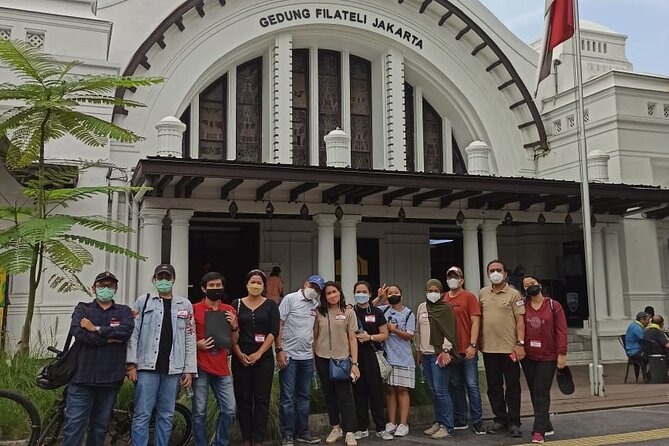
This tour is built around a single idea: symbols matter, and Jakarta’s city fabric still carries clues from the Dutch period. The story you’ll hear connects the Dutch East Indies to Freemasonry, then ties the presence of Freemasonry in the region to some important people involved in the independence movement.
What I like about this setup is that it avoids being purely “theory time.” You’re not just hearing names. You’re standing in and near physical places—buildings, passages, and public landmarks—where old European design language shows up in a modern city.
And when the tour reaches Taman Prasasti Museum, the focus shifts from general storytelling to visual detail. You’ll spend enough time there (about 36 minutes) to actually notice symbols carved or displayed in the museum context, not just rush through.
You can also read our reviews of more tours and experiences in Jakarta.


Price and Value: Why $62.77 Can Make Sense
At $62.77 per person for roughly 3 hours 30 minutes, the ticket price is only fair if you’re getting more than a casual city stroll. Here, you do get that.
You’re paying for a certified professional guide, the time and attention to connect multiple Dutch-influenced stops, and the practical items that make the walk easier: bottled water, a pocket map, and entrance fees (including the museum entry where the Freemasonry symbols are the main event). On top of that, you get a batik cloth fan, which sounds like a small touch—until you’re dealing with Jakarta’s warm, humid weather.
The tour also runs as a private activity, meaning it’s not a crowded mass-market group. That can matter a lot when you want explanations at each stop and you’re trying to take in visual details.
The 6 km Route in Plain Terms (and What to Expect)
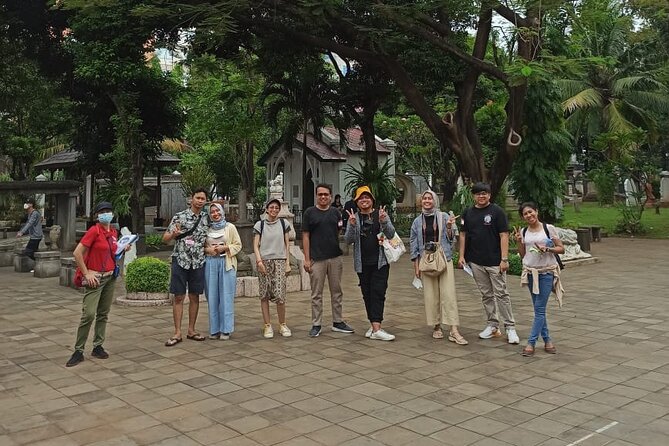
This is a structured walk with short time at each place. You’ll cover about 6 km total, with stops that range from quick exterior looks to one longer museum moment.
Because the timing is tight, you should expect:
- More “point-and-explain” at each location than free roaming.
- A rhythm of short walks and short pauses, including a built-in break at Gambir Train Station.
- A final museum focus where you’ll look specifically for Freemasonry-related markings.
You’ll also want to come ready for weather. The tour runs whether it’s sunny or rainy, so an umbrella is smart—especially during the October to April rainy season. Comfortable clothes and shoes matter because you’re out in the city for several hours, not just between air-conditioned stops.
Pos Bloc Jakarta: Starting Inside the Post Office Complex
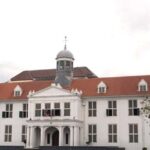
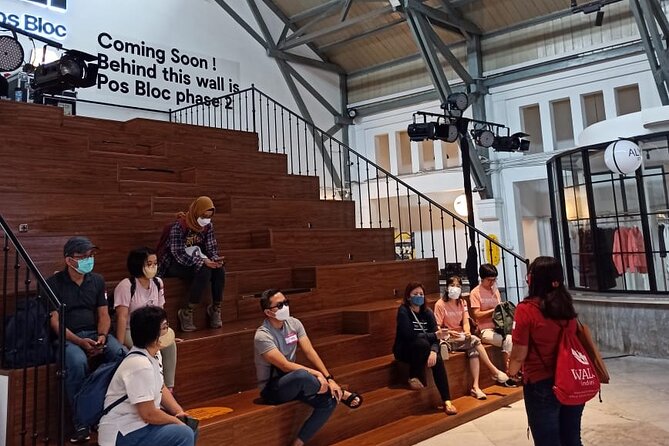
You begin at Pos Bloc Jakarta, specifically inside the Philatelic building. This is a strong first stop because it sets the Dutch-era atmosphere early, before you move into larger streetscape landmarks.
Starting indoors also helps you get oriented. A guide can frame the bigger theme—Freemasonry’s Dutch-linked presence and why it shows up later in Jakarta—before you start scanning exterior architecture and city layouts.
There’s no admission ticket needed here, and the time at this stop is short (around 10 minutes). Think of it as your warm-up: a quick start that primes you to notice symbols and design cues.
Practical tip: if the day is hot, use the indoor start to settle in. You’ll be walking enough that you’ll feel the difference.
Ex-Loji de Ster to the Apotek Building: Dutch Structures Reused
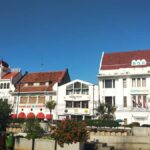
Next, you head to Kantor Pusat PT. Kimia Farma Apotek, where you’ll visit a former Dutch building referred to as an ex-loji (with the name Het Oosten). The key value here isn’t only the story; it’s the contrast.
You’re looking at a Dutch-era space that has been repurposed for modern use. That’s important for this theme because it shows how old structures survive by changing functions. In a city like Jakarta, you often find history not in preserved ruins, but in places that are still actively used.
This stop lasts about 15 minutes, with admission free. You’ll likely get the most value from it by slowing down and watching how the space feels: how the architecture supports the newer use, and how Dutch design details can still be visible even after repurposing.

Daendels Palace Pass-By: Learning Without Spending Too Long
After that, you’ll pass Daendels Palace. The wording here matters: this is a “pass,” not a long interior visit. That means you get a quick connection to Dutch colonial administration without turning the day into a museum-heavy schedule.
This is one of the smart pacing choices on the route. Instead of making you spend a big chunk of time in one spot, the tour keeps moving—so the historical thread stays connected across locations rather than getting stalled.
When you walk past a major colonial-linked site, take advantage of the guide’s pointers. This kind of stop works best when you’re told what to notice, because from the street you can easily miss the details that make it relevant to the larger story.
GPIB Immanuel Jakarta: Dutch Church Architecture in a Live City
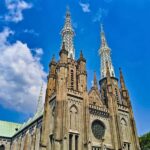
At GPIB Immanuel Jakarta, you’ll focus on the architecture of a Dutch church. This is a solid stop for anyone who enjoys how European design language was adapted and transplanted into the Indonesian urban environment.
The tour gives you about 20 minutes here, which is enough time to look at exterior features and understand why the building matters for the Dutch-era influence thread you’re following.
This stop also adds variety. Up to this point you’re seeing urban public spaces and reused structures; now you see a religious building with its own architectural grammar. If your goal is to connect the Freemasonry theme to the wider Dutch presence, this is the kind of location that makes the links feel more tangible.
Gambir Train Station Break: Rest, Water, and City Scale
At Gambir Train Station, you get a rest stop plus mineral water. This is more than a courtesy stop. It’s a real part of the tour design.
A 6 km walk in Jakarta heat adds up, even if your pace is comfortable. The break helps you recharge so you can stay present for the final museum section, which is where the symbolism work becomes more focused.
This stop is about 15 minutes, and admission isn’t part of it. The value is the reset—use it to take a breath, refill your comfort level, and then get ready for the Monas/Presidential Palace area.
Monas and the Presidential Palace Area: History Layers on the Same Street
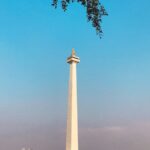
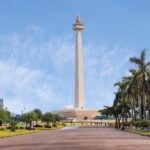
Then you move to Taman Pandang Istana, where you’ll explore Monas and pass the Presidential Palace.
This is a key moment in the tour’s emotional geography. Earlier stops anchor you in Dutch-linked architecture. Here, you see the modern national identity symbols in the same day. That contrast is useful because it helps you understand the big picture: colonial influence, then independence-era identity, then what gets preserved, reused, and reinterpreted.
The time here is about 15 minutes, so again, it’s not about a long visit. It’s about placing the Freemasonry story in a wider Jakarta frame—so you’re not only thinking about the past, but also about how the city presents itself now.
Taman Prasasti Museum: The Freemasonry Symbol Moment
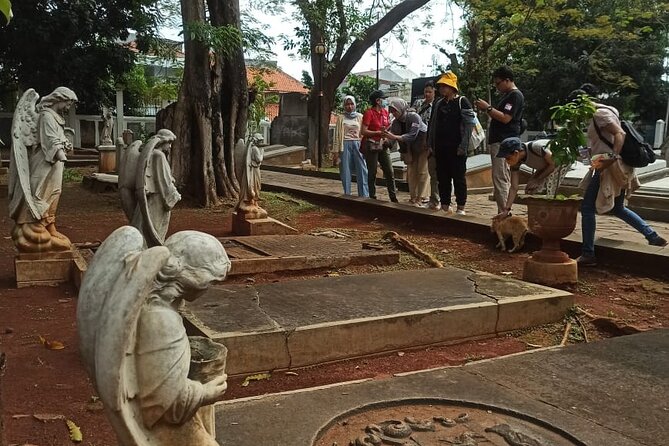
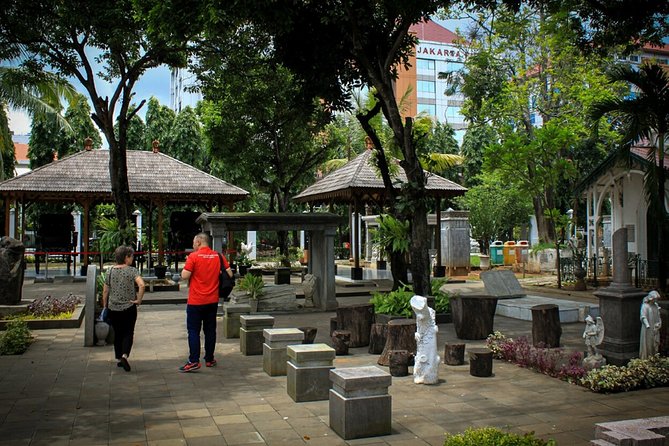
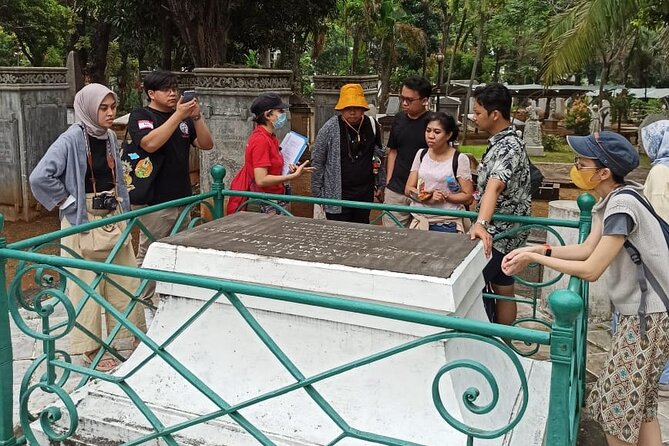
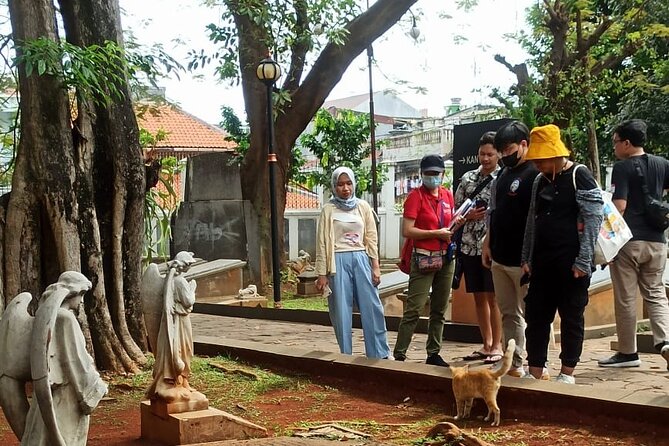
Your final stop is Taman Prasasti Museum, and this is the part you’ll remember. You’ll spend around 36 minutes at the Taman Inscription Museum, with entry included, specifically looking for Freemasonry symbols.
This is where the tour title turns into something real. Instead of abstract background, you’re searching for markings and design elements that the guide ties back to Freemasonry references.
What makes this stop valuable is the time-to-look ratio. Enough minutes are allocated to notice details—inscriptions, symbols, and the ways text and emblematic shapes appear in the museum setting—without feeling like you’re being rushed out the door.
If you want a tip for getting the most from this section: keep your attention narrow. Don’t try to see everything. Let the guide point out what matters, then double-check with your own eyes. That’s how the symbols start to click.
Health Protocols and Comfort: How to Prepare for a Smooth Walk
The tour follows health protocols, including limiting participant numbers, wearing masks, and maintaining physical distancing. Even if you’re used to travel during normal times, treat this as part of the flow, not an interruption.
For your own comfort, plan for the basics Jakarta demands:
- Wear comfortable shoes you can walk 6 km in.
- Bring an umbrella, especially if you’re traveling during October–April rain.
- Expect warm, humid conditions even when the skies are clear.
Small comfort items can change your whole experience on a walking tour, and this one already includes a bottled water and a batik cloth fan—nice extras that show someone thought about the weather.
Who Should Book This Tour (and Who Might Not Love It)
Book this if you:
- Like architectural details and want them tied to real stories.
- Have already seen classic Jakarta sights and want a more specific, symbol-focused theme.
- Enjoy walking through the city with a guide who connects dots across multiple locations.
You might skip it if:
- You dislike walking in heat (even with breaks).
- You don’t enjoy symbol hunting or themed interpretation and prefer straightforward museum/gallery experiences.
One more point: the tour’s theme involves secret societies and conspiracy-adjacent storytelling. The tour frames it as a historical correlation through Freemasonry-linked influence, so if you’re okay treating it as a guided investigation of symbols and context, you’ll likely enjoy it.
The Guide Factor: When Rico’s Energy Shows Up
A name that comes up in past feedback is Rico, praised for being very informed and excited about Jakarta’s history. That matters here because this tour relies on explanation more than on “wow” scenery.
A good guide helps you see what the theme is pointing at—especially at the museum stop where you’re looking for specific Freemasonry-related symbols. If your guide keeps the pace lively and the explanations clear, the whole walk feels more satisfying.
FAQ
FAQ
How long is the Secret Society of Batavia walking tour?
It lasts about 3 hours 30 minutes.
How far do we walk?
The walking distance is about 6 km.
Is this a private tour?
Yes. Only your group participates, with a minimum of 1 and a maximum of 15 people.
What’s included in the ticket price?
Included items are a hosted certified professional guide, bottled water, a pocket map, private tour experience, entrance fee, and a batik cloth fan.
Where does the tour start and end?
It starts at Pos Bloc Jakarta on Jl. Pos No.2, Ps. Baru, Sawah Besar, Jakarta Pusat, and ends at Museum Taman Prasasti on Jl. Tanah Abang I No.1, Petojo Sel., Gambir, Jakarta Pusat.
Do I need to buy museum tickets?
No for the included stops. Entrance fee for the final museum portion is included, and other early stops listed have free admission.
Is there a tour on Monday?
No. There is no tour on Monday because the museums are closed.
Should You Book It?
If you like guided city walking with a clear theme and you enjoy looking for symbols in real places, I’d book this. It offers good value because entrance, water, a pocket map, and even a batik fan are included, and the route mixes Dutch-era architecture with modern Jakarta landmarks so the story feels grounded.
I’d only think twice if 6 km of humid walking is a deal-breaker for you. If you’re comfortable with a steady walk, bring good shoes and an umbrella, and you’ll likely have a fun day of detective-style sightseeing—especially once the tour reaches the Freemasonry symbol section at Taman Prasasti.