Cooking for good tastes better in Bali. In Uluwatu’s Bukit area, you join a guided community kitchen to help make 180 meal portions for underprivileged families in about 150 minutes, with Nasi Bungkus packaging at the center of it.
I love the hands-on work, from chopping fresh ingredients to cooking them with an expert local chef. I also love that you finish with a real skill: traditional Nasi Bungkus wrapping, so your effort becomes something families can take home and eat.
The only potential drawback is the shared, busy kitchen vibe. If you prefer quiet, solo travel time, you may find the group energy and back-and-forth prep a bit lively.
In This Review
- Key Things You’ll Notice Right Away
- A Uluwatu charity cooking session with a real mission
- Price and What Your $6 Actually Buys
- Your 150 Minutes: Chop, Fry, and Wrap Nasi Bungkus
- 1) Hands-on chopping: fresh ingredients first
- 2) Cooking and frying: learn while the food takes shape
- 3) Packaging the meal: wrap Nasi Bungkus together
- Why the Nasi Bungkus wrapping matters more than you think
- The vibe: a shared kitchen between locals and travelers
- What’s included, and why it matters for comfort
- Getting the most out of it: simple tips that help
- Who should book this Uluwatu experience?
- Should you book this Uluwatu meals-for-good session?
- FAQ
- Where does this cooking session take place?
- How much does it cost?
- How long is the experience?
- What language is the tour guide?
- What do I learn and do during the class?
- Where does the money go?
- What’s included?
- Should you book?
Key Things You’ll Notice Right Away
- You help produce 180 meal portions for underprivileged locals in the Bukit area
- You get chef guidance while chopping and cooking fresh ingredients
- You learn Nasi Bungkus wrapping instead of only watching
- It’s a warm meet-up space where locals and volunteers work side by side
- Your payment supports Happiness Foundation programs through a non-profit charity
A Uluwatu charity cooking session with a real mission
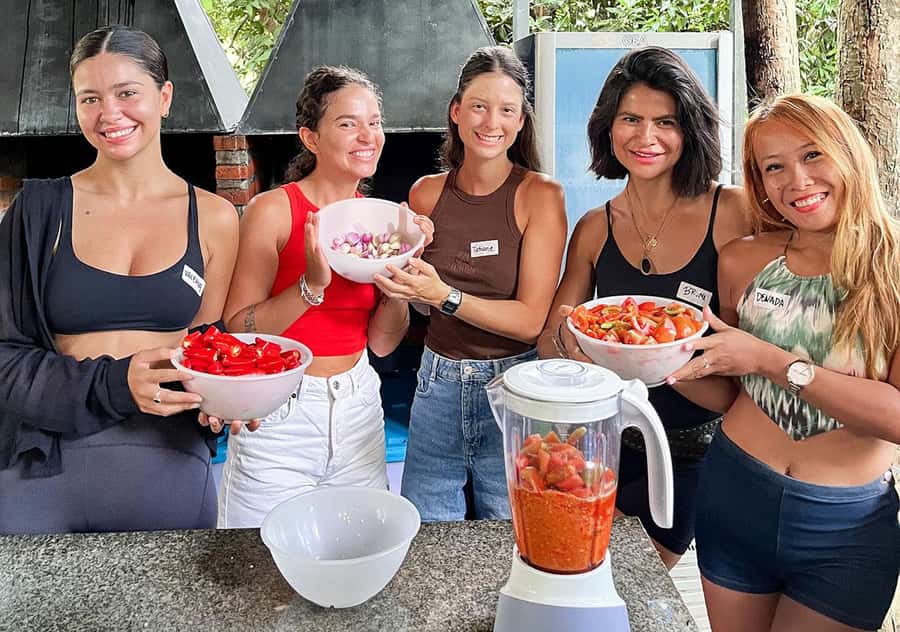
This is not the usual “watch someone cook” class. In Uluwatu, you show up, meet like-minded people, and put your hands to work for a clear goal: making a big batch of meals for families who need support. The numbers matter here. Together, you’re helping prepare 180 portions, not a small demo serving.
The tone also matters. The session is set up as a warm, practical community space where locals and travelers share the same purpose. You can chat, learn, and contribute at the same time, which makes the experience feel personal instead of performative.
The other thing I like is that the activity stays grounded in everyday food work. You’re not learning food trivia. You’re learning what goes into a meal, how it’s cooked, and how it’s packaged in a way families can receive and use.
You can also read our reviews of more tours and experiences in Uluwatu.


Price and What Your $6 Actually Buys
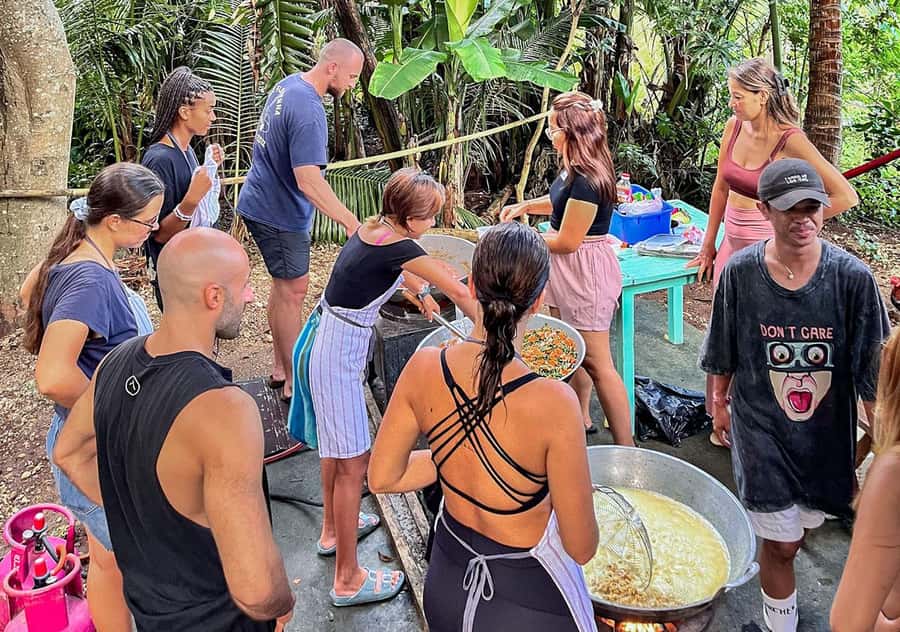
At $6 per person for a 150-minute guided session, the cost can feel almost too low for what you get: hands-on cooking, traditional meal wrapping, ingredients, equipment, and drinking water included. But the bigger reason this feels like strong value is where the money goes.
The activity states that 100% of the proceeds support the non-profit charity programs of the Bali-based Happiness Foundation. That matters because you can clearly connect your participation to the charity work, instead of wondering how much is going toward operations, marketing, or a general donation bucket.
Also, you’re not just paying for a class. You’re helping create takeaway meals in bulk. That turns your time into something concrete: portions prepared and packaged for underprivileged locals in the Bukit area.
Your 150 Minutes: Chop, Fry, and Wrap Nasi Bungkus
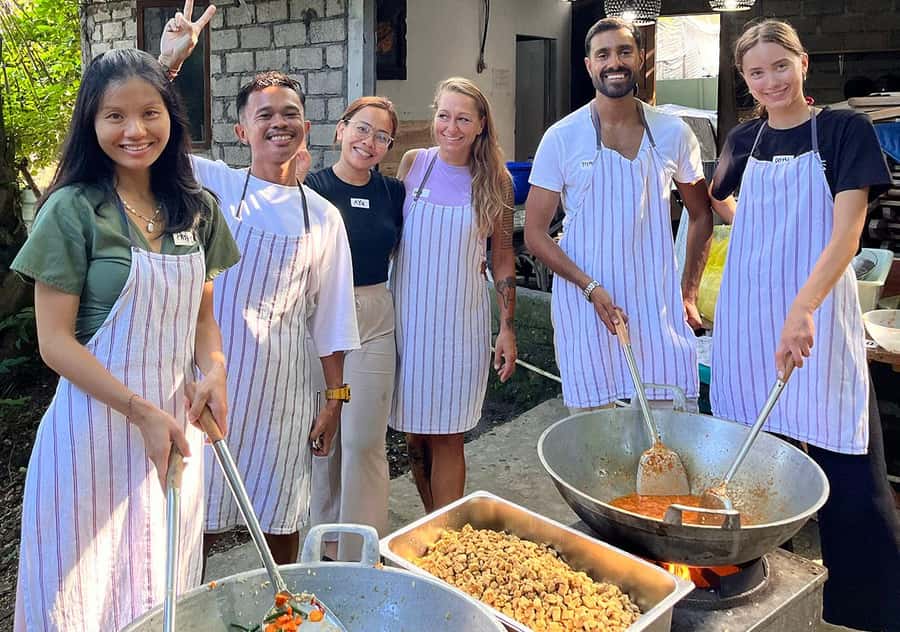
Here’s the flow you should expect, in plain terms. You’ll move through three main phases during the cooking session, guided by a local kitchen team and an expert local chef, with an English-speaking live tour guide on hand.
1) Hands-on chopping: fresh ingredients first
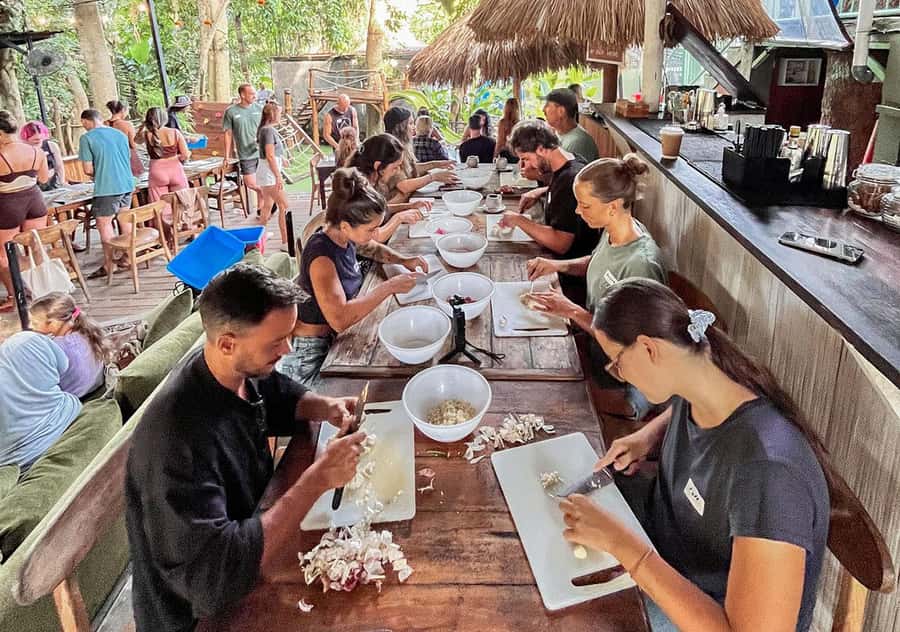
The session starts with chopping and cutting fresh ingredients. This is where you join the work quickly, no awkward waiting for someone else to start. You’ll be doing real prep tasks, which is part of what makes the class feel inclusive. Even if you’ve never cooked Indonesian food before, you can contribute right away.
This phase also sets the tone: you’re not just learning the final dish. You’re learning the rhythm of prep—how ingredients come together before they hit the heat.
Practical note: the chopping part can get a bit busy, especially when groups are working at the same time. If you’re the type who likes slow and careful work, take your time, ask the chef when you’re unsure, and focus on doing your step well.
2) Cooking and frying: learn while the food takes shape
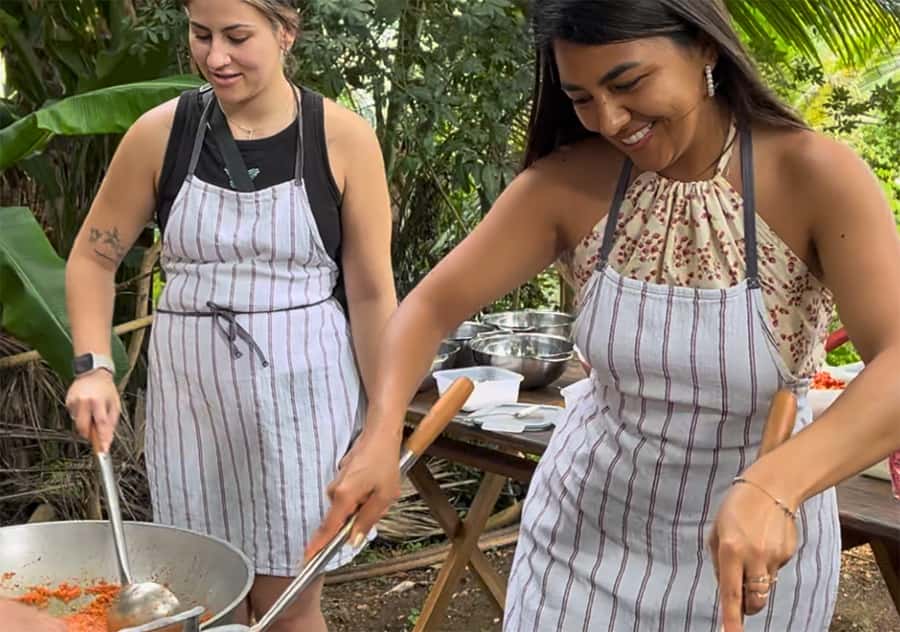
Next comes the cooking stage. You’ll fry and cook the ingredients with guidance. The chef support is key here. It’s not hands-off instruction. You’re learning how to cook as you go, so you can understand why certain steps happen before others.
This part is also where the experience turns from “activity” into “food.” The smells, the sizzle, and the shared effort make it easier to bond with the people around you. You’ll end up talking because everyone is doing something, not because you’re forced into icebreakers.





3) Packaging the meal: wrap Nasi Bungkus together
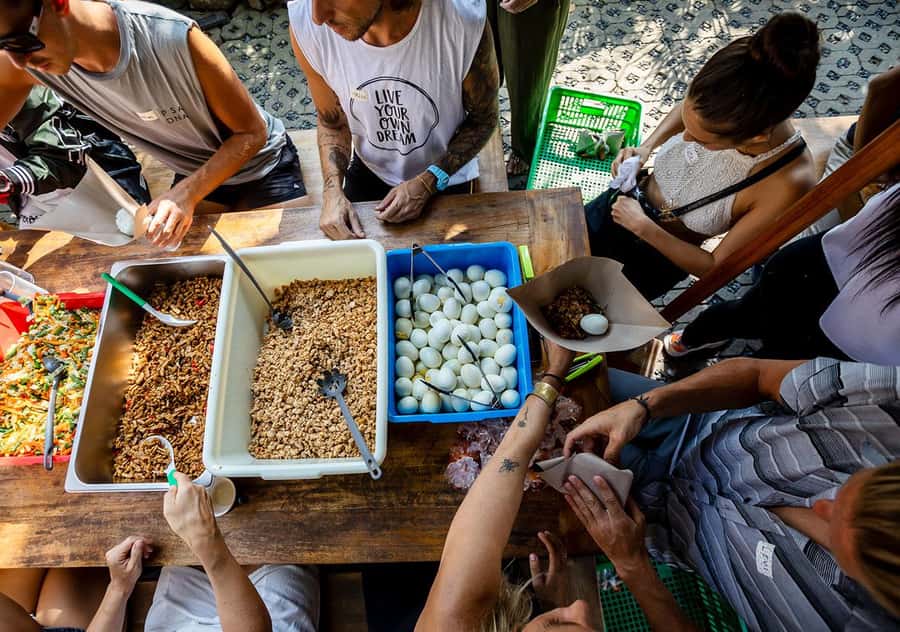
At the end, you learn the traditional technique for wrapping Nasi Bungkus. This is the standout skill in this experience. In many cooking classes, you learn to cook and then you eat your portion and leave. Here, you learn how to create takeaway packages—meals that can be distributed to families in need.
Wrapping Nasi Bungkus is part practical, part artistic. You’re making something neat and ready to share, and it’s satisfying to finish a full portion knowing it’s headed to someone who will actually receive it.
Why the Nasi Bungkus wrapping matters more than you think
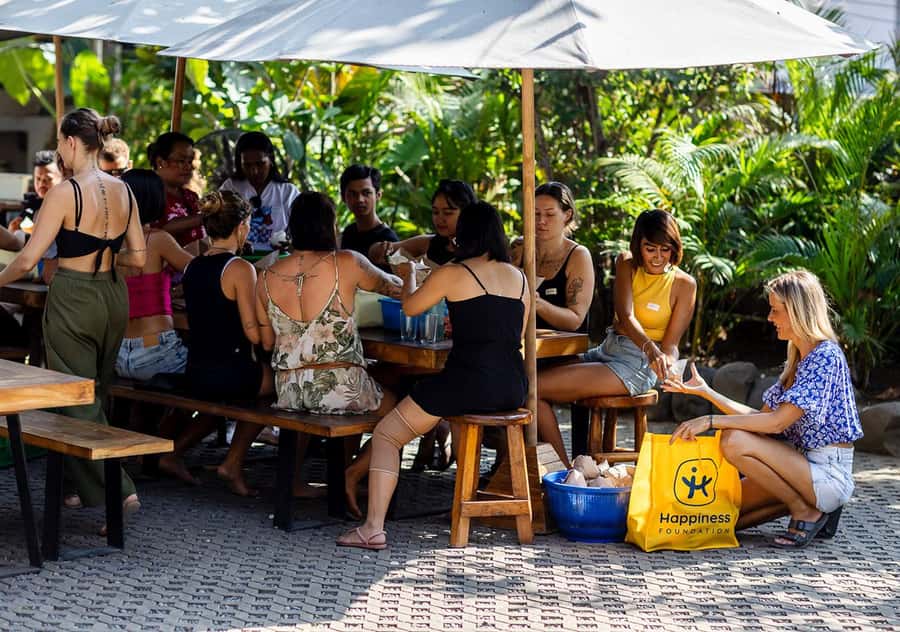
Nasi Bungkus is more than a meal format. In this context, it’s the “bridge” between your kitchen work and the charity goal.
When you wrap the packages together, you’re doing the final transformation from ingredients into deliverable food. That matters for a charity meal program because packaging affects how easily meals can be distributed and carried. You’re learning the method used for that purpose, which makes your effort feel operational and real.
It also changes how you experience the session. Instead of thinking only about cooking, you pay attention to presentation and practicality. Even small details—how neatly it’s wrapped, how it’s assembled—become part of the way the food will be shared.
The vibe: a shared kitchen between locals and travelers
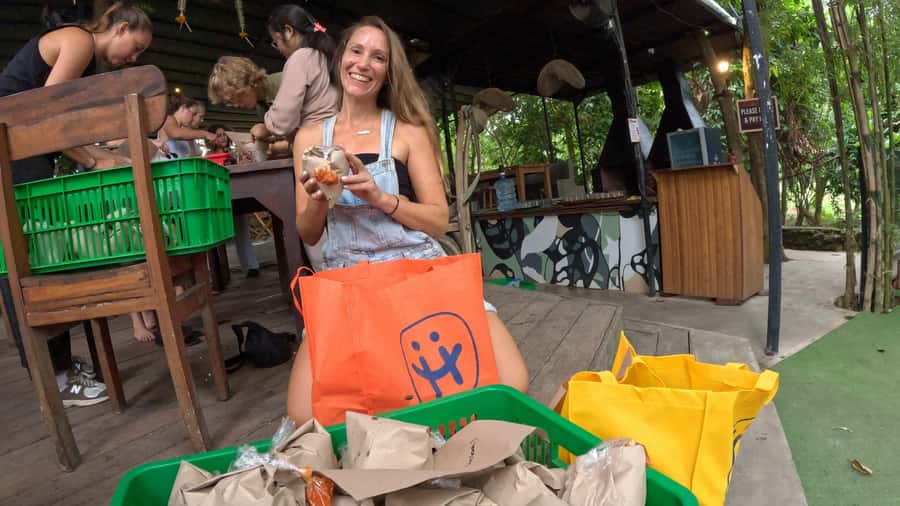
One of the most praised parts of this experience is the atmosphere. People describe it as kind, welcoming, and genuinely warm. You meet the founder and the organizers, and they set a tone that feels community-first.
During the session, the space blends local support and volunteer participation. You’re connecting with locals and other helpers while you cook and package meals. That shared mission helps people relax. It’s easier to chat when everyone is doing the same meaningful work, and it doesn’t feel like networking.
If you like travel that creates connections through action—rather than just collecting photos—this kind of communal kitchen time tends to land well.
What’s included, and why it matters for comfort
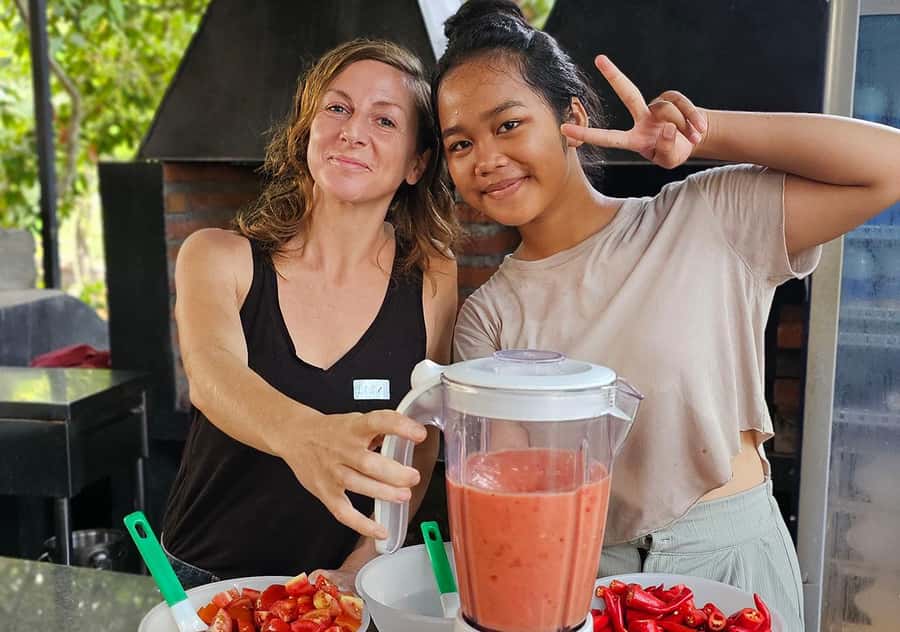
This activity keeps the “what do I need to bring?” part pretty light. You’ll get:
- Guided cooking session with the local kitchen team
- Guidance to cook and wrap a traditional Indonesian meal
- All ingredients and cooking equipment provided
- Opportunities to connect with locals and other volunteers
- Drinking water during the session
That’s important in Bali, where heat and humidity can make outdoor plans exhausting. You’re sitting in an organized setup, working with provided tools, and staying hydrated with water available.
It also means you can show up with minimal fuss. If your vacation schedule is tight, this is the kind of activity that fits without requiring special preparation.
Getting the most out of it: simple tips that help
You don’t need cooking skills to have a good time here. Still, a few practical habits can make the session smoother.
- Show up ready for hands-on work. There’s chopping and frying involved, and you’ll likely get a little warm while you help cook.
- Listen when the chef is guiding. You’ll move through steps quickly, so paying attention helps you learn the correct method for both cooking and wrapping.
- Take your time with packaging. Wrapping Nasi Bungkus is where your work becomes shareable meals, so slow down at the end and do it neatly.
Also, since the guide and session are in English, you can follow along clearly even if your Indonesian vocabulary is limited.
Who should book this Uluwatu experience?
This charity cooking session is a strong fit if you want:
- A meaningful way to spend a few hours in Uluwatu, not just a sightseeing stop
- Hands-on learning, especially if you like learning through doing
- A friendly group environment with a shared purpose
- A way to support the Happiness Foundation with transparent stated funding to their programs
It’s less ideal if you prefer quiet, private experiences, or if you don’t enjoy cooking at all and just want to observe. The format is active by design.
If you’re traveling with friends, this is also a nice group activity because everyone can share the prep and wrapping tasks, then compare what they learned.
Should you book this Uluwatu meals-for-good session?
If you’re the type of traveler who wants your time in Bali to mean something beyond a souvenir, I think this one is worth booking. For $6, you get a guided 150-minute cooking and packaging experience, you learn traditional Nasi Bungkus wrapping, and your participation supports Happiness Foundation programs through 100% proceeds.
The biggest reason I’d choose it over a standard cooking class is the structure: chopping, cooking, and wrapping all connect directly to meal distribution. You leave with real skills, real takeaway packages, and a clearer sense of what your money and effort accomplished.
Book it if you can handle a lively community kitchen vibe and you’re ready to work your hands along with others.
FAQ
Where does this cooking session take place?
It’s in Bali, Indonesia, specifically in the Uluwatu area (Bukit area).
How much does it cost?
The price is $6 per person.
How long is the experience?
The duration is 150 minutes.
What language is the tour guide?
The live tour guide is in English.
What do I learn and do during the class?
You’ll do hands-on veggie chopping, cook and fry ingredients with guidance, and learn how to wrap a traditional Indonesian meal called Nasi Bungkus.
Where does the money go?
The activity states that 100% of the proceeds support the non-profit charity programs of the Happiness Foundation.
What’s included?
You get a guided cooking session, instruction to cook and wrap the meal, all ingredients and equipment, opportunities to connect with locals and other volunteers, and drinking water during the session.
Should you book?
If you want a short, hands-on charity experience in Uluwatu with a clear purpose and a real skill to take home, this is an easy yes. If you want something quiet or strictly observational, it may feel too active.