Sulfur, tea, coffee, then hot spring. This full-day route from Jakarta strings together an active volcano, a working tea factory, and a relaxing sulfur hot spring, with local rice fields and fruit tasting as the in-between breaks.
I love the production lesson built into the day, especially the black tea process at the Ciater factory and the tea drink you get afterward. I also like the coffee angle, where you learn about Indonesia’s famous beans and have the option to try luwak coffee (extra cost).
One real consideration: it’s a long day. You’ll spend a lot of time in the car, and the volcano stop is not recommended if you have altitude sickness.
In This Review
- Key highlights to expect
- How the Jakarta-to-Bandung-to-Subang day really feels
- Tangkuban Perahu Volcano: watching sulfur fumes rise
- Ciater tea plantation and government tea factory tour
- KLC Cafe & Resto and the luwak coffee option
- Subang rice fields and village time: the short cultural beat
- Fruit market break: pineapple and seasonal tasting
- Sari Ater hot spring: sulfur warmth for tired feet
- Price and value: what $130 covers, and what to budget extra
- Who should book this Bandung and Subang tour
- Should you book this tour?
- FAQ
- How long is the Bandung and Subang day trip from Jakarta?
- What’s included in the $130 price?
- Is luwak coffee included?
- Do you tour a tea factory and a tea plantation?
- How much time do you spend at the hot spring?
- Is the tour okay if I have altitude sickness concerns?
Key highlights to expect
- Active crater views at Tangkuban Perahu with visible fumes and that unmistakable sulfur smell
- Ciater tea factory tour focused on how black tea is produced, plus a plantation walk
- KLC coffee stop tied to Indonesia’s coffee pilot project, with luwak available for an add-on
- Sari Ater hot spring time (about 45 minutes) for warm sulfur foot-soaks or pool soaking
- Real Subang rhythm: short rice-field and village time, plus a fruit market tasting break
- Friendly, careful guiding is part of the experience, with guides named Erni/Neti and a driver named Affandi in the feedback you’ll see
How the Jakarta-to-Bandung-to-Subang day really feels
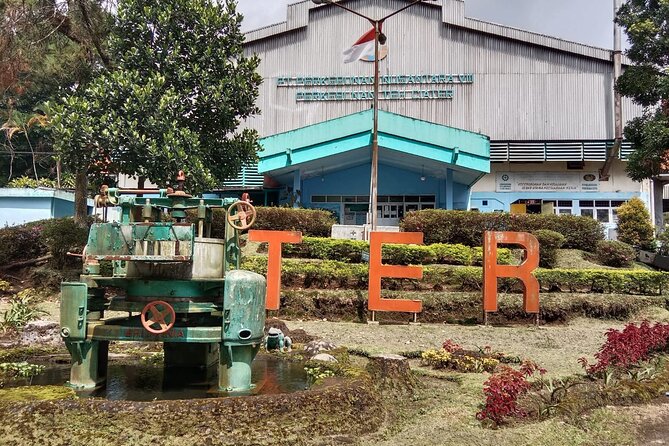
This is a “big sights” day, not a slow wander. The experience runs about 10 to 12 hours, moving you from Jakarta into the Bandung area, then over to Subang Regency, and back again—so you should plan around travel time first.
The good news: the stops are spaced so you get variety in one day. You start with the drama of a live volcano, then shift to a calmer pace with tea and coffee learning, and end with warm sulfur waters at Sari Ater. Along the way, you also get quick, local flavor stops—rice fields and fruit—so it’s not just viewpoints and shops.
Because it’s a private tour for your group, you can usually move at a human pace for photos and breaks. You also get an air-conditioned vehicle, bottled water, parking fees handled, and entrance tickets included as part of the package.
Practical tip: wear shoes you can walk in comfortably and bring a light layer. Even if the forecast looks fine in Jakarta, West Java can feel cooler near volcano and highland areas, and your feet will want something comfortable after the hot spring.
You can also read our reviews of more tours and experiences in Jakarta.
Tangkuban Perahu Volcano: watching sulfur fumes rise
Tangkuban Perahu is part of Indonesia’s Ring of Fire, and the payoff is the crater view. You’ll smell sulfur, and you’ll see fumes rising from the volcano during your visit. That combo—sight plus smell—makes this stop feel real, not staged.
The name is tied to a local legend, and it’s often explained as meaning upside-down boat. While legends aren’t the main point when you’re looking at a steaming crater, it’s a fun cultural detail that helps the landscape feel less random.
A few things to keep your expectations realistic:
- You’re visiting an active volcano, so conditions can change. The experience is about observing the crater area as you’re allowed to access it, not about expecting a perfect, movie-scene view.
- Come with sensible caution. Volcano areas can be slippery or windy depending on conditions. Wear closed-toe shoes and keep an eye on your footing.
- If you’re sensitive to altitude or dizziness, take that seriously. This tour is not recommended for altitude sickness.
What I like about this volcano stop is the built-in contrast. You don’t just stop at a scenic overlook—you get that immediate sensory reminder that this is a living system. Even if you’ve seen volcanoes before, the sulfur smell tends to reset your brain quickly.
Ciater tea plantation and government tea factory tour
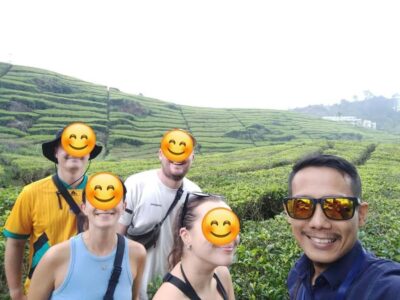
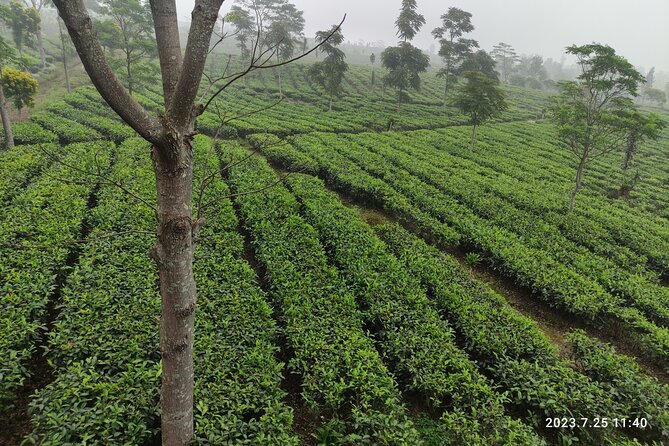
If you like coffee but you’re also curious about how everyday drinks are made, this part is a highlight. At Kebun Teh Ciater (Ciater tea plantation) you visit a tea factory where you can follow the steps of producing black tea.
This is the kind of stop that changes how you look at a package afterward. Tea isn’t just “tea leaves.” In the factory tour, you see the leaf-to-black-tea process step by step, and you get a tea drink included with the experience.
Then you continue outdoors with a walk through the plantation area. The goal isn’t heavy hiking; it’s a chance to see how the tea landscape looks in real life and how the valley setting affects the feel of the place. You’re getting both education and scenery without exhausting yourself.
Two practical notes:
- Bring something to protect you from light rain or mist if the weather shifts. The tour includes education and walking time, so you’ll want to stay comfortable.
- Tea factories can have rules for movement or photos depending on the day. If you want good pictures, wait for the guide’s cue rather than rushing.
This stop is also a nice reset after the volcano. Instead of fumes and intensity, you get a slower rhythm—handed over by the taste of tea and the view of plantation rows.
KLC Cafe & Resto and the luwak coffee option
Coffee here isn’t treated like a quick caffeine stop. The KLC Cafe & Resto stop is described as a traditional coffee pilot project, tied to Indonesia’s coffee culture. You’ll get an explanation of how one of the most expensive coffees in the world is made.
That famous coffee is luwak coffee (also spelled luwak). The important practical detail: luwak coffee tasting is not included. You pay $3 per person if you want to try it.
So how should you decide?
- If you’re a coffee person who likes learning the story behind expensive products, the optional tasting makes sense. It’s one thing to hear the reputation; it’s another to understand how it’s produced and what you’re actually paying for.
- If you’re not sure you want a specialty tasting, you can still enjoy the coffee stop as an education moment without adding cost.
Also, don’t underestimate this psychological shift. After learning about tea processing, coffee processing feels familiar. Same idea: production steps matter. That’s why this part fits so well into the day, not just as an extra stop.
Subang rice fields and village time: the short cultural beat
Subang isn’t long on time at each location, but the rice-field stop matters because it turns the day away from pure scenery. You’ll spend about 20 minutes visiting rice fields and a local village area, getting closer to farmers and seeing local activities connected to rice cultivation.
There’s a specific focus on paddy—how the paddy tree ties into Indonesian food as a main staple—and it’s framed as learning time, not just a photo stop. You might find this short segment especially useful if you’re doing a packed day and want something grounded and human.
A gentle reminder: since you’re with farmers in an active area, keep things respectful. Move slowly, listen when the guide explains, and don’t treat it like a theme park. A quick connection is often better than trying to do too much.
For many people, the rice field stop becomes the emotional balance point of the itinerary—right between the industrial-feeling factory lesson and the sulfur-water relaxation.
Fruit market break: pineapple and seasonal tasting
Right after the rice-field and village time, you’ll hit a fruit market stop called Fruit Paradise. It’s short—about 15 minutes—but it gives you a chance to taste local produce and buy fruit if you want.
The idea is simple: you’ll try special fruits from West Java, with pineapple called out as a standout option, plus other seasonal choices depending on what’s available.
This stop is useful because it adds something sweet and refreshing after earlier smells and warm outdoor walking. If you’re sensitive to long car days, having a small fruit snack can also make the ride home feel easier.
If you plan to buy fruit, keep in mind the day is long and you’ll be transporting it. Pick fruits that travel well, and follow the guidance of the stop staff for storage and handling.
Sari Ater hot spring: sulfur warmth for tired feet
The end of this tour is Sari Ater Hot Spring, one of the more popular hot springs in West Java. Here, the sulfur water is described as coming from volcanic activity and being mineral-rich.
Your practical time on-site is about 45 minutes. You can soak your feet in the warm sulfur waters, or you can enjoy the pool area depending on how the facility is set up that day. Either way, it’s designed for recovery.
I like this ending because it turns the day’s theme into comfort. You started with sulfur in the air at the volcano. You end with sulfur around you in warm water. That kind of thematic loop makes the day feel more intentional.
What to plan:
- Bring or wear swim-ready clothes if you want full pool time.
- If you prefer foot soaking, you still want comfort footwear earlier in the day.
- Facilities vary, and the package only explicitly lists tickets and entry. So if you have space in your bag, it’s smart to pack a small towel or cover-up.
This stop is also the best moment to reset your body before the long ride back to Jakarta.
Price and value: what $130 covers, and what to budget extra
At $130 per person, the value comes from what’s handled for you. Included in the price are bottled water, an air-conditioned vehicle, private transportation, parking fees, and entrance tickets. You also get the tea factory tour and the tea drink at Ciater, which is a real, tangible included activity rather than just a viewpoint stop.
What costs extra:
- Luwak coffee tasting is $3 per person.
- Lunch is not included.
If you’re comparing options, the biggest value question is how much you’d pay for the same combination of activities—volcano visit, factory tour, transportation, and multiple entrance tickets—if you planned it yourself. Given the time window and the number of stops packed into one day, this package price feels fair for people who want convenience without turning the day into a logistics puzzle.
Also, note that the tour is typically booked about 13 days in advance on average, which can matter if you want specific days. You’ll likely have fewer choices if you wait too long.
Finally, this is private for your group, which can make the day feel smoother and safer, especially when the guide and driver are named in the feedback as careful and accommodating—people like Erni and Neti, with a driver Affandi standing out for safe, attentive driving.
Who should book this Bandung and Subang tour
This tour fits best if you want a single-day hit list with real variety:
- You’re interested in coffee and tea production, not just souvenirs
- You want a memorable active volcano stop with visible fumes
- You want a low-effort recovery ending at Sari Ater
- You like the idea of mixing natural sights with short local cultural moments like rice fields and a fruit market
It may feel like a lot if:
- You get motion sickness or hate long car days
- You have altitude sickness concerns (this is not recommended)
- You prefer slow travel with fewer transitions between locations
It also seems like a strong choice for families because the day includes a mix of hands-on learning and relaxing time. If you’re bringing kids, you’ll probably appreciate the structure and the clear “one stop at a time” rhythm.
Should you book this tour?
If you want one efficient day from Jakarta that covers volcano, tea, coffee, rice fields, fruit, and hot spring—and you’re fine with a long schedule in an AC vehicle—this is an easy yes. The value is in the included transport plus the tea factory experience, and the sulfur hot spring gives you a satisfying finish.
But if you’re sensitive to altitude or you know you’ll struggle with extended driving, consider another plan with fewer stops. This tour is about doing a lot well, not doing one thing slowly.
FAQ
How long is the Bandung and Subang day trip from Jakarta?
The tour runs about 10 to 12 hours.
What’s included in the $130 price?
The price includes bottled water, an air-conditioned vehicle, private transportation, parking fees, entrance tickets, and the tea factory tour with a tea drink. Lunch is not included.
Is luwak coffee included?
Luwak coffee tasting is not included. It costs $3.00 per person if you choose to try it.
Do you tour a tea factory and a tea plantation?
Yes. You visit Kebun Teh Ciater for a tea factory visit where you learn the black tea process, and you also walk through the plantation.
How much time do you spend at the hot spring?
You spend about 45 minutes at Sari Ater hot spring. You can soak your feet in the warm sulfur water or use the pool.
Is the tour okay if I have altitude sickness concerns?
It is not recommended for travelers with altitude sickness. Most people can participate, but this volcano visit is the reason for the warning.