A trip to the Baduy feels like time travel. This full-day private tour from Jakarta takes you into West Java’s Banten region to meet the Baduy people in Baduy Luar village, where bamboo-and-rope homes and a no-electricity way of life still show through. I especially like the mix of culture talk and real movement, including a 5–8 km walk up and down the hills through farms. The one drawback to plan for: you cannot enter the inner Baduy area, and what you see is limited to areas locals allow tourists to visit.
You’ll start with pickup and an air-conditioned car drive of about 3 hours each way, then meet your representative to handle the required on-arrival administration. A good English-speaking guide helps make sense of what you’re seeing, including the difference between the black-clothed outsider communities you can interact with more and the white-clothed holy insider groups you can’t reach the same way. If you’re picky about comfort, note that this is a walk day, and footwear rules in Baduy tradition are part of the cultural reality.
In This Review
- Key Things I’d Watch For on This Baduy Day Tour
- Baduy Culture on a Day Trip from Jakarta
- Getting There: The 10-Hour Private Tour Reality
- Baduy Luar Village: Houses, Weaving, and What You Can Touch
- Crafts: where your photos turn into souvenirs
- Daily work you’ll recognize fast
- Insider vs outsider: how access really works
- The Hill Walk (5–8 km): Rice Fields, Carriages, and Photo Stops
- What I’d do to get the most out of the walk
- Respecting Rules: What You Should Expect to Hear and Follow
- Price and Value: Why $130 Can Make Sense Here
- The People Factor: Guides, Punctual Pickup, and Feeling Comfortable
- Lunch, Water, and the Optional Extras You Might Catch
- Who This Baduy Tour Suits Best
- Should You Book This Baduy Tribal Tracker and Village Tour?
- FAQ
- How long is the Baduy tribal tracker and village private tour?
- What’s included in the $130 per person price?
- Is pickup included?
- Is this tour private or shared?
- Will I have access to the inner Baduy area?
- Is lunch included, and is water provided?
- What’s the cancellation window?
Key Things I’d Watch For on This Baduy Day Tour
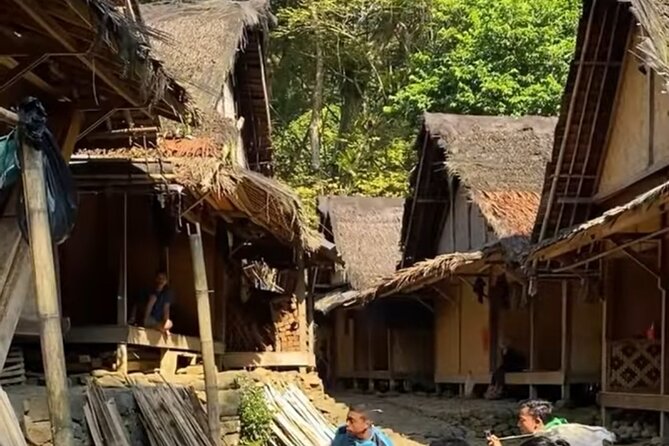
- A guided look at Sunda Wiwitan life outside the inner area, with clear rules on what you can access
- Real village scenes: weaving, farming routines, rice fields, and everyday goods like honey and sugar
- The hill walk (5–8 km) where you’ll follow paths, pause for photos, and meet people along the way
- Baduy handicrafts you can actually buy like woven sarongs and batik-style pieces
- English guidance that makes it make sense, with Ferdy specifically praised for helping guests feel at ease
Baduy Culture on a Day Trip from Jakarta
Baduy people are one of West Java’s best examples of a community that resisted outside change for generations. They call their traditional way Sunda wiwitan, and the stories go back to when the group became isolated in the mid-1500s. Later influences came from the Muslim or sultanate of Banten era, and even through the colonial period, outsiders were mostly kept at a distance—often with the Baduy themselves acting as the guardian of the inner.
That context matters because this tour is not a theme-park performance. You’re visiting a living system: bamboo and wooden construction, rope-based building methods, and daily life without electricity. Even small details—like the traditional expectation of going without sandals—are part of the bigger pattern: they walk as far as needed, and they use what their environment gives them.
What makes this tour interesting from a visitor’s point of view is the balance. You get a guided walk (not just a bus ride), plus time to see houses, rice fields, and craftwork up close. The day is also built around access limits, so you’re seeing Baduy Luar village rather than trying to force entry into the inner communities that are restricted.
You can also read our reviews of more tours and experiences in Jakarta.

Getting There: The 10-Hour Private Tour Reality
This is a private tour for your group only. That means you’re not squeezed into a large shared bus with strangers, and you can move at the pace your English guide sets.
Plan for about 10 hours total, and remember that includes pickup and drop-off time. The car drive is roughly 3 hours each way, so you’re spending a lot of the day in motion before you even start the village portion. An air-conditioned vehicle helps, especially on a day when you’ll be outside most of the time afterward.
The tour is set up with included basics that matter for a long day: lunch is included, and bottled water is provided. There’s also a representative to help handle on-arrival administration, which is a real thing here—Baduy access isn’t just “show up and walk in.”
You’ll also see practical add-ons in the setup. There’s pickup offered, you get a mobile ticket, and group discounts are mentioned (usually helpful if you travel with friends and book together). If you want to support the guide who does the heavy lifting, a driver guide tip is listed as not compulsory, with a common reference point of $5 per person.
Baduy Luar Village: Houses, Weaving, and What You Can Touch
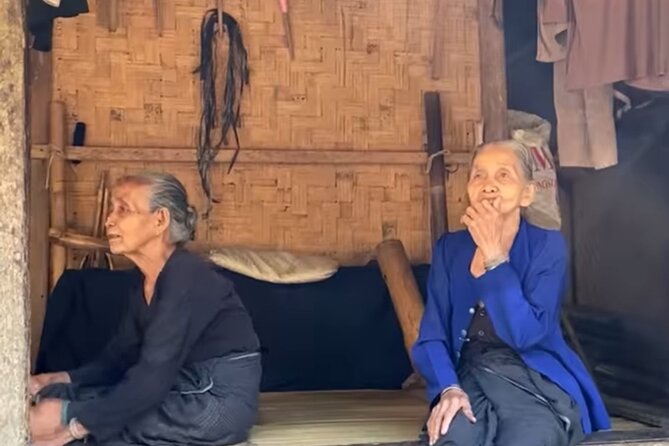
The Baduy Luar village stop is where you start to connect the dots between tradition and daily life. You’ll arrive, then your representative handles the administration before you begin sightseeing. This part can feel slow if you’re used to fast check-ins at normal attractions—but here it’s part of the process, and it helps set expectations for respectful behavior.
From there, you’ll explore the village and the surrounding community areas. You should expect to see bamboo house construction and the handmade texture of daily life. Houses are made from bamboo and wooden materials tied with rope, not the usual concrete, and the lack of electricity isn’t an abstract idea—it’s something you notice right away.
Crafts: where your photos turn into souvenirs
A big highlight of this tour is the handicrafts. Women are known for weaving, and the village also produces clothing and batik-style items. One review-focused theme in the feedback I saw is that the woven sarongs and handmade pieces are genuinely beautiful, not just mass-made “tourist goods.” If you like taking home something that feels tied to a place, this is one of the more meaningful spots in a Java itinerary.
I’d treat buying as part of the visit, not a separate transaction. Ask questions through your English guide, and give yourself time to look closely at textures and patterns.
Daily work you’ll recognize fast
Baduy daily life is split into visible roles. Men typically do farming, while women do weaving and childcare, and sometimes women join farming tasks too. Even if you don’t speak local languages, the routine shows in the way work moves through the day.
As you walk around, you may also see what’s growing and what’s stored—rice fields and barns are mentioned, along with plants like coffee, coconut, and peppers. In other words, this is agriculture you can see, not agriculture you only hear about.



Insider vs outsider: how access really works
Baduy is described in two categories: holy (white) insider groups and outsider groups (black). The tour information is clear that visitors can interact more with black outsider communities. That doesn’t just affect who you meet—it shapes what you’re allowed to do and how close you can get.
And here’s the line you should not ignore: tourists cannot enter the inner Baduy area; only locals are permitted there. So when you book, treat the access as respectful limitation, not a disappointment. Your visit is designed for Baduy Luar and permitted viewpoints and interactions.
The Hill Walk (5–8 km): Rice Fields, Carriages, and Photo Stops
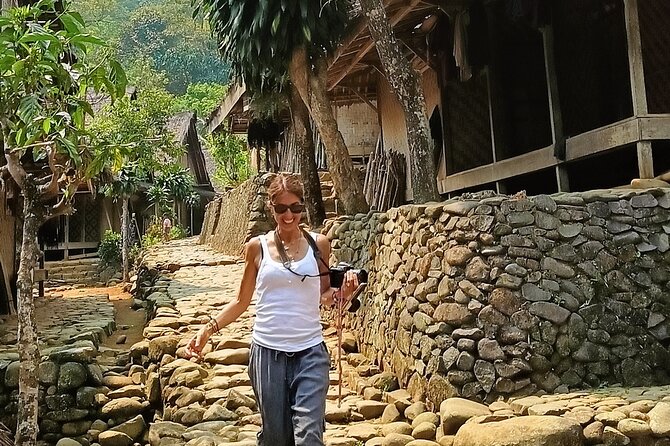
After village exploration, the day shifts into walking. The trek is described as 5–8 km, going up and down hills. That’s not a casual stroll, and it’s one reason this tour feels different from many “cultural stops” that are mostly sitting and watching.
Along the paths, you can expect to meet local people and see their routines. There’s mention of meeting locals with their carriages as you go, plus opportunities to stop for photos. The route passes rice fields and other farm areas, so the scenery changes as you climb and descend.
What I’d do to get the most out of the walk
- Wear shoes with real traction. The tour information doesn’t promise smooth ground.
- Bring a light layer. You’re in open air, and the hills can shift conditions.
- Pace yourself and trust your guide’s timing. The walking portion is a central feature, not a minor add-on.
Some descriptions also point to you sampling local fruit and seeing everyday village activities like rice grinding, plus visiting local huts. You might catch small moments like that if your timing lines up with what’s happening that day, but the main constant is the walk and the farm-village setting.
Respecting Rules: What You Should Expect to Hear and Follow
When cultures have access boundaries, the etiquette matters. In this tour, the biggest rule is the inner Baduy restriction. You can’t enter the inner area as a tourist, and there’s also a note that if a tour is combined with other shared local activities, you could lose direct contact—so it’s worth keeping your group tightly linked to your English guide and representative during the day.
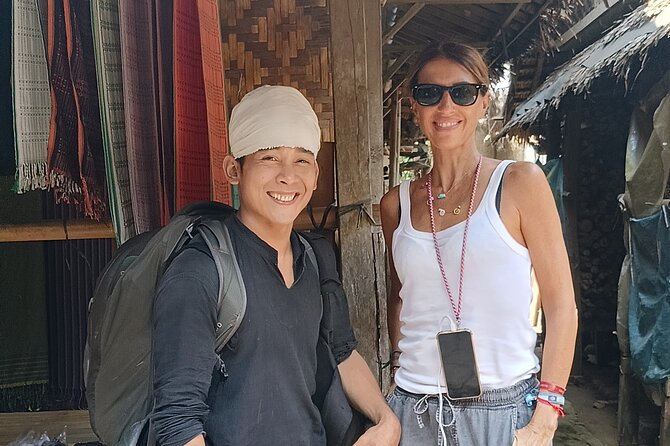
Also remember how the tour explains social categories. White holy insiders are more restricted, and black outsiders are the groups you can interact with more. Your guide should help you navigate what’s appropriate—what questions to ask, how to behave around people, and how to handle photography respectfully.
A practical way to think about it: your “success” isn’t about getting a perfect photo from every angle. It’s about seeing how a community lives without modern touches like electricity and how people keep tradition by choice and by rules.
Price and Value: Why $130 Can Make Sense Here
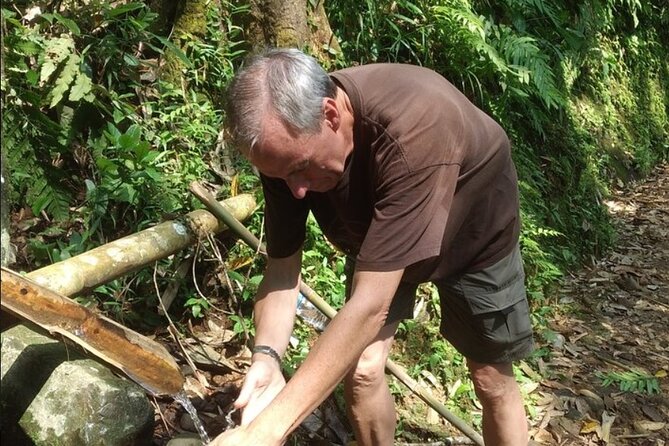
At $130 per person, this tour isn’t the cheapest thing you can do from Jakarta. But it can be good value if you care about three specific things:
- Private, English-guided access to a remote area
The drive is long, and the local access process is handled with on-arrival administration. You’re paying for that friction to be managed.
- A full day that includes lunch, water, and transport
Lunch is included, bottled water is included, and you have an air-conditioned vehicle plus private transportation. Those basics help justify a higher price than you’d pay for a simple “transfer + entrance ticket” style tour.
- A real walking cultural experience
The 5–8 km hill walk turns this into an active visit. You’re not just pulled past photo spots. You’re moving through the environment where farming and daily life happen.
Where the value equation can change is your personal comfort level. If you hate walking or you want guaranteed access to the most restricted inner areas, this tour won’t match your expectations. But if you want a respectful look at Baduy Luar and the everyday rhythms—crafts, farms, houses, and people—it’s a straightforward, sensible use of a day.
The People Factor: Guides, Punctual Pickup, and Feeling Comfortable
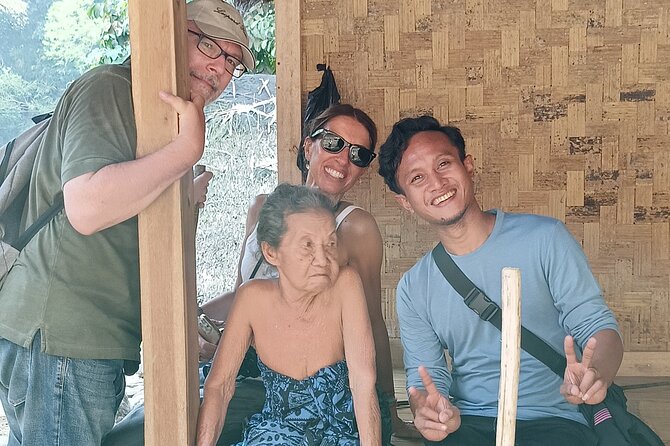
One of the most praised parts in the feedback I looked at was how easy the day felt thanks to the guide. Ferdy is specifically mentioned as helpful and excellent, with strong English and the ability to answer questions. That matters because Baduy culture is full of details that you’d miss without context—Sunda wiwitan, the outsider/insider structure, and why the village has access limitations.
Punctuality is also highlighted. A day that’s already long is easier when your pickup is on time and the driver drives safely. Even small issues like delays can create stress, and on a walk-heavy itinerary, stress is the enemy.
There’s also mention of friendly behavior from the team and a responsive operator. If communication matters to you, that’s worth noting—especially on a day where you’re entering an environment with rules and local permissions.
Lunch, Water, and the Optional Extras You Might Catch
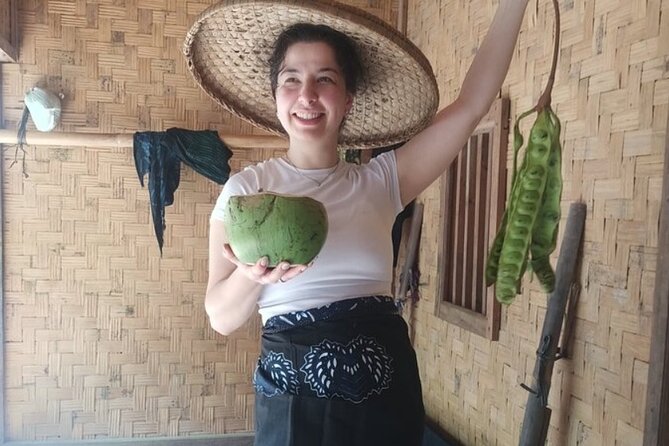
Lunch is included, and bottled water is provided. That’s the practical part.
Beyond that, some feedback mentions a local Indonesian music performance during the day. However, since performance timing isn’t guaranteed in the provided details, treat it as a possible bonus rather than a promise. The core structure of the day is village exploration and the walk.
Shopping is also an “extra,” but it’s a meaningful one. You’ll likely have opportunities to see and buy woven goods and other traditional items. I recommend you bring a bit of cash and keep an eye on how your guide wants you to handle purchases respectfully.
Who This Baduy Tour Suits Best
This tour fits best if you:
- Want a culture-and-workday experience, not just a quick sightseeing stop
- Enjoy walking through real farm settings and taking photos responsibly
- Care about handicrafts like woven sarongs and handmade clothing
- Prefer a guide who can explain the meaning behind what you’re seeing (English support helps a lot)
It might be less ideal if you:
- Want to enter inner Baduy areas (tourists can’t)
- Dislike long drives and long days with walking
- Need high physical comfort or expect city-style convenience the whole time
Should You Book This Baduy Tribal Tracker and Village Tour?
I’d book this if your goal is an honest day with the Baduy people in Baduy Luar: bamboo houses, weaving and farming routines, and a guided hill walk through rice-field country. The included lunch, bottled water, AC transport, and a private English-guided format make the higher price easier to justify. Plus, the guide quality seems to be a real strength, with Ferdy specifically praised for English and helpful explanations.
Skip it only if you’re holding out for inner Baduy access or you want a low-effort, minimal-walking cultural outing. This is a walking day with cultural boundaries built in—and that’s exactly why it feels real.
FAQ
How long is the Baduy tribal tracker and village private tour?
The duration is about 10 hours, and that total includes pickup and drop-off time.
What’s included in the $130 per person price?
It includes all fees and taxes, lunch, an air-conditioned vehicle, private transportation, bottled water, and a representative.
Is pickup included?
Yes, pickup is offered.
Is this tour private or shared?
It’s a private tour/activity, and only your group will participate.
Will I have access to the inner Baduy area?
No. The tour information states that tourists can’t enter the inner Baduy area; only locals are permitted there.
Is lunch included, and is water provided?
Yes. Lunch is included, and bottled water is provided.
What’s the cancellation window?
You can cancel for a full refund if you cancel at least 24 hours before the experience’s start time, and cancellation is free up to that point.