Sulfur air and tea steam in one day. I like how this trip strings together Tangkuban Perahu and the Sari Ater Hot Spring for real, sensory experiences. I also love that you get more than photos at the tea plantation—there’s a guided factory process and tastings. The trade-off is simple: you’re committing to a long day with about 3 hours of driving each way from Jakarta.
I’ve found the quality of a guide matters most on this kind of trip. Here, English-speaking guides (with names like Neti) and drivers such as Fundi, Afandi, Robbie, and Mr. Rana have helped make the timing feel smooth, even when weather throws a curveball. One consideration: the tea factory setup may not run the same way every day (it may not have the process on Mondays).
If you like small local stops, you’ll get your fix: pineapple tasting, rice fields with active farmers, and coffee culture in the highlands. Just know this is walking-heavy at the volcano and in plantations, and it’s not a fit for everyone.
In This Review
- Key highlights worth your attention
- A long Jakarta-to-highlands day that still feels worth it
- Pineapple Fruit Paradise: quick, sweet, and very West Java
- Subang Regency drive: where rice fields and villages come into focus
- Tangkuban Perahu volcano: sulfur smells, crater views, and a weather rule
- Optional bottom trekking (only when conditions allow)
- Lembang lunch break: plan for time, not a fixed meal
- Luwak coffee at Cikole: the story and the tasting
- Ciater tea plantation and factory: black tea from leaf to packaging
- Plantation walk with valley views
- Sari Ater Hot Spring: warm sulfur feet and real downtime
- What you pay ($123) and what’s included versus extra
- Who should book this, and who should skip it
- Practical tips to make the day smoother
- Should you book this private Java combo?
- FAQ
- How long is the tour?
- Where does the tour start and end?
- Is the tour private?
- Are entry tickets included?
- Is lunch included?
- Is the luwak coffee drink included?
- Do I get tea at the tea factory?
- Is the tea factory process available every day?
- Can I trek to the bottom of the volcano crater?
- Who might want to avoid this tour?
Key highlights worth your attention
- Pineapple Fruit Paradise: short walk, photos, and juicy local tasting
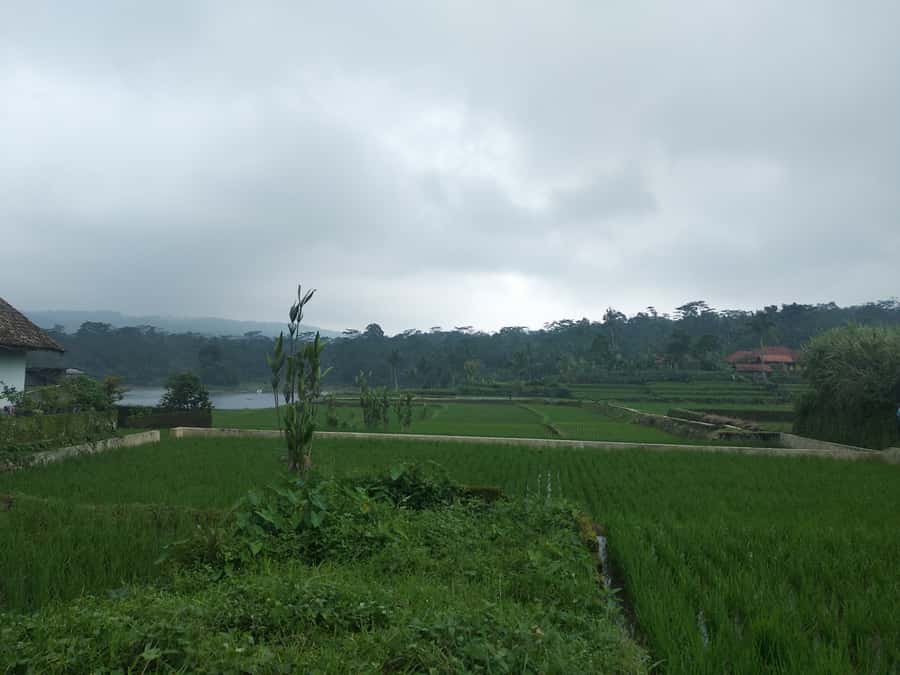
- Rice fields near Subang: up-close looks at farmers’ daily rhythm
- Tangkuban Perahu crater walk: main crater views plus optional bottom trekking when weather allows
- Luwak coffee Cikole: learn the process and taste the specialty (coffee drink costs extra)
- Ciater tea plantation + factory: black tea production explained from picking to packaging
- Sari Ater sulfur foot soak: warm reset after the walking
A long Jakarta-to-highlands day that still feels worth it
This is a private, full-day trip that takes you out of Jakarta and deep into West Java’s highlands, usually around Bandung and Subang. The drive is long—plan on roughly three hours each way—so you want to treat the car time as part of the experience, not time wasted.
The value is built into the mix. You don’t just pick one “big” sight. You get an active-volcano crater, a working tea plantation and factory process, a sulfur hot spring, plus two very local food-and-farm stops (pineapples and rice). That kind of variety is hard to stitch together on your own in a single day without stress.
Because it’s private, you’re not stuck with a bus schedule or forced pacing. You also avoid the ticket line at the volcano and hot spring, which helps when time is tight.
You can also read our reviews of more tours and experiences in Jakarta.
Pineapple Fruit Paradise: quick, sweet, and very West Java
Your day often starts with a break at a pineapple-focused stop in the region. Think of it as a fruit “reset” before the highland climbs. You get time for photos, a short walk, and local snacks, plus fruit tasting.
What I like about this stop is that it’s not presented as a distant souvenir shop. The whole point is freshness and flavor—pineapples with that real, juicy bite you can’t quite replicate once they’re shipped far and sitting on shelves. If you like tasting your way through places, this is a good early win.
Practical tip: bring a camera and expect you’ll want close-up shots. There’s also time for a quick market-style stop, so you can grab small snacks or drinks if you need them later.
Subang Regency drive: where rice fields and villages come into focus
Once you’re moving toward the highlands, the road itself becomes part of the story. You pass rubber plantations, tea plantations, local villages, and highland scenery. This is the moment where you stop seeing Java as just a capital city route and start seeing it as working land.
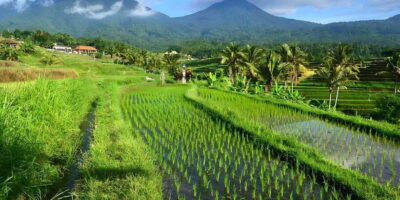
There’s also a dedicated stop to watch rice fields and farmers at work. It’s one of those moments that makes the day feel grounded. Instead of just viewing nature, you see livelihoods in motion—how people farm, how fields sit within the local routines, and how the highland environment shapes daily work.
Why it’s worth your time: rice farming is slow and repetitive in the way that matters. You won’t see a “show,” but you’ll see how real life functions. For many people, that’s the most memorable part of the cultural side of West Java.
Wear shoes you’re comfortable walking in. This isn’t a paved-stroll-only kind of stop.
Tangkuban Perahu volcano: sulfur smells, crater views, and a weather rule
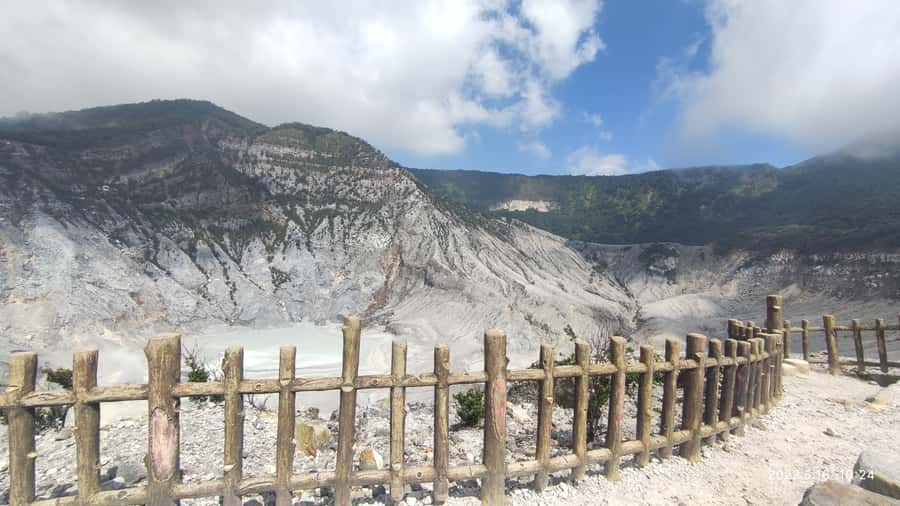
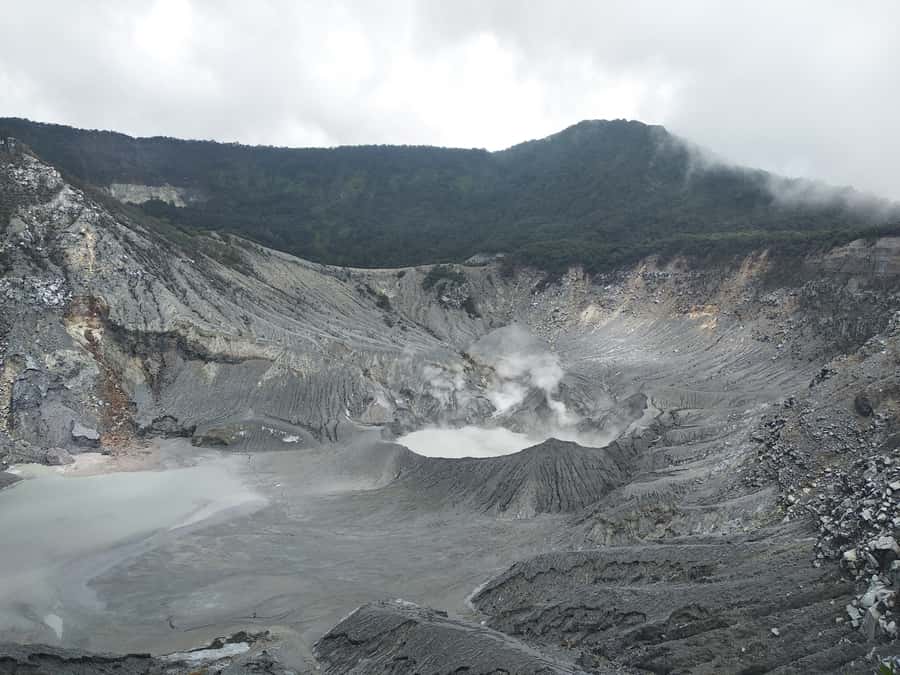
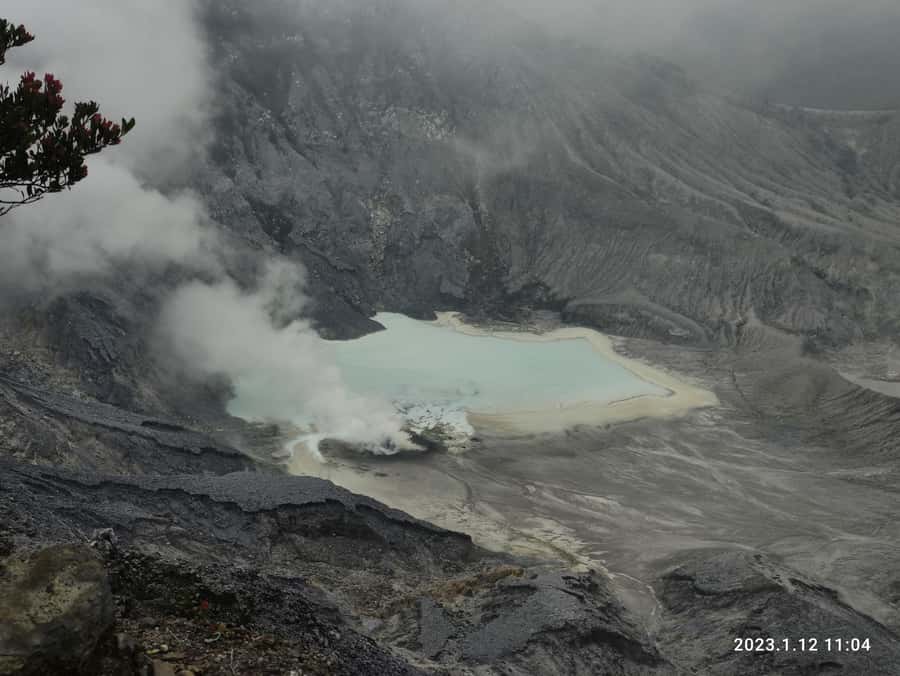
The heart of the volcano segment is the Tangkuban Perahu area. You’ll walk along the main crater path, and yes—you’ll smell the sulfur. It’s the kind of smell that hits fast and makes the whole setting feel unmistakably volcanic.
You’ll also get a sense of scale. Craters are hard to photograph well, mainly because your brain can’t judge depth from a single angle. Walking the main crater path helps your eyes build the right picture.
Optional bottom trekking (only when conditions allow)
If you’re up for more effort, there’s an option to trek down toward the crater bottom. It’s about 3 km round trip. The key detail is weather: if it’s raining or there are thunderstorms, you won’t be allowed to go down. You’ll stick to the main crater walk.
I like this approach because it keeps safety real. Mist and rain can also reduce visibility, but that’s where good guiding matters. In past groups, a guide named Neti has handled mist by adjusting the order—sending people for coffee first and returning later when the crater could be seen better.
Practical tip: pack a light jacket even if it feels warm in Jakarta. Highland air can change quickly, and a crater doesn’t care about your plans.



Lembang lunch break: plan for time, not a fixed meal
After the volcano, you’ll get a lunch break in the Lembang area. The tour provides about an hour or so for lunch, but lunch itself is not included in the price.
This is a good moment to refuel without turning the day into a sit-down marathon. If you have food preferences, this is where your guide can help you aim for something that matches your taste. In at least one group experience, the guide worked to accommodate a requested restaurant style for dinner later too, which is a nice example of how flexible the service can be.
If you’re sensitive to spices, keep it simple when you order. You’ll thank yourself on the drive back.
Luwak coffee at Cikole: the story and the tasting
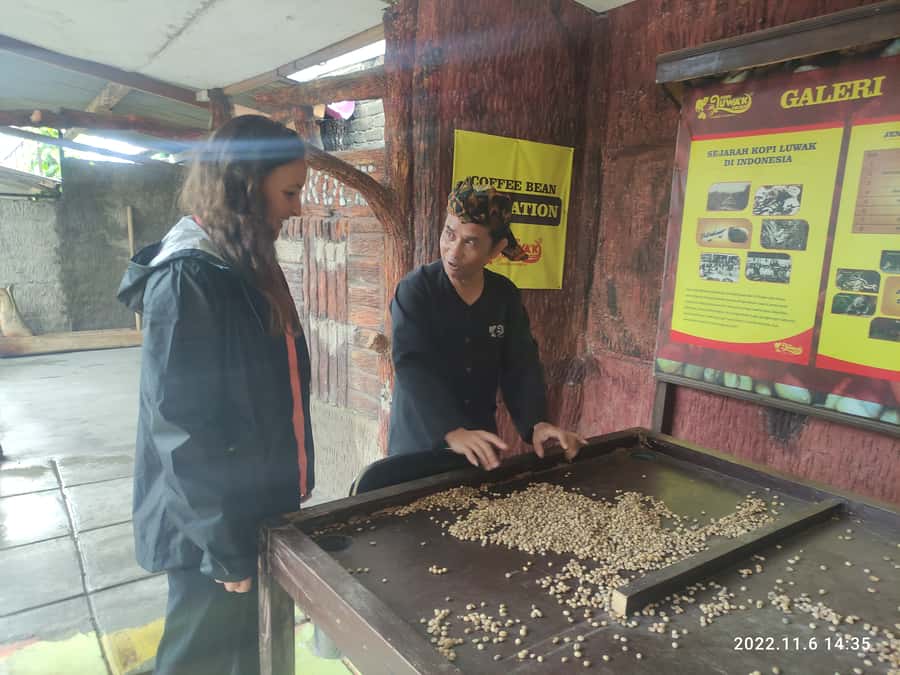
Next up: coffee. Specifically, luwak (civet) coffee at Cikole. This is one of Indonesia’s most famous specialty coffees, and it has a reputation for being expensive—so your first question should be: what do you actually do here?
You learn how the coffee is made and you get a tasting session. The drink itself is not included, so if you want to try a cup (or buy a bag to take home), that’s on you.
What I like about this stop is that it explains the process in a way that connects the coffee to the land and the animals involved. It’s not just sampling; it’s the meaning behind the price tag. Even if you don’t pay for a full coffee drink, the tasting + story still makes the visit feel purposeful.
If coffee isn’t your thing, you can still get value from the education and the break from walking.
Ciater tea plantation and factory: black tea from leaf to packaging
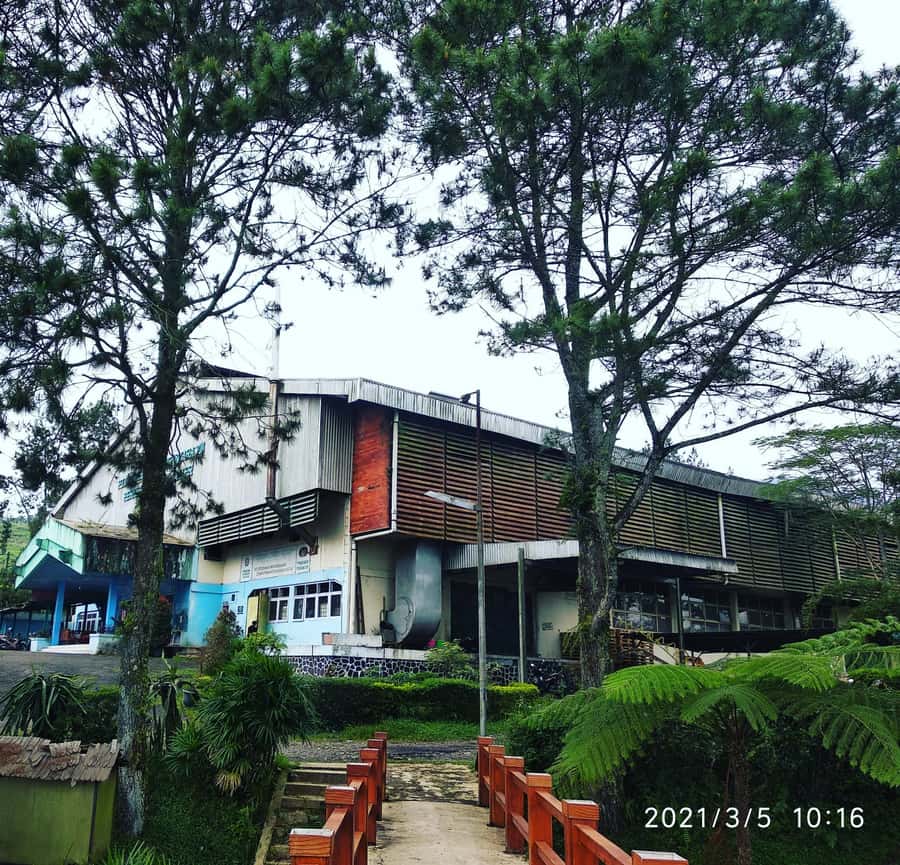
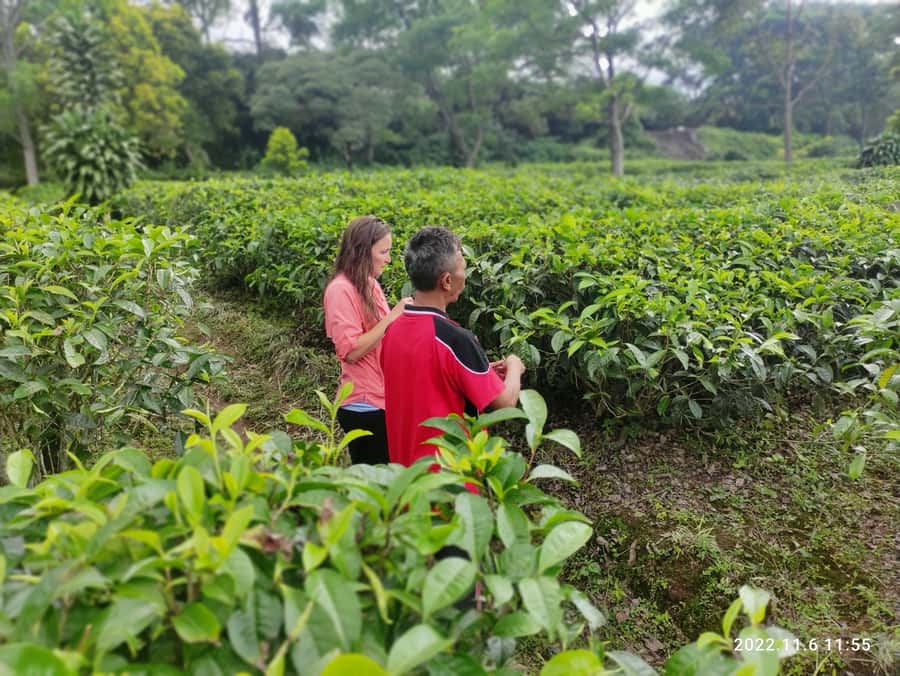
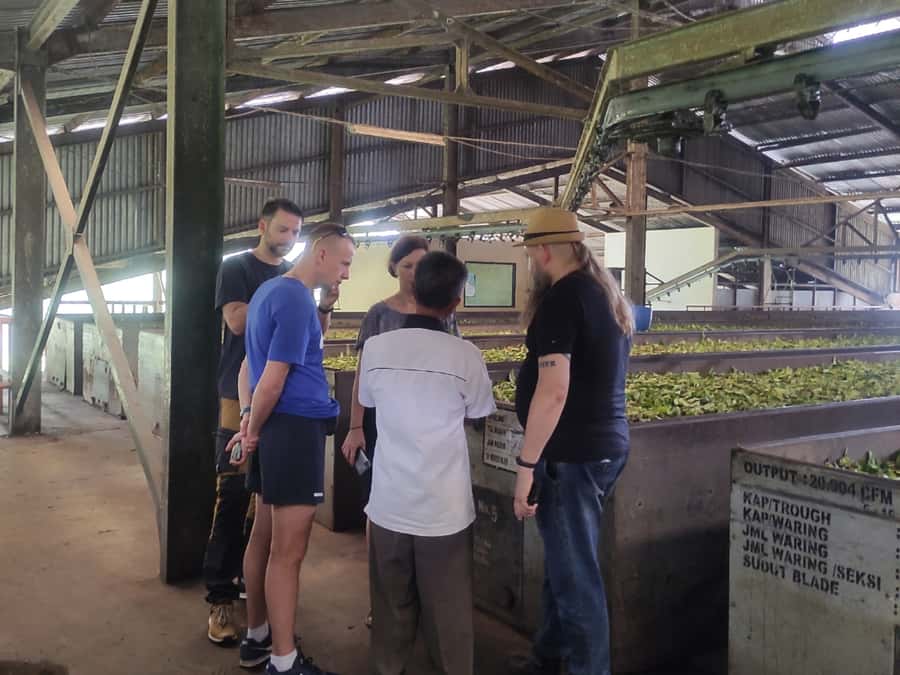
This is one of the most hands-on parts of the day. You’ll visit a tea plantation area (Ciater in the Subang region) and then go to the tea factory where black tea production is explained.
You’ll learn the process starting from leaf picking and moving through the steps that lead to packaged black tea. The explanation is guided by a factory officer, not just a quick walkthrough. And the tea is not stingy—you can drink as much tea as you want during the visit.
Plantation walk with valley views
After the factory portion, you’ll also get time to walk through the tea plantation and enjoy the valley views. This is where the highland climate shows up: cool air, tea fields arranged in tidy rows, and a sense of space you don’t get in Jakarta.
Important detail for planning: the tea factory may not have the process running every Monday. If your trip lands on a Monday, you may still see the area, but the factory activity might differ.
Bring a camera. Tea color and light change fast, and you’ll want more than one angle.
Sari Ater Hot Spring: warm sulfur feet and real downtime
By the time you reach Sari Ater Hot Spring, your legs have probably told you the truth. This stop is designed for recovery.
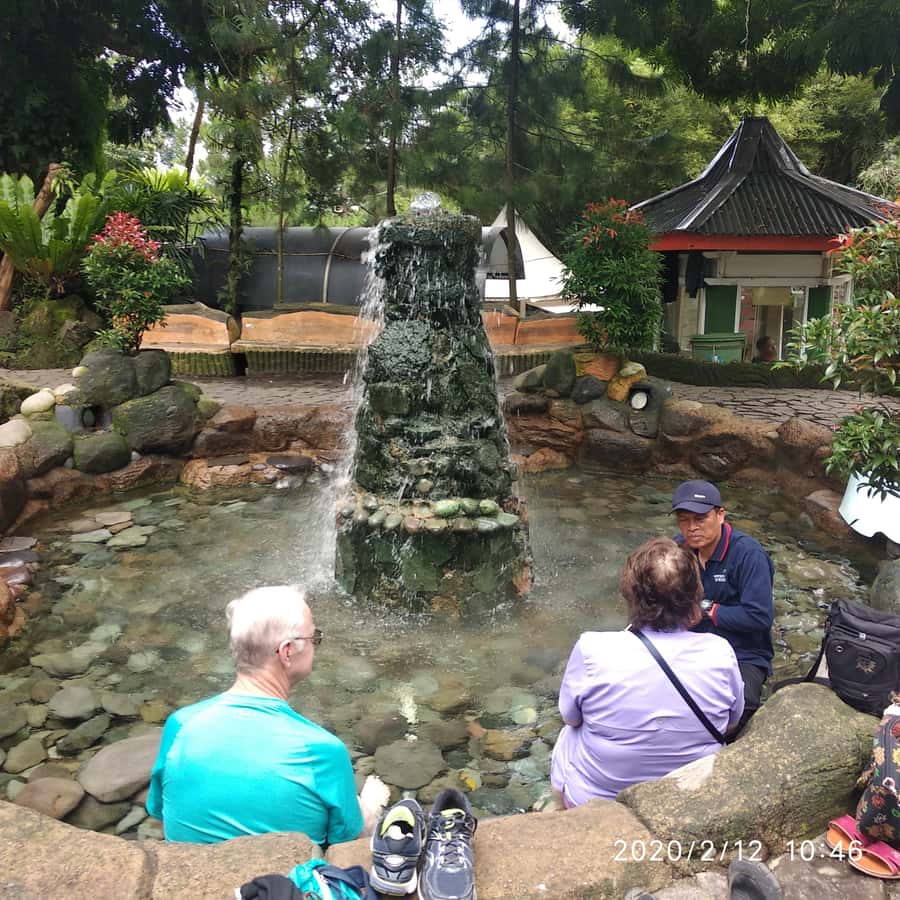
You’ll visit and then soak your feet in the warm sulfur-rich waters. The sulfur smell is part of the deal. If you’ve never tried it before, don’t panic—that smell can feel intense at first, then it becomes background once your body relaxes.
This is one of the best times in the day to slow down. The hot spring portion is about forty minutes, which is long enough to feel relief without dragging the schedule.
Shoes come off for the moment of relaxation, but still wear practical footwear. The walkways around hot springs can be slippery.
What you pay ($123) and what’s included versus extra
At around $123 per person for a 12-hour private day trip, the question is value: what’s included that you’d struggle to replicate cheaply on your own?
Included:
- Hotel pickup and drop-off inside Jakarta
- Private car and toll/parking
- English live tour guide
- Entry tickets for Tangkuban Perahu and Sari Ater Hot Spring
- Mineral water
- Fruit tasting
- Tea factory tour with tea drinking
- Skipping the ticket line at the main sites
Not included:
- Lunch at an Indonesian restaurant (you get time to eat, you pay)
- Luwak coffee drink (tasting is included, ordering coffee is extra)
- Personal expenses
My take: the price makes sense if you want a tight loop of major sights plus practical value add—private transport, guides, and the entries. The two “likely extras” are lunch and the luwak coffee drink. If you’re budgeting, set money aside for those upfront so they don’t surprise you later.
Who should book this, and who should skip it
This tour is best for people who want a full day of West Java in one package: active volcanic views, tea culture, and two food-and-farm stops.
It’s not suitable for:
- Wheelchair users
- People with respiratory issues
- People with altitude sickness
The volcano area and highland air matter here. Even if you can walk, your breathing and comfort come first.
It also involves walking. Volcano areas require comfortable shoes, and if trekking down is offered and allowed, you’ll need proper traction and stamina.
If you want a day that’s mostly relaxed with minimal steps, this probably isn’t the right fit.
Practical tips to make the day smoother
A few small things can save you from feeling rushed.
Bring:
- Comfortable shoes (seriously, for the crater walk and possible trekking)
- Towel (helpful for hot spring time)
- Camera
- Jacket
- Comfortable clothes
- Cash
Know the movement:
- Volcano walking is part of the plan. The “main crater only” option is still walking.
- Hot spring is a soak, not a swim session focused on laps, so your goal is comfort and recovery.
Plan around weather:
- Trekking to the crater bottom depends on conditions. If there’s rain and thunderstorms, you’ll only go along the main crater path.
- Mist can reduce views, and a good guide may adjust the schedule to protect your chance of seeing the crater clearly.
Also note: the tea factory may not have its process running every Monday, so expect some variation.
Should you book this private Java combo?
I’d book it if you’re spending limited time near Jakarta and you want a real slice of West Java—volcano, tea, sulfur hot spring, and working farms—in one day. The private setup, English guide service, and the tea factory tastings make it feel more than just a long car ride.
Skip or rethink it if:
- you can’t handle walking at altitude-ish highland conditions
- breathing issues or altitude concerns might flare up
- you want minimal driving and lots of downtime
If you’re okay with a full schedule and you like hands-on stops (factory process, coffee story, farm sights), this is a strong use of a day.
FAQ
How long is the tour?
The tour runs about 12 hours.
Where does the tour start and end?
It includes hotel pickup and drop-off inside Jakarta, with return back to Jakarta at the end of the day.
Is the tour private?
Yes. It’s a private group and it does not combine you with other participants.
Are entry tickets included?
Yes. Entry tickets are included for Tangkuban Perahu volcano and Sari Ater Hot Spring.
Is lunch included?
No. Lunch at an Indonesian restaurant is not included, though you’ll have time scheduled to eat.
Is the luwak coffee drink included?
No. The luwak coffee drink is not included. You can still do the coffee tasting, and the drink would be an extra purchase if you order.
Do I get tea at the tea factory?
Yes. The tea factory visit includes tea drinking, and you can drink as much tea as you want during the visit.
Is the tea factory process available every day?
Not necessarily. The tea factory will not have process every Monday.
Can I trek to the bottom of the volcano crater?
That depends on weather. If it’s raining with thunderstorms, you won’t be allowed to go to the bottom. You’d stay on the main crater walk instead.
Who might want to avoid this tour?
It’s not suitable for wheelchair users, people with respiratory issues, and people with altitude sickness.