A volcano summit in two days takes nerve. The Mount Rinjani 2 Days 1 Night trek via Sembalun is built around a steady altitude climb, then an early-morning push that pays off with big views over Lombok and beyond. I like that the pacing gives you time to acclimatize up to the crater rim, and then it flips into a sunrise-focused schedule.
Two things I especially like: the plan has you camping at the 2,639m crater rim so you get sunset and sunrise chances from camp, and the route landmarks make it easier to track the effort as you pass the posts and climbs. One consideration: this is still a serious hike, with a 2:00am start and steep sections, so you’ll want to be honest about your fitness before committing.
In This Review
- Key Highlights You’ll Actually Feel on the Trek
- Why the Sembalun Route Works for a 2-Day Rinjani Summit
- Day 1: Sembalun Meadows to the 2,639m Crater Rim Camp
- Day 2: The 2:00am Wake-Up and the 3,726m Sunrise Summit Push
- What’s Included (and What You’ll Need to Bring Yourself)
- Guides, Porters, and the Feeling of Being Looked After
- Water, Food, and the Real Deal on “Comfort at Altitude”
- Weather Rules and How Cancellation Works Without the Drama
- Price and What $170 Really Buys You
- Who This Trek Suits Best (and Who Might Struggle)
- Should You Book Mount Rinjani for 2 Days 1 Night?
- FAQ
- What time does pickup and the trek start?
- What altitudes will we reach during the 2 days?
- Is the national park entrance fee included in the price?
- What trekking gear is not included?
- How much water is provided?
- What happens if the trek is canceled due to bad weather?
Key Highlights You’ll Actually Feel on the Trek
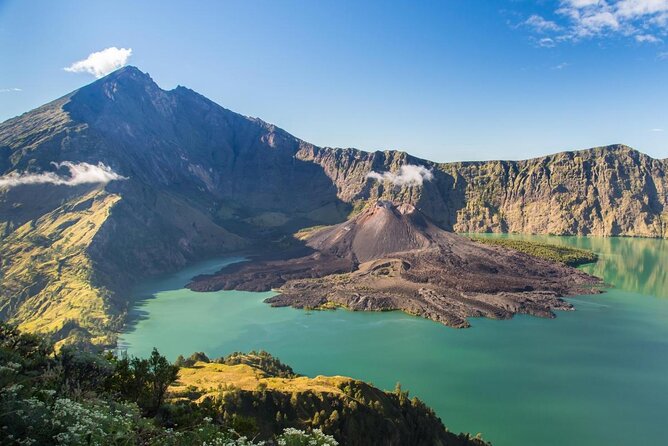
- Sembalun pacing: gentle meadow hiking first, then gradual work up to the crater rim
- Crater-rim camp at 2,639m: you’re not just “sleeping near the action,” you’re placed for sky views
- 2:00am wake-up + 3:00am summit push: clear timing to reach the 3,726m summit for sunrise
- Guides and porters: an English-speaking guide plus porters who carry cooking and camping gear
- Comfort basics included: tent, sleeping bag, mattress, pillow, and a toilet tent with paper
- Water support: 3 litres of mineral water per person per trek day is included
Why the Sembalun Route Works for a 2-Day Rinjani Summit
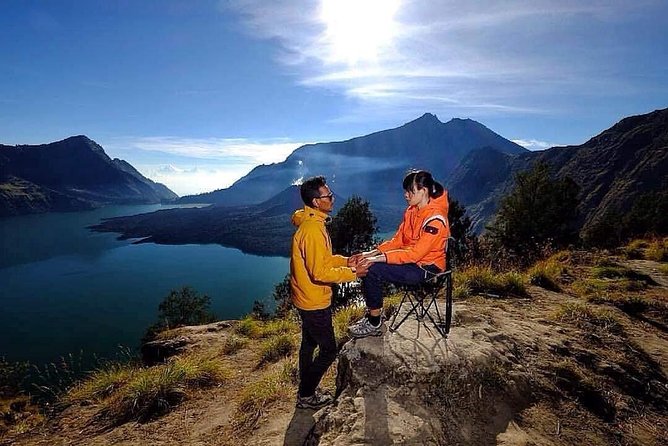
If you’re short on time but still want a true Mount Rinjani summit experience, the Sembalun approach is one of the most logical choices. The trek starts at about 1,156m and steadily lifts you toward the crater rim, which matters because you’re going to spend the night at high altitude. That single design choice helps you avoid the worst kind of “show up and suffer” plan.
You also get a schedule that respects the daylight problem. The second day is designed around darkness-to-dawn hiking so you’re not walking a summit route in cold, flat-out daylight with poor visibility. The trade-off is the early wake-up, but you’re buying sunrise payoff.
This is also a practical setup for groups. It’s a private tour/activity for your group, but you’ll still be moving at a pace guided by an experienced team, not solo guesswork.
You can also read our reviews of more tours and experiences in Lombok.


Day 1: Sembalun Meadows to the 2,639m Crater Rim Camp
You start with pickup from your hotel area (Senaru or Sembalun), with the trek start aimed around 8:00am after a 7:00am pickup window. That timing is smart because you get morning light and you avoid arriving late and wasting daylight.
The first part is a gentle climb through open meadow. After about 2 hours, you reach Post 1 at around 1,300m (listed as 1,1300m). Another 40 minutes brings you to Post 2 at 1,500m, then you pause for lunch there. This is a solid structure: it breaks the climb into digestible steps and gives you a fuel stop before the next ascent.
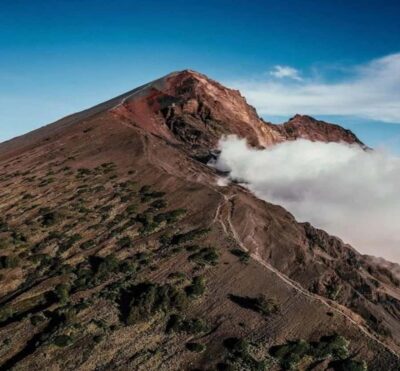
From Post 2 to Post 3 (around 1,800m), expect more effort. Then the day turns into the main altitude push: after resting at Pos 3, you continue up to the crater rim at 2,639m. That final stretch is listed as about 3 hours, and it specifically includes a prolonged steep climb. So while the day is manageable in segments, you should treat the last third of Day 1 as the real work.
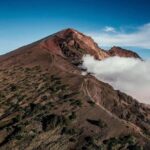
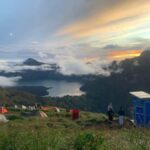
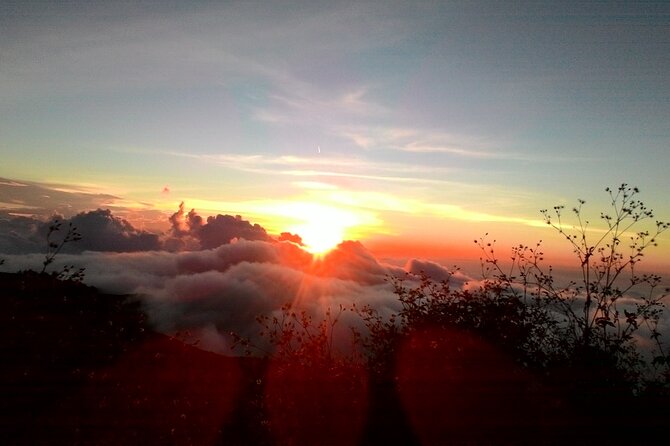
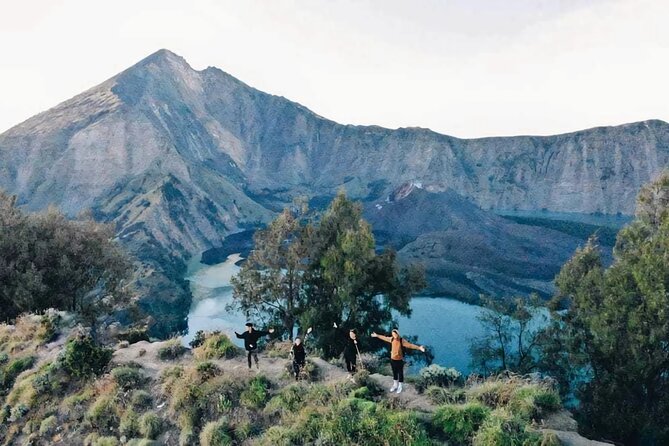
Once you reach the crater rim, you camp overnight there. This is the part that makes the whole two-day format worthwhile. Being on the rim means you can enjoy the views of sunset and sunrise from camp rather than only seeing the mountain’s drama from far below.
One more practical note: at camp, you’re not just relying on a “rough bivy and hope” setup. You get a tent, sleeping bag, mattress, and pillow, plus a toilet tent and paper. It’s still outdoors living, but the plan reduces the usual chaos of figuring out camp basics.
Day 2: The 2:00am Wake-Up and the 3,726m Sunrise Summit Push
Day 2 is where you feel the expedition part. You wake up around 2:00am, under darkness, with a hot drink and light breakfast. Then you start walking at 3:00am toward the summit.
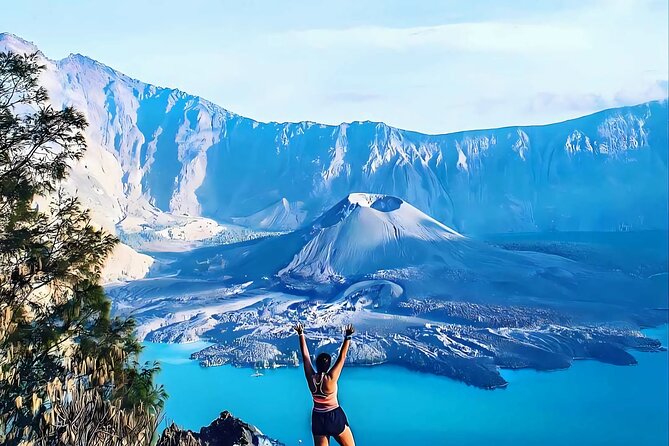
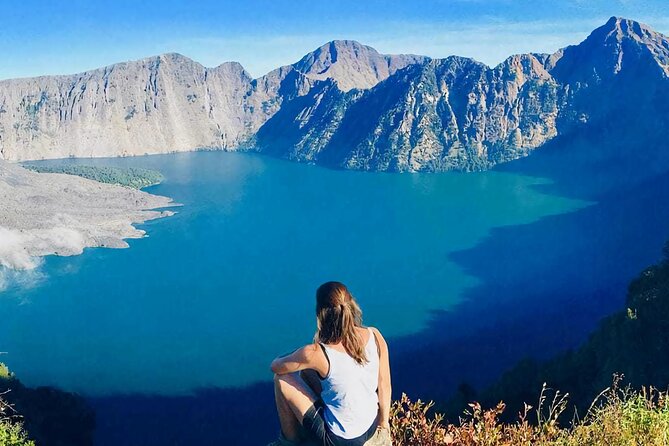
This timing matters because the summit section is the highlight. At around 6:00am, you aim to reach the top at 3,726m. The payoff is described as panoramic views across Lombok island, with sightlines toward Mount Bali, Mount Tambora in Sumbawa, and Segara Anak Lake. Even if the weather is hazy some mornings, the structure of the plan gives you the best chance at seeing a sunrise with real horizon views.
After you get your sunrise on top (or as much as conditions allow), you descend back down. The itinerary calls for about 2 hours back to the camp site for breakfast, then a longer drop to Sembalun village that takes about 5 hours. That means Day 2 isn’t just “up, then down.” It’s up, then down fast enough to continue your day.
A key consideration for your body: you’ll likely start the summit portion feeling tired, then feel energized at sunrise. After that, you still have hours of descending. Bring your stamina for the long finish, not just for the summit moment.
What’s Included (and What You’ll Need to Bring Yourself)
This trek is structured around a team that handles the heavy logistics. Included are:
- An experienced English-speaking guide
- Professional porters who carry cooking gear and camping equipment
- Tent, sleeping bag, mattress, pillow
- Toilet tent and paper
- Food and drinking water (listed as 3 litre mineral water per person per day)
- Pickup in your hotel area in Senaru or Sembalun
The parts that are not included are exactly what you need to plan for ahead of time. You’ll want your own:
- Trekking shoes
- Rain jacket
- Long pants
- Gloves
This matters because Rinjani is a high-altitude trek where conditions can change. Even if you don’t expect storms, you should plan for cool air and wet ground risk. Shoes are not optional comfort items here. They affect safety and stamina on steep climbs and rocky descents.
Also consider luggage reality. If you want an extra porter specifically for your personal luggage, that’s not included. The included porter support focuses on camp and cooking equipment, not carrying every personal bag.
One small but welcome detail: in at least one experience, hikers were offered help with gear comfort like free walking sticks and the ability to rent a warm coat. Don’t rely on this as a guarantee, but it’s a clue that operators often support the cold-factor without making you buy everything new.
Guides, Porters, and the Feeling of Being Looked After
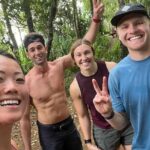
The summit push sounds dramatic, but the real quality difference often comes from guidance and support. One guide named Jon stands out for helping hikers feel at ease and offering steady assistance along the way. That kind of calm leadership matters when you’re starting at 3:00am and the trail becomes less forgiving.
You also get a porter-led division of labor. Porters handle cooking gear and camping equipment, which means you can focus on your own pace and your footing. In at least one small party setup, the team included one guide and two porters for a two-person group. That ratio is a nice reminder that you’re not doing this alone, even if you’re hiking in a group context.
Water, Food, and the Real Deal on “Comfort at Altitude”
At high altitude, comfort isn’t about luxury. It’s about preventing dehydration and maintaining enough energy to keep moving safely. This plan includes 3 litres of mineral water per person per day, and that’s a big deal because you’ll likely sweat more than you expect and then feel the cold at night and early morning.
Food is included as well, with lunch on Day 1 at Post 2, plus a light breakfast around the 2:00am wake-up on Day 2 and breakfast again at the camp site after summiting. That’s a practical flow: fuel before the steep parts, then fuel right after the summit effort before the long descent.
Sleeping conditions are basic but covered. You get a mattress and pillow, which is better than most volcano treks. You’ll still sleep cold, so plan layers. But having real bedding support helps your ability to function on the summit morning.
Weather Rules and How Cancellation Works Without the Drama
This experience requires good weather. If it’s canceled due to poor weather, you’ll be offered a different date or a full refund. There’s also a minimum number of travelers requirement, so if the minimum isn’t met, you may be moved to another date or receive a full refund.
One more thing to know: the experience is non-refundable and can’t be changed for any reason. That’s not unique to this trek, but it’s worth treating as part of the planning. If you’re the type who might need to change dates at the last minute, you’ll want to think carefully before booking.
Price and What $170 Really Buys You
At $170 per person, you’re paying for more than the trek. You’re paying for:
- Guide time and leadership
- Porter support and camp logistics
- Camping gear (tent, sleeping bag, mattress, pillow)
- Water and food across both days
- Hotel pickup in Senaru or Sembalun
The biggest value piece is that you’re not responsible for camp setup. When porters carry camp and cooking gear, you’re not just saving effort. You’re reducing the chance that a small mistake turns into a big problem at altitude.
You’ll also need to budget for the national park entrance fee, which is listed as IDR 250,000 per day per person, shown as IDR 500,000 per person. That fee isn’t included in the trek price, so you should factor it into your total cost.
So is it good value? For a two-day summit plan with high-altitude camping support and included food and water, it looks fair. You’re paying for a managed expedition rather than just a route.
Who This Trek Suits Best (and Who Might Struggle)
This hike is listed as suitable for most travelers, but “most” still needs a reality check. You should be comfortable with:
- a gentle-to-steep climb on Day 1
- a 2:00am wake-up and early darkness walking
- a long descent on Day 2 after the summit
It’s a great fit if you want a structured plan, a team handling the camp side, and summit timing designed for sunrise. It’s also a good choice if you like clear checkpoints (posts and named altitude points) instead of vague “walk until you’re there” guidance.
If you hate early mornings, or if long descents destroy your knees and ankles, you might find this two-day format tough. In that case, you’d probably be happier with a longer itinerary that reduces the summit scramble pressure.
Should You Book Mount Rinjani for 2 Days 1 Night?
Book this trek if you want a real summit-and-sunrise structure without spending extra days on the mountain. The key reason is the balance: you climb high enough on Day 1 to make Day 2 feel like a continuation, then you’re positioned at the crater rim to enjoy the night and sky show.
Don’t book it if you’re not ready for steep effort, early wake-ups, and cold conditions. The plan is efficient, which means it asks a lot in a short window.
My practical advice: train your legs and plan your gear early. Get your trekking shoes sorted, pack a rain layer and gloves, and treat the 2:00am start as the main event, not the annoying part. If you do that, you’ll be set up for a summit morning with views across Lombok, toward Bali and Tambora, and over Segara Anak Lake—the kind of payoff that makes the two days feel like more than they are.
FAQ
What time does pickup and the trek start?
Pickup is scheduled around 7:00am, and the trek starts in Sembalun around 8:00am.
What altitudes will we reach during the 2 days?
You’ll camp around the 2,639m crater rim on Day 1, then aim for the 3,726m summit early on Day 2.
Is the national park entrance fee included in the price?
No. The national park fee is listed as IDR 250,000 per day per person (shown as IDR 500,000 per person total).
What trekking gear is not included?
You should bring trekking shoes, a rain jacket, long pants, and gloves.
How much water is provided?
The trek includes 3 litres of mineral water per day per person.
What happens if the trek is canceled due to bad weather?
If it’s canceled because of poor weather, you’ll be offered a different date or a full refund.