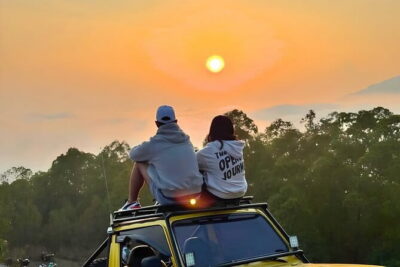
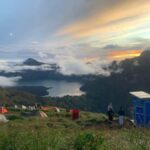
If you’re chasing a real sunrise climb, this 2-day Mount Rinjani trek is hard to beat. I love the combination of crater-rim camping and the built-in chance to watch both sunrise and sunset from high up. The other thing I like is the small-group feel (max 10 people), which helps the pacing feel human instead of cattle-herded. The catch: it’s genuinely tough—think long walking days, cold early hours, and a steep climb that isn’t for beginners.
What makes this program feel solid is the way it runs like a system: pick-up from the Senaru area, clear walking checkpoints, planned meal stops, then a summit push timed for 3:00 am. I also picked up names that show the operation has real people behind it—owner Sultan for responsiveness, and guides like Ajes and Dul who focused on staying calm and organized during the hardest moments. The main drawback to consider is that this is weather-dependent and you’ll start in the dark, so you need both physical readiness and the willingness to handle early discomfort.
Finally, the value is tied to what you get for your money: a structured 2D/1N package, transport pick-up, lunches and hot drinks as part of the schedule, and a crew with guides plus port support (and even gear help when something breaks). Just note: the trek is described as a full 2 days, while some platforms list a short “duration,” so don’t let that confuse you—this is an 8.5-hour average walking day kind of adventure.
In This Review
- Key highlights worth your attention
- Where this trek starts: Sembalun, via Senaru
- Day 1: The climb to Pos 3 and then the crater rim camp
- The sunset-to-summit rhythm: waking up at 2:00 am
- What the summit day is really about (and why it matters)
- Guides, crew, and why group size affects your experience
- Price and value: $215 for sunrise-and-sunset access
- The physical reality: who this trek fits best
- Weather and timing: sunrise depends on conditions
- Tips to get the most out of it (without overthinking)
- Should you book Mount Rinjani 2 days to the top?
- FAQ
- What route does the trek follow?
- How difficult is this 2-day trek?
- What time do we start Day 1 and Day 2?
- Is there camping involved?
- What meals are included during the trek?
- Is pickup from your hotel included?
- How large are the groups?
- Is the admission ticket included in the price?
- What happens if weather is bad?
Key highlights worth your attention
- Sunrise summit timing with a 2:00 am wake-up and a 3:00 am summit start
- Crater-rim camping on the Sembalun rim at about 2,639m, with sunset views
- Structured day plan with checkpoints around 1,300m, 1,500m, 1,800m, then the rim
- Small group limit (max 10) for steadier pacing and easier guidance
- A responsive operator tied to guides like Ajes and Dul, plus owner Sultan
- Gear support when things go wrong, including replacing broken flashlights in at least one case
Where this trek starts: Sembalun, via Senaru
This program is built around hiking from Sembalun up toward the crater rim, then pushing for the summit and returning back to Sembalun. If you’re staying around the Senaru area, you’ll be picked up and driven to the Sembalun starting point around the morning start time (the plan starts trekking around 8:00 am).
That “Senaru to Sembalun” approach matters because it reduces your stress before the hard part begins. Even in reviews, the owner Sultan is described as helpful for arranging transportation to reach Senaru, and also assisting after the descent. You shouldn’t count on special routing unless it’s arranged with them, but it’s a good sign they think about the whole journey, not just the mountain.
Also, the meeting point is clearly anchored: Cakrawala Rinjani Trekking, Jl. Pariwisata, Senaru. You’ll end back there after the trek, which makes the logistics easier to plan around.
You can also read our reviews of more tours and experiences in Lombok.


Day 1: The climb to Pos 3 and then the crater rim camp
Day 1 is your “build-up” day. You start with a gentle climb through open meadow, which is a smart way to warm up your legs before the steeper sections. The schedule is paced with checkpoints, and you can feel the rhythm: walk, reach the next post, then keep moving.
Here’s what the day looks like step by step:
- ~8:00 am start from Sembalun
- After about 2 hours, you reach Pos 1 (1,300m)
- Then about 40 minutes to Pos 2 (1,500m)
- Lunch at Pos 2, then continue onward to Pos 3 (1,800m)
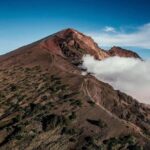
- After resting at Pos 3, you push to the crater rim (2,639m), which takes about 3 hours and includes a prolonged steep climb
A few things make this first day work for you:
- Checkpoint pacing. You’re not just wandering into the unknown. Those posts give your brain a timeline.
- Lunch before the steep wall. Eating at Pos 2 keeps you from burning energy too early.
- A high payoff at the end. The rim is where the views start to feel serious—and you’ll be camping right there.
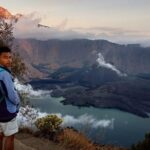
When you reach the crater rim, you camp overnight and you can watch sunrise and sunset from that high vantage point. In one review, the accommodation on the first night was described as basic but clean, which matches what most crater-rim trekking camps feel like: simple, functional, and focused on getting you ready for the cold pre-dawn push.
Important consideration: this is still Day 1, and it can feel long. The program is aimed at experienced climbers or trekkers with good fitness who can handle walking up and down for about 8.5 hours per day.
The sunset-to-summit rhythm: waking up at 2:00 am
If sunrise is the main goal, Day 2 is where you earn it—because the plan is built around darkness. You’ll wake up around 2:00 am with a hot drink and light breakfast, then begin heading toward the summit at 3:00 am.
That timing is not random. The whole point is to reach the top around sunrise conditions, so the early wake-up is the price of admission. It also means you’ll want to be comfortable moving on tired legs and with limited daylight for the first chunk of the ascent.
One practical benefit: the tour includes that hot drink and light breakfast at wake-up. When you’re climbing while your body is still waking up, it helps to not have to figure out meals yourself in the middle of the plan.
Also note the tour’s nature: it’s offered as a maximum of 10 travelers, which can make the timing feel more controlled. Smaller groups tend to move with fewer bottlenecks.
What the summit day is really about (and why it matters)
The data you have here confirms the start time for the summit push, but it doesn’t lay out every post on Day 2 in detail. What it does make clear is the structure: early start for summit, then return back down to Sembalun.
So how should you think about “value” on the summit day? It’s not just reaching the top. It’s also:
- moving efficiently through the night/early hours,
- staying safe and calm when your breathing is doing the heavy lifting,
- and then completing the descent so you’re not stuck exhausted without a plan.
That’s where the guide team matters. Reviews mention that guide Ajes stayed calm and reassuring even during tougher moments. Another review credits guide Dul with professionalism and good-quality food and equipment. When you’re climbing at 3:00 am, you want that steadiness.
One more small but telling detail from reviews: the team helped replace broken flashlights in at least one case. That’s not something every guide service would bother with, and it’s a good signal that they think ahead about practical night-climb problems.
Guides, crew, and why group size affects your experience
This trek runs with a guide team and support staff. The group cap is 10 travelers, and multiple reviews describe a setup that includes guides and port support. That combo matters because the mountain punishes bad logistics: slow movement, unclear pacing, and missing equipment all cost you energy.
Here’s what you can reasonably expect based on the information you have:
- Guides who manage pace: named guides like Ajes and Dul are specifically credited for staying reassuring and professional.
- Owner responsiveness: Sultan is mentioned as responsive when booking and helpful with transportation in at least one situation.
- A crew that handles problems: at least one review mentions gear replacement when something broke (flashlights).
None of that removes the reality of a hard volcano trek—but it reduces the chances that your experience turns into stress management.
Price and value: $215 for sunrise-and-sunset access
At $215 per person, you’re paying for a guided 2D/1N package in a place where getting the timing right (and getting people safely up and down) is the whole game.
Your value drivers here:
- Two days of organization, including early wake-up and meal elements
- Crater-rim camping with a direct viewing chance for sunrise and sunset
- Transport pickup offered as part of the experience
- Small group limit (max 10)
- Guide support and port support implied by the trekking format and mentioned in reviews
- Group discounts are listed, which can lower your cost if you’re traveling as a team
One thing to watch: admission tickets are not included. That’s not a dealbreaker, but it’s a cost you should plan for so the trip doesn’t surprise you at the end.
Also, the booking pattern says this is often booked around 23 days in advance. If your dates are firm, I’d treat that as a signal to lock in earlier rather than later—especially if you’re traveling in a busy period.
The physical reality: who this trek fits best
This trek is clearly aimed at people who already walk a lot and can handle effort for hours. The program is described as good for experienced climbers or trekkers in good fitness who can walk up and down about 8.5 hours per day.
Translation into plain terms:
- You should be comfortable walking uphill for long stretches.
- You should be able to keep going even when it’s slow and steep.
- You should be ready for a 2:00 am wake-up and an early summit start.
If that doesn’t describe you, you’ll likely feel the mountain faster than you want. One review even sums it up with a straightforward warning: it’s difficult, not for casual hikers without extensive experience.
Weather and timing: sunrise depends on conditions
This trek requires good weather. If conditions are poor, you’ll be offered another date or a full refund. That’s important because the sunrise-summit idea only works when visibility and safety are there.
The best mindset: treat this as a plan that runs when conditions cooperate. If it gets moved, it’s not a failure—it’s part of how volcano trekking works.
Tips to get the most out of it (without overthinking)
You don’t need to turn this into a fitness experiment, but you do need to respect the schedule. A few practical pointers based on the reality of this trek:
- Be ready for dark starts and cold morning conditions due to the 2:00 am wake-up and 3:00 am summit start.
- Bring a game plan for night climbing support. Since the team has replaced broken flashlights in at least one case, don’t assume a broken light will solve itself.
- Expect a “long day” feel on Day 1, even before the rim camp. The move from Pos 3 to the 2,639m crater rim is described as a prolonged steep climb.
- Use the checkpoint rhythm: Pos 1, Pos 2, Pos 3 aren’t just numbers. They’re pacing anchors.
And if you like authenticity over comfort, you’ll probably love this. It’s not designed as an easy sightseeing loop. It’s designed as a serious two-day mountain experience.
Should you book Mount Rinjani 2 days to the top?
Book it if you want:
- Sunrise from the summit with a real early-morning structure
- Crater-rim camping and the chance to catch both sunset and sunrise views
- A guided trek with a proven team identity, including people like Sultan, Ajes, and Dul
- A small group trek (max 10) that can keep pacing manageable
Skip it (or choose a softer alternative) if:
- You’re not confident with 8.5-hour trekking days and steep uphill sections
- You struggle with early starts and climbing in the dark
- You’d be unhappy if the trek needs rescheduling due to weather
If you’re in the fit-and-ready category, this is a strong value way to do Rinjani with a sunrise focus—organized, team-supported, and built around the moments you came for.
FAQ
What route does the trek follow?
You start in the Senaru area and drive to the Sembalun trailhead, then hike from Sembalun up to the crater rim, continue toward the summit on the second day, and return back down to Sembalun.
How difficult is this 2-day trek?
It’s designed for experienced climbers or trekkers with good fitness. You should be able to walk up and down for about 8.5 hours per day, and handle steep climbing.
What time do we start Day 1 and Day 2?
Day 1 trekking starts around 8:00 am. On Day 2, you wake around 2:00 am and start heading for the summit at 3:00 am.
Is there camping involved?
Yes. You camp overnight on the crater rim after reaching around 2,639m on Day 1.
What meals are included during the trek?
You have lunch at Pos 2 during Day 1. On Day 2, you’ll receive a hot drink and a light breakfast at wake-up.
Is pickup from your hotel included?
Pickup is offered, and you’ll be picked up and driven to the Sembalun starting point in the morning.
How large are the groups?
The maximum group size is 10 travelers.
Is the admission ticket included in the price?
Admission tickets are not included.
What happens if weather is bad?
The experience requires good weather. If it’s canceled due to poor weather, you’ll be offered a different date or a full refund.