A volcanic sunrise in the Gili glow. That is the core draw of this 2-day, 1-night Mt. Rinjani trek, focused on camping on the crater rim near Senaru so you get big views without signing up for the full, brutal summit grind. I really like the crater-rim camping setup, and I also like that you’re guided by an English-speaking guide with porters handling the heavy lifting.
One thing to keep in mind: even as a rim-only option, the hike is still tough on real legs. Expect steep climbs and long hours, and plan for extra costs like the park entrance fee.
If you’re packing light thanks to luggage storage at the Dhyns Rinjani Hiking office, the whole experience feels more doable. And with a small group size (maximum 10 travelers), it’s easier to move at a pace that makes sense for you.
In This Review
- Key points to know before you go
- Why the Senaru crater rim trek feels like a volcano movie
- What you get for $170: guides, porters, camp comfort, and planned water
- Day-by-day: Senaru to sunset, then sunrise on the rim
- Day 1: Start from the Senaru side and climb to the crater rim
- Evening: Rim camping with toilet-tent practicality
- Day 2: Sunrise views, then return to Senaru
- How tough is it really for beginners and families with older kids?
- Crater views, Gili Islands, and Mt. Agung without the summit grind
- Price and logistics: what’s included, what costs extra, and what’s good value
- The included value
- Costs you should expect to pay separately
- Who this trek suits best (and who should choose something else)
- Booking smart: start window, group size, and weather reality
- Should you book the 2D/1N Mt. Rinjani second-summit crater rim trek?
- FAQ
- How long is the Mount Rinjani second summit trek?
- Where does the trek start, and what time window do I need?
- What’s included in the trek package price?
- Are the entrance fees included?
- How many people are in a group?
- Do I need to bring my sleeping bag or camping equipment?
- What happens if the weather is bad or I need to cancel?
Key points to know before you go
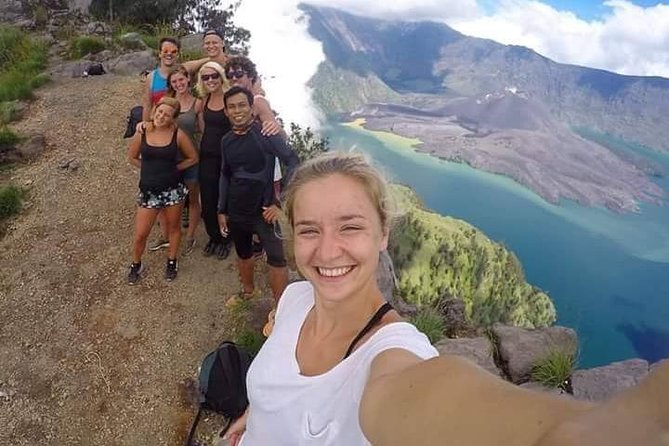
- Crater-rim sunset and sunrise from the Senaru viewpoint area, with crater-lake views
- Porters carry the kitchen and camp gear, so your load stays reasonable (especially if you use luggage storage)
- English-speaking guide + small group (max 10), which helps when conditions change fast
- Camping gear is included, including sleeping bags, mattress, pillow, and a toilet tent
- Water is planned for you with 3 liters per person per day included
- Not a summit package: you get rim magic and hard-earned views without the full summit push
Why the Senaru crater rim trek feels like a volcano movie
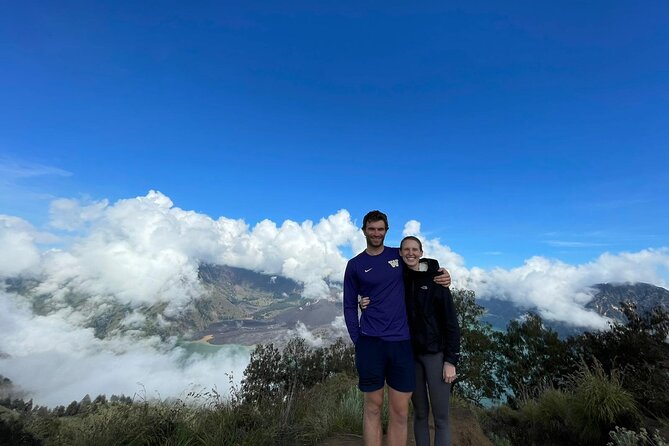
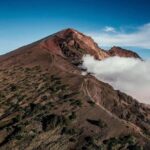
Mt. Rinjani is the kind of active volcano that makes you respect the ground under your feet. This package keeps the focus on one of the most rewarding “in-between” experiences: you hike up to the rim area near Senaru, spend the night camping, and come back down with sunrise in your camera roll.
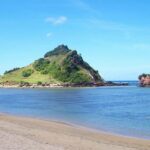
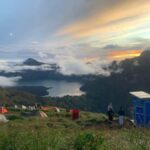
The best part is the viewpoint payoff. From the Senaru rim, you get a wide view toward the crater lake and out toward the three Gili Islands. Several guides in the Dhyns Rinjani Hiking orbit are known for pushing groups safely toward sunset and early-morning light, including names like Adet, Ali, Darwin, and Nur from past trekking groups.
And yes, it’s called Second Summit trekking, but in the 2-day/1-night format you should treat it as a crater-rim experience. You’re not just walking for a badge photo. You’re walking for a night on the rim, then waking up before the world goes fully awake.
You can also read our reviews of more tours and experiences in Lombok.

What you get for $170: guides, porters, camp comfort, and planned water
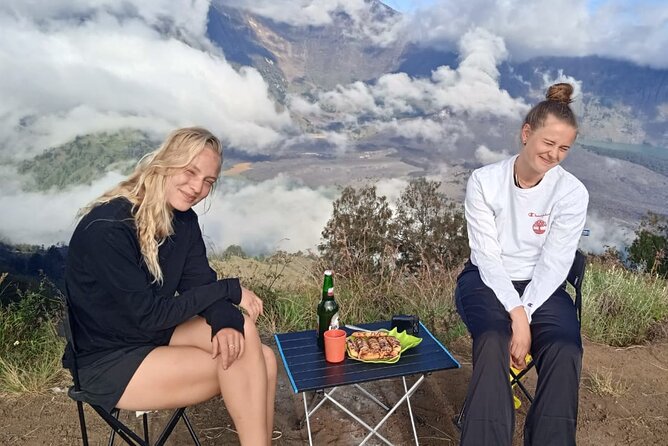
At $170 per person, this trek can feel like a bargain compared with “hard hike, hard planning” trips you might piece together on your own. That’s because you’re not just buying a route. You’re buying support, gear, and a camp that lets you focus on the views instead of survival logistics.
Here’s what’s included:
- Trekking guide and porters, with porters carrying cooking gear and camping equipment
- An experienced English-speaking guide and professional porters
- Food and drinking water during the trek: 3 litre mineral water per day per person
- Camping kit: tent, toilet tent and paper, sleeping bags, mattress, pillow, and chair
- Luggage storage at the Dhyns Rinjani hiking office before you start
You’re not carrying your whole life up a volcano. That matters. Even if you’re a fit hiker, the crater-rim ascent is tiring enough without turning the trek into a weight-training session.
One small note: extra porter support for your own extra luggage is not included. So if you arrive with more than a normal backpack load, you’ll want to reduce what you bring—or plan for added porter help.
Day-by-day: Senaru to sunset, then sunrise on the rim
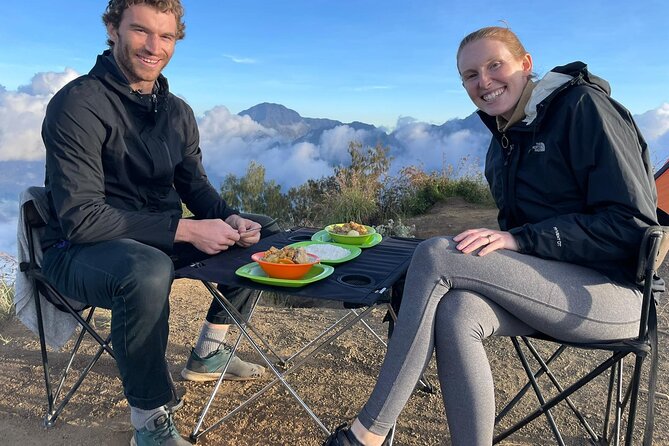
Even without a minute-by-minute schedule posted here, the rhythm is clear from how the trek is described and how it’s been run for groups before you. Think of it like this: hike up on day one, camp near the rim with big-light views, then hike back down on day two.
Day 1: Start from the Senaru side and climb to the crater rim
You’ll start at the Rinjani Trekking Official meeting point in Senaru (Jln. Pariwisata, Senaru, Kec. Bayan, Kabupaten Lombok Utara, Nusa Tenggara Bar., 83354). The activity window runs from 7:00 AM to 1:00 PM, so you’ll want to show up with enough time to check in and be ready for the day’s hike.
From there, you head up toward the Senaru crater rim viewpoint area. The hike is described as a popular destination for beginner trekkers, but do not mistake “popular” for “easy.” One group described a challenging 8-hour hike feel. Another mentioned that beginners need to be ready for elevation—something like 2,641 meters above sea level (as mentioned in the trekking notes shared by past hikers).
What keeps it worthwhile is what happens when the trail levels into viewpoint time. Sunset at the crater rim is the moment that makes people forget the sore knees.
Evening: Rim camping with toilet-tent practicality
When you reach camp, you’re not stuck improvising. The package includes tents and sleeping bags, plus a mattress, pillow, and even a chair. That last part sounds minor until you’ve been climbing all day and the “chair moment” turns into your favorite seat in the world.
And the toilet tent is included, along with paper. On volcano treks, having that handled is a big deal. You’ll still treat basic facilities with respect, but you won’t be hunting for solutions in the dark.
Day 2: Sunrise views, then return to Senaru
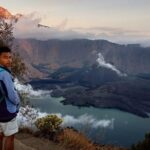
You’ll wake up for early views from the rim area. This is where you’ll typically see the dramatic sky over the Gili Islands and toward Bali’s Mt. Agung, depending on the conditions and what the light is doing that morning.
After sunrise, you descend back toward the meeting point. The trek ends back at the original meeting spot, so you don’t have to guess where to re-arrange transport afterward (though your transport to/from the start point is still not included).
How tough is it really for beginners and families with older kids?
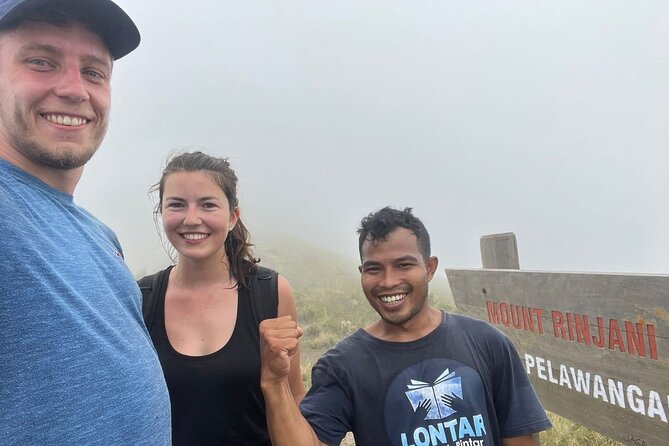
This trek is described as suitable for less-experienced trekkers and families with older children. That said, the rim is still a rim. You’re going uphill on uneven terrain, gaining altitude, and walking long stretches.
If you’re new to hiking, the biggest test is endurance more than technical skill. Plan for a slower pace, take breaks before you’re fully out of breath, and trust your guide to help you regulate effort.
Also keep in mind:
- Rain season can make everything harder. One account specifically called out December conditions and the way weather can affect the hike.
- Even strong hikers can feel wiped out on the crater-rim run, especially if you start late or don’t hydrate well.
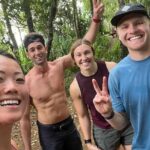
The positive angle: because porters handle the equipment and cooking gear, you’ll be able to focus on steady walking rather than managing weight and fatigue at the same time. A guide who knows the pacing for the group makes a noticeable difference. Past groups have credited guides like Adet and Oky with encouragement when it felt like they might not make it, and that kind of morale support matters on a climb.
Crater views, Gili Islands, and Mt. Agung without the summit grind
If you’re coming for “the hard part” of Rinjani, it helps to understand what this 2D/1N option includes—and what it doesn’t.
This package is aimed at the crater rim only. You get:
- Views over the crater lake from the rim area
- Panoramic looks toward the three Gili Islands
- Sunrise magic that can also include Bali’s Mt. Agung in the distance, depending on visibility
The “second summit” label can sound like a full peak assault. In this format, you’re mainly after the rim experience: you camp, you watch the sky change, and you take in the crater-lake drama from above.
It’s a smarter move if:
- You want a serious Rinjani trek but don’t want to gamble everything on a multi-day summit route.
- You’re traveling with older kids or less experienced hikers who can handle a long walk but might not be ready for the most extreme options.
Price and logistics: what’s included, what costs extra, and what’s good value
Let’s talk money the practical way.
The included value
You’re paying $170 for a guided trek with porters, camp gear, and planned hydration. That’s not just “someone showing you a trail.” You’re getting:
- A team that carries camp and cooking equipment
- Camping gear you can use immediately
- Water planning: 3 liters mineral water per person per day
- Food during the trek
Those items add up fast if you were trying to DIY. The guide and porter system also matters for safety and timing, because getting to sunrise or sunset viewpoints isn’t just about legs. It’s about coordination.
Costs you should expect to pay separately
Two things are explicitly not included:
- Entrance fee: Lombok IDR 410,000 per person
- Tips for guide and porters
Also, transport pick-up before and transfers after the trek are not included. So budget for getting yourself to the meeting point and out afterward.
When you add the entrance fee, the trek still tends to represent good value compared with “guided, with gear, with camp” alternatives. The key is to plan for the extra line items so there’s no last-minute surprise.
Who this trek suits best (and who should choose something else)
This is a good match if:
- You want a serious volcano trek without attempting the full summit challenge
- You’re okay with steep hiking and long hours
- You’d rather let porters handle camp gear and keep your backpack light
- You like the idea of small-group trekking with English-speaking guidance
It may be less ideal if:
- You’re looking for a short, casual walk. Even the rim-only route can feel like work.
- You’re sensitive to altitude and long climbs, especially in rain or low visibility.
One smart planning tip: use the included luggage storage. If you keep your pack lean, you’ll hike more comfortably and keep your energy for the rim moments that matter.
Booking smart: start window, group size, and weather reality
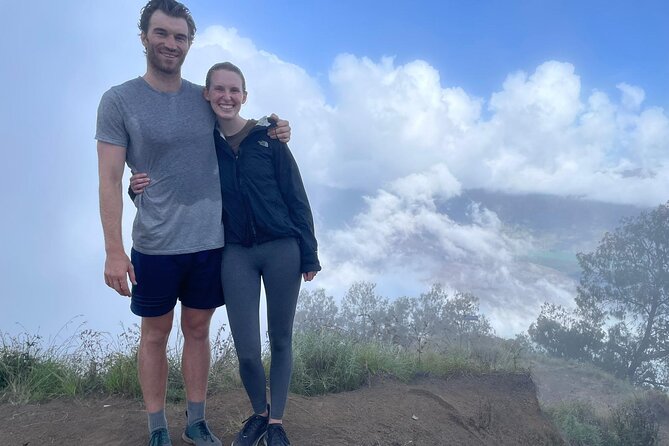
This activity is limited to a maximum of 10 travelers. That’s a nice size because it keeps the trail workable and makes it easier for the guide to manage pace.
Your start time window is tied to the meeting point’s opening hours: 7:00 AM to 1:00 PM. If you arrive late, you’re essentially compressing your day’s hike, which can make the climb harder.
Finally, weather is not a minor detail here. The experience requires good weather. If conditions are poor, you’ll be offered a different date or a full refund. Volcano treks are one of those travel situations where flexibility saves your knees.
Should you book the 2D/1N Mt. Rinjani second-summit crater rim trek?
If your dream is sunrise over the Gili Islands and Bali’s Mt. Agung, plus big crater-lake views from the Senaru rim, this is a strong pick. You get a guided, supported trek with porters, camping gear, and practical toilet setup, all in a small group.
I’d book it if you’re fit enough for a long hike and you’re comfortable with altitude and variable weather. I’d think twice if you want something easy or if you’re not prepared for a challenging day even without the full summit route.
Bottom line: this is the kind of trek where the “work” on the trail turns into a real payoff at camp and at sunrise. If you plan for the hike and budget for the entrance fee, you’ll be set up for one of Lombok’s most memorable volcano nights.
FAQ
How long is the Mount Rinjani second summit trek?
The package is a 2 days and 1 night trek focused on the crater rim. The overall duration is also listed as about 3 days on the booking information, likely including additional time beyond the hiking itself.
Where does the trek start, and what time window do I need?
The meeting point is Rinjani Trekking Official in Senaru (Jln. Pariwisata, Senaru, Kec. Bayan, Kabupaten Lombok Utara, Nusa Tenggara Bar., 83354, Indonesia). Opening hours are listed as 7:00 AM to 1:00 PM (Monday to Sunday).
What’s included in the trek package price?
Included items are the trekking guide and porters, food and drinking water (3 litre mineral water per person per day), and camping gear such as tents, toilet tent and paper, sleeping bags, mattress, pillow, and a chair. Luggage storage is available at the Dhyns Rinjani hiking office.
Are the entrance fees included?
No. Entrance fees are not included, and they are listed as Lombok IDR 410,000 per person.
How many people are in a group?
The activity has a maximum of 10 travelers.
Do I need to bring my sleeping bag or camping equipment?
No. Camping gear is included, including sleeping bags, mattress, and a tent, along with toilet-tent setup and paper.
What happens if the weather is bad or I need to cancel?
The experience requires good weather. If it’s canceled due to poor weather, you’ll be offered a different date or a full refund. There is free cancellation up to 24 hours in advance for a full refund; canceling less than 24 hours before the start time is not refunded.