Blue fire at Ijen is one of those rare nature sights that feels like science fiction. On this guided trip from Banyuwangi, you chase Ijen’s blue flames at night, then reward yourself with a dramatic sunrise over the acid lake at the crater rim. I love that the whole thing is guided end-to-end, so you’re not figuring out timing or safety in the dark.
Two things I really liked: the guides focus on safe trekking and stay hands-on when the path gets steep and slippery, and you get proper gear like a gas mask and headlamp without having to hunt for it first. The one drawback to plan around is that the hike is intense and early, and if weather doesn’t cooperate the timing can change or the trip may be rescheduled.
If you want a genuinely intense East Java experience that’s still well organized, this is a strong pick. Just go in with the right mindset: you’re there for a physical, sulfur-heavy crater walk and a short window of wonder.
In This Review
- Key Things I’d Prioritize Before You Go
- Chasing Ijen’s Blue Fire: What You’re Actually Going After
- From Banyuwangi to Paltuding: The Drive That Sets Your Timing
- The Night Trek on Ijen: Safety, Pace, and Blue Fire Reality
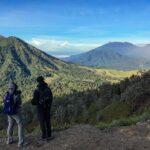
- Sunrise Over the Acid Lake: Morning Light and a New Perspective
- Sulfur Miners and the 80kg Haul: The Human Side of Ijen
- Gear and Comfort: What’s Included, What You’ll Feel Anyway
- Price and Value: Why $32.50 Works (If You Match the Style)
- Who Should Book This Ijen Blue Fire Hike
- Book It or Skip It: My Bottom-Line Advice
- FAQ
- How long is the Ijen Crater Blue Fire tour?
- What does the tour cost?
- Do I get picked up in Banyuwangi?
- What time or schedule is the experience built around?
- Is the guide English-speaking?
- What equipment is provided?
- What fitness level do I need?
- What happens if the tour can’t operate due to weather?
- Is the tour refundable if I cancel?
Key Things I’d Prioritize Before You Go
- Small group (max 15) keeps the pace more manageable on a busy Ijen night
- English-speaking guides handle safety briefings and on-trail support
- Gas mask and headlamp included, so you’re not improvising equipment
- Blue fire at night, then sunrise over the crater for two big moments
- Moderate fitness required, because the trail is steep and slippery at points
Chasing Ijen’s Blue Fire: What You’re Actually Going After
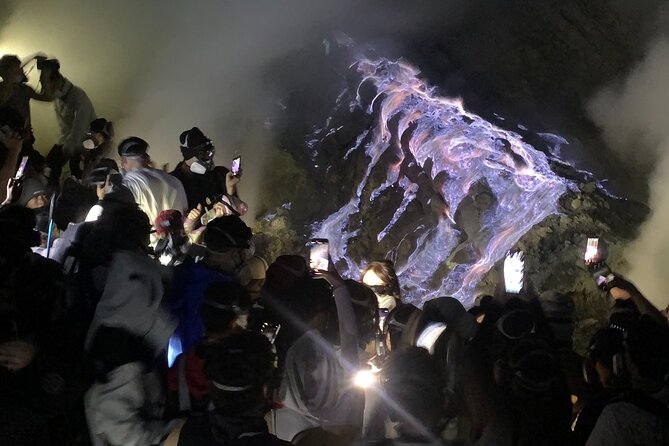
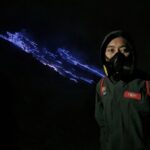
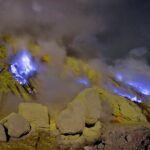
Ijen Crater’s blue fire is special because it’s not a vague “cool glow” thing. You’re watching a real flame effect powered by sulfur gases, and the timing matters. This tour is built around a night hike, which is exactly when you can see the blue flames clearly against the dark.
The bigger reason I like this style of tour is the structure. You don’t just walk to a viewpoint and hope for the best. You’re guided through the approach, you get safety orientation before you start, and you continue on through the night to reach the moment when blue fire shows up. That matters, because people who are moving in the dark need consistent guidance, not random wandering.
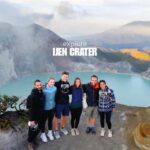
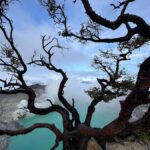
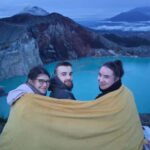
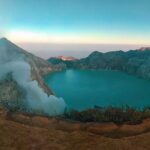
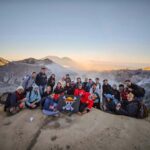
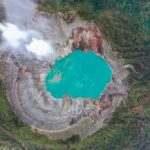
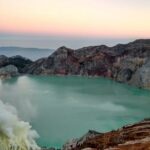
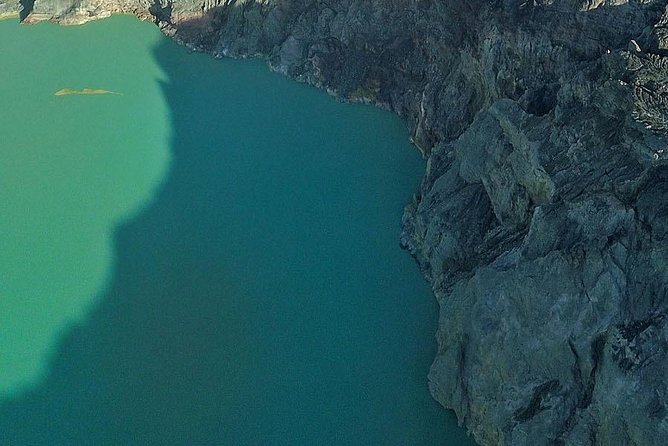
Then, instead of stopping after the blue fire, you shift to sunrise. You’ll be in position for the early light over the crater area and the famous turquoise-toned acid lake view that Ijen is known for. Even if you’re not a hardcore photographer, you’ll feel the change from night chaos to morning calm.
You can also read our reviews of more tours and experiences in Banyuwangi.
From Banyuwangi to Paltuding: The Drive That Sets Your Timing
You start in Banyuwangi, with pickup offered from your accommodation in the Banyuwangi area. If you prefer a clear meeting point, the listed start is Banyuwangi City Train Station, so you can anchor your plan there. Either way, you’ll meet your guide before heading out.
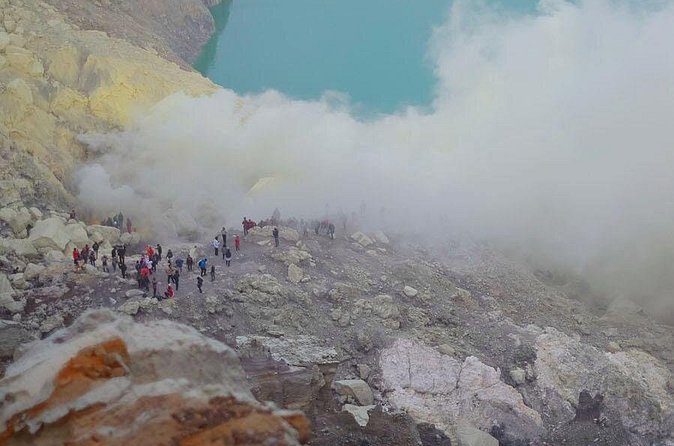
Then comes the long transfer: about 1.5 hours to the starting area at Paltuding campsite. This part of the day is more than “getting there.” It’s how your tour team builds the schedule for the night hike and the sunrise window. In practical terms, it’s what keeps the blue fire timing from turning into a guess.
One practical note: there’s also an option to end at Ketapang Harbour for an extra charge of IDR 100K per group. If you might need that, figure it out before the day starts so you don’t end up with last-minute confusion.
The Night Trek on Ijen: Safety, Pace, and Blue Fire Reality
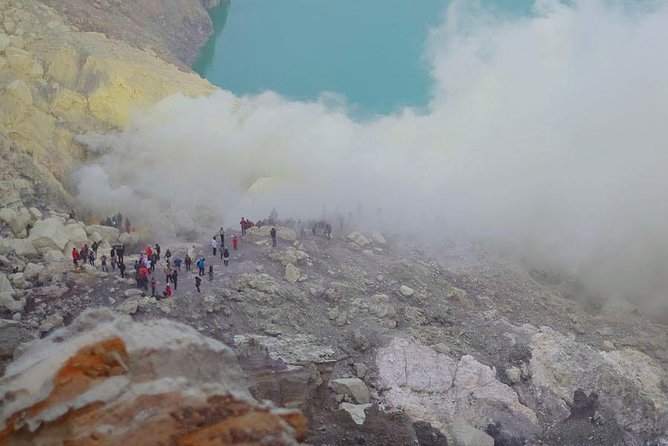
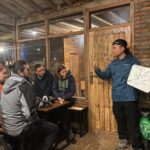
The night hike is the main event. You’ll get a pre-trek briefing with your guide for safety and what to expect, then you begin the guided expedition toward the crater area. The goal is simple: see the blue flames from the sulfur gas burning near the crater.
I especially value how the guides handle the trail. In the feedback I saw, guides like Gun are described as patient and supportive for people who worry about steep, slippery ground. That’s a big deal on Ijen, where confident footing is the difference between a “hard but fun” hike and a miserable scramble.
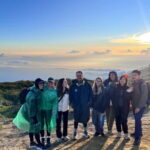
The group size also helps. With a maximum of 15 travelers, you’re not swallowed by a huge crowd moving at different speeds. That doesn’t mean it’s empty. Ijen is popular. But a small group gives your guide a better chance to keep an eye on everyone.
During the walk, you’ll use the included headlamp and follow guidance on where and when to move. You’ll also have a gas mask, which is essential for safety around sulfur fumes. This isn’t a “walk it yourself and wing it” experience, and you’ll get the most from it by listening early, not in the middle of the hardest parts.
Sunrise Over the Acid Lake: Morning Light and a New Perspective
Once the blue fire moment passes, the tour shifts gears toward the sunrise. This is a smart design, because the crater can feel like one long dark challenge at first. Sunrise breaks that up with a clear payoff: you’re rewarded with the view over the acid lake in early light.
The timing is the key advantage here. Your guide is managing the schedule so you’re in the right place around the sunrise window, not just arriving late and waiting in the cold dark. If you’re the kind of traveler who likes photos but also hates stress, this “two-stage” plan is exactly what you want: first the rare blue fire, then the calmer visual sweep at dawn.
Also, the sunrise moment is where you start to understand the scale. The crater rim and the lake look different in daylight. The same sulfur activity that looks eerie at night becomes something you can visually map, and that makes the whole experience feel more real, not just dramatic.
Sulfur Miners and the 80kg Haul: The Human Side of Ijen
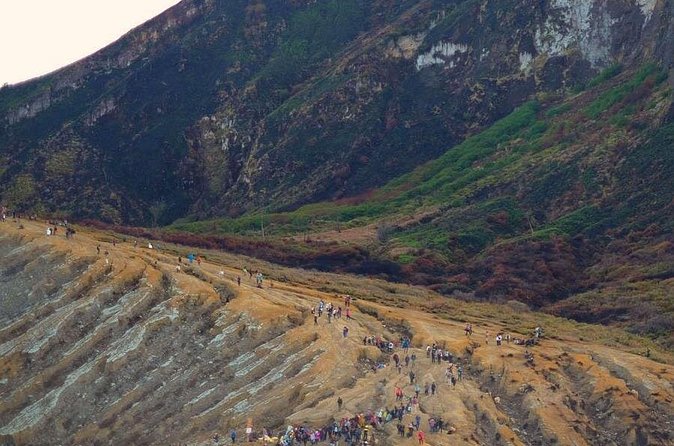
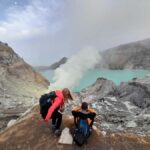
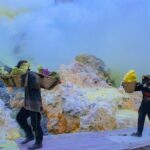
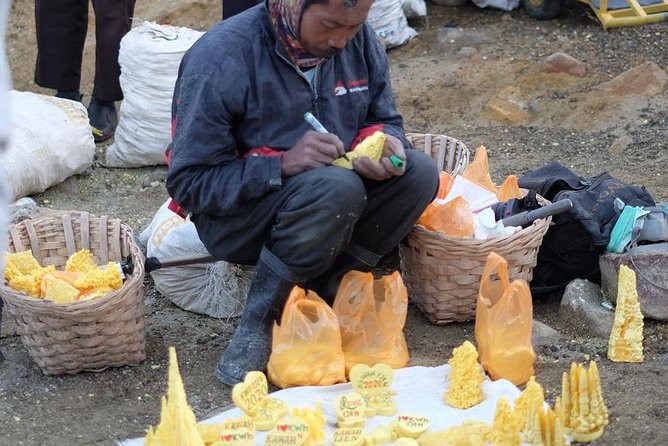
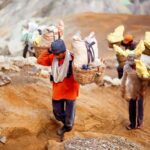
One of the most eye-opening parts isn’t just the blue fire. It’s the contrast between visitors and the sulfur miners who work the site. The tour highlights how miners carry heavy loads, around 80kg, through extreme terrain while doing their jobs.
When you see the contrast up close, it reframes the hike. You’re not just watching a spectacle. You’re sharing a working landscape. That perspective makes the entire crater walk feel more respectful and grounded, especially when you notice how much effort and steady movement it takes to travel those routes safely and repeatedly.
If you want a tour that teaches you something beyond the Instagram moment, this is one of those experiences. The blue fire is the headline, but the miners’ presence is the “why this place matters” part.
Gear and Comfort: What’s Included, What You’ll Feel Anyway
This tour provides equipment: gas mask and headlamp. That’s real value because it removes a common barrier. People often show up without the right gear, then spend the first half of the trek worrying about their setup. Here, you start with the essentials handled.
Comfort-wise, I’d plan for a physical climb. The terrain is described as steep and slippery in feedback from less-fit participants, and the guide support matters. If you’re bringing shoes, prioritize grip and a secure fit. If you have knee issues or you’re prone to slipping, it’s worth taking extra care with footing and moving slowly when the path gets uneven.
Also, gas masks are included for a reason. Don’t treat them like optional accessories. If your guide gives instructions on when to put it on or how to use it, follow that guidance early. It’s part of staying comfortable through the sulfur-heavy sections.
Price and Value: Why $32.50 Works (If You Match the Style)
At $32.50 per person, this is priced for a guided, full-day crater experience without luxury extras. You’re paying for two major things: the English-speaking guide and the fact that equipment and entry access are handled for you.
What you get for the money:
- pickup and drop-off in the Banyuwangi area
- English-speaking guide
- entry/admission included
- gas mask and headlamp included
The tour duration is about 9 hours, which is substantial. You’re not just doing a short sunset walk. You’re getting a structured night hike plus sunrise viewing, which costs time and logistics to organize properly.
So the value is best if you want a “real day out” with safety support. If you’re looking for a relaxed pace with minimal hiking, you’ll probably feel like the effort is more than you expected. But if you want a well-run, intense crater day, the price-to-experience ratio is strong.
Who Should Book This Ijen Blue Fire Hike
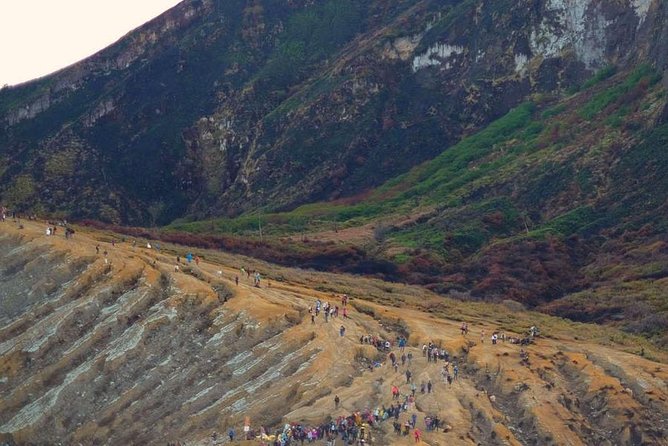
This tour fits best if you have moderate physical fitness and you’re comfortable with steep, slippery sections. In particular, people who benefit from clear guidance and reassurance on difficult terrain tend to enjoy it more. The feedback about guides like Gun being patient and supportive is exactly the kind of thing that makes the difference when you’re nervous about the hike.
I’d also say it’s a good fit if you like structured timing. You’re chasing blue fire at night and sunrise after, so you’ll appreciate having someone manage the schedule rather than improvising your own route.
You might want to rethink if:
- you know you struggle with steep, slippery footing
- you want a purely sightseeing pace
- you’re very sensitive to early wake-up days and night trekking
Book It or Skip It: My Bottom-Line Advice
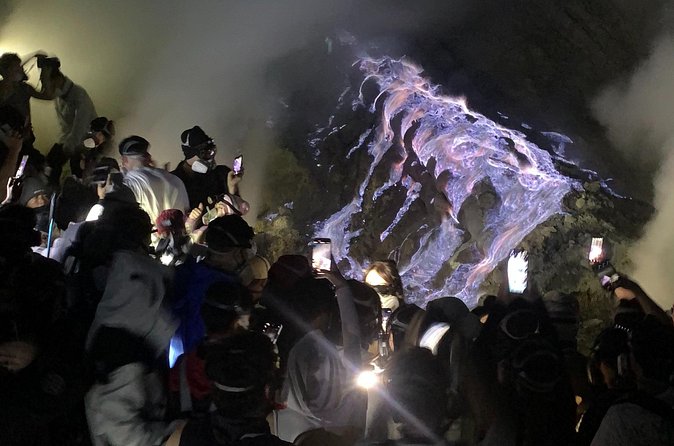
I’d book this if you want the full Ijen experience: blue fire, a guided night approach, safety support, and a sunrise view of the acid lake. The guide quality matters here, and the small group size up to 15 travelers helps keep things controlled.
I’d hesitate if you’re chasing comfort first. This isn’t a gentle stroll. It’s a serious crater hike with sulfur considerations, and the timing is demanding. If weather is poor, the experience depends on conditions, so keep flexibility in your schedule.
If you go in prepared for the physical side and trust the guide on safety, you’ll come away with a day that feels both extraordinary and real.
FAQ
How long is the Ijen Crater Blue Fire tour?
The tour runs about 9 hours total.
What does the tour cost?
It’s listed at $32.50 per person.
Do I get picked up in Banyuwangi?
Yes. Pickup is offered from accommodations in the Banyuwangi area, and the start point is also listed at Banyuwangi City Train Station.
What time or schedule is the experience built around?
It includes a night hike to see blue fire and then a sunrise summit for the crater view.
Is the guide English-speaking?
Yes, the tour includes an English-speaking guide.
What equipment is provided?
You get equipment including a gas mask and a headlamp.
What fitness level do I need?
You should have a moderate physical fitness level.
What happens if the tour can’t operate due to weather?
This experience requires good weather. If it’s canceled because of poor weather, you’ll be offered a different date or a full refund.
Is the tour refundable if I cancel?
No. The experience is non-refundable and cannot be changed for any reason.