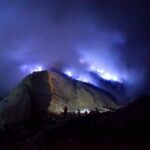
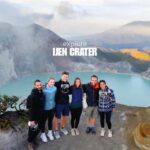
Ijen feels like a sci-fi furnace at dawn. This late-night private trek in Banyuwangi is built around seeing the rare blue fire above the crater, then watching the whole scene shift as sunrise hits the lake. You also get close-up views of sulfur miners hauling heavy loads through the haze.
I really like how the tour shows up prepared. You’re provided with real safety gear—gas mask, headlight, and goggles—so you can focus on the experience instead of scrambling for equipment. I also appreciate that it’s guided by an English-speaking guide (not miners or students), with guides like Aldo, Malik, and Andy noted for being well organized and attentive.
Here’s the main drawback: this is a tough trek. You’ll need moderate physical fitness, and the operator specifically lists that people with asthma, vertigo, or hypothermia concerns can’t join.
In This Review
- Key things I’d plan around before you go
- Blue fire at Ijen: why this night trek is worth the early hours
- Banyuwangi pickup and the calm start before the climb
- 12:30am start and the stamina test: what the hike really asks of you
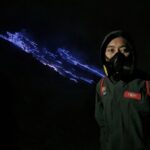
- Safety in the smoke: gas mask, headlight, and why timing matters
- Blue fire viewing and sulfur miners: what you’ll see up close
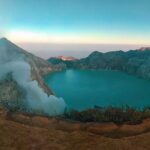
- Sunrise over the crater lake: the moment your photos will depend on
- Guide quality at Ijen: what Aldo, Malik, and Andy-style hosting tends to mean
- Private tour value: what you pay for (and what that buys you at Ijen)
- Who should book this Ijen Blue Fire trek from Banyuwangi?
- Should you book Java Exotica Tour for Ijen Blue Fire?
- FAQ
- What time does the Ijen Blue Fire trek start?
- How long is the tour?
- Where does pickup happen in Banyuwangi?
- Is the tour private?
- What safety gear is included?
- Is the guide English-speaking?
- Are meals and drinks included?
- Is transportation included?
- Who should not join this tour?
- What happens if weather is poor?
Key things I’d plan around before you go
- Blue fire is the headline, sunrise is the payoff after the dark crater climb and careful timing
- Safety gear is included: gas mask, headlight, and goggles so you’re not improvising
- Private pickup in Banyuwangi from hotels, the port, or the airport (and private transportation)
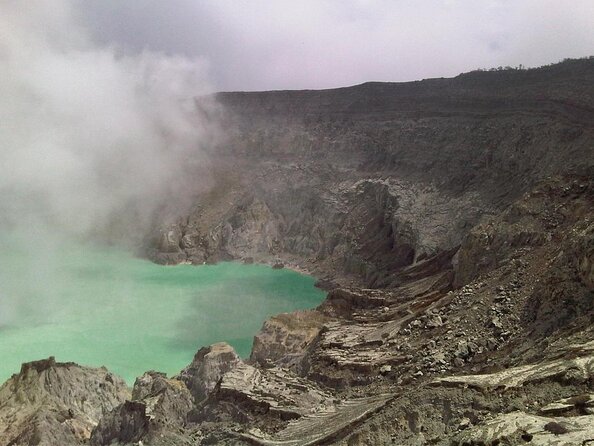
- You get a real crater view for photos with nighttime lighting and a sunrise moment over the turquoise lake
- Sulfur miners are part of the story and you’ll see their work up close in smoky conditions
- Guides matter on this route: feedback highlights strong guides such as Aldo and Malik
Blue fire at Ijen: why this night trek is worth the early hours
Ijen Crater is famous for one thing you can’t really “fake” with a bus tour: the blue fire that flickers over the sulfur gases. In the hours when most of Banyuwangi is asleep, you’re walking into a landscape that feels otherworldly—dark slopes, thick air, and then a glow that makes you stop thinking in normal travel terms.
What makes this experience special is the combo. You don’t just show up for a quick look. You hike in the cloak of darkness, witness miners working below and around the steaming area, then you shift into sunrise mode with the crater lake turning bright turquoise as the light comes up.
You should also know that Ijen is active by nature. Even when the goal is clear, conditions can change. One part of managing expectations is understanding the blue fire depends on what the volcano is doing that night. If you’re the type who needs everything to be perfectly visible, plan to be flexible.
You can also read our reviews of more tours and experiences in Banyuwangi.
Banyuwangi pickup and the calm start before the climb
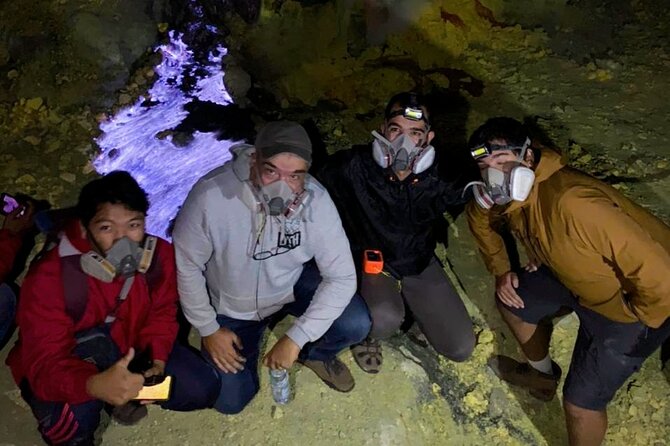
This tour is designed to reduce friction before you ever reach the trail. You can get picked up from Banyuwangi hotels, the port, or the airport, and you’ll have private transportation for your group. That matters here because the timing is very specific, and you don’t want to lose time trying to coordinate your own ride.
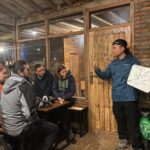
You’ll also have coffee and/or tea before departure. That may sound like a small detail, but at 12:30am start time, a warm drink helps you settle into the rhythm of a long night. It’s also a chance to get your guide’s quick rundown before you enter the dark, smoky crater zone.
One more practical note: the tour offers a mobile ticket. That’s useful if you’re juggling other Java plans and don’t want to keep track of paper confirmations.
12:30am start and the stamina test: what the hike really asks of you
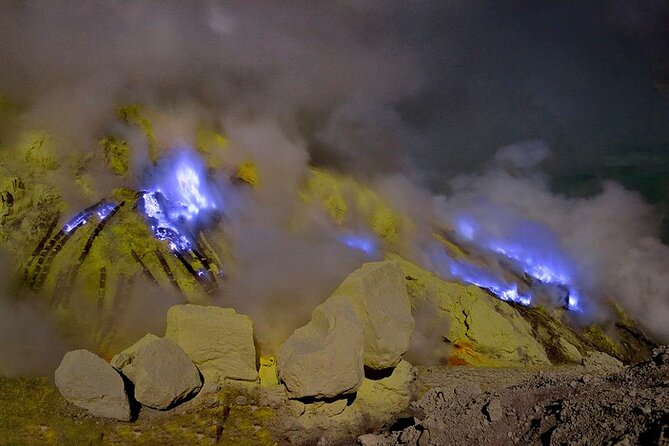
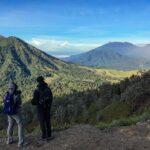
The tour runs about 8 hours total. It starts at 12:30am, which means you’re basically on the move while the world is still in nighttime mode. You’re trekking through tropical jungle terrain, and then you face crater descent and ascent that can feel steep and demanding.
Even if you consider yourself fairly active, don’t treat this as a casual walk. Based on what people experienced, the route can end up closer to a 10 km walk, and the descent into the crater can be very steep with rocky footing. If you get nervous on steep, uneven trails, you’ll feel it here.
The operator is also direct about who should not go. If you have asthma, hypothermia concerns, vertigo, or similar limitations, this is not the right fit. If you’re traveling with kids, children must be accompanied by an adult.
My advice: think of this as an early-morning endurance trek in tough terrain, not a quick viewpoint stop. If moderate fitness is your limit, you’ll want to be honest with yourself before signing up.
Safety in the smoke: gas mask, headlight, and why timing matters
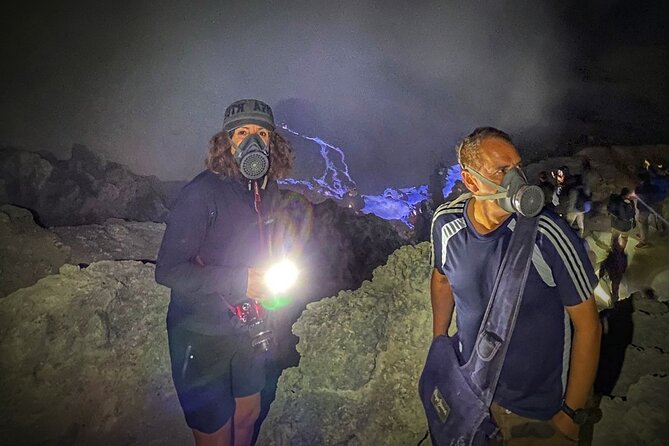
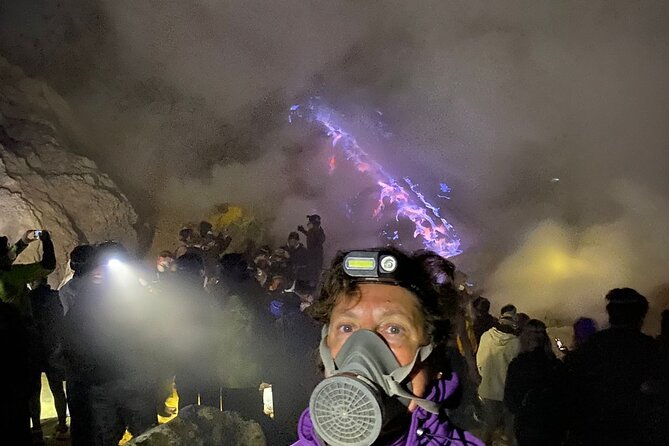
The tour includes safety equipment you actually need at Ijen: gas mask, headlight, and goggles. That’s a big deal because the environment around the crater is smoky and sulfur-filled. You aren’t just taking a photo in fog—you’re walking in conditions where protection and visibility matter.
The headlight helps you move with confidence during the dark portions. The goggles are also important because your eyes will be dealing with haze and harsh conditions. And the gas mask is what turns a scary-feeling idea into a manageable plan.
Timing matters because you’re walking in stages. In the night, your job is to reach the viewing area while conditions are right. Then, as dawn arrives, you shift into sunrise photography mode and lake viewing. When you’re dealing with darkness, light, and gases, having the route handled by a guide who knows what to look for is genuinely useful.
Also: use the gear as instructed. The mask setup and when you wear it can make the difference between feeling tense and feeling in control.
Blue fire viewing and sulfur miners: what you’ll see up close
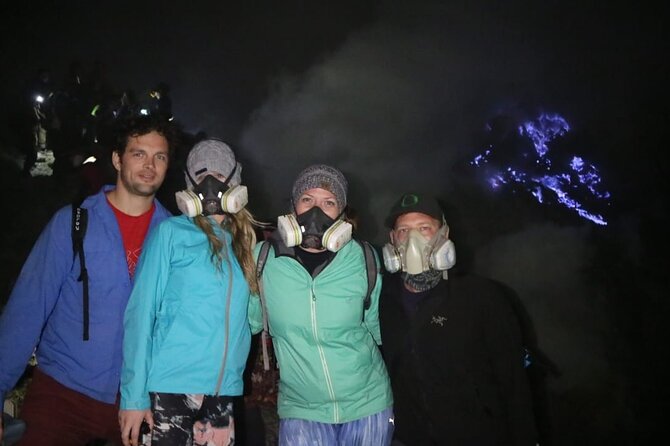
The star attraction is the blue fire phenomenon. When conditions line up, you’ll see glowing blue flames created by the interaction of sulfur gases. It’s unusual enough that you might keep staring long after you’ve taken photos.
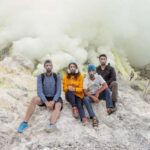
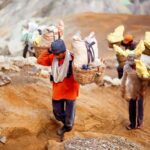
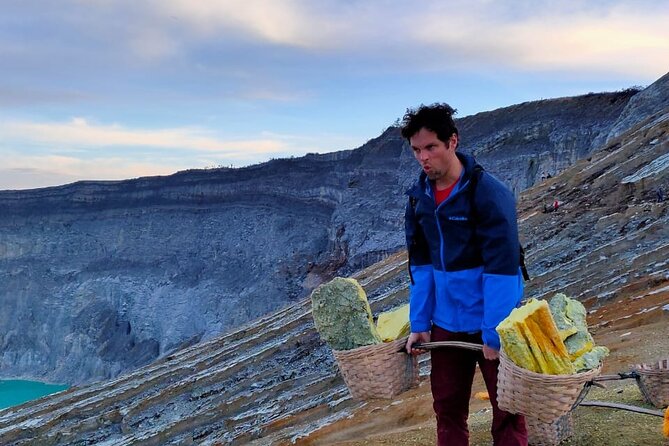
But don’t ignore the people in the story. Part of the magic at Ijen is watching sulfur miners carry back-breaking loads of sulfur manually. You’ll see strong workers moving through the same smoky environment where you’re standing with your safety gear.
This is also where strong guiding makes a difference. One reason names like Malik and Aldo show up repeatedly in feedback is that guides focus on practical flow—helping you avoid getting stuck in heavy crowd pressure and getting to the right viewing moments without wasted time.
One reality check: volcano activity can affect visibility. If the blue fire doesn’t look like you expected, the crater itself, the smoke behavior, and the miners’ work are still powerful to witness. The best mindset is to show up ready for a nature spectacle, not just a single glowing target.
Sunrise over the crater lake: the moment your photos will depend on
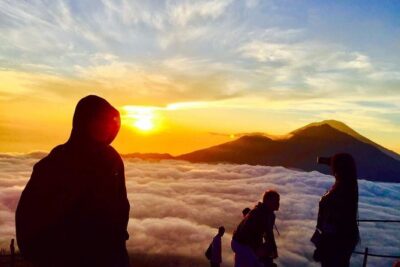
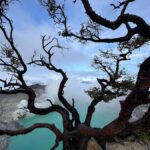
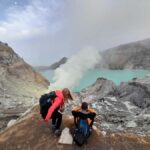
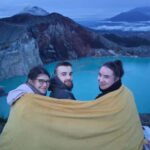
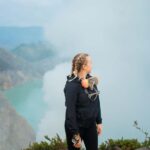
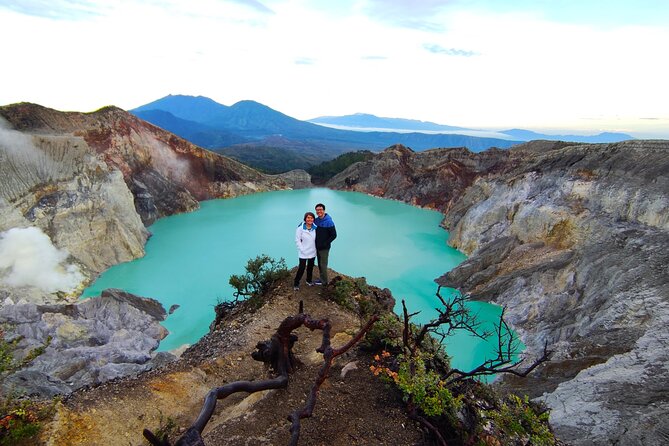
Once the sun starts rising, the scene changes fast. You’ll get the vivid turquoise view of the crater lake as daylight spreads over the area. That transition—from near-black crater slopes to bright color—feels like the tour has two different worlds packed into one outing.
This is the point where your timing and positioning matter for photos. You’ll want to be ready to shoot when the light hits, because the angle and color can shift within minutes. The guide’s role here is to help you settle, find a safe viewing spot, and make the best of the sunrise window.
It’s also a calmer moment compared to the night scramble. After moving through darkness and smoke, sunrise gives you a clearer sense of scale: crater walls, the lake’s color, and how far down you actually came.
Guide quality at Ijen: what Aldo, Malik, and Andy-style hosting tends to mean
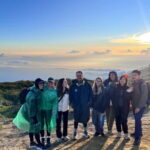
This tour runs as a private experience, and that’s part of the appeal. It’s not a herd situation—you’re with your own group and one guide team. The guide is English-speaking and not using miners or students as substitutes.
Feedback that stands out repeatedly includes three things:
- Guides who are prepared and organized for a long, demanding trek
- Guides who are proactive about keeping you moving and improving photo opportunities
- Guides who handle the experience with a human touch, not just logistics
Names that show up in feedback include Aldo and Malik, with Andy also referenced as a primary guide. One key theme from good guiding is customization: adjusting your pace and routes to improve the experience and reduce time wasted in crowds.
One caution from a more mixed review: not every expectation lands perfectly for every person, especially around service and language feel. If English delivery is important for you, I’d ask your booking to confirm the guide’s communication style and what languages are available.
Private tour value: what you pay for (and what that buys you at Ijen)
At $69 per person, you’re not just paying for entry to a viewpoint. You’re paying for the hard parts: pickup, private transportation, safety gear, and an English-speaking guide, plus insurance coverage.
Think about how expensive it is—time-wise and stress-wise—to coordinate transport at midnight and show up at a crater trek with proper gear. Here, the tour packages that work for you. That’s what makes the price feel reasonable for many people: you’re buying a smoother process around a tough hike.
You’re also getting bottled water included, plus coffee or tea at the start. Again, small items, but they reduce the need to hunt for basics while your schedule is already tight.
In short: you’re paying for convenience and safety support so the trek stays focused on the blue fire and sunrise.
Who should book this Ijen Blue Fire trek from Banyuwangi?
This tour fits best if you:
- Want a true private experience rather than a group shuffle
- Are excited by a rare natural phenomenon like Ijen’s blue fire
- Enjoy early starts and don’t mind a long, steep walk
- Care about photography with sunrise lighting and crater views
- Like learning from guides who explain what you’re seeing while keeping the trek moving
It’s probably not the right choice if you:
- Have asthma, vertigo, or serious cold sensitivity (the operator lists these as disqualifiers)
- Want a short, flat walk
- Get stressed on steep, rocky descent and uneven footing
And if you’re traveling in a pair or small group, private guiding helps a lot. You can keep your own pace, ask questions, and focus on the viewing moments without constantly negotiating a crowd.
Should you book Java Exotica Tour for Ijen Blue Fire?
If your dream trip includes blue fire, sulfur miners, and sunrise turquoise lake views, this tour is a strong match. The included safety gear and private transport are the practical reasons I’d lean toward booking. The strongest feedback also points to guides like Aldo and Malik making the night feel well managed—less guesswork, more results.
Before you hit confirm, keep two things in mind:
- This is not a casual hike. Plan for a steep, challenging route and bring a level of fitness that can handle it.
- Conditions can affect blue fire visibility because volcano behavior isn’t something anyone controls. If you can stay flexible, you’ll still get an unforgettable crater sunrise.
For a low-stress decision: the cancellation setup is free up to 24 hours before the start time, and the operator says the experience needs good weather—if it’s canceled for poor conditions, you’ll be offered another date or a full refund.
FAQ
What time does the Ijen Blue Fire trek start?
The start time is 12:30am.
How long is the tour?
It’s listed as about 8 hours.
Where does pickup happen in Banyuwangi?
Pickup is offered from Banyuwangi hotels, the port, or the airport.
Is the tour private?
Yes. It’s a private tour/activity, meaning only your group participates.
What safety gear is included?
You receive a gas mask, headlight, and goggles.
Is the guide English-speaking?
Yes, the tour includes an English-speaking guide, and the guide is not using miners or students.
Are meals and drinks included?
Coffee and/or tea are included, and bottled water is also provided.
Is transportation included?
Yes. Private transportation is included.
Who should not join this tour?
People who suffer from asthma, hypothermia, vertigo, or similar issues cannot do this tour.
What happens if weather is poor?
The experience requires good weather. If it’s canceled due to poor weather, you’ll be offered a different date or a full refund.