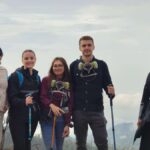
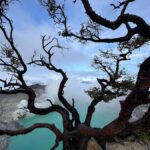
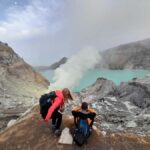
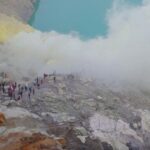
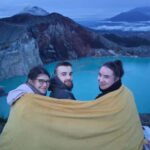
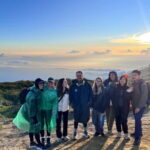
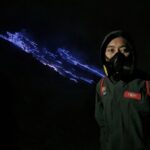
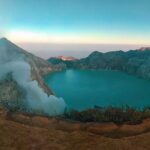
Ijen at night feels otherworldly. This Kawah Ijen Bluefire tour strings together the crater summit, the famous blue flame glow, and sunrise views, with safety gear and an English-speaking guide to keep you moving right. I especially like how the package takes care of the hard parts: headlamp + gas mask + portable oxygen, plus transport from the Banyuwangi/Bali area. One thing to think about: it starts extremely early and you’ll be hiking in cold temps, so it’s not a casual outing.
What you get here is not just a viewpoint stop. You get a real crater experience—walking down to see the sulfur mining activity at sunrise, understanding what you’re seeing, and having time to photograph what’s happening around you. The best-fit drawback is simple: you need to pass the medical certificate/passport-rule requirements and be physically comfortable with a night climb.
In This Review
- Key Things I’d Mark on Your Mental Checklist
- Why This Kawah Ijen Bluefire Tour Works (Even If You Usually Avoid Group Tours)
- The Early Start: Your Schedule From Pick-Up to Return
- Paltuding Briefing and the Safety Gear You Actually Need
- Night Hike to the Summit: What It Feels Like and How to Prepare
- Blue Flame and the Crater Summit: The Part Most People Come For
- Sunrise Over the Blue Lake: Best Views, Stronger Visibility
- Descending and Returning: When the Day Finally Slows Down
- Price and Value: What $25 Includes (and Why It’s Not Just a Discount)
- Who This Tour Fits Best
- Common Gotchas (So You Don’t Lose Time or Comfort)
- Should You Book This Kawah Ijen Bluefire Tour?
- FAQ
- What time does the tour usually start from the Banyuwangi/Bali pickup area?
- Where does the hike begin?
- Is gas protection and night gear included?
- What medical documentation is required for the Ijen hike?
- What’s included besides the guide and entrance ticket?
- Who should not book this tour based on the provided suitability notes?
Key Things I’d Mark on Your Mental Checklist
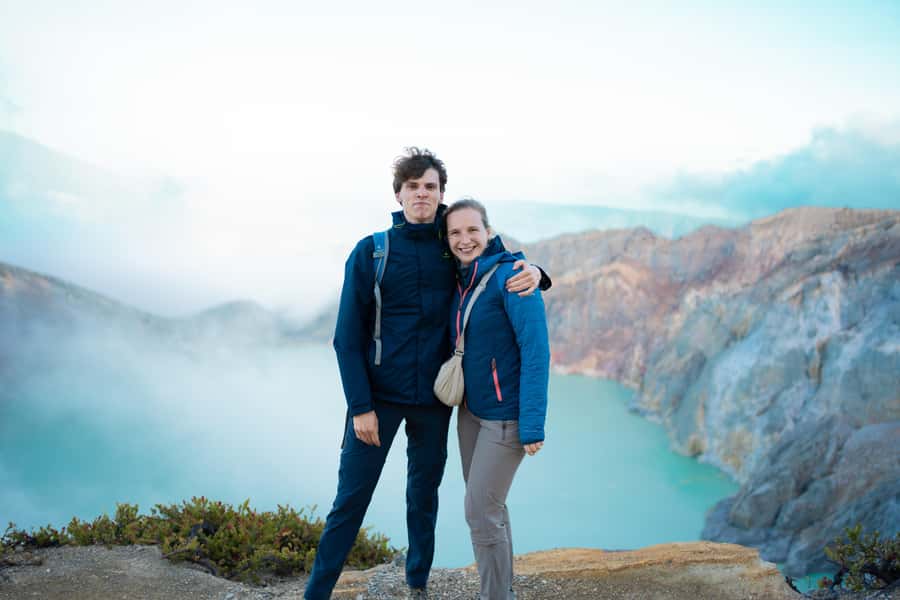
- Blue Flame timing: You’re up at the summit around 03:00 so you can catch the crater’s night phenomenon.
- Safety kit is included: Gas mask, headlamp, first aid, and a portable oxygen tank.
- Sunrise + sulfur miners: You’re on the crater side when the work scene is clearest.
- A guide that sets the tone: The vibe is described as chill and funny, with lots of practical Q&A.
- Warm snack after the climb: A local fried banana is included to help you reset.
- Cold-weather prep matters: Expect temperatures down around 5–10°C.
Why This Kawah Ijen Bluefire Tour Works (Even If You Usually Avoid Group Tours)
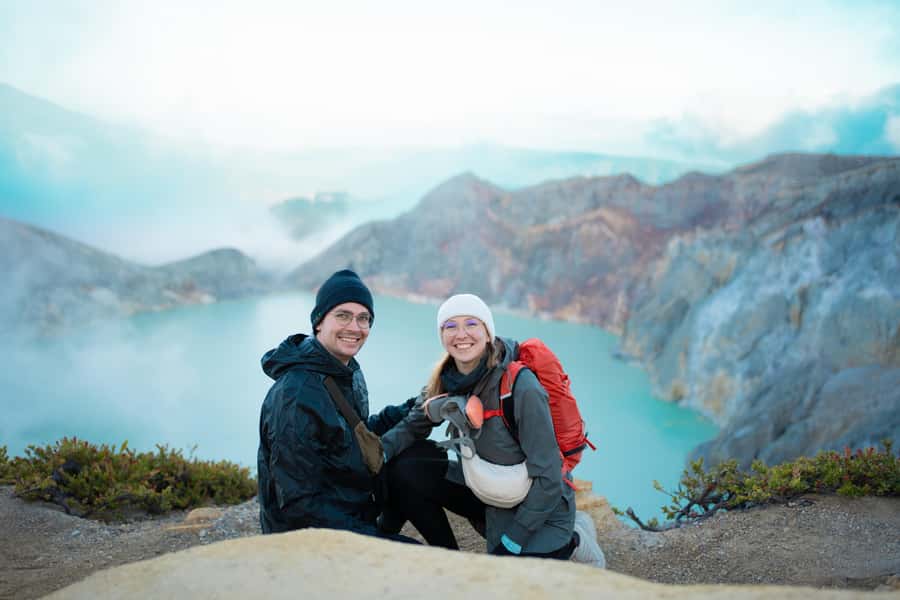
Kawah Ijen is one of those places where the timing is the whole show. Daytime is beautiful, sure. But the real reason to come is what happens at night: the crater area turns into a working landscape, and the Blue Flame phenomenon shows up after dark.
This tour is built around that logic. You start with a guided night hike to the summit, then you watch the crater shift as sunrise rolls in and the sulfur mining activity becomes more visible. It’s not just “arrive, look, leave.” It’s a structured flow that still gives you enough breathing room to take photos and soak in what you’re seeing.
I also like the way the safety setup is treated as part of the experience, not an afterthought. With gas mask and headlamp included, you’re less likely to arrive underprepared. And the inclusion of a portable oxygen tank plus first-aid support signals that the organizers know what people can face there: sulfur fumes and altitude-like exertion from the climb.
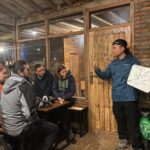
The other big reason it works is that your guide does briefing and hike prep in advance, which matters when you’re walking in the dark. You won’t just be handed a route and left to guess.
You can also read our reviews of more tours and experiences in Banyuwangi.
The Early Start: Your Schedule From Pick-Up to Return
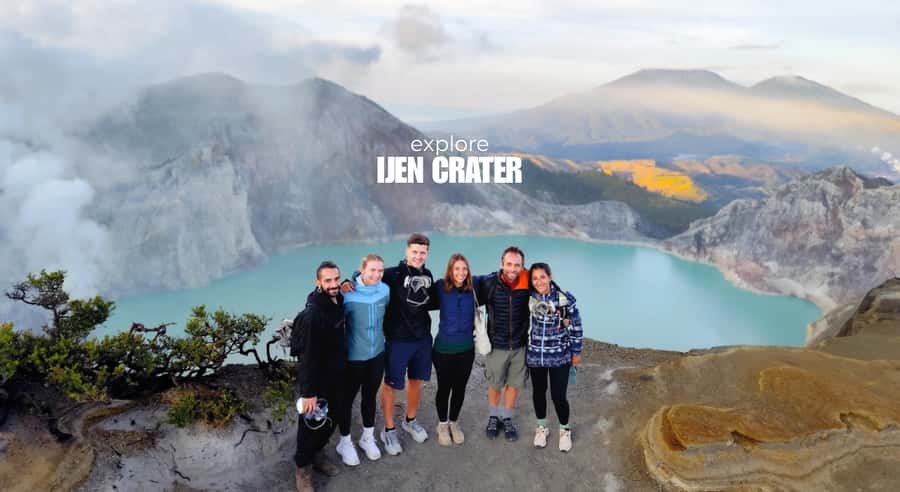
Your day starts before most people finish dreaming. Departure is scheduled between 00:00 and 00:30 from the hotel/homestay area in the Banyuwangi side (and also from select Bali pickup points like Ubud, Denpasar, and Kuta).
Then the rhythm goes like this:
- 01:30 AM: You arrive at Paltuding, the starting point for the Ijen hike. This is when the guide gives briefing and you get ready with your safety gear.
- 02:00 AM: The hike begins. This is dark walking with proper guidance, which helps you avoid “where do we go” stress.
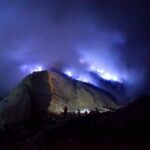
- 03:00 AM: You reach the summit of Kawah Ijen and get a chance to see the famous Blue Flame phenomenon. The glow is a night-only show.
- 05:00 AM: Sunrise viewing. This is when you can observe the crater lake and see sulfur mining activity more clearly.
- 07:00 AM: You descend from the crater.
- 08:30 AM: You return to Paltuding and transfer back to the Banyuwangi area.
Even if your group moves at a steady pace, the structure makes the day feel efficient. You’re not spending time wondering when the best moments happen; the timeline is built around the Blue Flame and sunrise window.
Paltuding Briefing and the Safety Gear You Actually Need
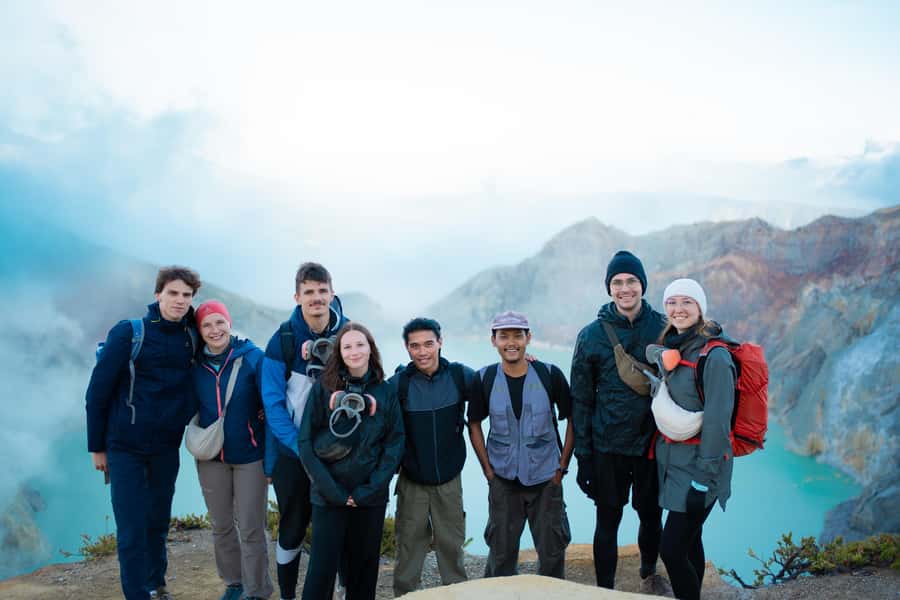
Paltuding is where the trek turns real. At arrival, you’ll do briefing and preparation, and you’ll be equipped with:
- Gas mask for sulfur gas exposure risk near the crater
- Headlamp for night navigation
- First aid support plus a portable oxygen tank
- Mineral water
- A warm local snack: fried banana
That snack might sound small, but after a cold, early climb, anything warm-and-carby helps you reset. You’ll be thinking about heat, breathing, and footing more than hunger for a while.
What to bring matters here. The tour notes call out warm clothes (jacket, gloves, hat) because temperatures can drop around 5–10°C. You’ll also want comfortable shoes designed for rough, slippery ground—trekking shoes are the smart call over casual sneakers.
Also plan to bring a camera. The best views are tightly time-based. If you wait until “later,” you’ll miss your best shot window.
Night Hike to the Summit: What It Feels Like and How to Prepare
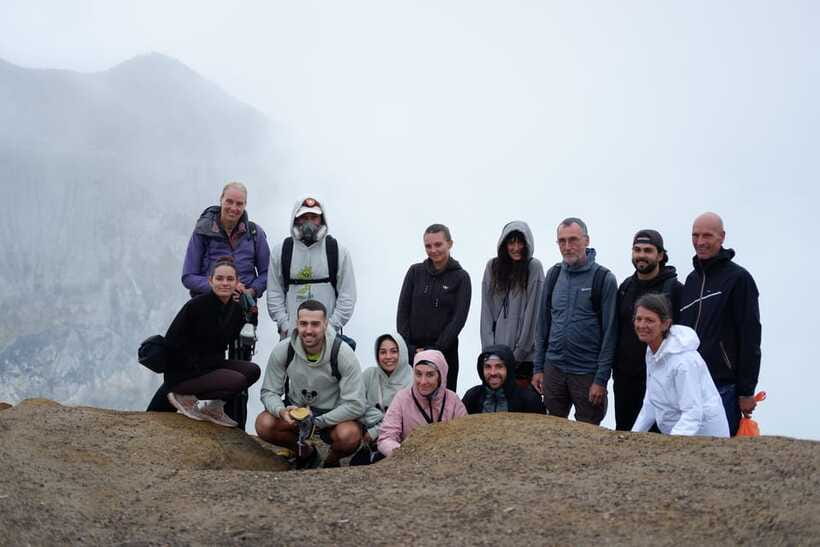
The hike starts around 02:00 AM, when the trail is dark and the work is physical. Expect a colder start than you might think, and expect your legs to feel it as you climb.
The practical advantage of having an experienced guide is that you’ll get guidance for pace and crater approach. You’ll also have the equipment that makes sulfur exposure and dark walking safer and less stressful.
A few preparation notes you can act on right away:
- Wear hiking pants and layers. Cold creeps in fast in the early hours.
- Keep gloves and a hat accessible. Don’t wait until you’re already cold.
- Bring shoes with solid grip. The terrain around volcanic areas can be uneven.
- If you have asthma or any breathing issues, read the suitability rules carefully before you go (this tour is not suitable for people with those concerns).
The tour is listed as not suitable for people with epilepsy, altitude sickness, or high blood pressure. That’s not a casual warning. If any of those apply to you, you should look for a different style of visit.
Blue Flame and the Crater Summit: The Part Most People Come For
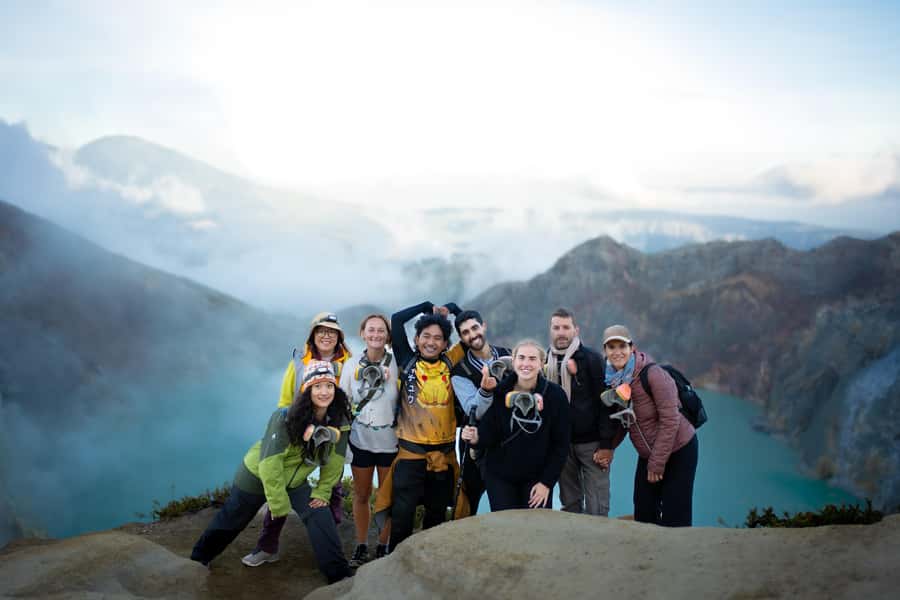
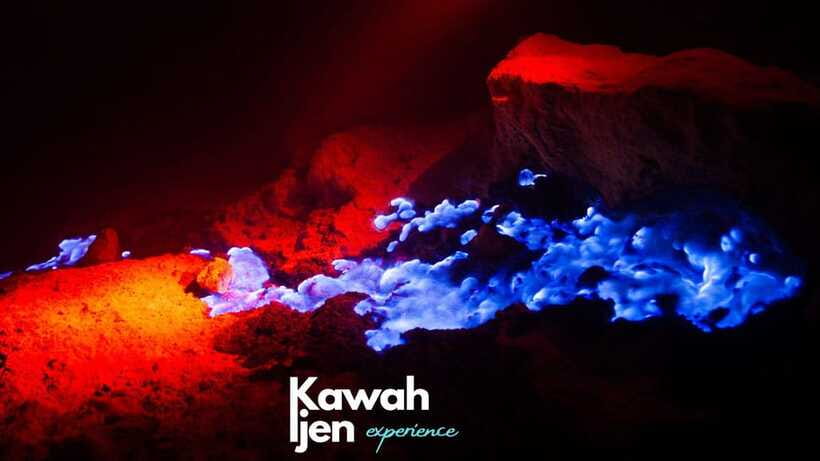
Around 03:00 AM, you reach the summit of Kawah Ijen. This is when the Blue Flame phenomenon can be seen. That timing is crucial because this glow is tied to night conditions.
What’s special about this moment is that it’s not a scenic postcard scene. It’s a mix of natural fire glow, steam, and human activity in a harsh environment. You’re seeing a working landscape at the edge of a volcano.
Also, you’re surrounded by strong smells and fumes. That’s exactly why the tour equips you with a gas mask and headlamp. Use the gear the way you’re instructed, and keep your focus on your footing and breathing.
If you’re the type who likes understanding what you’re looking at, this is where a good guide adds real value. You’re not just looking at lights; you’re learning what’s behind the sulfur setting and why the scene looks the way it does.
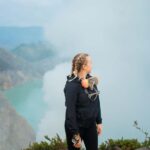
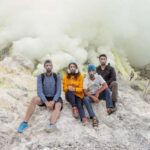
Sunrise Over the Blue Lake: Best Views, Stronger Visibility
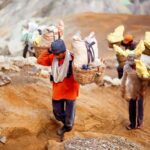
At about 05:00 AM, you shift from night-climb mode to sunrise-view mode. This is when the crater lake and surrounding features become clearer, and you can observe sulfur mining activity in a more visible way.
Sunrise changes everything:
- Light reveals scale and depth.
- The crater lake and surroundings become easier to interpret.
- The mining activity becomes more defined in the new daylight.
This is also when you’ll appreciate why the itinerary doesn’t cut corners. If you came only for the Blue Flame and left early, you’d miss the second act: the crater in daylight and the human work scene.
The main consideration here is still physical and environmental. Even in sunrise light, you’re in a volcanic area. Stay aware, don’t rush, and keep using the safety gear if instructed.
Descending and Returning: When the Day Finally Slows Down
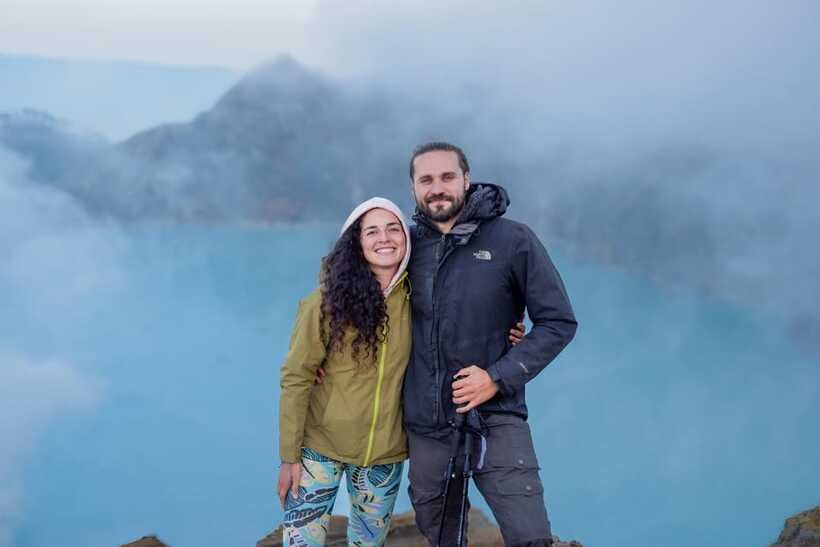
You start descending around 07:00 AM. The hard part is over, but your body is still tired. Descent can be tough on knees and ankles, especially after climbing in the dark.
The itinerary then returns you to Paltuding by about 08:30 AM and transfers you back to the Banyuwangi/hotel area. That end time matters if you’re trying to connect onward travel.
Because the full experience is 8 to 20 hours depending on your starting point and schedule, check what “complete day” means for your plans. If you’re taking flights the same day, build in buffer time.
Price and Value: What $25 Includes (and Why It’s Not Just a Discount)
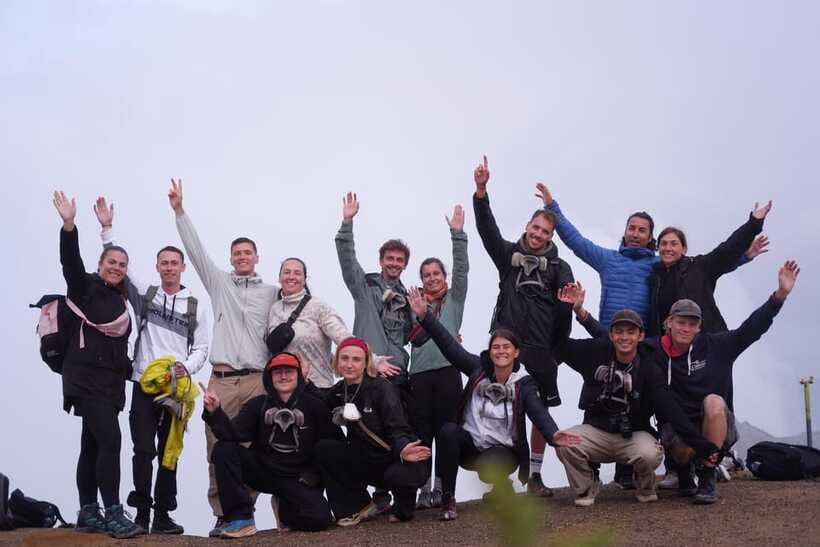
This tour is priced around $25 per person. For that, you get:
- Transportation (starting from the Banyuwangi/Bali area)
- English-speaking guide for briefing and hike preparation
- Guide for hike and crater exploration
- Entrance ticket to Kawah Ijen
- Kawah Ijen insurance
- Gas mask and headlamp
- First aid plus a portable oxygen tank
- Mineral water and a local snack
Here’s the practical value calculation: Ijen is not a place where you want to do everything “DIY.” Getting the right safety gear, the guide for dark navigation, and the on-site planning around sulfur exposure and timing all cost time and money if you assemble it yourself.
If you’re comparing to hiring only a driver or only a guide, this package bundles the essentials you’d otherwise pay for separately. The result is a simpler decision: you can focus on showing up prepared, rather than figuring out how to manage safety and timing on your own.
One more value point: it’s private or small-group available. If your group includes people with different hiking comfort levels, a smaller group can make the whole day feel less chaotic.
Who This Tour Fits Best
This tour is a good fit if you:
- Want the night Blue Flame experience plus sunrise crater viewing
- Prefer a guided approach to a difficult, early, low-light hike
- Value included safety gear over trying to source it yourself
- Like having time for photos and questions, while still getting structure
It may not be the best choice if you:
- Can’t handle very early mornings and cold temperatures
- Have health conditions that make strenuous hiking risky (epilepsy, altitude sickness concerns, high blood pressure, breathing problems)
- Are traveling with infants or need stroller access (baby strollers are not allowed, and babies under 1 year are not suitable)
If you’re doing this trip because it’s on your bucket list, this format is a straightforward way to make the bucket list happen without guesswork.
Common Gotchas (So You Don’t Lose Time or Comfort)
A few things can trip people up here:
- Medical certificate rules: New rules require you to provide a copy of your passport and a medical certificate (doctor note). It should be valid and made within the maximum 3 days from when the letter is made. If you don’t have one, you can get it from a clinic and the cost is around IDR 35,000/person (outside the tour package).
- Friday closure note: Ijen is listed as closed every Friday in the first week. If your plan falls in the Thursday to Friday night window, it may be affected.
- Cold gear planning: Bring warm layers even if you think tropical clothing is enough.
- Footwear: You want shoes made for uneven ground, not just breathable fashion.
- No alcohol/drugs: This is an active safety setting, not a party day.
These aren’t details to ignore. They affect whether you can enter and how comfortable you’ll be once you’re out there.
Should You Book This Kawah Ijen Bluefire Tour?
Yes, if your priority is a night-to-sunrise Ijen experience with real safety support and a guide who handles the tricky parts. The included gear—gas mask, headlamp, oxygen tank, first aid—is the kind of value that makes a difference in a place where conditions are unforgiving.
Book it especially if you want:
- A structured route that hits the Blue Flame timing and sunrise views
- English-speaking guidance with briefing for hike prep
- A small-group or private feel
Skip it if you’re not ready for intense timing, cold weather, and the medical documentation requirements. And if any of the listed health conditions apply, don’t gamble on “maybe it’ll be fine.”
FAQ
What time does the tour usually start from the Banyuwangi/Bali pickup area?
The planned departure is between 00:00 and 00:30 AM, and you arrive at Paltuding around 01:30 AM.
Where does the hike begin?
The hike starts at Paltuding, which is listed as the starting point for the Ijen hike.
Is gas protection and night gear included?
Yes. You’re provided with a gas mask and a headlamp for safety during the crater portion of the experience.
What medical documentation is required for the Ijen hike?
You need to provide a copy of your passport and a medical certificate. The note is expected to be valid and made within the maximum 3 days from when it was issued. If you don’t have one, the information says you can get it from a clinic (about IDR 35,000/person).
What’s included besides the guide and entrance ticket?
The package includes transportation, English-speaking guide support, Kawah Ijen insurance, first aid, a portable oxygen tank, mineral water, and a warm fried banana snack.
Who should not book this tour based on the provided suitability notes?
It’s not suitable for people with epilepsy, altitude sickness, high blood pressure, babies under 1 year, and people over 95 years. Baby strollers are also not allowed, and alcohol and drugs are not allowed.