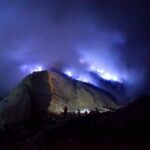
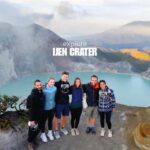
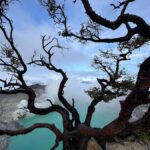
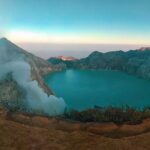
Blue flames start before sunrise at Ijen. This midnight-to-sunrise hike mixes blue fire drama with a turquoise crater lake at dawn, plus that eerie dead forest detour that feels like another planet.
What I like most is the way the whole outing is built around comfort and safety from start to finish, not just the photo. Gas mask and headlamp support are included and actually make a difference when the sulfur gets intense near the crater.
The possible drawback: blue fire isn’t guaranteed, and you’ll still be doing a real uphill hike in cold, early hours even if you don’t catch the flames.
In This Review
- Key things to know before you go
- Why Ijen at midnight is such a strange kind of fun
- Banyuwangi pickup to Paltuding Basecamp: the part that keeps you sane
- Gear setup: what you get and what you should bring
- The uphill grind: 3.8 km to the crater
- Dead forest detour: the eerie break in the routine
- The blue fire moment: what you can expect realistically
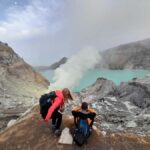
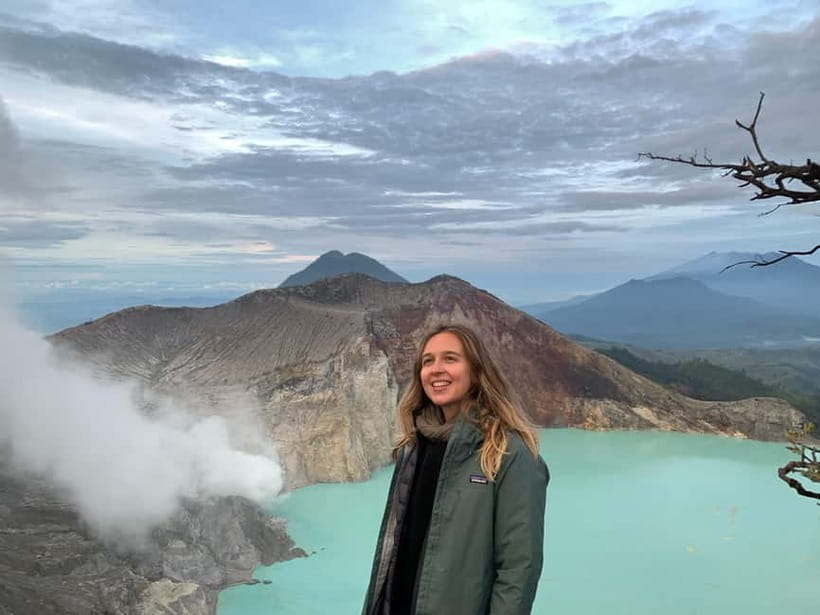
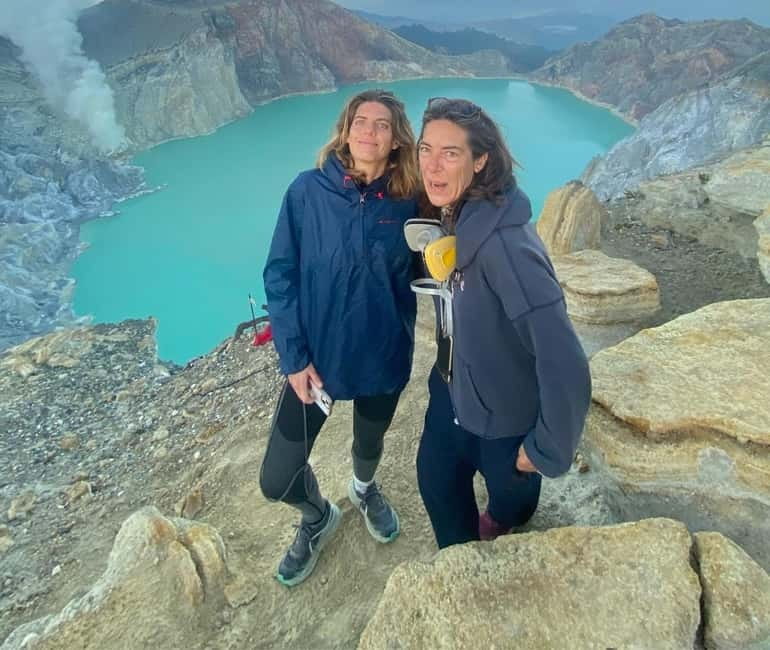
- Sunrise over the turquoise crater lake: the payoff
- What sulfur workers teach you about strength and endurance
- Guide quality and safety rhythm on a shared tour
- Food breaks and the energy you need afterward
- Price and value: is $20 really fair for Ijen?
- Who this tour suits best (and who should skip it)
- Should you book the Ijen Midnight Hike with blue fire and guide?
- FAQ
- FAQ
- How long is the hike to the Ijen crater?
- What time does the tour start?
- Is the blue fire guaranteed?
- Do you provide the gas mask and headlamp?
- What’s included in the ticket price?
- What should I bring for the hike?
- Who isn’t allowed to join?
- Are there rules about what I can bring or do?
Key things to know before you go
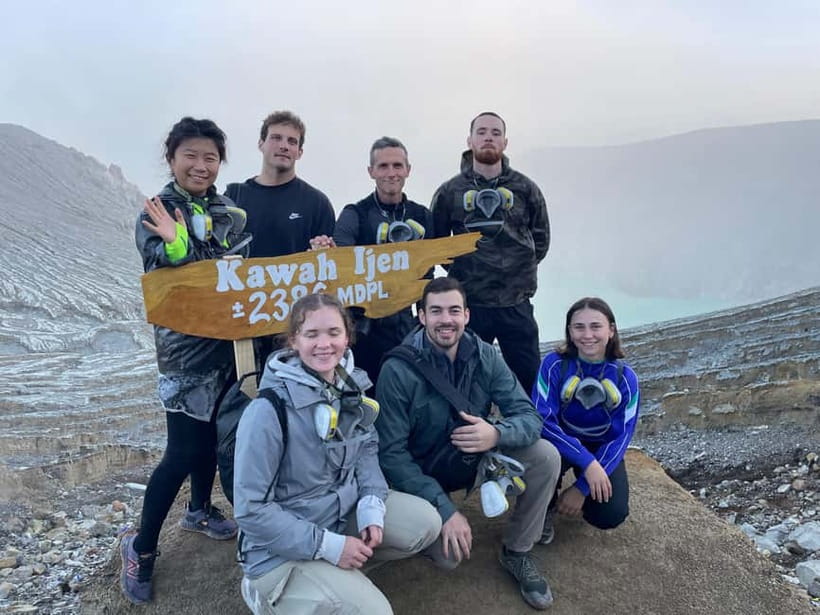
- Gas mask, headlamp, and real safety extras are included, including a first aid kit and portable oxygen on hand
- Guide support is structured: one guide for about every seven participants, and two guides for groups larger than seven
- You’ll hike 3.8 km each way to reach the crater area, so moderate fitness matters
- Dead forest is an optional detour if you want the most eerie volcanic scenery
- Blue fire visibility depends on conditions and may be limited during heavy sulfur activity
- Food is covered with coffee before and after, plus an Indonesian breakfast after the hike
Why Ijen at midnight is such a strange kind of fun
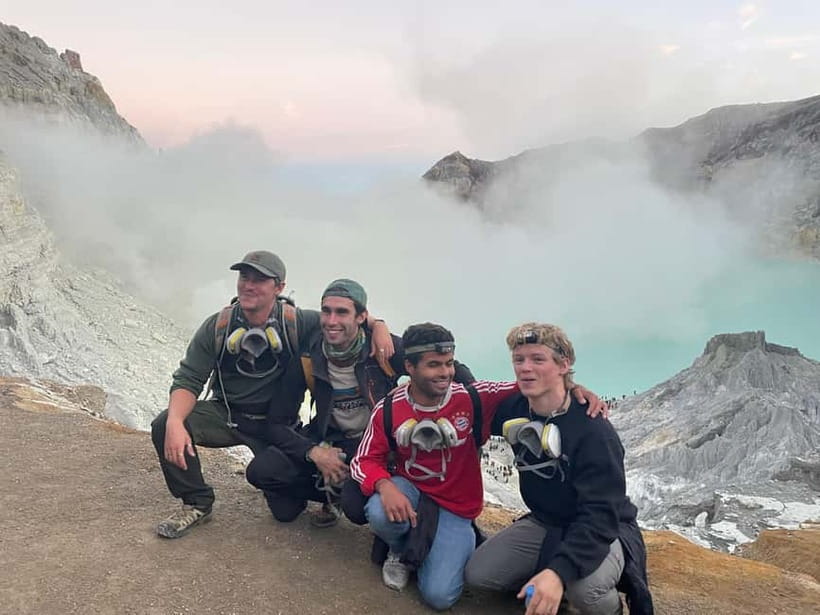
The Ijen hike is one of those rare trips where the timing matters as much as the destination. You’re walking in darkness so you can be in position for sunrise, and sunrise here comes with the crater lake turning into one of those impossible-looking colors.
Then comes the main event: the chance to see blue fire around the sulfur fields. It’s not just a glowing moment from far away; it’s something you experience up close, while you’re wearing a gas mask and standing in the real conditions of the volcano.
You should also know the vibe: it’s not a casual morning walk. Even with a guided trail, it’s chilly, steep in places, and slow-going at altitude and in sulfur air. If you’re fine with that, you’ll enjoy the whole rhythm.
You can also read our reviews of more tours and experiences in Banyuwangi.
Banyuwangi pickup to Paltuding Basecamp: the part that keeps you sane
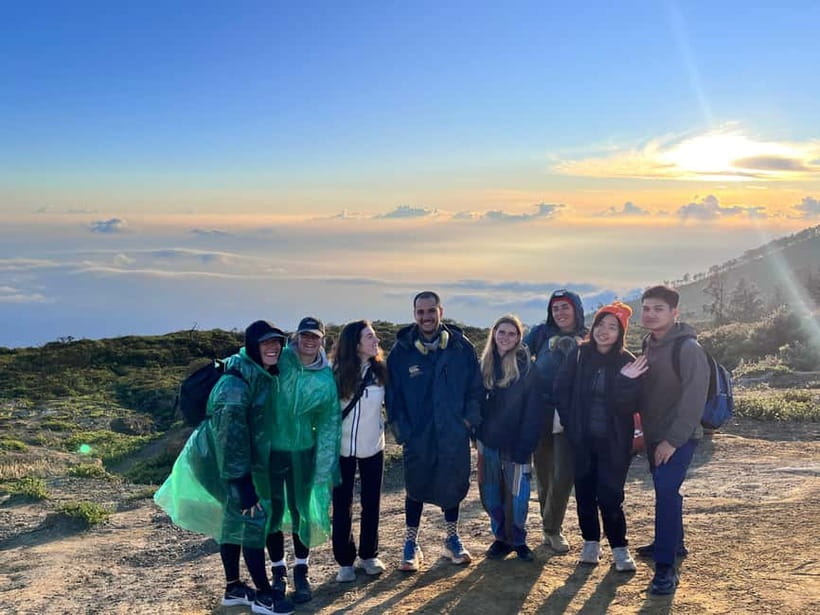
You start with pick-up from your accommodation in Banyuwangi. Expect about 1 to 1.5 hours of driving to Paltuding Post (in the Licin area). Roads are generally smooth, but early morning traffic can add a bit of delay.
This matters more than it sounds. Being early and on time is how you reach the crater before sunrise without rushing. The shuttle transfer also means you’re not trying to coordinate rides in a place where schedules can be unpredictable.
At the basecamp, you’ll get a quick check-in moment for what to bring and what you’ll receive. This is where you confirm essentials like warm layers, gloves, and your headlamp plan.
Gear setup: what you get and what you should bring
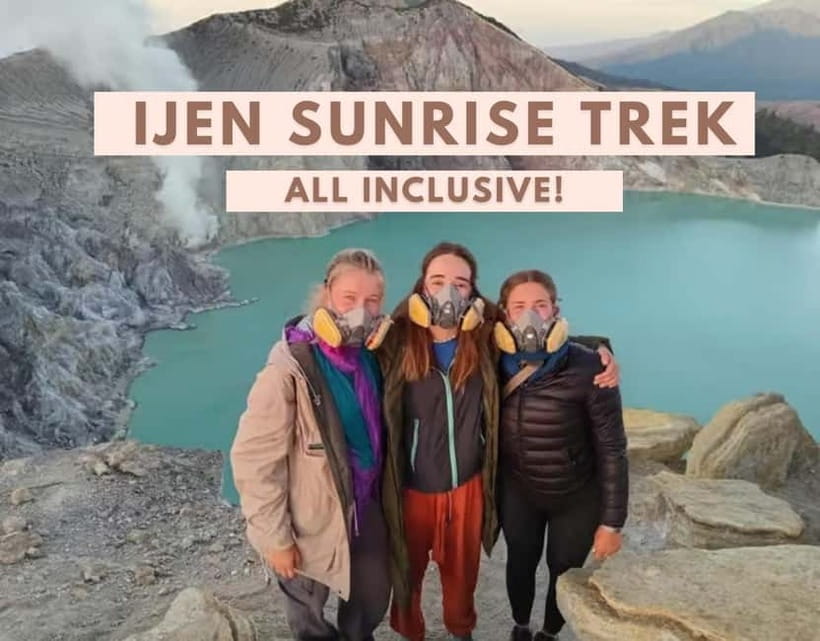
This tour gives you some key items that many hikers end up scrambling to buy or borrow. You get a clean gas mask (mandatory for the crater area) and a headlamp for the dark hike.
You also get practical extras built into the experience, not just a checklist. There’s a first aid kit available, and a portable oxygen canister is on hand for emergencies.
What you should bring keeps the plan realistic: comfortable shoes (good tread matters), warm clothing for the pre-dawn cold, gloves, and water. Temperatures can drop to about 5°C to 15°C before sunrise, so pack for cold that bites, not just “cool weather.”
The uphill grind: 3.8 km to the crater
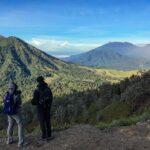
The hike to the crater is around 3.8 km and usually takes about 1.5 to 2 hours. It’s a steady uphill walk on a marked trail, so you’re not constantly guessing where to step.
This is where your footing and pacing pay off. Headlamps help you read the trail surface, and the steady grade helps you avoid the burn that comes from going too fast. The earlier you start, the more you’ll likely feel that switch from sleepy to focused.
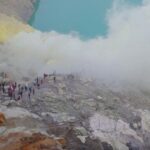
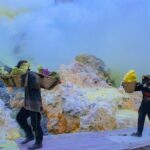
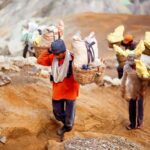
Along the way, you may spot sulfur miners or other guides. Watching how local workers move through this environment is one of the most humbling parts of the whole morning.
Dead forest detour: the eerie break in the routine
If you want extra scenery beyond the main crater route, there’s an optional detour to the dead forest. This area comes from past volcanic eruptions, and the effect is haunting in a quiet, natural way.
You’re not going off-road into chaos. It’s a short detour that adds time without breaking the overall schedule. If you love oddball nature scenes and atmospheric walking, it’s worth it.
If you’re cold, tired, or just want the fastest route to the summit for sunrise, skip it. The core experience is still the crater views and the sulfur fields.
The blue fire moment: what you can expect realistically
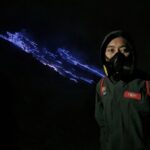
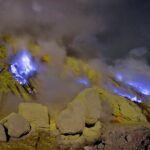
You may catch a glimpse of blue fire from a distance if conditions allow. In other words, you’re aiming for visibility, not a guaranteed performance. Visibility can depend on volcanic conditions and sulfur activity, and access can be restricted during high sulfuric activity.
When you do see it, the effect is surreal because you’re watching something unnatural-looking in a landscape that feels intensely real. This is also the moment where your gas mask matters most.
A helpful way to think about it: treat blue fire as a bonus that can happen, and treat being in position for sunrise as the reliable payoff. That mental shift makes the whole hike feel less stressful.
Sunrise over the turquoise crater lake: the payoff
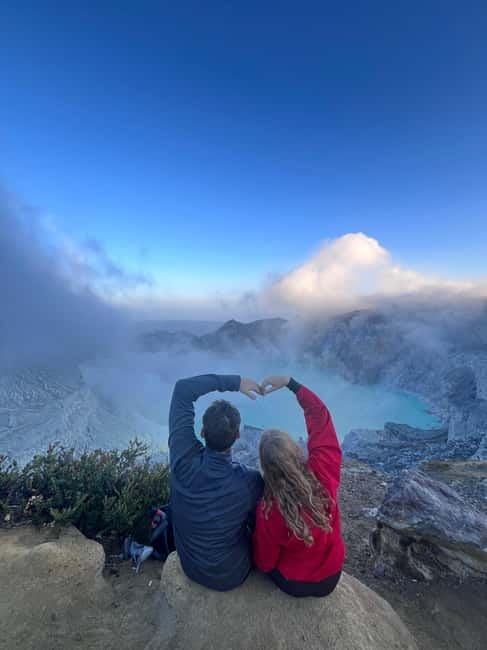
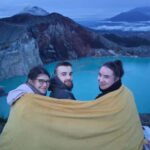
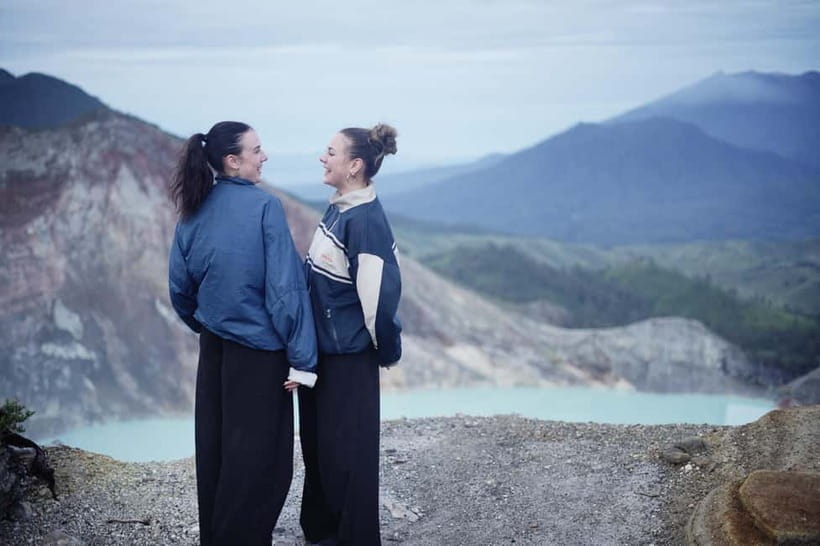
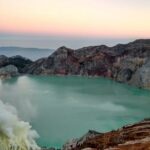
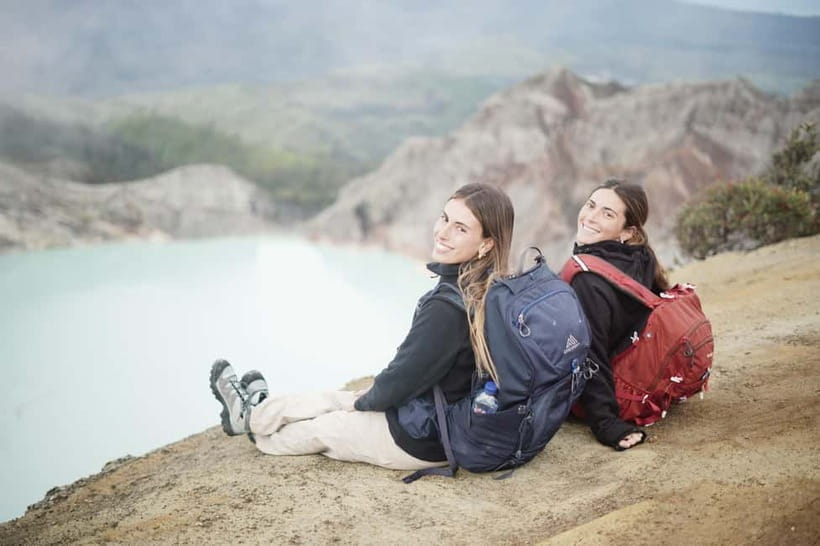
Once you reach the summit viewpoints, the goal becomes timing the light. As daylight breaks, you’ll see the colors of the crater lake and the surrounding mountains shift. It’s the kind of scene that pulls the whole group into silence, even when people are still rubbing sleep out of their eyes.
This is also your best photo window. The morning air is often clearer than later in the day, and the colors show up fast as the sky warms.
Then comes the practical side: the descent. The way down is usually easier, typically 1 to 1.5 hours, though the path can be busy. The trail is safe and easy to follow with your guide keeping the pace manageable.
What sulfur workers teach you about strength and endurance
One of the most praised aspects of this hike is how the route brings you close to the people working the volcano. You might encounter local sulfur miners or see them moving through the area while you’re still heading toward the crater viewpoints.
That contrast hits hard. You’re there for a sunrise hike with gear support and a guide. They’re moving through the same environment day after day with a level of endurance that doesn’t look heroic in an exaggerated way; it just looks skilled and tough.
Seeing that in person changes the tone of the hike. It stops being only about photos and turns into a real appreciation for what the volcano means to the local economy.
Guide quality and safety rhythm on a shared tour
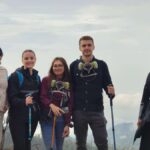
This is a shared tour, but it doesn’t feel sloppy. You get a local trekking leader for the full hike, and the guide structure is designed around attention, not crowd control.
For groups larger than seven, the tour provides at least two guides. That means help is available if someone is slower, unsure of footing, or dealing with cold and fatigue.
English-speaking guidance is a big deal here because the instructions have to be clear, especially around safety gear. The biggest value isn’t only translation; it’s knowing what to do and when—especially in low visibility at night and around sulfur exposure.
Food breaks and the energy you need afterward
A small thing that keeps people happy: coffee breaks before and after the Ijen trek. When you’re starting before sunrise, warm drinks and snacks help you feel human again.
After the hike, you get an Indonesian breakfast. That’s not just comfort food; it’s recovery. The hike can be tiring even when it’s controlled, and a meal helps you get through the long drive back without feeling wiped out.
Price and value: is $20 really fair for Ijen?
At $20 per person, the price is hard to ignore—especially because the tour includes more than a basic guide. You’re paying for round-trip transport from Banyuwangi city to Paltuding Post, entrance fees for Ijen National Park plus the Jambu retribution, and the mandatory support items like gas mask and headlamp.
You also get a health certificate requirement handled as part of the package. Since the health certificate is mandatory starting in 2024, having it included avoids a common headache and cost that can pop up late.
Then there’s the human part: guide support with a defined guide-to-participant ratio, plus safety items like first aid and portable oxygen. That’s what turns a risky-looking hike into something that feels organized.
Who this tour suits best (and who should skip it)
This hike suits you if you’re looking for a classic Ijen experience: sunrise views, sulfur atmosphere, and the chance to see blue fire. It also fits well if you like guided walking where the trail is marked and you don’t have to plan timing down to the minute.
It’s not suitable if you’re under 12, pregnant, have heart problems, have respiratory issues, or have low fitness. If cold mornings make you miserable, you’ll need to handle that with the right warm layers and gloves.
Should you book the Ijen Midnight Hike with blue fire and guide?
Book it if you want the most iconic Ijen experience in a guided, safety-minded format, and you’re okay with a real uphill walk at night. I’d especially recommend it if you appreciate included safety gear and clear instructions—gas masks, headlamps, and proper guide support.
Skip it if you’re expecting guaranteed blue fire on demand or if you don’t want to deal with cold temperatures and moderate fitness demands. Think of blue fire as the potential bonus, and treat sunrise over the crater lake as the main event you can plan your day around.
FAQ
FAQ
How long is the hike to the Ijen crater?
The hike to the crater is about 3.8 km each way. The uphill part usually takes around 1.5 to 2 hours, and the descent typically takes about 1 to 1.5 hours.
What time does the tour start?
It’s a midnight hike designed for sunrise viewing, so you start just after midnight.
Is the blue fire guaranteed?
No. Blue fire sightings depend on volcanic conditions, and access may not be permitted during high sulfuric activity. The tour focuses on trekking, with blue fire visibility only if conditions allow.
Do you provide the gas mask and headlamp?
Yes. The tour includes gas masks (mandatory for the crater area) and headlamps as part of the essential trekking gear.
What’s included in the ticket price?
Included are round-trip transportation from Banyuwangi city to Paltuding Post, Ijen National Park and Jambu entrance fees, gas mask and headlamp, a local trekking guide, a mandatory health certificate, parking fees, first aid kit and portable oxygen canister availability, coffee breaks, and an Indonesian breakfast after the hike.
What should I bring for the hike?
Bring comfortable shoes, warm clothing (temperatures can be very low before sunrise), hiking shoes if you prefer, gloves, and water. A flashlight or headlamp is mentioned as something to have, though the tour provides a headlamp.
Who isn’t allowed to join?
The tour is not suitable for children under 12, pregnant women, people with heart problems, people with respiratory issues, and people with low fitness.
Are there rules about what I can bring or do?
Pets, baby strollers, luggage or large bags are not allowed. Smoking in the vehicle, alcohol, and drugs are also not allowed, and you’re expected to keep noise to a minimum.