Blue fire on Java feels like a science lesson at 1 a.m. The best part is that this Kawah Ijen hike lets you chase the rare blue fire phenomenon and then reward you with big views over the volcanic crater lake by sunrise. You’re also rolling through the early-morning scenery that includes a sunrise viewpoint toward Bromo.
I love that the experience is built around a real, specific moment in nature: the blue flame appears only before sunrise, when the crater’s heat and sulfur gases create that eerie glow on the ground. And I love the crater lake payoff—when the light comes up, you can see the turquoise water of Ijen’s crater lake more clearly than you can in the dark.
One thing to plan for: this is a midnight start with a steady climb, so it’s not a relaxed stroll. If you’re sensitive to heights, altitude, or you have high blood pressure, this may not feel good for you.
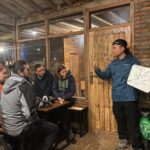
Rising at night also means the tour is practical, not fancy. You’ll be in a shared car with other people, and that often turns into easy conversation at pickup and on the ride—one reason it works well if you like making new adventure buddies. In one example guide (Raffi from a prior booking), the vibe is upbeat and he keeps everyone moving with good energy.
You’ll need the right gear mindset too. A gas mask is included, but you still should expect sulfur smells and strong conditions around the crater area. If you’re booking for comfort, you might find this part tougher than the views make it sound.
In This Review
- Key things that make this Ijen tour worth your time
- From Banyuwangi in the dark: how the start actually works
- The climb to the crater: what you’re signing up for
- Blue fire at Kawah Ijen: the part you came for
- Sulfur miners and why the masks matter
- Sunrise reveal: Ijen crater lake in the early light
- The Bromo sunrise viewpoint: a bonus you’ll feel in your legs
- Timing, group format, and practical comfort tips
- Value for $15: what you get, what you supply
- Who should book this Ijen blue fire shared tour (and who should skip)
- Should you book Mount Ijen (shared) from Banyuwangi?
- FAQ
- What time does the Mount Ijen blue fire trek start?
- Where do you get picked up in Banyuwangi?
- How long does the tour take?
- What’s included in the tour price?
- Are meals included?
- Is the blue fire always visible?
- What items are not allowed?
- Is the tour suitable for children or pregnant women?
Key things that make this Ijen tour worth your time
- Blue fire timing: It’s visible only before sunrise, so the midnight start matters.
- Tough-but-manageable climb: Around 1.5–2 hours and about 3 km up to reach the viewing area.
- Real sulfur landscape: You’ll see the Ijen sulfur miner setting up and working.
- Sunrise crater lake reveal: As the sky brightens, the crater lake turns dramatically clearer.
- Shared-group energy: You’ll ride with other people and likely meet travel friends along the way.
- Included essentials: Local guide, shared transport, and a gas mask are part of the deal.
From Banyuwangi in the dark: how the start actually works
The tour is scheduled for an after-midnight departure, typically around 00.30–01:00 for the hike start. That means you’ll want to be ready early, not when you feel like it. The pickup happens in Banyuwangi city (at Jl. Mendut No.57), or you can start from Licin village if that’s easier for you.
The drive heads toward Pos Paltuding, which is the last checkpoint before the Ijen climb. This matters because it’s where the day’s rhythm locks in: once you’re there, it’s all about trekking steadily through the dark and getting into position before the best light.
Also, the tour ends back in Banyuwangi city at the same address. That reduces stress versus tours that dump you somewhere random at the end. You’ll still be tired, but at least you’ll have a clear finish point.
You can also read our reviews of more tours and experiences in Banyuwangi.
The climb to the crater: what you’re signing up for
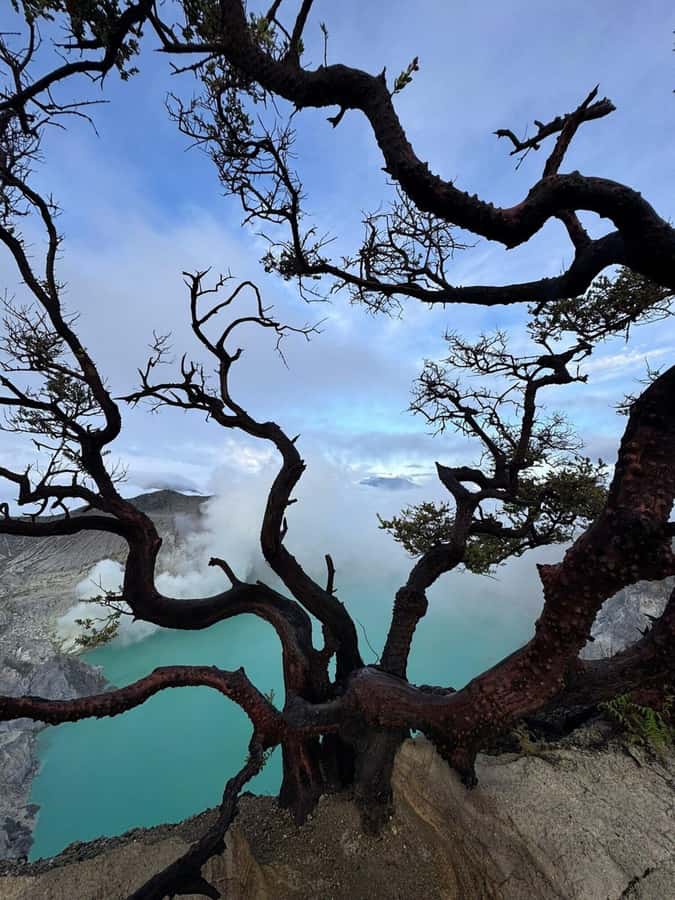
Once you’re at Pos Paltuding, you’ll trek about 1.5–2 hours and roughly 3 km to reach the crater area. Your local guide stays with you the entire time and helps with pacing and route navigation.
Here’s how I’d frame the hike for you:
- It’s long enough that you’ll feel it in your legs.
- It’s dark enough that your attention needs to stay on footing and breath.
- It’s early enough that you’ll likely be moving before your body feels fully awake.
You do not want to treat this like a casual walk. If you’re afraid of heights, this experience may feel stressful even if the route is controlled. And if you’ve had altitude sickness before, I’d take that seriously because the tour is on a volcano and you’ll be at elevation while trekking.
The guide’s job isn’t just logistics. It’s also keeping you safe and keeping everyone in the right place for the phenomenon.
Blue fire at Kawah Ijen: the part you came for
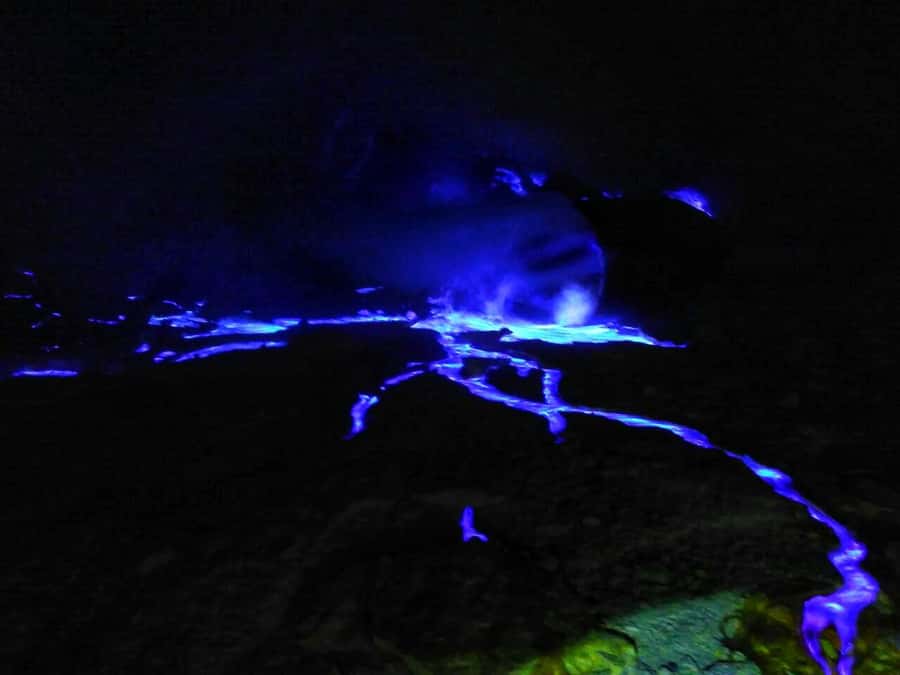
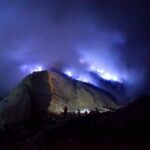
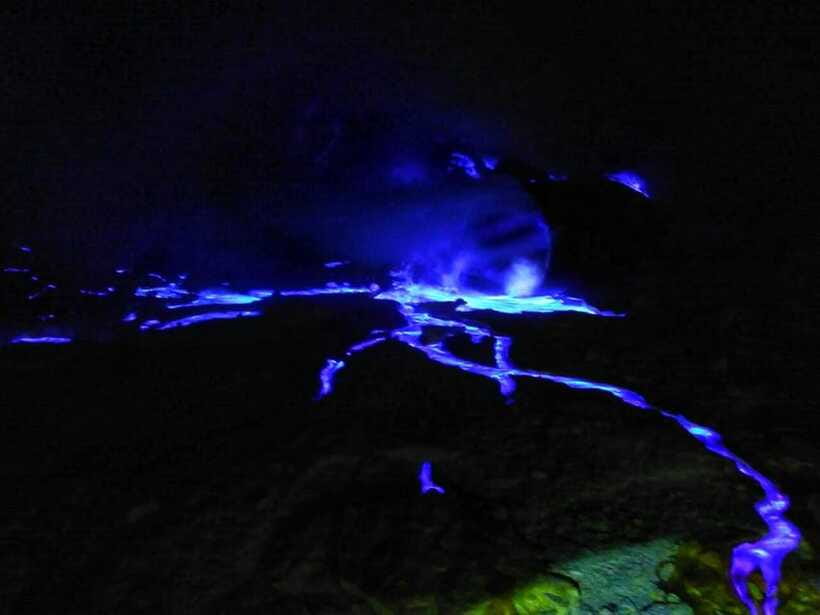
Kawah Ijen is famous for being the only crater in Indonesia known for blue fire. The tour is built around this fact, because the viewing window is narrow.
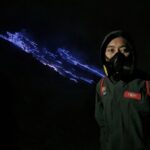
The blue flame effect happens due to a combination of the crater’s heat and sulfur, which produces that blue glow on the surface. And it’s a timing game: you can only see it before sunrise. So even if you’re the kind of person who wants to linger, you’ll need to stay flexible and follow your guide’s timing.
What the viewing feels like in the dark is hard to describe without trying to sound poetic. So I’ll keep it practical: you’ll be in a rugged crater setting where the air can feel harsh and your attention shifts to the ground and the glow pattern. The included gas mask is there for a reason.
If you like the kind of nature moment that looks almost unreal, blue fire is one of those experiences that makes your brain stop comparing it to “normal sightseeing.” You’re watching a chemical-and-thermal event happen on a working volcano.
Sulfur miners and why the masks matter
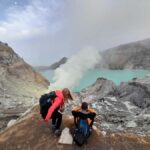
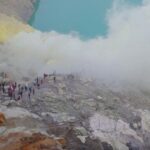
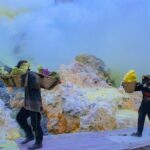
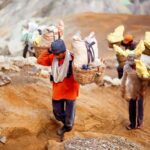
One of the highlight moments is seeing the sulfur miner side of Ijen. These are people doing serious work in an environment that is not designed for comfort. That’s a big part of why the experience feels authentic: you’re not just photographing a monument—you’re seeing a working landscape.
This is also where the tour’s safety approach becomes real. A gas mask is included, and the rules around what you can do in the crater area are strict (no drones, no alcohol and drugs, and no making fire).
For you, the key takeaway is mindset:
- Expect sulfur conditions to affect your breathing comfort and senses.
- Treat the crater area as a place where you’re a visitor, not the main actor.
- Follow your guide’s instructions quickly—don’t negotiate with the environment.
If you’ve ever been curious about why some places look otherworldly, this is your answer. It’s not magic. It’s heat and chemistry, and it’s surrounded by human work.
Sunrise reveal: Ijen crater lake in the early light
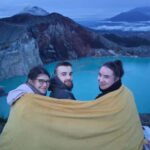
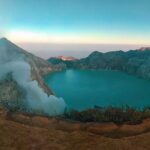
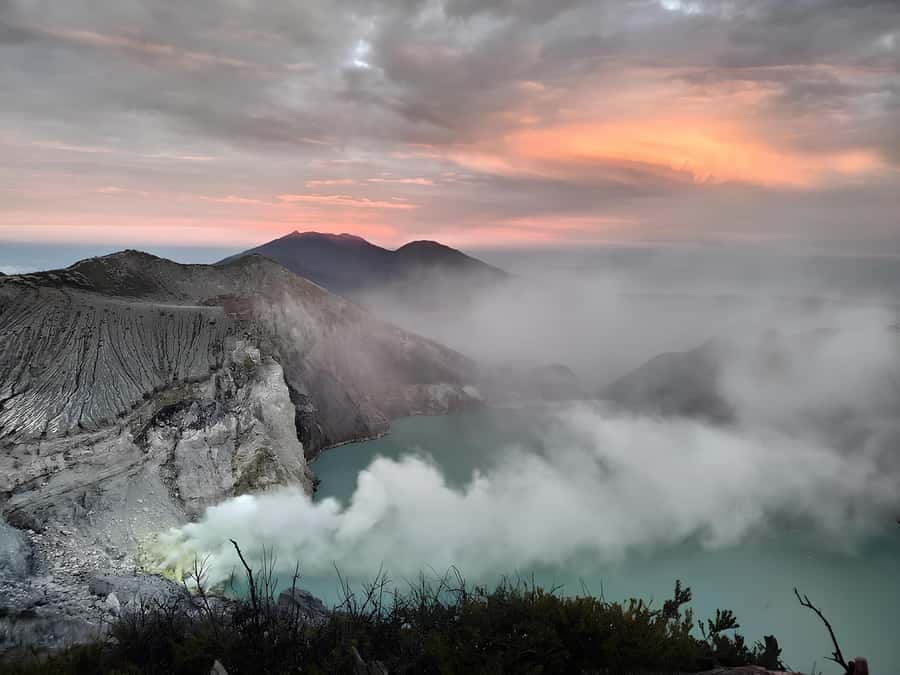
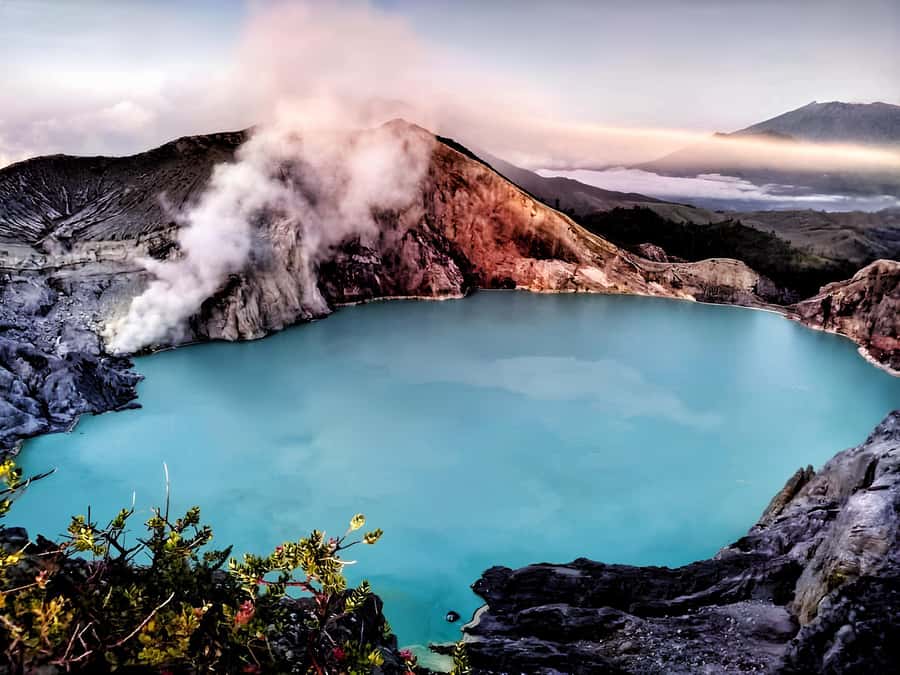
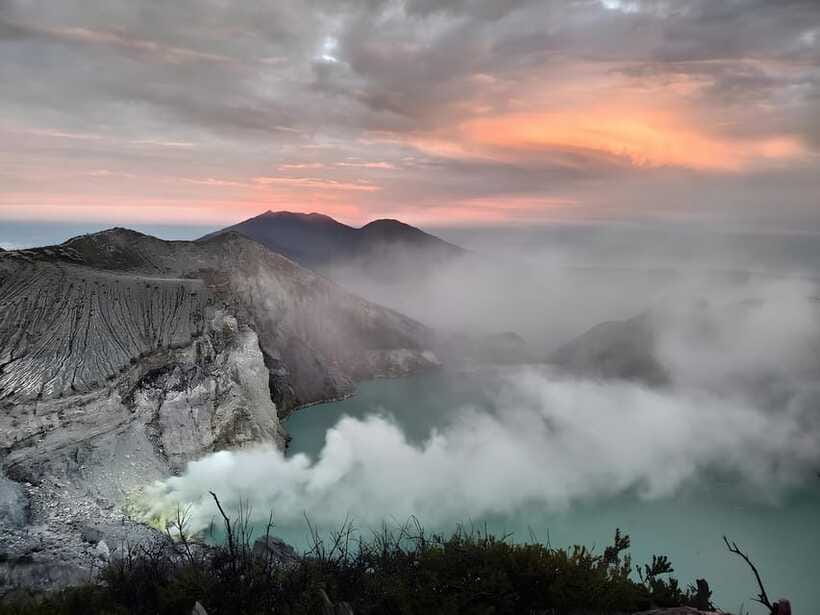
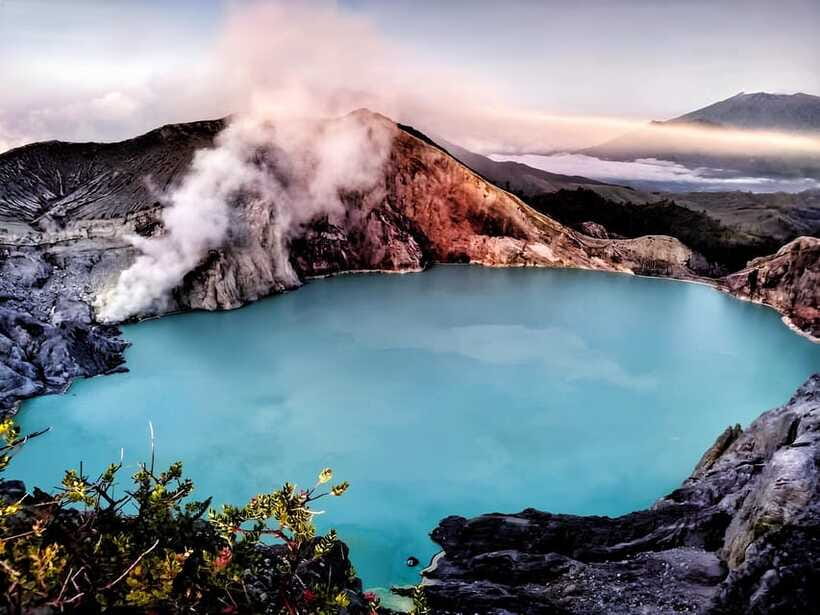
After the blue fire window, the vibe changes from “watch the glow” to “watch the horizon.” By sunrise, visitors can see the Ijen crater lake clearly.
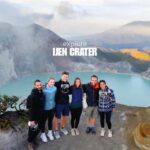
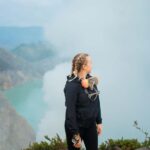
This lake formed from a volcanic eruption about 2,500 years ago. It’s described as having turquoise water, and it’s known for high acidity. It’s also considered the largest volcanic lake in the world, with a depth up to 200 meters and an area of more than 5,000 hectares.
That scale matters because it changes how you see it. In low light, you might only notice shapes. At sunrise, you can start understanding the crater’s size—how the rim frames the water and how the whole basin feels like a natural bowl.
And yes, the timing is worth it. You’re starting early enough that sunrise is part of the plan, not an optional add-on. If you want photos, sunrise is where the crater lake gives you the best chance for clear views.
The Bromo sunrise viewpoint: a bonus you’ll feel in your legs
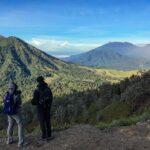
The tour’s highlights mention a sunrise viewpoint toward Bromo, including views of the Bromo crater volcano. So depending on how the day is paced, you may get a second set of sunrise scenery after (or alongside) Ijen’s big moments.
Why this is valuable: you’re going to Java’s “volcano theater” during the same early hours. If you’re the type who likes to stack iconic sights in one day, this makes sense because you’re already awake and moving.
The drawback is simple: you’ll be tired. Adding another sunrise viewpoint doesn’t ruin the day, but it does increase the chance that you’ll feel rushed when your body wants to rest. If you’re sensitive to long days or you hate staying out in the cold/dark for extended stretches, keep that in mind.
Timing, group format, and practical comfort tips
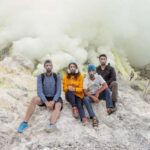
This is a shared tour, which means you’ll be traveling with other participants in a shared car. That’s part of the value: it lowers cost and it also creates a social cushion during long waiting periods—people talk, swap tips, and keep each other calm when the schedule gets intense.
The tour duration is 8–9 hours total, starting after midnight and finishing back in Banyuwangi city. In practice, that means you should treat the day as one continuous effort. Your comfort isn’t just about shoes; it’s also about how long you’ll be out before the day gives you a real break.
A few practical notes based on what’s included and not included:
- Meals or breakfast are not included, so plan food separately (snacks can help if you don’t want to feel lightheaded after the climb).
- Entrance tickets are included if you choose the package that includes them.
- You’re provided a gas mask, which is great—just remember it’s not a substitute for taking the crater area seriously.
Also, check the “not suitable” list before you commit. This experience is not aimed at everyone:
- children under 7
- pregnant women
- people afraid of heights
- anyone with altitude sickness concerns
- people with high blood pressure
- people prone to seasickness (not common for mountain trekking, but it’s listed)
- people over 70 years
- people over 309 lbs / 140 kg
- people with pre-existing medical conditions
If any of those apply to you, it’s worth asking a medical professional and also confirming with the tour organizer using the WhatsApp contact they provide for the medical statement requirement.
Value for $15: what you get, what you supply
At about $15 per person, the value is mostly about what’s included: shared car, a local guide, and (in qualifying packages) entrance tickets, plus a gas mask. For an experience that includes blue fire viewing, sunrise crater lake time, and a long trek, that’s a straightforward deal.
Where you might spend extra is predictable:
- meals/breakfast are not included
- self expenses are on you
So the value equation looks like this: you’re paying for a guide-led, timed natural event with the gear that matters (mask). If you’re comfortable doing the basics yourself—food, water/snacks, and layers—then the price feels fair.
If you want a tour that includes everything down to meals and total comfort, you might find it too “real world.” But if you’re in it for the Ijen phenomenon and you’re okay with a no-frills early day, it’s hard to argue against the cost.
Who should book this Ijen blue fire shared tour (and who should skip)
This shared tour is a great fit if:
- you want the blue fire experience and you understand it needs a strict pre-sunrise window
- you like sunrise scenery and can handle an early start
- you don’t mind trekking in the dark and being outdoors for most of the day
- you enjoy group energy and meeting new people on the ride
I’d skip it or think hard if:
- you’re afraid of heights or you feel panicky near steep drops
- you have high blood pressure, known medical conditions, or altitude sickness history
- you’re traveling with someone who is pregnant or under age 7
- you expect a leisurely pace with lots of comfort breaks
One more honest note: even with a gas mask, the crater area isn’t “spa clean.” It’s a working volcano environment. If you’re easily bothered by harsh conditions, you may find the experience less enjoyable.
Should you book Mount Ijen (shared) from Banyuwangi?
If your top priority is seeing blue fire—not just reading about it—then this tour is a solid choice. The whole schedule is structured around the only viewing window that matters (before sunrise), and you’re guided up to the crater area where you can actually watch the phenomenon and then catch the crater lake reveal.
I’d book it if you’re physically okay with an 8–9 hour day starting after midnight, and if you can follow the safety rules like drones/alcohol/drugs and no making fire. Also, the included gas mask removes a major hassle.
I wouldn’t book it if you fall into the listed “not suitable” categories or if you want a low-effort day. This is nature-and-trekking first, comfort second.
If you’re ready for the climb and you want a real, timed encounter with Ijen’s blue fire, this is the kind of trip that can genuinely stick with you.
FAQ
What time does the Mount Ijen blue fire trek start?
The hike to see blue fire starts around 00.30–01:00, after midnight, so you’ll be picked up and ready early.
Where do you get picked up in Banyuwangi?
Pickup options include Banyuwangi Regency, Jl. Mendut No.57 or Licin village.
How long does the tour take?
The total duration is about 8–9 hours.
What’s included in the tour price?
It includes a shared car, a local guide, and possibly an entrance ticket if you select the package that includes it. A gas mask is also provided.
Are meals included?
No. Meals or breakfast are not included.
Is the blue fire always visible?
No. Blue fire can only be seen before sunrise, which is why the trek starts so late at night.
What items are not allowed?
You can’t bring/use drones, alcohol and drugs, and there’s no making fire.
Is the tour suitable for children or pregnant women?
No. It’s not suitable for children under 7 or pregnant women, and it also isn’t suitable for people who are afraid of heights or who have certain medical conditions (including high blood pressure and altitude sickness risk).